Nestled deep within Mexico’s Yucatan Peninsula, Chichen Itza stands as one of the most captivating ancient ruins in the world. Renowned for its complex pyramids and enigmatic history, this archaeological marvel invites visitors to unravel secrets buried centuries ago by the Maya civilization. In 2026, the site continues to enthrall tourists and scholars alike, blending cultural heritage with modern tourism advancements to offer an unforgettable experience. Every corner of Chichen Itza pulsates with stories of astronomy, religion, and political power, making it not just a historical site but a gateway to understanding one of the most sophisticated ancient societies in the Americas.
The allure of Chichen Itza goes beyond just its grand structures. It is the mysterious interplay of light and shadow on landmarks like the Pyramid of Kukulcán that fascinates visitors, especially during the equinox events when the serpent shadow appears to slither down the stairs. This fascinating phenomenon reflects the Mayan mastery of astronomy and architecture, and in 2026, this event is drawing crowds eager to witness the sky’s ancient choreography. Together with improved access routes such as the Tren Maya and carefully planned tours, tourism in 2026 blends cultural reverence with ease of exploration, offering a deeper connection to the site’s profound mysteries.
Visitors today are not just observers but explorers stepping into a living heritage. From the acoustics of the Great Ball Court to the dark waters of the Sacred Cenote where rituals unfolded, every site element contributes to understanding Mayan beliefs and societal nuances. The history encapsulated in Chichen Itza — discovered by Spanish explorers in the 16th century but preserved through centuries of archaeological efforts — continues to inspire curiosity and admiration. As the Yucatan Peninsula enhances its infrastructure and promotes sustainable tourism this year, Chichen Itza’s secrets stand ready to be discovered anew.
Unveiling The Complex Mysteries of Chichen Itza’s Architecture and Astronomy in 2026
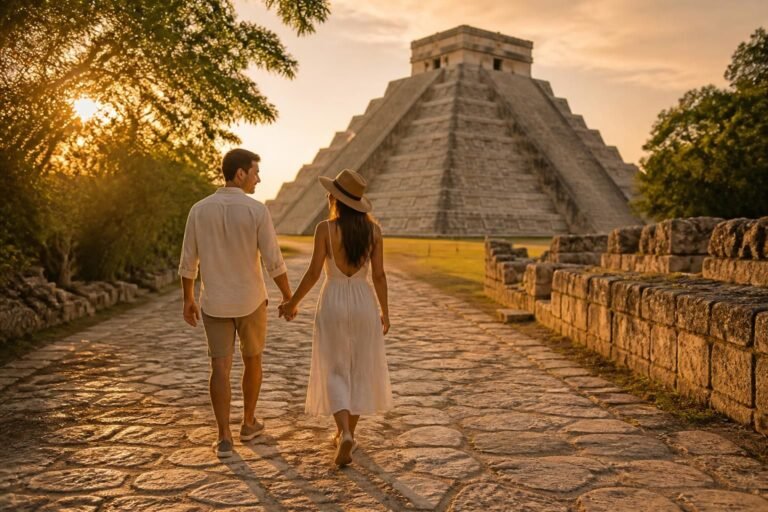
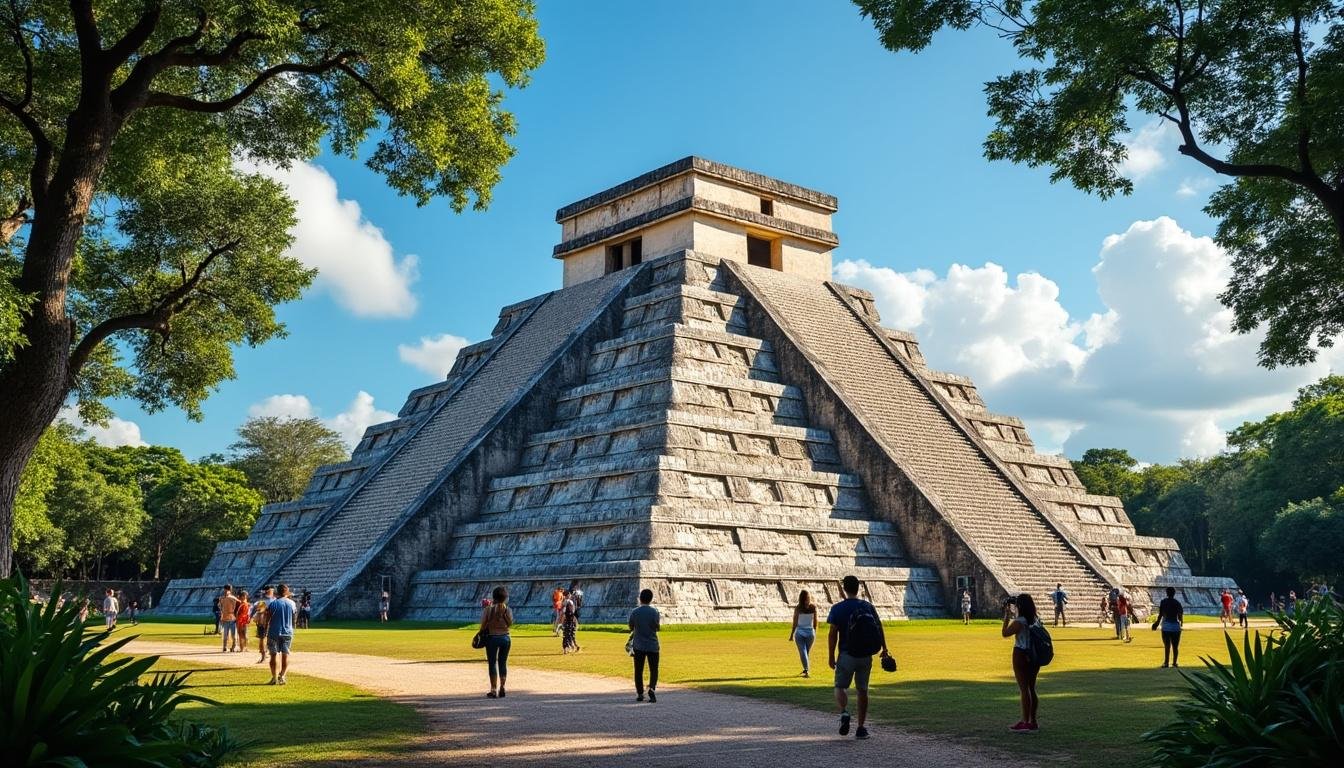
The architectural sophistication of Chichen Itza represents a pinnacle of the Mayan civilization’s achievements. Every structure was designed with a purpose, blending functionality with deep symbolism. Among the most iconic is El Castillo, or the Pyramid of Kukulcán, standing approximately 98 feet tall. This pyramid serves as a calendar, with 365 steps representing each day of the year, divided into four sides coinciding with the seasons. In 2026, this pyramid remains a focal point for studying Mayan calendrical knowledge and spiritual symbolism.
One of the most fascinating features is the light-and-shadow phenomenon visible during equinoxes, where shadows form the illusion of a serpent descending the stairs — an image believed to symbolize Kukulcán, the feathered serpent deity. This interplay of natural elements with the pyramid’s design illustrates the Maya’s advanced understanding of solar cycles and their profound religious associations. For 2026 visitors, witnessing this spectacle is both a cultural and educational experience, connecting them to ancient rituals that celebrated cosmic harmony.
Another example of astronomical expertise lies in “El Caracol,” the observatory building within the ruins. Its circular shape and windows align with celestial bodies, allowing ancient Mayans to track planets such as Venus. The observatory underscores how astrology and astronomy were integral components of governance and religion. In 2026, new archaeological technologies continue to reveal subtle architectural secrets that enhance appreciation for the Maya’s scientific prowess.
Moreover, the Great Ball Court at Chichen Itza exhibits extraordinary acoustic properties. When one person claps at one end, the sound travels perfectly to the other end, spanning approximately 545 feet — a feat of ancient acoustic engineering. This design added significance to ritual ballgames played here, which combined sport with religious symbolism, possibly reenacting celestial events or conflicts between gods. Understanding these elements enriches visitors’ comprehension of how deeply intertwined science and spirituality were for the Maya.
Enhancing Tourism in 2026: Best Ways to Explore Chichen Itza and Surrounding Historical Sites
Tourism to Chichen Itza in 2026 has evolved with infrastructure improvements and innovative tour options that cater to diverse travelers. Positioned conveniently in the Yucatan Peninsula, the site is accessible from major hubs like Cancun, Playa del Carmen, and Tulum, typically within a 2.5 to 3-hour journey. Visitors can drive, take buses like ADO, or join guided tours that combine logistics with insightful narration on Mayan culture.
Group tours offer an economical and structured way to visit, usually including hotel pickup, transport, entrance fees, and expert guides speaking English and other languages. However, for those seeking exclusivity and a tailored experience, private tours allow early access before crowds arrive, enabling guests to delve deeper into specific areas of interest. These private tours in 2026 frequently integrate visits to nearby archaeological sites such as Uxmal and Edzna, or natural wonders like the Sian Ka’an Biosphere Reserve.
Rental cars remain popular for those who desire flexibility and an itinerary beyond just Chichen Itza. A detailed exploration can include day trips to cenotes such as Ik Kil or Oxman, unique geological formations sacred to the Mayan people. These natural swimming holes enhance the cultural experience, providing insight into the Maya’s spiritual connection with natural elements. Travelers in 2026 are advised to prepare adequately with sun protection, comfortable footwear, and hydration to maximize their visit.
The table below summarizes travel options, expected travel times, and notable nearby attractions to help visitors plan efficiently:
| Departure City | Travel Time to Chichen Itza | Recommended Tour Type | Nearby Attractions |
|---|---|---|---|
| Cancun | 3 hours | Group or private tours, bus | Ik Kil Cenote, Valladolid colonial city |
| Playa del Carmen | 2.5 hours | Private tours, car rental | Sian Ka’an Biosphere, Tulum ruins |
| Tulum | 2.5 hours | Small group tours, private guides | Cenote Oxman, Muyil archaeological site |
Planning a visit with a knowledgeable guide can enrich the cultural heritage experience, providing context to the ruins’ construction, Mayan traditions, and myths. In 2026, sustainable tourism measures have also been strengthened around Chichen Itza, limiting visitor crowds and preserving the integrity of the site for future generations.
Diversifying the Experience: The Role of Nearby Cenotes and Lesser-Known Mayan Sites in the Yucatan Peninsula
The Yucatan Peninsula is rich beyond Chichen Itza, offering an array of cultural and natural sites that complement the primary archaeological experience. Cenotes, natural sinkholes formed by collapsed limestone revealing groundwater beneath, are essential in understanding Mayan myths and their ritualistic significance. Several cenotes near Chichen Itza enrich a visit by bringing history, geology, and pristine natural beauty together.
Within the archaeological site lie the Sacred Cenote and Cenote Xcolot. The Sacred Cenote was historically a place for offerings and sacrifices, dedicated to Chaac, the rain god. Although swimming is prohibited in these, visitors are often mesmerized by their size and the legends enveloping them. Nearby cenotes such as Ik Kil, just 3 miles away, offer an opportunity for visitors to swim in crystal-clear waters surrounded by verdant plants and hanging waterfalls, creating a magical atmosphere full of sensory wonder.
Other cenotes like Xkeken and Samula near Valladolid provide visitors with striking underground cave experiences. These grottoes, adorned with stalactites and shafts of sunlight piercing through openings, reveal the geological processes taking place over millennia and offer refreshing swimming spots. Additionally, Cenote Oxman features a dramatic 90-foot descent to a pool guarded by jungle tree roots, captivating those looking for adventure alongside culture.
Combining these cenotes with visits to less crowded archaeological sites such as Uxmal and Muyil enhances understanding of the region’s broad Mayan impact. These sites showcase different architectural styles and provide narratives distinct from the grandeur of Chichen Itza, expanding the archaeological landscape of the Yucatan. For tourists in 2026, this diversification enriches the appreciation of the Maya civilization’s vast cultural imprint beyond their iconic pyramids.
Preserving Cultural Heritage: Archaeological Efforts and Challenges Facing Chichen Itza in 2026
The preservation of Chichen Itza remains vital in 2026 as the site balances visitor influx with conservation needs. The centuries-old ruins are a testament to Mayan ingenuity but also fragile under modern stressors. Archaeologists and conservationists collaborate diligently to maintain structural integrity while conducting new research into the site’s history and symbolism.
Recent archaeological initiatives have employed modern technology such as LiDAR scanning and ground-penetrating radar to uncover hidden structures and artifacts without damaging the ruins. These methods have expanded knowledge about the city’s layout, revealing sophisticated water management systems and unexplored residential complexes. Understanding these elements sheds light on how Mayan civilization thrived in the challenging environment of the Yucatan Peninsula.
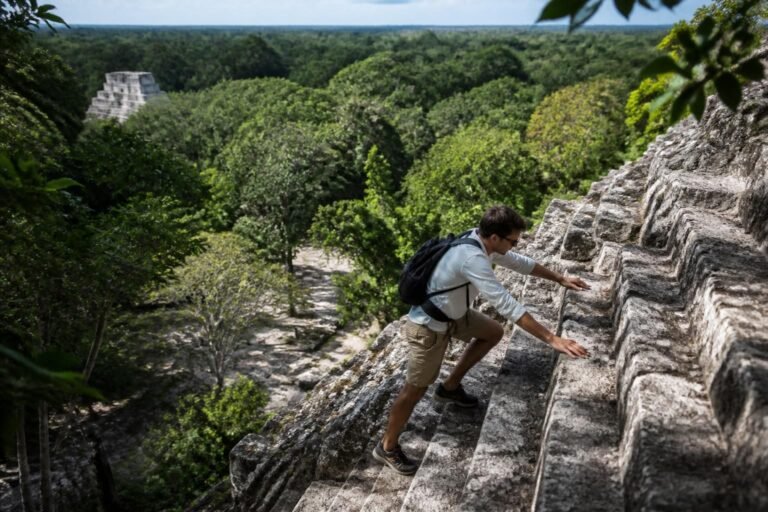
Preserving such a major historical site also involves regulating tourism. In 2026, climbing El Castillo is prohibited to prevent erosion and damage, ensuring future generations can admire its original beauty. Visitor management protocols include timed entry, controlled group sizes, and increased educational signage to enhance visitor awareness. These steps help mitigate the impact on fragile stone surfaces and prevent deterioration caused by environmental factors and human traffic.
Funding for ongoing conservation is sourced from entrance fees, governmental support, and partnerships with international heritage organizations. This collaboration illustrates a modern commitment to protecting cultural heritage while facilitating sustainable tourism. For visitors, understanding the delicate balance between exploration and preservation enriches the experience, fostering respect for Chichen Itza’s enduring legacy.
The above video explores the latest discoveries and historical insights about Chichen Itza, highlighting new archaeological methods used to uncover hidden secrets in 2026.
This video offers a virtual tour and immersive storytelling of the cultural heritage surrounding Chichen Itza, emphasizing the visitor experience in 2026 and the site’s importance to Maya history.
Must-Know Tips for Travelers Visiting Chichen Itza in 2026
- Arrive Early: To avoid crowds and the heat, arrive as early as the site opens at 8 a.m. This allows ample time to explore at your own pace.
- Guided Tours: Consider booking a private guide to gain deeper historical context, or join group tours if you prefer a more social experience.
- Prepare for the Climate: The Yucatan Peninsula can be hot and humid; bring sunscreen, hats, water, and lightweight clothing.
- Respect the Site: Climbing pyramids is prohibited to protect the ruins. Please follow all site regulations to help preserve this UNESCO World Heritage site.
- Visit Nearby Attractions: Extend your trip with visits to cenotes like Ik Kil and additional Mayan sites to fully immerse in the cultural heritage of the region.
- Transportation Planning: Pre-book transportation, especially during peak seasons or equinox events, to ensure timely arrival and avoid last-minute hassles.
What is the best time to visit Chichen Itza in 2026?
The best time to visit is early morning when the site opens at 8 a.m., especially to avoid crowds and heat. Additionally, the spring equinox around March 20-22 provides a unique chance to witness the famous serpent shadow phenomenon.
Are visitors allowed to climb the Pyramid of Kukulcán?
No. As of 2026, climbing the pyramid is prohibited to protect its structural integrity and preserve the archaeological site for future generations.
How can I reach Chichen Itza from Cancun or Playa del Carmen?
Travelers can rent a car, take a bus (such as the ADO service), or join guided tours from Cancun and Playa del Carmen. The drive typically takes around 2.5 to 3 hours.
What other sites near Chichen Itza are worth visiting?
Nearby cenotes like Ik Kil, Xkeken, and Oxman, as well as other Mayan archaeological sites such as Uxmal and Tulum, offer enriching experiences that complement a visit to Chichen Itza.
How is Chichen Itza preserved amid increasing tourism?
Through regulated visitor numbers, prohibition of pyramid climbing, use of modern archaeological technology, and funding from entrance fees and international heritage bodies, Chichen Itza is carefully conserved while welcoming tourists.