Chichen Itza remains one of the most enthralling travel destinations for anyone captivated by ancient civilizations and archaeological marvels. Situated in the heart of Mexico’s Yucatan Peninsula, this UNESCO World Heritage site continues to attract visitors from around the globe, eager to walk through the corridors of time where the Mayan people once thrived. With the pyramid of Kukulcan standing tall as an iconic symbol of cultural and historical significance, Chichen Itza offers an immersive cultural experience that combines breathtaking architecture, riveting history, and profound myths. The site perfectly exemplifies the ingenuity of the Mayan civilization, from its precise astronomical alignments to its monumental constructions. In 2026, visiting Chichen Itza is not only a chance to witness ancient marvels but also a unique opportunity to engage with a living heritage, learn about the Mayan people, and reflect on their astounding achievements and mysticism.
Brief Overview of Key Highlights at Chichen Itza:
- Home to the Temple of Kukulcan, a precise reflection of Mayan astronomical knowledge.
- Location convenience allowing day trips from major cities like Cancun, Merida, and Playa del Carmen.
- A historical site layered with centuries of cultural synthesis, showcasing Puuc and Toltec architectural influences.
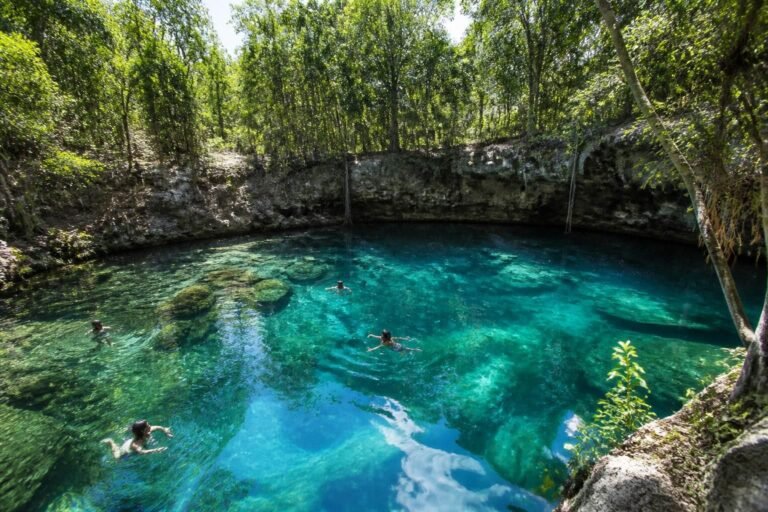
- Unique natural features such as the Sacred Cenote connected to ancient rituals.
- Special astronomical events like the equinox serpent shadow that astound visitors with Mayan ingenuity.
- Close proximity to charming colonial towns like Valladolid, making for a fuller cultural itinerary.
Architectural Wonders and Astronomical Mysteries at Chichen Itza
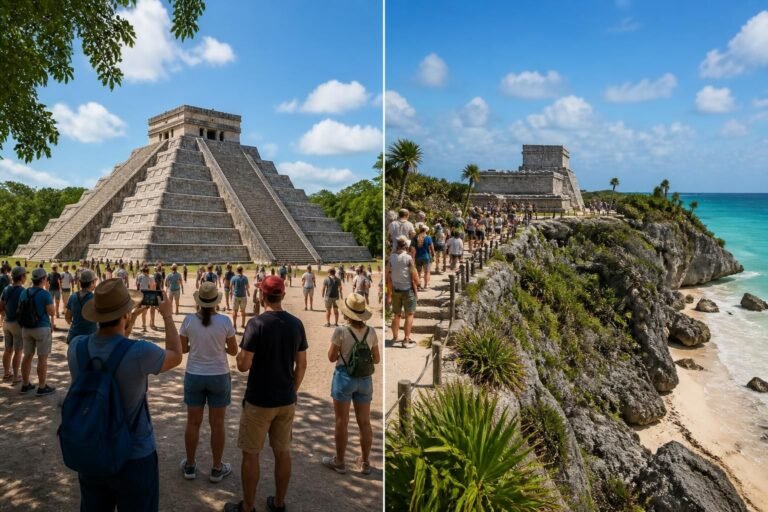
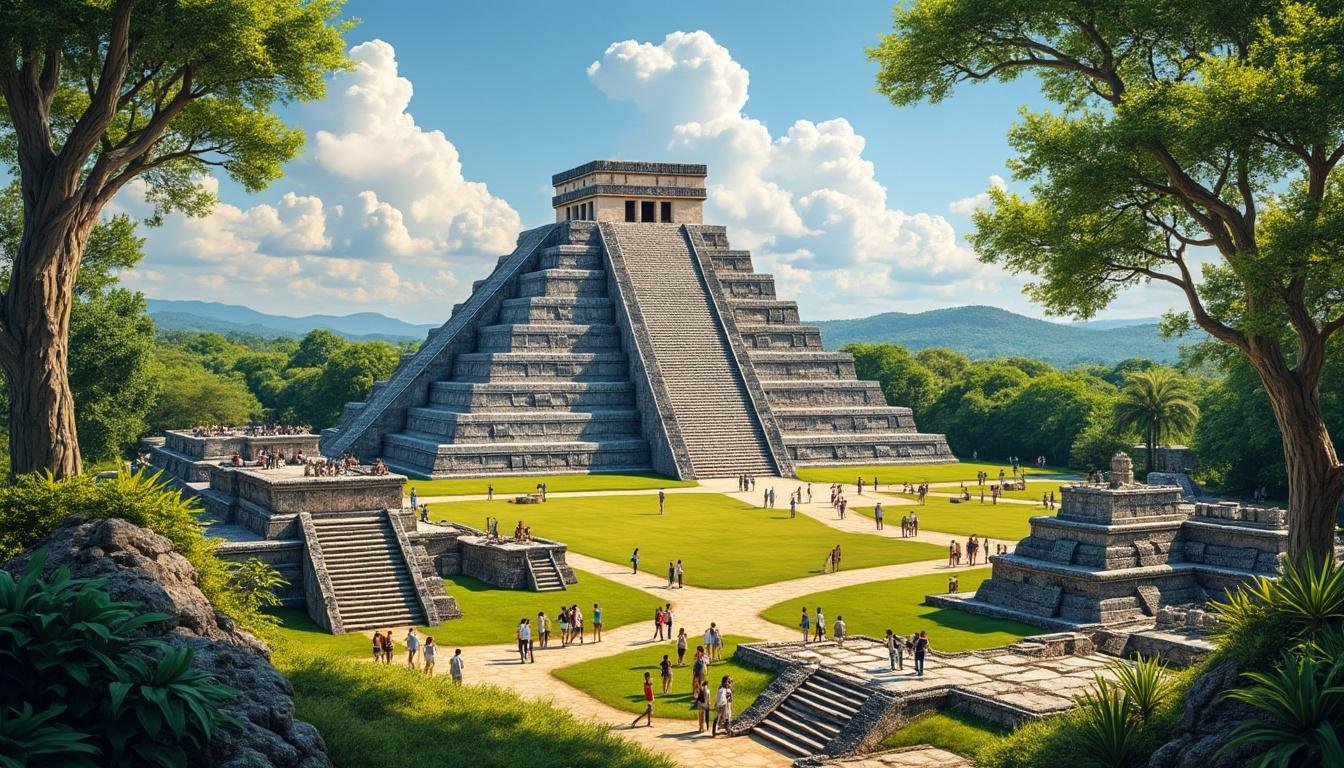
The allure of Chichen Itza primarily lies in its extraordinary architectural and astronomical prowess. The pyramid of Kukulcan, also known as El Castillo, is the centerpiece and arguably the most extraordinary structure at the site. Standing approximately 100 feet tall, this pyramid is a mathematical marvel. It has four staircases with 91 steps each, plus an additional step at the top platform, collectively summing to 365 steps — one for each day of the solar year. This underscores how deeply intertwined astronomy and daily life were for the Mayans.
What makes El Castillo even more fascinating is the phenomenon during the spring and fall equinox. At sunset, the pyramid’s shadow transforms, creating the illusion of a feathered serpent slithering down its northwest staircase. This shadow serpent symbolized Kukulcan, the feathered serpent god, a key deity in Mayan cosmology, and represents the apex of Mayan architectural mastery. The alignment wasn’t accidental — ancient astronomers designed the pyramid to celebrate celestial cycles, weaving spirituality and science seamlessly.
Alongside El Castillo, the Ball Court at Chichen Itza provides an intriguing glimpse into Mayan culture beyond architecture. It is the largest and best-preserved ball court in Mesoamerica, measuring about 120 meters in length and 30 meters in width. Here, the ancient Mesoamerican ballgame, Pok Ta Pok, carried not merely athletic but religious significance. For example, in some cases, the losing team’s captain could be sacrificed as part of sacred rituals, emphasizing the intertwining of sport, politics, and religion.
Other notable structures include the Temple of the Warriors, famed for its intricate carvings of jaguars and warriors, and the Caracol Observatory, a circular building demonstrating advanced Mayan astronomical knowledge. These buildings collectively reveal a civilization that was intellectually sophisticated and deeply spiritual, with an extensive understanding of the cosmos and its influence on human affairs.
Strategic Location and Accessibility for Modern Travelers
Chichen Itza’s location on the Yucatan Peninsula offers exceptional convenience and accessibility for modern travelers in 2026. Nestled roughly midway between Cancun and Merida, it has become an ideal day-trip destination from these bustling cities, along with Playa del Carmen, Tulum, and even the charming colonial city of Valladolid.
Here is a practical look at travel distances and approximate times to Chichen Itza from popular Yucatan cities:
| City | Distance to Chichen Itza | Travel Time |
|---|---|---|
| Cancun | 120 miles | 2.5 hours |
| Playa del Carmen | 110 miles | 2 hours |
| Tulum | 95 miles | 2 hours |
| Merida | 75 miles | 1.5 hours |
| Valladolid | 28 miles | 45 minutes |
Travelers can access Chichen Itza by multiple means—from public buses operated primarily by ADO, to more economical colectivo vans serving routes particularly from nearby Valladolid. For those seeking comfort and convenience, organized tours offer transportation with hotel pickups, guiding visitors through the ruins without worrying about schedules or logistics. It’s important for travelers to be mindful of the one-hour time difference between Quintana Roo (where Cancun is located) and Yucatan state, especially when planning timed visits or joining tours.
The accessibility combined with a wealth of cultural attractions nearby, such as Valladolid’s colonial charm, crafts markets, and authentic cuisine, make Chichen Itza a well-rounded travel destination for both history buffs and leisure travelers.
The Rich, Complex History Behind the Mayan Ruins of Chichen Itza
Steeped in history, Chichen Itza represents the pinnacle of the Mayan civilization’s political, cultural, and religious significance during the Classic and Postclassic periods. Some expert studies trace the origins of the site back as far as 400 AD, though its true ascendancy came around the 7th to 10th centuries when it flourished as a major political and economic hub with an estimated population of around 50,000.
The city was a melting pot of cultures, evident in the architectural styles that combine influences from Puuc, Toltec, and other Mesoamerican cultures. By the 12th century, however, power shifted west to Mayapan, initiating Chichen Itza’s gradual decline. The arrival of Spanish conquerors in the 15th and 16th centuries permanently altered the region’s cultural landscape, leading to disease, warfare, and eventual desertion of this once vibrant metropolis.
Buried beneath dense jungle for centuries, Chichen Itza was rediscovered in the 19th century, sparking archaeological interest that has continued to this day. Extensive excavations have revealed artifacts, ceremonial spaces, and monumental architecture, illuminating a civilization that was both advanced and deeply spiritual. The site offers a tactile encounter with the Mayan world—where myth meets measurable fact, and history still holds its secrets.
Visiting Chichen Itza today offers a multi-layered experience: it’s a gateway to understanding Mayan cosmology, agricultural practices, political systems, and ritualistic life. For instance, the Sacred Cenote near the site stands as a testament to Mayan sacrificial and ceremonial traditions, where offerings such as gold, jade, and human remains have been discovered, symbolizing an intense devotion to gods, especially the rain deity.
Planning Your Visit: Best Times, Tours, and Practical Tips for 2026
Proper planning enhances any visit to Chichen Itza, especially given the high influx of travelers in 2026. The peak tourist season often leads to crowds and long ticket lines, but strategies exist to maximize your cultural experience and comfort.
Optimal timing to visit: Shoulder seasons during November, February, and March generally provide milder weather and fewer visitors. Early morning visits are highly recommended to avoid tour group rushes and midday heat. The perfect timing also allows for witnessing the equinox serpent phenomenon in March or September, a unique spectacle ingrained in Mayan tradition.
Ticketing and access: Entrance fees for non-Mexican adults hover around 614 pesos, but this can vary, so checking current prices prior to your trip is advised. It’s wise to purchase tickets online or as part of a guided tour to bypass long queues. The site is open between 8 a.m. and 5 p.m., with last entries at 4 p.m.
What to bring: The expansive, sun-exposed ruins demand sun protection — bring a wide-brimmed hat, sunscreen, plenty of water, and comfortable walking shoes. The Yucatan heat can be uncompromising, particularly during the summer months. Also, a respectful attitude toward vendors and other visitors helps maintain a pleasant atmosphere.
Several curated tour options exist, each catering to different interests. For example, sunrise tours offer magical early explorations of El Castillo, while combined excursions include nearby cenote swims and visits to Valladolid, enriching your cultural immersion. For the more adventurous, there are helicopter tours that start in Cancun and end with a splash in the cenotes and lunch in the historic city of Valladolid.
YouTube video guides like this one provide additional insights into visiting Chichen Itza, highlighting current best practices for travelers and expert commentary on the site’s significance.
Engaging with Chichen Itza’s Legacy: Cultural Insights, Safety, and What You Can’t Miss
Beyond its structural grandeur and archaeological importance, Chichen Itza offers a profound cultural experience that connects visitors to the ancient Mayan worldview. The intricate carvings and motifs decorating the Temple of the Warriors illustrate the martial prowess and mythology integral to Mayan society. Meanwhile, the acoustics around the pyramid allow for fascinating auditory phenomena such as the “Song of the Quetzal,” which echoes the call of a sacred bird and enhances the mystical ambiance.
Safety at Chichen Itza is generally straightforward; however, the high visitor density means petty theft can occur, so vigilance with personal belongings is important. Health-wise, dealing with the high heat and humidity by staying hydrated and resting in shaded areas is crucial. While vendors are omnipresent along the main entrance path and throughout the site selling souvenirs, small crafts, and refreshments, polite refusals or interactions enrich the visit without detracting from the cultural reverence.
Those eager to delve deeper into the Mayan civilization can explore nearby museums or take guided archaeological tours, which provide detailed explanations about the symbolism and history behind each ruin. Engaging with local guides offers enriched perspectives that transform a routine visit into an enlightening cultural journey.
This video further deepens understanding of Mayan cultural contexts, enhancing appreciation of Chichen Itza’s heritage for travelers and history enthusiasts.
What is the best time of year to visit Chichen Itza?
The best months to visit are during the shoulder seasons of November, February, and March when the weather is mild, and crowds are thinner compared to peak winter and summer periods.
Is it possible to see the equinox phenomenon at Chichen Itza?
Yes, during the spring and fall equinoxes, the setting sun creates a shadow on the Pyramid of Kukulcan that resembles a feathered serpent descending the stairs, an intentional and awe-inspiring architectural feature.
How long should I allocate to explore Chichen Itza?
A thorough visit takes at least two to three hours to comfortably see the major structures such as El Castillo, the Ball Court, the Temple of Warriors, and the Sacred Cenote.
Are there guided tours available at Chichen Itza?
Yes, various guided tours offer expert commentary, transport, and access to less crowded experiences, with options ranging from sunrise tours to helicopter excursions and combined cenote and colonial town visits.
What precautions should I take when visiting Chichen Itza?
Visitors should carry water, wear sun protection, be aware of time zone differences if traveling between Cancun and Yucatan, and be vigilant with personal belongings against petty theft.