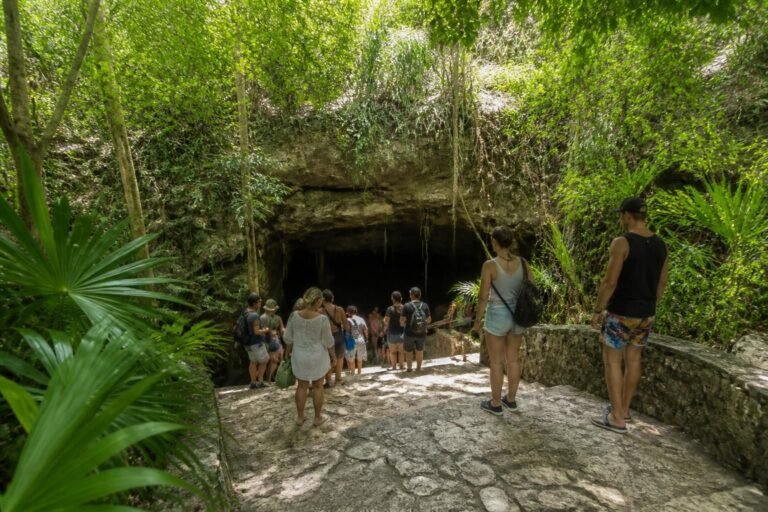

Exploring the Yucatán Peninsula offers travelers a unique encounter with the stunning natural swimming holes known as cenotes, each with its own character and allure. Among these, Cenote Ik Kil and Cenote Suytun stand out as two of the most exceptional tourist attractions near Chichén Itzá and Valladolid, drawing visitors eager to dive into their cool, crystal-clear waters. Both cenotes boast captivating features that make them ideal for different kinds of adventures, yet they also present distinct atmospheres, accessibility, and experiences. Discovering what sets these Mexican cenotes apart is essential for crafting an unforgettable cenote adventure that complements your itinerary, whether on a seamless tour or independent exploration.
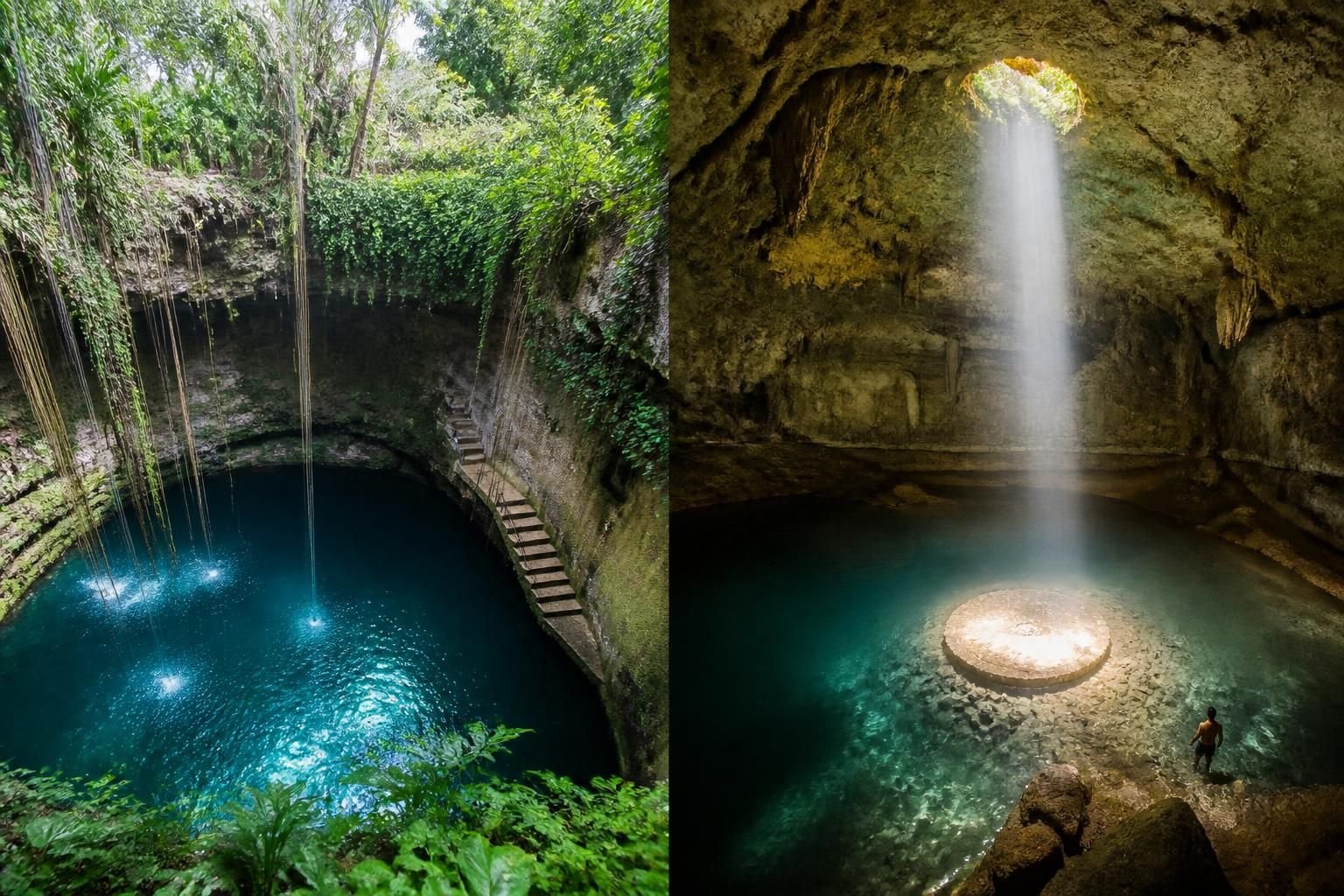
Understanding the unique charm of Cenote Ik Kil and Cenote Suytun means delving into their geographical context and visual appeal. Ik Kil, a vast open-air cenote only 3 kilometers away from the famous archaeological site of Chichén Itzá, is often the first choice for travelers seeking proximity and magnificence. Known for its turquoise waters surrounded by lush hanging vines, Ik Kil feels like a natural cathedral with sunlight piercing through the large open top. In contrast, Cenote Suytun is located roughly 30 kilometers from Chichén Itzá en route to Valladolid. This underground cenote is famous for its atmospheric stone platform that extends into the water beneath a single beam of natural light, giving it an ethereal quality favored by photographers and social media enthusiasts.
Both cenotes are well-maintained and feature life jackets and lifeguards to ensure swimmer safety. However, proficiency in timing is crucial to fully enjoy their beauty, as crowd levels vary considerably throughout the day. While Ik Kil tends to get crowded after mid-morning, Suytun’s photogenic beam of light is best captured during the early hours. Through this guide, travelers can effectively compare these natural swimming holes, making informed decisions about which cenote best fits their travel style and overall experience. For those intrigued by the cultural and environmental gems of the Yucatán Peninsula, understanding the differences between Cenote Ik Kil and Cenote Suytun offers a glimpse into Mexico’s rich natural heritage and enhances the adventure beyond just swimming.
In brief:
- Cenote Ik Kil is an open-air cenote, located 3 km from Chichén Itzá, known for its vast, turquoise waters and natural vines hanging from the walls.
- Cenote Suytun is an underground cenote, about 30 km from Chichén Itzá, famous for its stone platform and striking natural light beam that creates a magical atmosphere.
- Ik Kil offers full facilities including a restaurant, changing rooms, and life jackets, making it highly accessible to the majority of tourists.
- Suytun is celebrated primarily for its photogenic qualities and mood, attracting visitors seeking unique photo opportunities rather than traditional swimming experiences.
- Both cenotes have different peak times and crowd levels, necessitating strategic planning to enjoy them to the fullest.
Location and Accessibility: How Cenote Ik Kil and Cenote Suytun Fit into Your Travel Plans
The accessibility of a cenote plays a significant role in travel itineraries, especially when combining visits to nearby cultural landmarks such as Chichén Itzá and the colonial town of Valladolid. Cenote Ik Kil’s proximity to Chichén Itzá, just about three kilometers away, means it is often included as a standard stop on tours departing from Cancun or Playa del Carmen. This closeness allows visitors to comfortably split their day between exploring the Maya ruins and refreshing themselves with a swim in Ik Kil’s deep blue-green waters. Being adjacent to the well-traveled route makes it easily reachable by car, taxi, or organized tour, cementing its reputation as a must-see natural swimming hole.
Conversely, Cenote Suytun’s location demands a slightly longer journey, positioned approximately 30 minutes from Chichén Itzá along the well-maintained highway towards Valladolid. While this distance might deter some casual travelers, Suytun’s remoteness contributes to a more serene visit, especially in the quiet mornings when the iconic light beam enhances its mystical ambiance. The route to Suytun is straightforward, making it a feasible destination for day-trippers who have arranged independent transportation or smaller, more personalized tours that emphasize unique experiences over the beaten path.
Visitors planning their cenote adventure should consider transportation options carefully. Ik Kil’s infrastructure supports large influxes of tourists, complete with ample parking and well-marked entry points, which is less the case with Suytun. Some visitors who prefer lesser crowds and a niche photo opportunity often rent cars or use taxi services to reach Suytun, exploring Valladolid before or after to enrich their cultural experience. For those wondering about managing currency during their trips, detailed information on money exchange can be invaluable to minimize hassles once on site, as described in resources such as understanding the Mexican peso vs US dollar exchange in Riviera Maya.
To summarize the practical aspects:
| Cenote | Distance from Chichén Itzá | Travel Time | Facilities | Transport Options |
|---|---|---|---|---|
| Ik Kil | 3 km | 5 minutes | Restaurant, lockers, life jackets, changing rooms | Tour buses, taxis, rental cars |
| Suytun | 30 km | 30 minutes | Basic facilities, changing rooms, life jackets | Rental cars, taxis, small group tours |
The clear difference in location and accessibility thus influences visitor choice and the type of tourism experience each cenote can provide.
Visual and Physical Characteristics: A Remarkable Comparison of Ik Kil and Suytun Cenotes
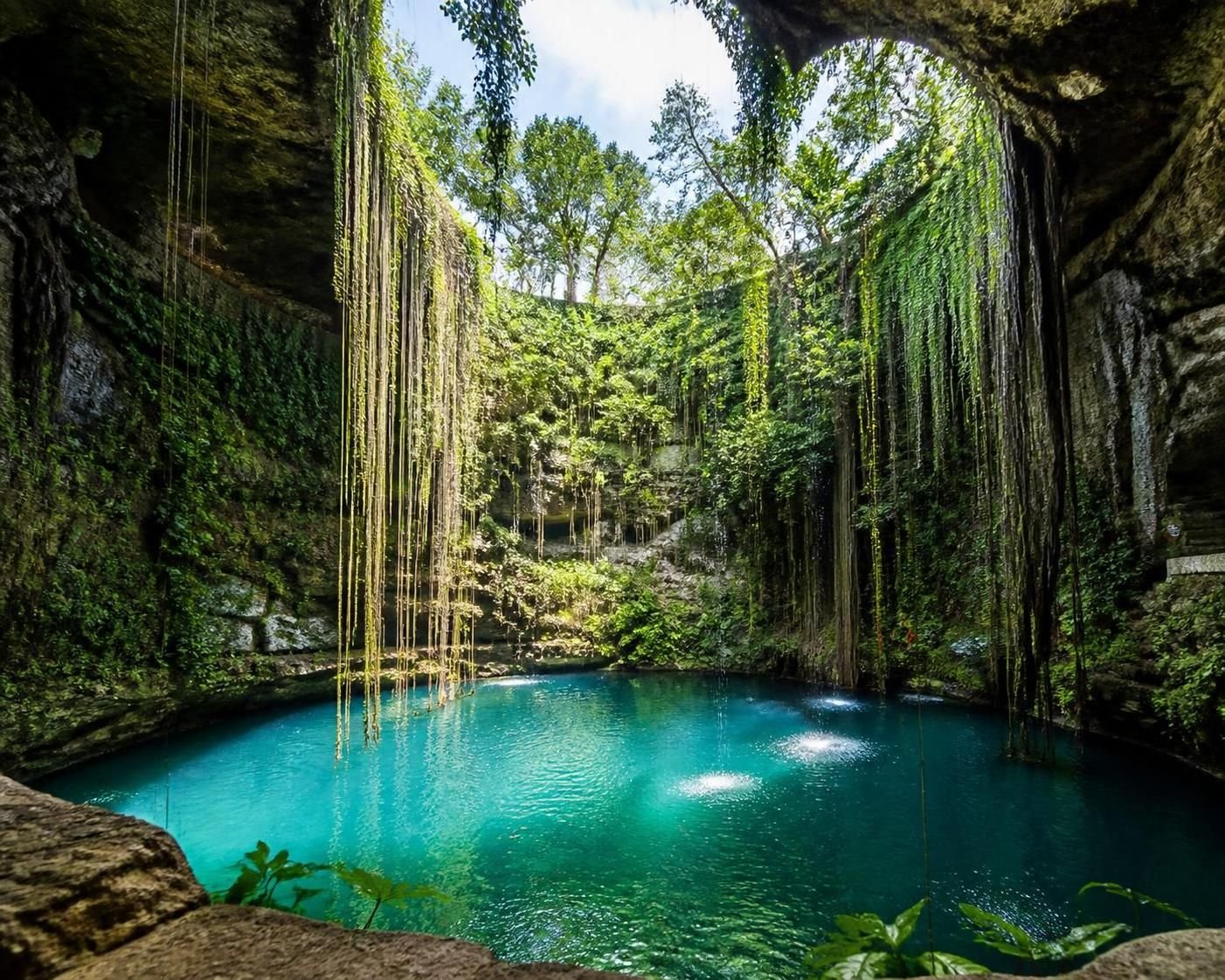
The visual impression and physical structure of a cenote often define the kind of experience it offers. Cenote Ik Kil is remarkable for its grand open-air design, which exposes visitors to sunlight and fresh air, creating a vibrant swimming environment that feels connected to nature’s raw beauty. With a depth of approximately 25 meters, swimmers are embraced by strikingly clear, turquoise water that contrasts with the hanging roots and lush greenery perched on the limestone walls above. Its sizable dimensions and circular shape accommodate large volumes of visitors and provide plenty of space for those seeking to dive or relax in its refreshing waters.
Located underground, Cenote Suytun displays an entirely different, almost mystical ambience. Its defining feature is a long, stone platform that stretches into the water toward the center of the cenote, culminating under a circulating pillar of natural sunlight that filters through a sizeable hole in the cave ceiling. This stunning spotlight bathes the platform in an ethereal glow, making it one of the most photographed natural swimming holes in the region. The water here is equally clear but set within an enclosed cave system, offering a cooler, dimmer environment that emphasizes tranquility and visual spectacle over active swimming.
Visitors often appreciate Ik Kil as a place for leisurely swimming, snorkeling with brightly colored fish, or simply floating amidst vines and waterfalls. In contrast, Suytun is favored for capturing iconic, artistic images or taking contemplative moments on the platform without the distractions of a crowd-filled pool. The difference in physical construction influences not only aesthetic appeal but also the crowd levels and types of activities most suitable for each cenote.
- Ik Kil: Open-air, 25m depth, surrounded by vines and tropical plants, ideal for adventurous swimming and natural encounters.
- Suytun: Underground cavern, stone platform, light beam effect, better suited to photography and calm exploration.
These contrasting environments reflect the variety of natural swimming holes the Yucatán Peninsula offers, enriching any itinerary with diverse sensory and visual experiences distinct to Mexican cenotes.
Tourist Experience and Crowd Levels: Choosing Between Dynamic Ik Kil and Quiet Suytun
When planning a visit to cenotes, crowd dynamics can significantly affect satisfaction. Cenote Ik Kil, due to its easy access and popularity, often becomes quite busy, especially after 11 AM. It is a frequent stop on organized tours, including many that pair a morning visit to Chichén Itzá with an afternoon swim in this natural pool. The presence of a restaurant and well-developed facilities also attract family groups and large tourist groups, which can result in bustling scenes during peak hours. For those seeking a lively, social environment where swimming and relaxation mix, Ik Kil matches expectations perfectly.
On the other hand, Cenote Suytun is renowned as a quieter, more niche location favored by visitors who prioritize the photographic allure over extensive swimming activity. The cenote fills up mainly around midday when the light beam is most dramatic, but even then, the crowd remains notably smaller than Ik Kil’s. Many travelers design their day so they arrive early at Suytun, capturing the iconic light effect with minimal interference and enjoying an intimate encounter with the cenote’s mystical atmosphere. The simplicity of Suytun’s facilities often appeals to more adventurous or minimalist travelers looking to avoid tourist-heavy spots.
Scheduling considerations:
- Ik Kil: Visit early morning before 11 AM to avoid peak crowds.
- Suytun: Aim for the mid-morning window for best sunlight on the platform, but keep in mind the increasing crowd after 11 AM.
- Consider tour packages that include off-peak entrance times.
Visitors can tailor their cenote adventure according to their preference for either vibrant social immersion or reflective, serene exploration, making each spot suitable for different travel styles and group dynamics.
Facilities and Visitor Services: Comparing Amenities Between Ik Kil and Suytun
Facilities can play a pivotal role for visitors deciding between two natural attractions, particularly regarding comfort and convenience after a day in the Yucatán Peninsula heat. Cenote Ik Kil stands out with well-developed visitor services that include lockers for belongings, clean changing rooms, a restaurant offering local cuisine, and mandatory life jackets to enhance swimmer safety. This infrastructure not only makes it accessible for families but also for travelers with varying levels of physical ability and comfort needs.
Cenote Suytun, while equipped with basic changing facilities and life jackets, maintains a simpler setup that aligns with its image as an underground cave experience. The lack of a restaurant or extensive visitor amenities encourages a shorter stay centered primarily on visual admiration and light swimming rather than prolonged lounging or picnicking. The contrast in services suggests that visitors looking to fully relax over several hours may prefer Ik Kil, whereas those seeking a quick yet memorable photo opportunity might find Suytun more fitting.
Beyond these physical aspects, both cenotes are diligently maintained with safety in mind, featuring lifeguards and clear signage to make the swimming experience enjoyable and secure. This assurance supports the growing trend of cenote combo tours, which often include stops at either Ik Kil or Suytun to complement archaeological excursions, as seen in several highly recommended packages detailed in articles about best Chichen Itza group tour experiences for 2026.
Planning Your Visit: Making the Most of Ik Kil vs Suytun Cenote Adventure
Effective planning can vastly improve the experience of visiting either Cenote Ik Kil or Cenote Suytun. Understanding the unique appeal and logistics of each allows travelers to customize their itineraries, ensuring their time in the Yucatán Peninsula matches their interests and pace. Many travelers opt to visit Chichén Itzá in the morning, then head to Ik Kil for a refreshing dip as a way to cool off and rejuvenate after exploring the Mayan ruins. This combo works well for those with limited time who want to blend cultural education with nature-based relaxation.
For more photo-centric travelers or those who appreciate quieter moments, scheduling a trip to Suytun in the morning prior to the crowds maximizes the opportunity to enjoy the famous beam of light and the cave’s tranquility. Pairing the visit with a stop in Valladolid offers a rich cultural and historical contrast to the natural experience of the cenote. Those driving themselves will find Suytun accessible and less crowded, perfect for a more personalized adventure off the main tourist trail.
Consider the recommended essentials for a cenote adventure:
- Arrive early to avoid crowds, especially at Ik Kil.
- Bring waterproof camera gear to capture stunning photos, particularly at Suytun.
- Wear water shoes for safe access and to protect feet from rocky surfaces.
- Respect local guidelines, including mandatory life jacket use for safe swimming.
- Plan food and water, noting Ik Kil’s restaurant availability versus Suytun’s limited options.
Such preparation enriches the experience, making any visit to these natural swimming holes not just memorable but seamless and enjoyable.
What is the main difference between Cenote Ik Kil and Cenote Suytun?
Cenote Ik Kil is an open-air cenote famous for its natural vines and turquoise waters, located close to Chichén Itzá. Cenote Suytun is an underground cenote known for its stone platform and dramatic light beam, attracting visitors interested in photography and serene settings.
Are both cenotes suitable for swimming?
Yes, both Cenote Ik Kil and Cenote Suytun allow swimming, with clean, fresh water maintained at a comfortable temperature of around 24–25°C, though Ik Kil offers a more active swimming environment while Suytun is quieter and more atmospheric.
What facilities can I expect at each cenote?
Cenote Ik Kil offers full amenities including changing rooms, lockers, a restaurant, and life jackets, whereas Cenote Suytun provides basic changing facilities and life jackets, focusing more on the natural and photographic experience.
When is the best time to visit to avoid crowds?
Visiting Cenote Ik Kil early in the morning before 11 AM helps avoid large crowds. For Cenote Suytun, mid-morning is ideal to capture the natural light beam with fewer visitors, although it can also get busier around noon.
Can I visit these cenotes independently or should I join a tour?
Both cenotes can be visited independently using rental cars or taxis. However, many travelers find that joining a cenote combo tour, which often includes stops at Ik Kil or Suytun combined with visits to Chichén Itzá, offers a hassle-free and enriched experience.