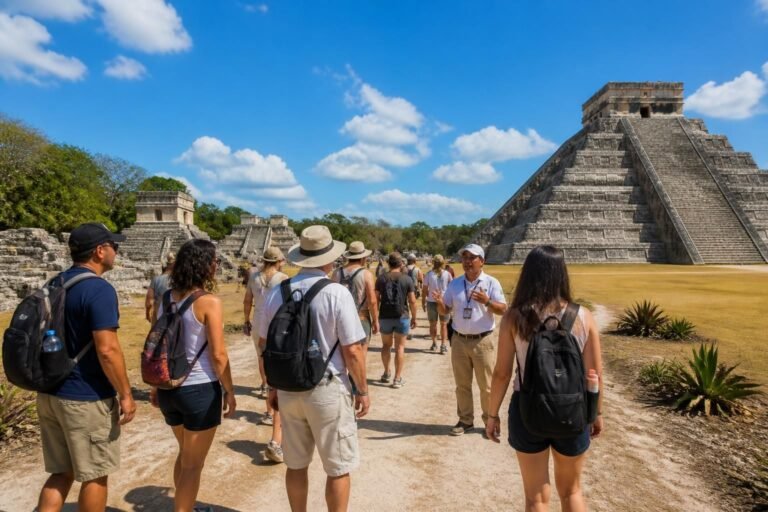
Visiting Chichen Itza, one of the New Seven Wonders of the World, offers a captivating glimpse into ancient Mayan civilization. However, the allure of this archaeological treasure is accompanied by the challenge of enduring its hot weather. Located in Mexico’s Yucatán Peninsula, this region is characterized by intense sunshine, high humidity, and temperatures that can soar, especially during peak daylight hours. Travelers must equip themselves with effective strategies to stay safe and stay cool while exploring this vast site to fully enjoy the experience without discomfort or health risks such as heat exhaustion. Ensuring proper sun protection, maintaining adequate hydration, and carefully selecting light clothing are essential components for a successful visit to Chichen Itza.
From choosing the right time for your tour to packing the essential items, this guide sheds light on practical tips that preserve comfort and safety. The archaeological zone has minimal shade, and the reflective stones can amplify exposure to sunlight, necessitating thorough preparation, including sunscreen application and appropriate headgear. Moreover, incorporating visits to nearby natural attractions like cenotes offers refreshing breaks from the heat. Mastering the art of balancing adventure with sensible precautions will transform your Chichen Itza experience into an enjoyable and memorable journey.
Below are critical points to remember:
- Wear breathable, moisture-wicking clothes in light colors to reflect sunlight.
- Always bring ample water to avoid dehydration.
- Use broad-spectrum sunscreen with high SPF to prevent sunburn.
- Wear comfortable, sturdy shoes suitable for uneven terrain.
- Plan your visit during cooler morning hours or late afternoons to avoid peak heat.
- Include protective accessories such as wide-brimmed hats and polarized sunglasses.
- Consider bringing a cooling neck gaiter and mosquito repellent for added comfort.
- Explore shaded areas periodically and be alert for signs of heat exhaustion.
Optimal Clothing Choices to Combat Chichen Itza’s Hot Weather
Appropriate attire is fundamental when navigating Chichen Itza’s extensive grounds under the blazing Yucatecan sun. The key is striking a balance between comfort, sun protection, and suitability to the environment. Lightweight, light-colored clothing made from natural fibers like cotton or linen greatly enhances breathability and moisture absorption, providing a cooling effect essential for prolonged outdoor activity.
For the upper body, loose-fitting, long-sleeved shirts designed with sun protection in mind offer the best defense against harmful UV rays, reducing the need for frequent sunscreen reapplication. Athletic wear made from moisture-wicking fabrics such as polyester or nylon also performs well by promoting sweat evaporation. Layering isn’t necessary given the heat but having a thin shawl to cover shoulders when resting in exposed areas or visiting sacred sites may improve sun safety and respect cultural norms.
Shoes play a surprisingly crucial role in comfort and safety. With multiple kilometers of stone paths and uneven terrain in the archaeological zone, closed-toe sandals with sturdy soles or lightweight hiking shoes are advisable. Flip-flops and open sandals risk slips or stubbed toes while walking or climbing low steps around the ruins.
Essential accessories that complement clothing include wide-brimmed hats, which shield the neck and ears better than baseball caps, and polarized sunglasses, invaluable for reducing glare from sun-heated stone surfaces. A cooling neck gaiter or bandana soaked in water can provide temporary relief by lowering body temperature during midday heat.
Inclusion of a well-packed backpack containing essentials—such as sunscreen, insect repellent, sufficient water, and snacks—prepares visitors not only for the heat but also for any unexpected delays or extended exploration.
Hydration Strategies to Prevent Heat Exhaustion at Chichen Itza
The demands of Chichen Itza’s hot weather extend beyond external protection; maintaining internal hydration is equally important to avoid heat exhaustion. Dehydration can escalate quickly in the Yucatán’s climate, with high humidity and relentless sunshine increasing sweat loss. Proper hydration practices significantly influence stamina, concentration, and overall well-being during site exploration.
Visitors are advised to carry at least 1.5 liters of water per person for a typical 3-4 hour tour around the ruins. Bottled water is available near the entrance, but prices can be elevated, and the lines may be long, so bringing one’s own supply is practical. Electrolyte-enhanced drinks or natural options like coconut water replace minerals lost through sweat, helping to sustain energy levels.
Regular sipping rather than gulping large quantities at once prevents stomach discomfort and promotes steady hydration. Ideally, drinking small amounts every 15-20 minutes during the hottest parts of the day helps prevent symptoms such as dizziness, headache, or fatigue.
Sometimes, hydration needs extend after the tour, especially if visitors opt for an additional cenote swim or further excursions in the area. In such cases, replenishing lost fluids alongside light, hydrating snacks such as fresh fruit or yogurt supports recovery.
Visitors should also be vigilant for warning signs of heat illness including excessive sweating, nausea, rapid heartbeat, or confusion. Immediate action—moving to shaded areas, cooling the body, and drinking fluids—is critical to prevent serious health issues.
Essential Sun Protection Measures Amidst the Yucatán Sun
Experiencing the sun-drenched marvels of Chichen Itza is unforgettable, yet the sun’s intensity demands comprehensive sun protection. The site’s sparse natural cover and reflective stonework amplify the risk of sunburn, making sunscreen application non-negotiable for visitors concerned about skin health and comfort.
Broad-spectrum sunscreens rated SPF 50+ offer robust protection against UVA and UVB rays. Applying sunscreen generously and at least 20 minutes before exposure ensures absorption and effectiveness. Reapplication is necessary approximately every two hours, or after heavy sweating or swimming, especially if planning on a cenote visit.
Besides sunscreen, physical barriers such as wide-brimmed hats and specialized UV-protective garments offer passive shielding from direct sun. Lightweight, long-sleeved tops and pants designed with UPF (Ultraviolet Protection Factor) fabric technology allow deeper shade coverage without contributing to heat retention.
Sunglasses with polarized lenses reduce eye strain and prevent long-term damage by filtering glare and blocking harmful rays. Special care should be given to protecting children and older visitors who tend to be more vulnerable to sun damage.
Strategic use of the limited shade available in certain areas along the tour route provides opportunities to rest and minimize continuous UV exposure. Walking in shaded pockets or taking brief breaks under the few scattered trees or constructed shelters can notably decrease cumulative sun impact throughout the day.
An often overlooked but practical tip involves avoiding peak sunlight hours from 11 AM to 3 PM, when UV radiation is at its highest. Early morning or late afternoon visits not only make temperature management easier but also enhance photographic conditions for capturing the white limestone temples against softer light.

Smart Itinerary Planning and Practical Tips for Managing Heat
Careful scheduling of the visit can dramatically improve comfort and safety when dealing with Chichen Itza’s hot weather. Tours that begin early in the morning, shortly after the site opens, offer cooler temperatures and smaller crowds. This timing enables exploring key landmarks such as the Kukulcán Pyramid and Temple of the Warriors with less risk of overheating.
Midday rest periods either onsite under artificial shade or offsite provide relief and a chance to enjoy local cuisine or brief cultural activities without exposure to the sun. Those interested in combining history with nature may schedule a swim in nearby cenotes during the afternoon, an excellent way to cool the body swiftly after walking.
Visitors should also be aware of the main site rules aimed at preservation and safety. For example, climbing the pyramid is prohibited to protect the structures and reduce accident risks in hot conditions. Bringing a small backpack to carry essentials such as water, snacks, sunscreen, a rain poncho during the sporadic rainy season, and cash for entrance fees or refreshments prepares travelers for unexpected needs.
| Item | Recommendation | Purpose |
|---|---|---|
| Comfortable Walking Shoes | Sturdy closed-toe sandals or lightweight trainers | Safe navigation on uneven stone paths |
| Wide-Brimmed Hat | Lightweight with UV protection | Shield face, neck, and shoulders from sun |
| Sunscreen SPF 50+ | Broad-spectrum, water-resistant | Prevent sunburn and UV damage |
| Water Bottles | At least 1.5 liters per person | Maintain hydration in hot weather |
| Light Clothing | Long-sleeved, breathable fabrics | Balance comfort and sun protection |
| Snack Items | Fruit, yogurt, sandwiches | Provide energy during the walk |
| Mosquito Repellent | Especially during rainy season | Prevent insect bites |
| Backpack | Enough to carry essentials | Keep hands free and carry items safely |
When after Chichen Itza, many travelers choose to explore nearby towns like Valladolid or dip in renowned cenotes such as Ik Kil. These additions round out the visit with pleasant breaks from the heat and immersive cultural experiences.
Outdoor archaeological sites demand respect but also practical planning to handle climatic extremes. Visitors equipped with proper knowledge and gear experience the magic of Chichen Itza with reduced risk and enhanced enjoyment.
What is the best time of day to visit Chichen Itza to avoid extreme heat?
The optimal time to visit Chichen Itza is early morning, shortly after the site opens. Temperatures are cooler and crowds are smaller, reducing the risk of heat exhaustion. Late afternoon visits are also more pleasant compared to midday heat.
What clothing is recommended to stay safe and cool from the sun at Chichen Itza?
Wearing lightweight, light-colored, and loose-fitting clothing made of breathable fabrics like cotton or linen is best. Additionally, long sleeves, wide-brimmed hats, and sunglasses provide excellent sun protection.
How much water should a visitor bring when touring Chichen Itza?
It is advisable to carry at least 1.5 liters of water per person for a typical visit to keep adequately hydrated and prevent heat-related illnesses.
Are there shaded areas available at Chichen Itza to rest and cool down?
Shade is limited at the site, but visitors can find small shaded spots or constructed shelters. Planning regular breaks in these areas helps manage exposure to intense sun.
Can visitors swim in cenotes after visiting Chichen Itza to cool off?
Yes, visiting nearby cenotes is highly recommended and provides an excellent way to cool off after exploring Chichen Itza’s hot weather. Visitors should bring swimwear, towels, sandals, and cash for entrance fees.