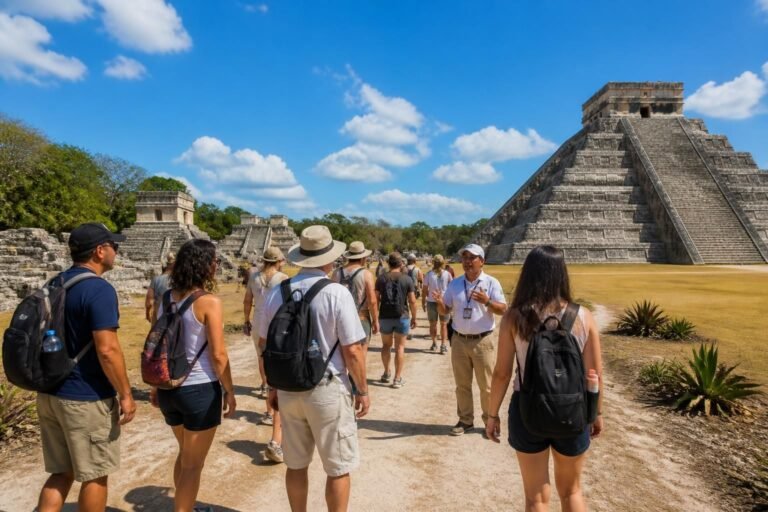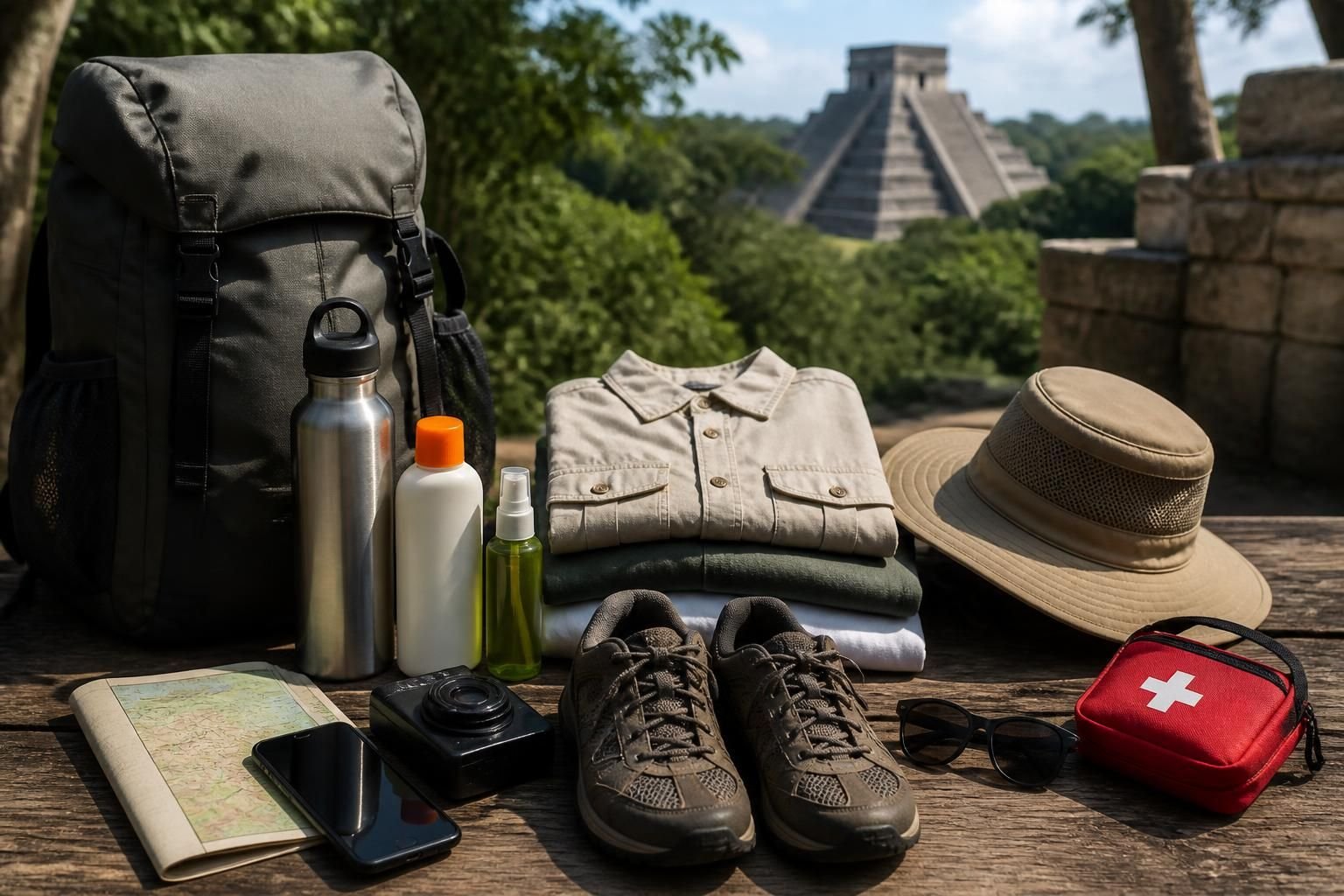

Embarking on a Chichen Itza tour promises an unforgettable encounter with ancient Mayan wonders nestled in the heart of Mexico’s Yucatán Peninsula. However, to ensure this adventure unfolds smoothly, careful attention to packing is paramount. The expansive archaeological site lies under the tropical sun with very little shade, demanding thoughtful preparation to tackle heat, uneven terrain, and potential detours to nearby natural wonders like cenotes. Equipping oneself with the right travel gear, including the essentials for hydration, sun protection, and comfort, forms the backbone of a worry-free excursion, allowing visitors to immerse fully in the majesty of this UNESCO World Heritage site.
Given the sprawling nature of the ruins and the region’s subtropical climate, visitors often underestimate the importance of an optimized packing list. The key is balancing lightweight, breathable clothing with sturdy and comfortable footwear, complemented by sun safety gear. Moreover, adding items tailored for up-close encounters with both the ruins and surrounding attractions can elevate the trip experience. From personal water bottles to quality cameras, every item plays a crucial role in the adventure’s success. Delving into expert recommendations unveils indispensable advice that goes far beyond basic preparedness, lighting the way for travelers looking to explore Chichen Itza’s cultural richness without discomfort or interruption.
Sun-drenched mornings and humid afternoons shape the rhythm of a typical day here, making timing and packing choices essential. Pairing the tour with a visit to a nearby cenote, such as the famous Ik Kil, adds opportunities for refreshing swims but also necessitates specific swimwear and eco-conscious sun protection. Navigating local vendors and the ticketed entry also means carrying appropriate cash and snacks to remain energized throughout long walks. Ultimately, a well-crafted packing list tailored for the nuances of a Chichen Itza tour can transform a demanding day into a smooth and memorable adventure.
Explore detailed packing strategies and tips, curated by travel experts who specialize in Chichen Itza tours and understand the subtle challenges posed by this iconic site. This guide clarifies what to bring and what to leave behind, focusing on essentials that enhance safety, comfort, and convenience. From sun hats to insect repellent and from portable chargers to quick-dry towels, the following sections highlight everything travelers need to prepare before stepping back in time at one of Mexico’s most treasured archaeological locations.
Essential Clothing and Footwear for Comfort and Sun Protection on Your Chichen Itza Tour
Encountering Chichen Itza’s expansive ruins calls for attire that balances breathability, sun shielding, and ease of movement. The Yucatán Peninsula’s climate is characteristically warm, often soaring from 32°C to 36°C (90°F to 97°F) by midday, paired with high humidity and unrelenting sun exposure. Clothing choices need to reflect this to avoid heat exhaustion and discomfort over the several kilometers of walking across rough limestone paths. Light, loose-fitting garments made of natural fibers such as cotton and linen are ideal as they promote airflow and wick away moisture, preventing overheating.
For tops, lightweight button-down shirts or long-sleeve moisture-wicking apparel offer superior sun protection compared to typical short-sleeve T-shirts, especially when paired with a wide-brim hat that shields face, neck, and ears—a critical but often overlooked detail. Long sleeves made of thin fabrics reduce the risk of sunburn far better than relying solely on sunscreen, which needs frequent reapplication. Light-colored clothing further assists by reflecting solar rays rather than absorbing them.
Bottoms should be equally considerate of the environment. Abandoning heavy denim or synthetic materials that trap heat is essential. Instead, opt for cotton shorts, loose skirts, or breathable linen pants that allow for air circulation and dry quickly if encountering unexpected rain showers. The colors worn also matter; pastel tones and whites significantly reduce heat absorption, unlike darker fabrics that cause additional warmth.
Footwear is another indispensable consideration that can’t be compromised. The vast site covers approximately 5 square kilometers characterized by uneven limestone walkways and occasional grassy patches. Closed-toe shoes like hiking sneakers or sturdy trainers protect feet from jagged stones, dust, and surprise insect encounters. While some favor sport sandals with thick soles and ankle support, these are only suitable for those accustomed to extensive walking in such footwear. Avoid flip-flops entirely—they offer no protection and lead to sore, blistered feet quickly. Also, don’t wear brand-new shoes; blisters from unbroken-in footwear can dampen the entire experience. Many travelers make this mistake every year, which can be easily avoided by preparing properly.
A light long-sleeve cardigan or jacket may come in handy, especially for early departure tours that start when the morning is cooler and before the sun fully warms the day. This extra layer helps withstand the cold blast of air conditioning on tour buses, an often overlooked factor when planning what to wear.
Practical Examples of Ideal Chichen Itza Walking Outfits
- Lightweight, cotton long-sleeve shirt paired with breathable linen pants and durable hiking shoes.
- Moisture-wicking sports top combined with shorts and a wide-brim straw hat, plus UV arm sleeves for added sun defense.
- Casual dress with a sun-protective cardigan and sport sandals for visitors accustomed to extensive walking in sandals.
By selecting clothing and shoes that prioritize both comfort and sun protection, tourists ensure their day is marked by discovery rather than fatigue or sunburn. For comprehensive insights on what to wear and how to prepare, readers can consult detailed recommendations from local experts at this packing guide.
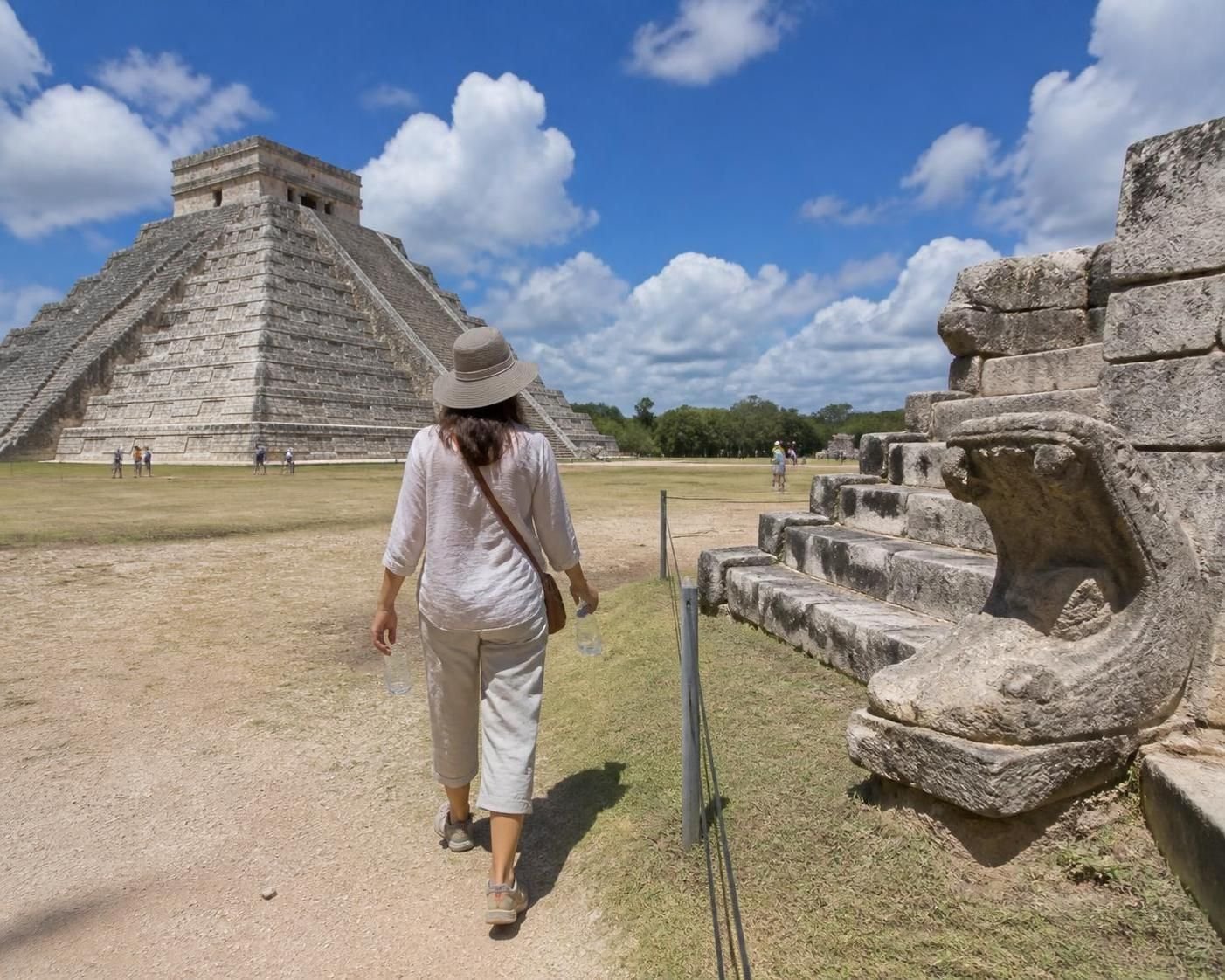
Hydration, Sun Protection, and Accessories: Vital Travel Gear for a Day Exploring Chichen Itza
One of the most critical aspects of packing for a Chichen Itza adventure is adequate preparation against the intense sun and potential dehydration. Visitors must carry no less than 1.5 liters of water per person, recognizing that the tropical heat rapidly depletes hydration, especially during extensive walking tours. Water is available for purchase in the nearby town of Pisté, yet bringing a reusable water bottle helps reduce stop times and waste, ensuring continuous refreshment on site.
Sun care must extend beyond clothing. SPF 50+ broad-spectrum sunscreen is essential, ideally applied at least 30 minutes before arriving and reapplied every two hours to combat sweat and humidity. Special attention should be given to commonly missed areas such as the ears, neck, and tops of feet. Visitors interested in combining the ruins tour with a swim in a cenote should opt for biodegradable sunscreen, which protects the delicate ecosystem of these natural pools.
A wide-brim hat surpasses the utility of a baseball cap by providing more comprehensive shade coverage. Additionally, high-quality polarized sunglasses with UV400 protection reduce glare caused by bright sunlight reflecting off pale limestone surfaces, significantly easing eye strain. A strap for the sunglasses is a smart accessory to prevent inadvertent drops while capturing photos or changing lenses.
Insect repellent is another vital component to include, particularly for shaded or jungle-adjacent areas near cenotes, where mosquitoes tend to gather. A DEET-based or picaridin-based repel is most effective, and carrying travel-sized wipes or tissues allows visitors to refresh hands and faces, especially before meals.
Other thoughtful accessories enhance comfort and convenience during the day. Portable phone chargers or power banks ensure that cameras and phones remain operational for capturing the site’s allure without worries about battery drain. Compact snack items like energy bars or nuts help maintain stamina on longer tours, considering food options inside the archaeological zone are limited to a cafeteria at the entrance.
| Essential Item | Purpose | Recommended Details |
|---|---|---|
| Water Bottle | Hydration during long walks | Reusable, at least 1.5 L capacity |
| Sunscreen | Sun protection | SPF 50+ broad-spectrum, reef-safe for cenotes |
| Wide-Brim Hat | Shade for face and neck | Straw or nylon material preferred |
| Sunglasses | UV protection and glare reduction | Polarized lenses with UV400 rating |
| Insect Repellent | Mosquito and insect deterrent | DEET or picaridin-based |
| Portable Charger | Power for camera/phone | Lightweight with high capacity |
| Snacks | Energy during the tour | Non-perishable, compact items |
For in-depth advice on managing comfort and safety amidst Chichen Itza’s relentless climate, travelers may explore expert tips on sun protection strategies that prove indispensable for 2026 excursions.
Smart Packing for Cenote Adventures Paired with a Chichen Itza Tour
Combining a visit to Chichen Itza with a refreshing swim in one of the region’s famous cenotes amplifies the day trip experience, adding a natural dimension to the archaeological and cultural immersion. However, this integration demands specific packing essentials to navigate the shift seamlessly between exploring ruins and plunging into crystal-clear pools.
A swimsuit is fundamental and ideally should be worn under tour clothes to minimize delays at changing facilities. Rapid-dry fabric suits are preferred for their ability to shed moisture quickly post-swim. With environmental preservation as a priority, sunscreen applied before entering cenotes must be biodegradable or reef-safe, as traditional sunblock contains chemicals harmful to these fragile ecosystems. This requirement is strictly enforced across most cenotes associated with Chichen Itza tours.
A compact microfibre towel is also recommended, favored for its light weight and quick drying compared to bulky beach towels. Packing a waterproof or dry bag is a wise strategy to keep wet swimwear and towels separate from dry items, especially if the itinerary continues onward after the cenote visit.
For foot safety, water shoes or sturdy open sandals can provide grip on slippery limestone steps inside the cenotes, although many visitors prefer to swim barefoot cautiously. Ensuring these accessories are included avoids unexpected discomfort or injury, contributing to a carefree exploration of caves and cenote waters.
Adding these items to the Chichen Itza packing list aligns with local guidance and environmental regulations, promoting responsible tourism and enhancing guest experience. For visitors eager to explore the best cenotes around Valladolid, expert-curated recaps such as this cenote guide provide valuable insights and gear suggestions tailored to each site’s unique conditions.
How to Pack Light but Effectively for Your Chichen Itza Adventure
Striking the perfect balance between preparedness and avoiding overpacking is essential for a smooth and enjoyable Chichen Itza tour. Given that visitors generally carry their bags throughout the day over rugged terrain, limiting baggage weight is a practical priority. This involves selecting multi-purpose items and leaving bulky or restricted goods behind.
Large backpacks are discouraged by site regulations and often require checking at security, which can be inconvenient. Instead, small daypacks, crossbody bags, or belts that carry essentials provide easy access and reduce fatigue. Organizing items in pouches or packing cubes can streamline retrieval during stops or when transitioning between venue locations, especially for those combining ruins exploration with cenote swimming or visiting nearby towns.
Tech and personal care items should be kept minimal yet functional. A single camera or phone with ample storage and a portable battery charger typically suffices to capture the rich visual tapestry without the burden of additional lenses or heavy equipment. Similarly, compact first-aid supplies like blister plasters, lip balm with SPF, and a small cash pouch separate from the wallet can prove invaluable without adding unnecessary weight.
Equally important is respecting local guidelines by avoiding prohibited items such as drones, tripods, full meals, and glass bottles. Observing these regulations not only smooths entry and passage through checkpoints but also honors site preservation efforts. Planning ahead accordingly ensures visitors can focus entirely on the adventure without unexpected delays or disallowed confiscations.
This strategically pared-down packing list equips travelers to move swiftly and comfortably, with items essential for dealing with heat, sun, terrain, and on-the-go needs. For a detailed, fully personalized packing checklist adapted for Riviera Maya visits and Chichen Itza specifically, readers can visit this comprehensive packing guide.
Cash Management, Tickets, and On-Site Essentials for Seamless Entry and Convenience
Handling logistics like entrance fees, vendor purchases, and ticket processes smoothly hinges on preparing with enough cash in Mexican Pesos. The current entry ticket to Chichen Itza hovers around 697 MXN, and additional spending may include parking fees or souvenirs from nearby vendors. Although some ticket counters accept cards, cash speeds up transactions, avoids queuing delays, and prevents disruption during hectic peak visiting times.
Arriving early, ideally at the site opening time of 8 AM, helps avoid the midday heat spike and congestion. Cash readiness complements this strategy, allowing a faster transition through guard posts and entrance gates. Carrying small denominations expedites quick payments and tipping if hiring guided tours or for local assistance throughout the day.
Visitors should also keep handy a camera or phone fully charged and prepared for the expected flood of captivating photographs. Chichen Itza offers limitless scenes worthy of capture, so a portable battery pack is a travel essential to keep devices alive through the day. Consider keeping ticket stubs, maps, and any booking confirmations in an easily accessible section of the day bag for instant retrieval by guides or officials.
Navigating through simple necessities smartly transforms the visit from a logistical challenge into a smooth, enjoyable cultural immersion. These practical arrangements allow tourists to concentrate on soaking in the rich history and stunning architecture of one of the world’s greatest archaeological treasures.
What are the must-have items for a Chichen Itza tour?
Essentials include a wide-brim hat, SPF 50+ sunscreen, comfortable closed-toe walking shoes, at least 1.5 L water bottle, reusable snacks, mosquito repellent, and if visiting a cenote, a swimsuit with biodegradable sunscreen.
Is it better to wear long sleeves and pants at Chichen Itza?
Yes, lightweight long sleeves and pants protect better against the strong sun, reduce the need for frequent sunscreen reapplication, and help prevent sunburn while remaining breathable.
Can I use regular sunscreen in cenotes?
No, only biodegradable or reef-safe sunscreens are permitted in cenotes to protect the delicate ecosystems and follow environmental regulations.
Should I bring a large backpack on my Chichen Itza tour?
Large backpacks are discouraged by site regulations and often must be checked at security. It is advisable to carry a small daypack or crossbody bag that is light and easy to manage.
Are there restrictions on photography equipment at Chichen Itza?
Tripods are banned without special permits, and drones are prohibited. Visitors should rely on handheld cameras and phones to capture their experience.