
Playa del Carmen stands as one of the Riviera Maya’s most sought-after destinations for expats and families craving a blend of vibrant culture, coastal beauty, and practical living amenities. As the city evolves, so does the expat community’s understanding of where truly livable neighborhoods lie—beyond the tourist-centric zones and glossy brochures. While areas like Centro attract visitors with their bustling energy, many long-term residents opt for neighborhoods that harmonize affordability, safety, and proximity to essential services. From gated luxury enclaves to authentic local quarters, the diverse tapestry of Playa del Carmen’s neighborhoods offers various lifestyle options suited to different expectations and priorities.
The balance between affordability and quality of life defines the city’s best neighborhoods. Families prioritize proximity to reputable schools, parks, and healthcare centers, while expats often seek good internet connectivity, community hubs, and safety. Noise levels, walkability, and accessibility to amenities also factor heavily into living choices. For families relocating, the availability of bilingual schools and family-friendly environments shape neighborhood preferences. Meanwhile, digital nomads gravitate towards hubs with coworking spaces and social vibrancy. Understanding these nuances is critical when choosing a home in Playa del Carmen.
In Brief:
- Playa del Carmen features neighborhoods offering a range of prices, safety levels, and lifestyles, crucial for expats and families to consider.
- Playacar provides upscale gated living with excellent safety and family-friendly amenities but comes at a higher price point.
- Colosio stands out as an affordable, authentic Mexican neighborhood popular with budget expats and families seeking larger living spaces.
- Centro offers vibrant urban living with proximity to nightlife and restaurants but with noise and higher rents.
- The city’s safety landscape is nuanced; micro-location matters significantly in avoiding petty crime while enjoying community life.
- Proximity to quality schools, healthcare, and cultural integration opportunities figure prominently in neighborhood choices for families.
- Costs such as internet reliability and hidden living expenses impact the overall experience in Playa del Carmen.
- Relocation success is often linked to realistic budgeting, local connections, and neighborhood fit rather than chasing tourist hotspots.
Exploring Playa del Carmen’s Neighborhoods: Where Expats and Families Thrive
Playa del Carmen offers a rich palette of neighborhoods catering to various expat and family needs, each with distinctive characteristics. The bustling Centro remains the city’s heartbeat, with easy access to the famous Fifth Avenue, countless dining options, and an active nightlife. However, for expats and families looking to settle down, Centro’s high rent—averaging around €2,238/month—and busy streets create challenges in terms of affordability and tranquility. Apartments here tend to be smaller and often lack parking, making it less ideal for families with vehicles.
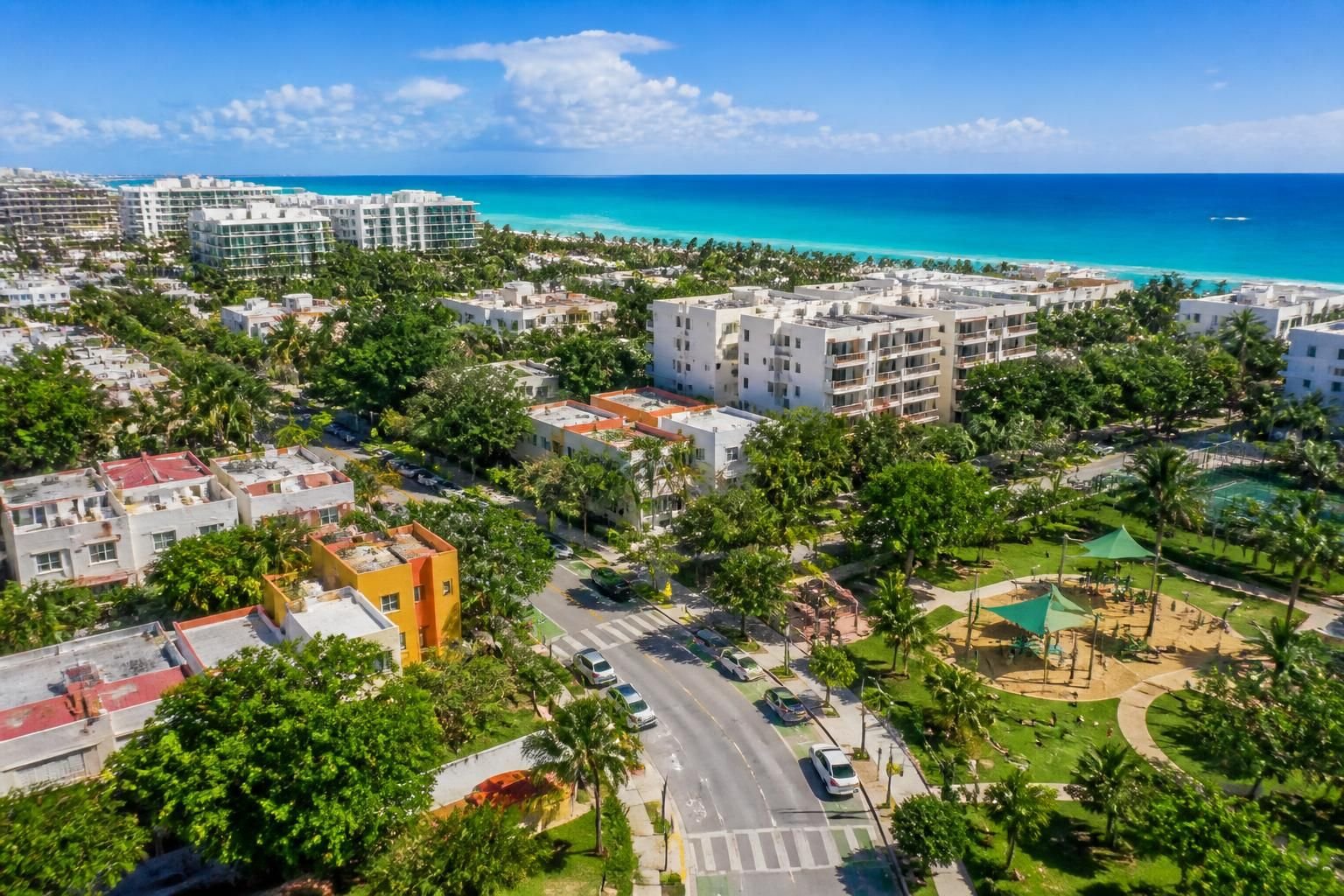
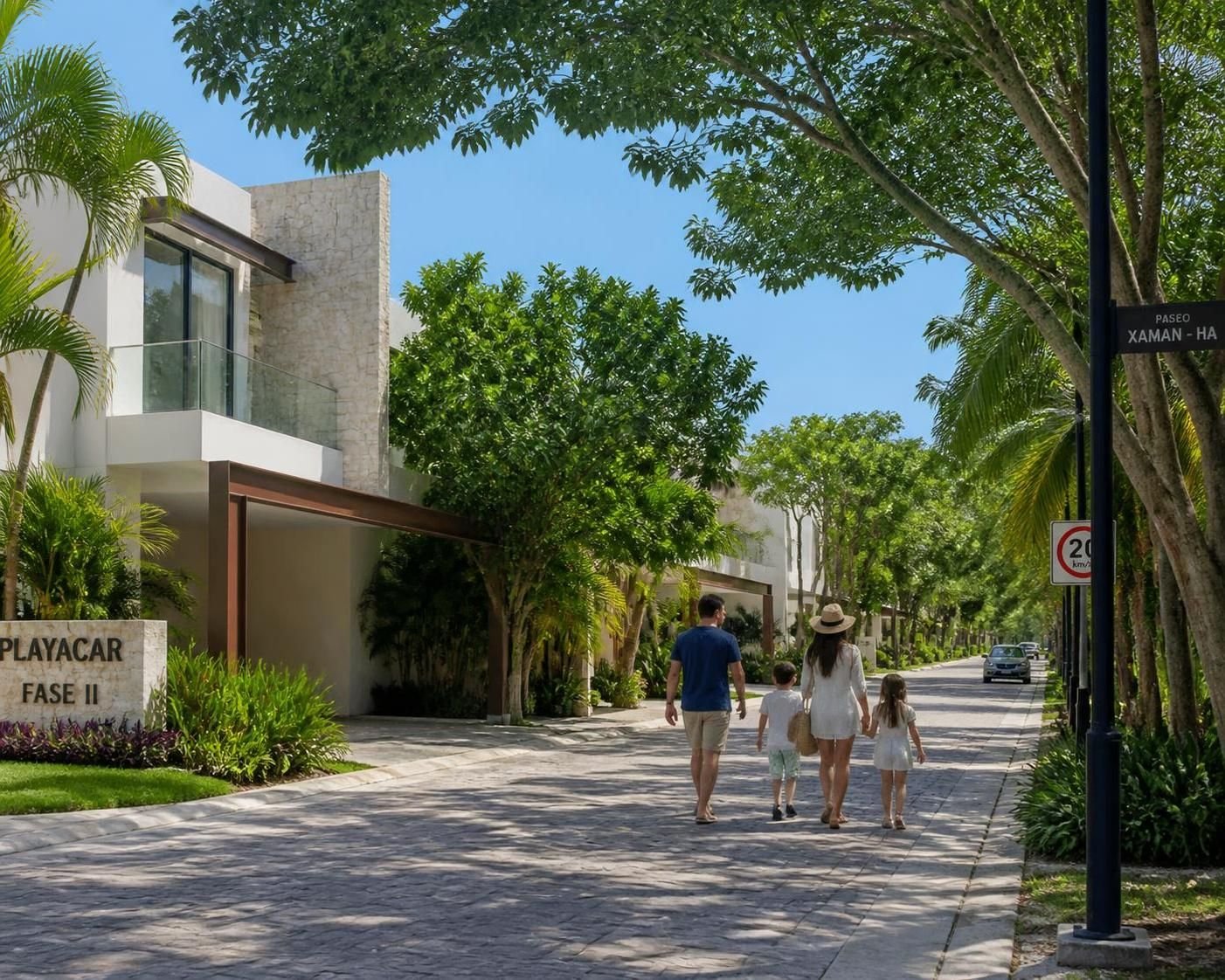
In contrast, Playacar offers a gated community experience synonymous with security and luxury. Its manicured golf courses, low noise levels, and extensive green spaces contribute to a serene environment favored by retirees and families. With rental options ranging from €1,500 to over €4,000/month, Playacar reflects a commitment to quality living, with access to top-tier schools such as Colegio Madison and proximity to private healthcare facilities like Hospital Galenia. The downsides include limited nightlife and less walkability; residents often rely on taxis, with typical rides to Centro costing €5 to €10.
Colosio emerges as a budget-friendly alternative offering authentic Mexican culture. Dominated by local markets and traditional eateries, it allows long-term renters to enjoy larger homes with yards for approximately 40% less rent than Centro. While the safety rating is slightly lower and the infrastructure older, police presence is robust, and community ties strong. Families benefit from affordable housing and access to key local groceries and public services. It’s also a hotspot for expats learning Spanish and preferring immersion in the local lifestyle, with schools like IMAC offering affordable language classes. Internet speeds here average 25–35 Mbps, somewhat slower than the city center but sufficient for most needs.
Emerging neighborhoods like Gonzalo Guerrero showcase upwardly mobile vibes with a blend of young professionals and digital nomads. The rental market here ranges between €700 and €1,500/month with improved safety at 70/100. The area features trendy cafes, coworking spaces like Selina, and a growing number of expat-owned businesses. Its walkability and modern housing make it attractive for those who want proximity to Centro’s amenities without the constant noise. This neighborhood is ideal for social expats and families open to a mix of cultural influences and who appreciate the convenience of urban living with quieter streets.
Families relocating to Playa del Carmen must also consider schooling options, which heavily influence neighborhood choices. Playacar offers bilingual and international schools with fees ranging from €4,000 to €6,000 per year. In other areas, such as Colosio and Gonzalo Guerrero, affordable language schools support integration and educational continuity for children. The proximity to healthcare facilities, including private and public clinics, rounds out essential considerations for families deciding on the best neighborhood.
Safety and Community: The Realities of Living in Playa del Carmen
Safety perceptions strongly influence expat and family decisions in Playa del Carmen. The city’s overall safety score stands around 60/100, but this average conceals significant variation across neighborhoods. Playacar enjoys one of the highest safety ratings, supported by gated security, family-friendly design, and well-lit public spaces. Residents regularly leave bikes unlocked and children play outside well into the evening, reflecting a low incidence of street crime. Police patrols and private security in this area contribute to the peace of mind cherished by families.
Centro, despite its vibrant atmosphere, faces challenges related to petty theft, especially in tourist-heavy zones, making vigilance necessary for residents. Noise pollution can deter families seeking calm environments, although the urban density suits young expats and short-term visitors. Colosio presents a mixed picture; while petty theft occurrences are higher than in Playacar, increased police presence and a strong local community work to maintain order. Expats embedded within the community often cite the neighborhood’s welcoming nature and reciprocal support among residents as a crucial safety buffer.
The nuanced situation means residents must think beyond broad safety narratives. Avoiding high-risk peripheral areas near the highway and late-night bars in Centro significantly reduces exposure to violent crime incidents. The micro-locational aspect of safety extends to lifestyle decisions: choosing daytime community markets over nighttime outings, using local taxis or rideshare apps like Didi instead of walking alone after dark, and building relationships with neighbors to foster a neighborhood watch culture.
This careful approach to safety, combined with community immersion, helps expats experience the city beyond its tourist façade, finding safe havens that provide peace of mind and a sense of belonging. The strong expat and local networks contribute to social events, shared childcare arrangements, and community projects, helping newcomers adapt quickly and comfortably.
Cost of Living and Amenities: Balancing Budget and Comfort in Playa del Carmen
Understanding the cost of living in Playa del Carmen is essential to successful relocation for expats and families. While the city offers an appealing balance compared to other coastal Mexican cities, specific neighborhood choices radically affect monthly budgets. Rent is typically the biggest expense, with Centro demanding the highest prices, where studios start at €600 and go up to €1,800 for a two-bedroom apartment. Alternatively, Colosio offers more affordable rent, with studios between €400 and €600, often including larger spaces and yards.
Beyond rent, expats should plan for variable expenses including groceries, dining, healthcare, and utilities. Local markets like Mercado 28 provide affordable fresh produce and meals averaging €2–€5, a budget-friendly choice embraced widely in Colosio and similar neighborhoods. Dining at mid-range restaurants costs between €8 and €15 per meal in Centro or Playacar, with many expats enjoying options for casual local taco stands offering great taste without high costs. Referencing trustworthy local guides such as where to eat cheap in Playa del Carmen without sacrificing flavor can help newcomers find authentic and economical dining spots, enhancing their living experience.
Utilities, including electricity which spikes during the hot months due to air conditioning, can add €75–€100 monthly. Internet is a critical amenity; while Centro and Gonzalo Guerrero offer speeds around 40–70 Mbps, Colosio may experience slightly slower connections at 25–35 Mbps. Many expats opt to pay for coworking spaces with reliable high-speed internet, such as Bunker or Nest, costing roughly €100–€150 per month, supporting remote work effectively.
Transportation costs fluctuate based on lifestyle. Relying on colectivos (shared vans) and occasional Uber or taxis keeps expenses low at around €100/month versus owning a scooter or car, which involves higher upfront costs and maintenance. For families, proximity to amenities often reduces transportation needs, emphasizing the importance of neighborhood choice in controlling overall expenses.
| Expense | Average Monthly Cost (EUR) | Notes |
|---|---|---|
| Rent (1BR, Centro) | €900–€1,500 | Depends on apartment size and location |
| Rent (1BR, Colosio) | €400–€800 | More spacious, sometimes with yard |
| Groceries | €205 | Mostly local markets; increases with imported goods |
| Eating Out | €200–€450 | Mix of street food and mid-range restaurants |
| Transportation | €50–€100 | Colectivos, taxis, occasional Uber |
| Utilities (Electricity, Water, Internet) | €90–€100 | Electricity cost spikes during hot/humid months |
| Healthcare (Basic Insurance) | €50–€150 | Public and private options available |
| Coworking Space (Optional) | €100–€180 | Depends on facility and duration |
Relocation Tips: Navigating the Move to Playa del Carmen for Expats and Families
Relocating to Playa del Carmen requires strategic planning to navigate both anticipated and hidden challenges. Initial housing searches should ideally bypass the popular Centro and focus instead on neighborhoods like Colosio and Gonzalo Guerrero, where long-term rentals are affordable and authentic living thrives. Trusted online platforms such as Inmuebles24 and Vivanuncios facilitate safer property searches; however, in-person visits combined with document verification such as landlord electricity bills can prevent rental scams.
On arrival, securing a reliable Mexican SIM card—preferably Telcel—and apps like Didi (Mexico’s equivalent to Uber) and Rappi (food and grocery delivery) enhances convenience and local integration early on. Monthly expenses can be optimized by shopping at local grocers rather than international chains like Walmart. Participating in community groups online (e.g., “Playa del Carmen Expats & Locals”) and local sports leagues fosters meaningful social connections, essential for mental well-being and cultural assimilation.
Families should prioritize neighborhoods with reputable schools and accessible healthcare services. Playacar’s bilingual schools and proximity to sensitive healthcare institutions make it a standout, but those on tighter budgets find satisfaction in community-driven schooling in Colosio and Gonzalo Guerrero. The adaptability to local rhythms, including embracing “mañana” culture and local social customs, smoothens the transition considerably.
Prospective residents are advised to budget carefully for upfront costs, including agency fees, security deposits, and document translations. Equally important is preparing for seasonal realities such as hot weather and potential flooding during rainy seasons. Expats often find investing in air conditioning, hurricane preparation, and local transportation means like scooters critical for comfort and safety. Learning Spanish basics also pays dividends in building local trust and friendships.
Further insights and detailed guides on relocating smoothly can be found in resources covering living in Playa del Carmen as an expat and practical health measures in Mexico.
Community Life and Amenities Shaping the Expat and Family Experience
What defines the quality of life for expats and families in Playa del Carmen extends beyond housing to community and amenities. Neighborhoods like Playacar offer gated, amenity-rich environments with golf courses, parks, and cultural events tailored to mature expat populations and families. Their access to private healthcare, quality schooling, and calm surroundings provide reassurance along with convenience.
More local and budget-conscious neighborhoods like Colosio thrive on authentic Mexican culture, featuring lively markets, street food vendors, and a fabric of community relations that make newcomers feel connected quickly. Social spaces such as cafes and language schools double as integration points where expats practice Spanish and bond over shared experiences. The growing presence of coworking venues in Gonzalo Guerrero further caters to younger expats and professionals seeking social cohesion alongside productivity.
Many expats highlight the importance of walkability, which significantly impacts everyday life. While Centro scores high for pedestrian access, it is plagued by noise and crowds; Playacar offers peace but limited strolling options; 38th Street and Gonzalo Guerrero strike a middle ground where both amenities and walkability coexist affordably. Practical access to supermarkets, healthcare clinics, schools, and parks is a top priority for families, making these neighborhoods stand out.
Social integration is supported by numerous community groups, cultural festivals, and expat meetups that help newcomers forge friendships and support networks. The dynamic balance between authentic local culture and international presence creates a rich living environment, appreciated by those seeking more than just a picturesque setting. For more on enjoying local tastes and experiences, guides like discover the best local food tour in Playa del Carmen connect residents with the city’s culinary traditions and emerging scenes.
Which neighborhood is safest for families in Playa del Carmen?
Playacar is widely regarded as the safest neighborhood due to its gated community setup, low crime rates, and family-focused amenities including excellent schools and nearby healthcare facilities.
Where can expats find affordable housing with good community vibes?
Colosio offers affordable housing with larger living spaces, a strong community atmosphere, and proximity to authentic local markets and services, making it a top choice for long-term expats.
Is it necessary to have a car in Playa del Carmen?
While having a vehicle can provide convenience, many expats and families manage without one due to Playa’s walkability, availability of colectivos, and affordable rideshare services like Didi.
What are important considerations for families moving to Playa del Carmen?
Families should focus on neighborhoods with quality bilingual schools, safe environments, access to healthcare, and amenities like parks, while also considering cost of living and community integration opportunities.
How can newcomers avoid rental scams in Playa del Carmen?
To avoid scams, it’s critical to use trusted rental websites, visit properties in person, confirm ownership with landlord bills, and avoid quick decisions based on online listings without verification.