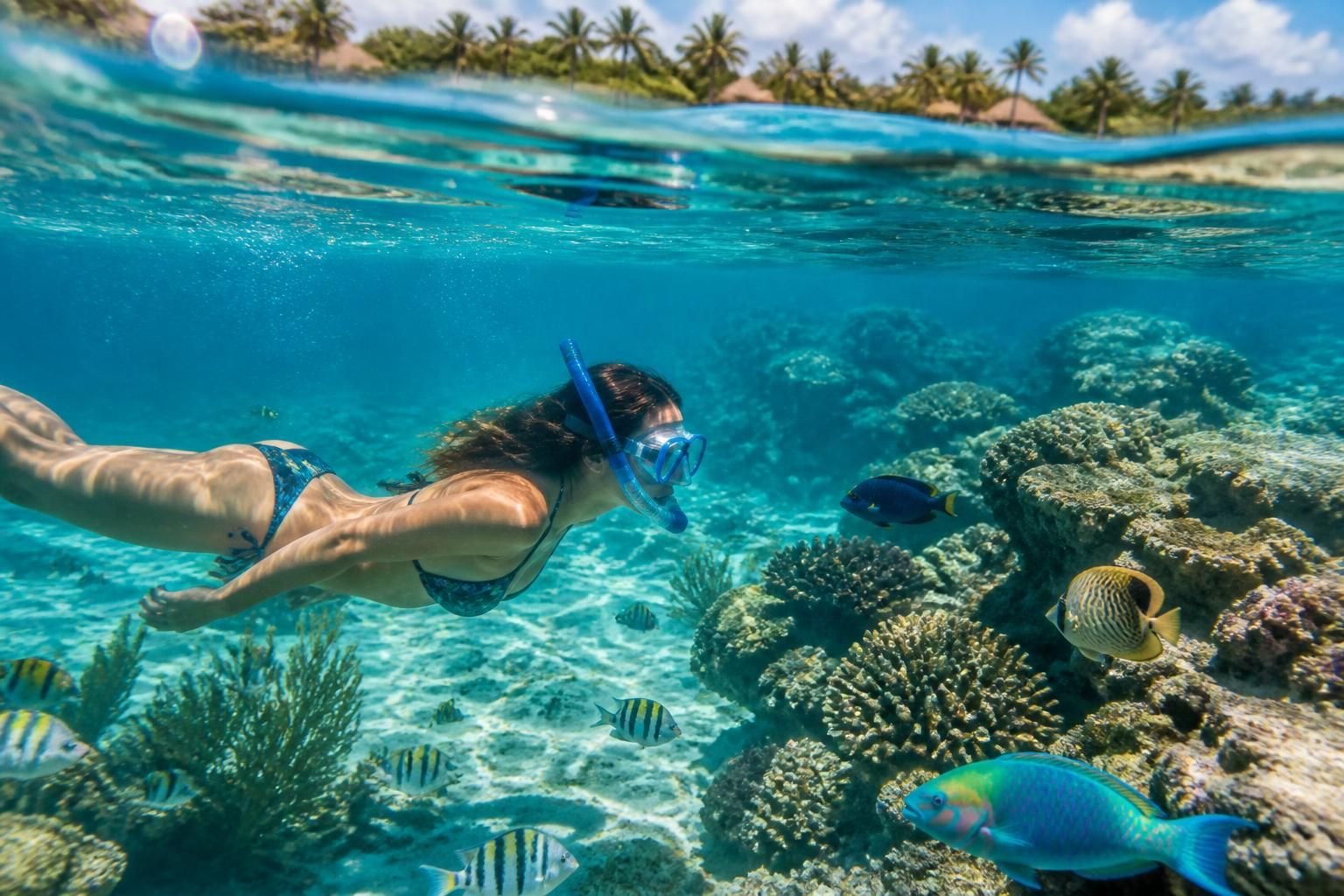

The Riviera Maya emerges as a prime destination for snorkeling enthusiasts, offering an eclectic blend of crystal clear waters, thriving coral reefs, and a vibrant spectrum of marine life. From tranquil lagoons to mysterious cenotes and protected marine parks, this coastal region in Mexico invites travelers to immerse themselves in a kaleidoscopic underwater adventure. The diversity of snorkeling spots ensures that everyone, from beginners seeking calm, shallow waters to seasoned adventurers eager for complex reef systems, finds an ideal setting for their aquatic exploration. A journey through the Riviera Maya’s best snorkeling locations reveals not only biological richness but also opportunities to engage with its unique ecotourism initiatives, preserving marine ecosystems while offering unforgettable experiences.
Brief:
- The Riviera Maya offers a wide array of snorkeling sites, including marine parks, coral reefs, cenotes, and lagoons, each with unique ecosystems.
- Top snorkeling locations include Puerto Morelos Marine Park, Yal Ku Lagoon, Akumal Beach, and the reefs around Cozumel.
- Clear waters and thriving coral reefs support diverse tropical fish and marine animals such as sea turtles and rays.
- Cenotes such as Dos Ojos and Chikin-Ha provide surreal freshwater snorkeling experiences with ancient rock formations.
- Ecotourism and guided tours enhance safety and environmental conservation.
- Essential tips include checking weather conditions, using quality gear, and respecting marine life to ensure a responsible and fulfilling adventure.
Top Snorkeling Spots in the Riviera Maya: Exploring Vibrant Coral Reefs and Marine Parks
Among the most celebrated snorkeling areas in the Riviera Maya is the Puerto Morelos Marine Park, part of the extensive Mesoamerican Barrier Reef System, the second-largest coral reef globally. This protected marine park is distinguished by its exceptionally well-preserved coral formations and abundant marine species, including colorful tropical fish, sea turtles, and graceful stingrays. The relatively calm and clear waters make it accessible for snorkelers of all levels. Local marine guides provide invaluable insights about reef ecology, ensuring visitors not only enjoy the sights but also understand the importance of preservation in this vibrant ecosystem. Guided tours typically include snorkel gear and transportation, making this an excellent starting point for first-time visitors.
Not far from here, Yal Ku Lagoon stands out for its fascinating mix of salt and freshwater, creating a unique underwater environment that nurtures diverse species like parrotfish and angelfish. The lagoon’s shallow depths and gentle currents present an inviting setting for both novices and experienced snorkelers. The interplay of rocky outcrops and submerged tree roots fosters an otherworldly underwater landscape. Yal Ku’s reputation as a safe and scenic location is bolstered by strict conservation practices and well-maintained visitor facilities, ensuring a sustainable interaction with nature.
Akumal Beach offers a remarkable chance to swim alongside wild sea turtles in their natural habitat. Its name, meaning “Place of the Turtles,” reflects the area’s ecological significance. The clear waters reveal thriving seagrass beds that sustain the turtles, while surrounding coral gardens host diverse fish and rays. Unlike more crowded snorkeling sites, Akumal maintains a peaceful ambiance, especially during early morning hours when visitors experience intimate encounters with marine creatures. Responsible snorkeling is strongly encouraged here to avoid disturbing the delicate balance between wildlife and humans.
These snorkeling hotspots in the Riviera Maya collectively showcase the region’s dedication to marine conservation and ecotourism. By opting for guided excursions, travelers support local efforts to protect these underwater treasures, contributing to the longevity of one of the Caribbean’s most splendid aquatic environments.
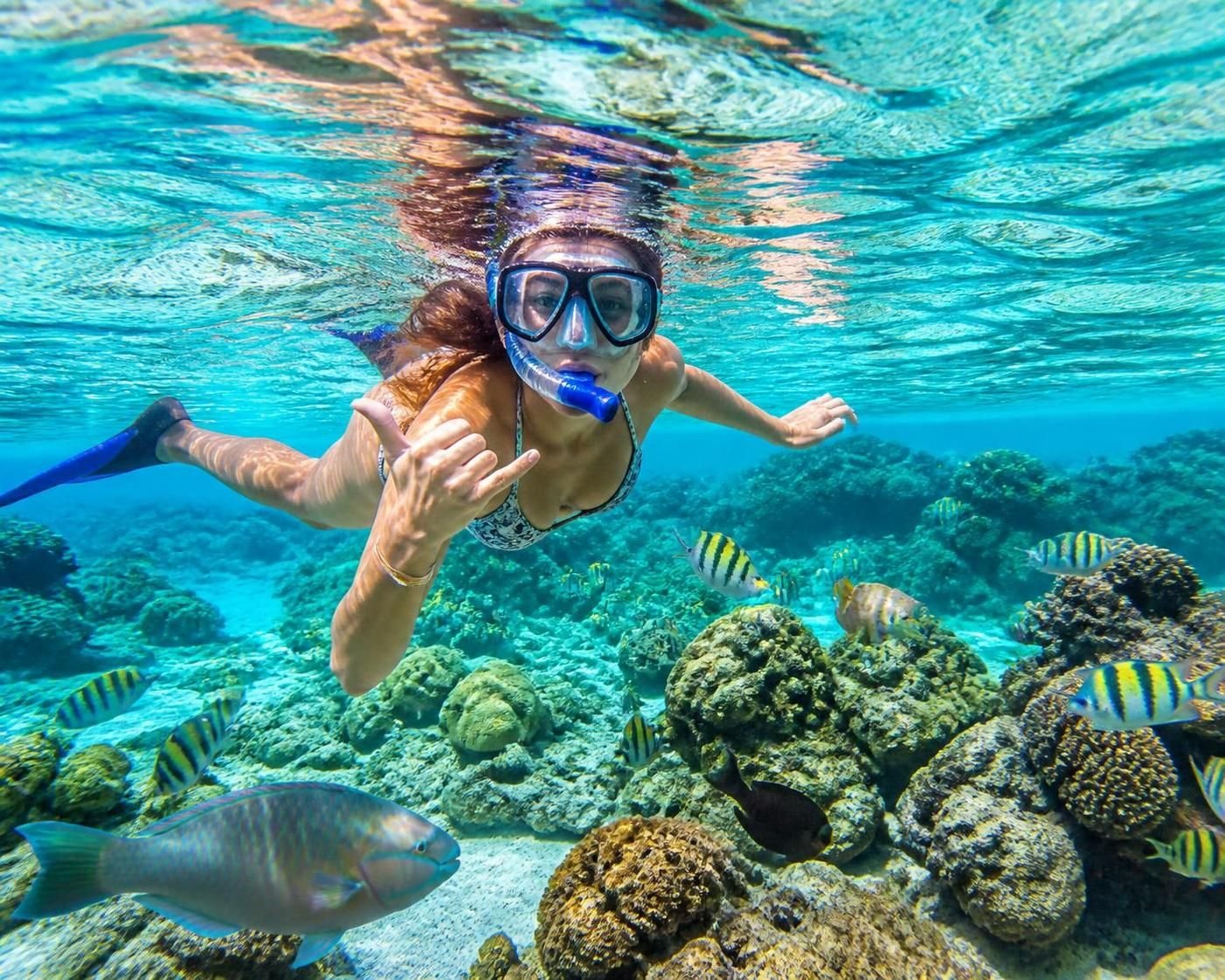
Unraveling the Mysteries of Cenotes: Snorkeling in Freshwater Underwater Caves
The Riviera Maya’s famous cenotes offer a snorkeling experience unlike any other—freshwater caverns and sinkholes that open portals to ancient geological formations and pristine aquatic habitats. Among these, Dos Ojos Cenote is internationally renowned for its stunning underwater caves and remarkable visibility. The name, meaning “Two Eyes,” refers to the twin sinkholes connected by an extensive underwater passage. Here, snorkelers glide through ethereal blue waters, surrounded by dramatic stalactites and stalagmites. The interplay of natural light and crystal clear water creates surreal reflections and shadows, enhancing the charm of this underwater labyrinth. While some areas require a moderate swimming capability, guided tours offer safety and educational context to enrich the encounter.
Chikin-Ha Cenote, situated near Akumal, is another spectacular freshwater destination. It combines freshwater and saltwater influences, enriching its biodiversity. The cenote’s calm waters and impressive cave formations, including delicate stalactites, offer snorkelers the chance to witness a unique ecosystem steeped in the region’s geological history. These cenotes are preserved under stringent conservation rules, ensuring that the fragile rock formations and aquatic life can be enjoyed responsibly. Snorkeling here not only opens a window into natural wonders but also connects adventurers with the profound cultural heritage of the Maya civilization, which revered these cenotes as sacred sites.
Exploration of cenotes demands respect and precaution. Tourists are advised to wear biodegradable sunscreen to protect the sensitive waters, follow local guidelines, and consider hiring expert guides to maximize safety and knowledge. These subterranean wonders provide a breathtaking contrast to the marine coral reefs, broadening the snorkeling experience into an adventurous journey through Mexico’s natural and cultural splendors.
Immersive Reefs of Cozumel: Palancar, Columbia, and El Cielo
Just a ferry ride away from the mainland, the island of Cozumel boasts some of the Riviera Maya’s most spectacular snorkeling sites, notably the Palancar Reef, Columbia Reef, and El Cielo Reef. Palancar Reef offers a kaleidoscope of vibrant coral formations and a kaleidoscope of marine creatures. Its moderate depth and clear water attract underwater photographers seeking the best shots of colorful tropical fish and complex reef structures. The reef’s health is a testament to successful conservation efforts, providing vibrant biodiversity and spectacular underwater scenery.
For those seeking a more thrilling experience, Columbia Reef stands as a playground for experienced snorkelers. Known for towering coral formations and the presence of larger marine species, including groupers and parrotfish, this site demands confidence in swimming and underwater navigation. Its dramatic coral towers create an underwater terrain that challenges and excites snorkelers, highlighting the sheer scope of marine life the region supports.
El Cielo Reef is famed for its crystal clear waters and “sky-like” visibility. The reef earns its name from the abundant presence of starfish and translucent corals that sparkle beneath the sunlit surface. It is ideal for those who wish to combine snorkeling with photography, capturing surreal underwater scenes that embody the natural beauty of the Caribbean Sea. Diving or snorkeling here offers a vivid encounter with marine biodiversity, including endemic reef species and gentle rays that glide through the water. Visitors often descend with guided tours that emphasize both safety and the importance of reef preservation.
These reefs not only signify ecological riches but also serve as hubs for responsible ecotourism in the Riviera Maya. Access and activities are managed to protect the delicate marine environment, ensuring that these underwater paradises remain pristine for future generations. Travelers interested in extending their stay in the area may consider exquisite accommodations in Playa del Carmen or Cozumel that combine proximity to these reefs with luxury amenities. For more details on local hotels and accommodations near snorkeling spots, comprehensive resources like this guide can assist in planning an ideal stay.
Family-Friendly and Cultural Snorkeling Experiences: Xcaret and Eco-Parks
For snorkelers seeking a blend of natural beauty and cultural immersion, the eco-park of Xcaret in Playa del Carmen offers an unparalleled experience. Snorkeling here is part of a broader adventure that incorporates cultural exhibitions, native flora and fauna, and interactive activities suitable for all ages. The calm waters of the park’s natural lagoon provide a safe environment for beginners and families, while the tropical fish and coral formations keep the experience engaging for more seasoned snorkelers.
Beyond snorkeling, visitors to Xcaret can explore Mayan heritage through onsite museums and traditional performances, enriching the day with cultural context. The park’s commitment to ecotourism means it centers conservation and education alongside recreation, making it a responsible choice for family vacations. Admission includes snorkeling gear and amenities, offering easy access to this unique natural and cultural setting. For families planning trips to the area, understanding local neighborhoods enhances the overall experience; resources such as this insightful guide can help identify optimal accommodations and local attractions.
This integration of ecotourism with snorkeling activities broadens the appeal of the Riviera Maya beyond aquatic adventures, allowing travelers to connect deeply with the region’s natural environment and Mayan roots. Such settings provide educational opportunities while making underwater exploration accessible and enjoyable for visitors of all skill levels.
Essential Tips and Safety Measures for a Memorable Snorkeling Experience in the Riviera Maya
Ensuring a rewarding and safe snorkeling adventure in Riviera Maya requires preparation and awareness. Below are some fundamental guidelines for travelers seeking to explore these spectacular underwater realms:
- Check Weather and Water Conditions: Optimal snorkeling conditions prevail during calm seas and clear skies, especially from November through April when the dry season enhances visibility.
- Snorkeling Gear: Bringing personal snorkel masks, fins, and snorkels guarantees comfort and hygiene, but many tours offer high-quality rentals.
- Environmental Responsibility: Always use biodegradable sunscreen and avoid touching coral or marine wildlife to protect delicate ecosystems.
- Hydration and Comfort: Carry water and wear appropriate sun protection. Water shoes can safeguard feet from sharp coral and rocky areas.
- Guided Tours: Novice snorkelers should consider professional guides who provide safety instructions, equipment, and transportation. Guided trips enhance knowledge and minimize environmental impact.
- Respect Local Regulations: Many snorkeling sites have rules to protect the marine environment, such as limiting visitor numbers and enforcing no-touch policies.
| Snorkeling Spot | Location | Suitable Level | Hours | Key Attractions |
|---|---|---|---|---|
| Puerto Morelos Marine Park | Puerto Morelos | All Levels | 9 AM – 5 PM | Coral reefs, sea turtles, tropical fish |
| Yal Ku Lagoon | Akumal | Beginner to Intermediate | 9 AM – 5 PM | Mixed salt & freshwater, calm waters, diverse fish |
| Akumal Beach | Akumal | All Levels | No fixed hours | Sea turtles, seagrass beds, vibrant marine life |
| Palancar Reef | Cozumel | Intermediate to Advanced | 9 AM – 5 PM | Coral formations, large fish, underwater photography |
| Dos Ojos Cenote | Near Playa del Carmen | Intermediate | 8 AM – 5 PM | Underwater caves, clear water, stalactites |
| Xcaret | Playa del Carmen | All Levels | 8:30 AM – 10:30 PM | Eco-park amenities, cultural exhibitions, lagoon snorkeling |
By adhering to these tips and respecting the natural environment, visitors can ensure that their snorkeling excursions are not only unforgettable but also contribute positively to the conservation of the Riviera Maya’s underwater gems. For those interested in further explorations and excursions, specialized tours such as this Chichen Itza tour from Xcaret facilitate combining cultural heritage with aquatic adventures seamlessly.
What is the best time of the year for snorkeling in Riviera Maya?
The dry season, from November through April, offers calm seas and excellent visibility, making it the ideal period for snorkeling activities.
Are guided snorkeling tours recommended?
Definitely. Guided tours provide safety, equipment, insider knowledge, and help protect sensitive marine environments, especially for beginners.
Can beginners enjoy snorkeling in the Riviera Maya?
Yes. Numerous spots such as Puerto Morelos Marine Park and Yal Ku Lagoon offer calm, shallow waters perfect for beginners and families.
How can I responsibly enjoy snorkeling without harming the marine ecosystem?
Use biodegradable sunscreen, avoid touching marine life or coral, and follow local guidelines to preserve underwater habitats.
What unique experiences do cenote snorkels provide?
Cenote snorkeling reveals freshwater systems with stunning underwater rock formations like stalactites and stalagmites, blending natural history and beauty in an ethereal setting.