
Embarking on a day trip from Merida to Chichen Itza offers travelers a unique immersion into the profound history and vibrant culture of Mexico’s Yucatan Peninsula. This journey combines breathtaking archaeological wonders, refreshing natural cenotes, and charming colonial towns, crafting an unforgettable adventure designed for curious explorers and cultural enthusiasts alike. As one of the most recognizable Mayan ruins worldwide, Chichen Itza symbolizes a gateway into the ancient civilization, showcasing architectural genius and astronomical marvels that continue to captivate visitors from around the globe.
Choosing Merida as the starting point underscores convenience and cultural richness, offering access to not only Chichen Itza but also other engaging experiences such as traditional Yucatecan cuisine, vibrant festivals, and scenic landscapes. Day trips can be tailored to suit varied interests, from private guided tours emphasizing archaeology and history to more adventurous itineraries blending nature and cultural sightseeing. The appeal lies in blending comfort and discovery, with many operators providing private air-conditioned vehicles, bilingual local drivers, and flexible schedules to cater to each traveler’s rhythm.
Beyond the ruins, the Yucatan Peninsula reveals natural treasures like underground cenotes — natural freshwater sinkholes revered for their beauty and spiritual significance in Mayan culture. These cenotes provide not just a chance to cool off but immersive experiences connecting visitors with the region’s geological history and traditions. Additionally, nearby towns such as Izamal, known as the “Yellow City,” enrich the tour experience with their colorful streets and colonial charm, illustrating the living cultural heritage that complements the archaeological sites.
The fusion of archaeology, culture, adventure, and natural wonders along the Merida to Chichen Itza route offers more than sightseeing — it’s a gateway to the heart of the Yucatan’s identity. Each aspect, from the intricate pyramids to the serene cenotes and bustling markets, invites travelers to appreciate the complexity and beauty of this region on a comprehensive day trip designed for every explorer’s desire.
Brief highlights of the Merida to Chichen Itza day trip experience:
- Private, air-conditioned transportation ensuring comfort and flexibility.
- Guided tours by certified bilingual experts enhancing archaeological insight.
- Stops at stunning natural cenotes for swimming and relaxation.
- Visits to cultural hubs like Izamal, offering colonial architecture and local traditions.
- Opportunities to savor traditional regional buffet lunches, connecting food with culture.
- Door-to-door hotel or Airbnb pickups for seamless travel logistics.
- Transparent pricing and customizable itineraries catered to individual preferences.
Exploring Chichen Itza: An Archaeological and Cultural Marvel
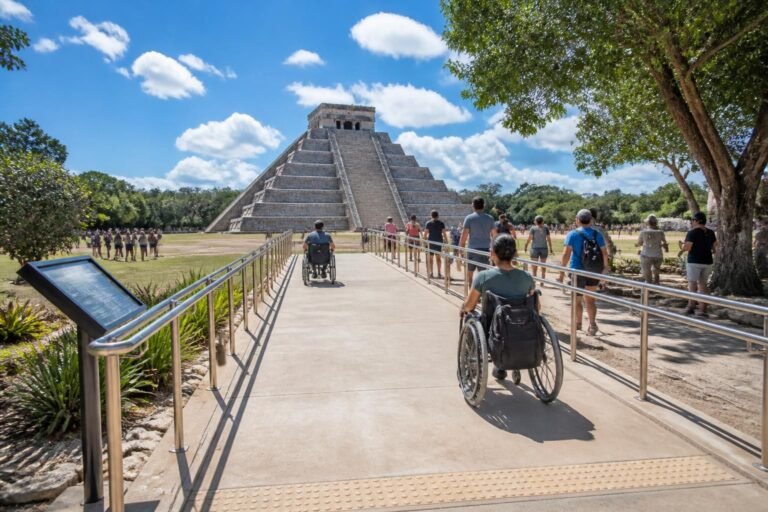
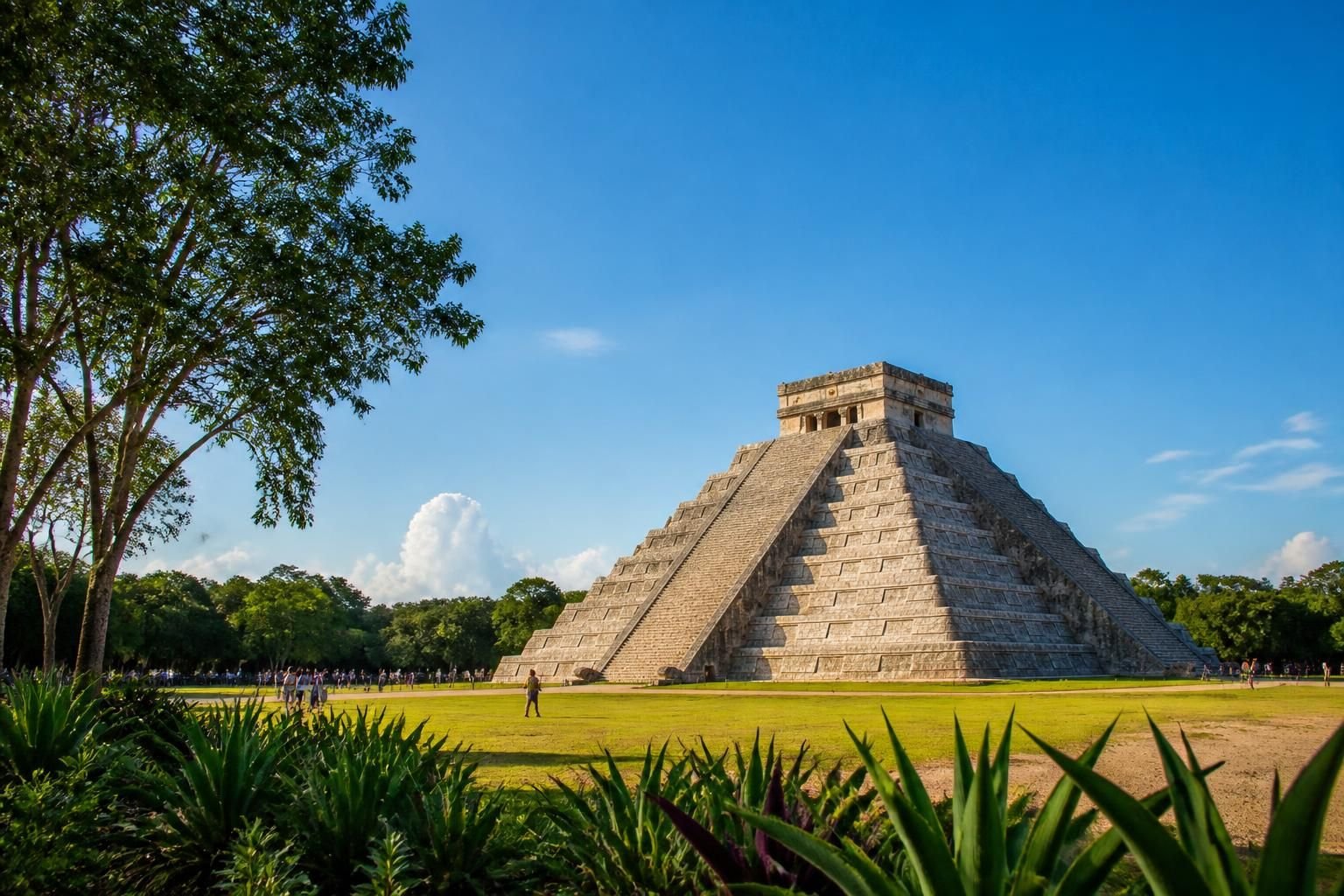
Chichen Itza stands as a testament to the architectural sophistication and deep astronomical knowledge of the ancient Maya civilization. This UNESCO World Heritage site attracts thousands of visitors annually, eager to witness landmarks like the Kukulcán Pyramid, also known as El Castillo. This remarkable stepped pyramid serves not only as a ceremonial center but also as an astronomical calendar, where during equinoxes, a shadow resembling a serpent gracefully descends the staircase, symbolizing the feathered serpent deity Kukulcán.
The site’s diverse structures encompass temples, ball courts, observatories, and plazas, each revealing aspects of Maya religion, governance, and social organization. The Great Ball Court, the largest in Mesoamerica, exemplifies the cultural importance of the ball game, which held ritualistic and political significance. Visitors encountering this space gain an understanding of how public entertainment, religion, and power were intertwined in Maya society.
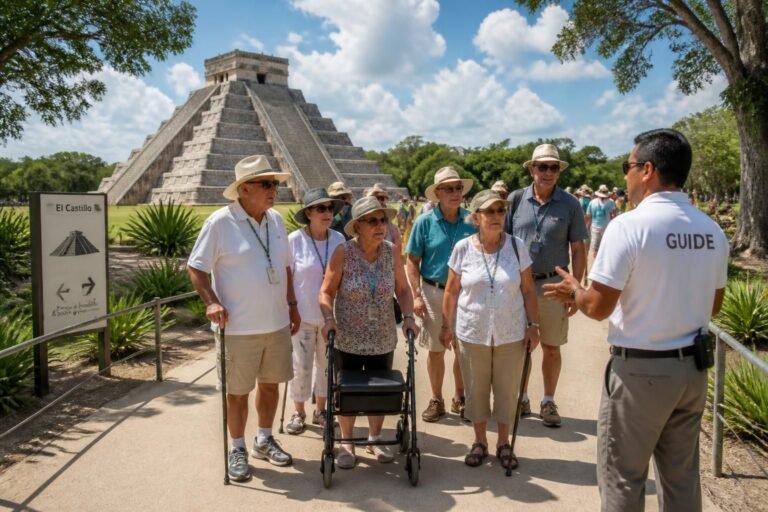
Guided private tours elevate the experience, offering detailed narratives narrated by experts well-versed in Mayan language and symbology. These guides help interpret the intricate carvings, architectural details, and historical context, turning stones and ruins into living stories. For instance, the Temple of the Warriors and the Observatory (El Caracol) present fascinating examples of Mayan artistry and scientific prowess, as their designs align with celestial movements and religious practices.
Exploring early in the morning is highly recommended. Arriving before the larger commercial tours ensures a more intimate environment, allowing visitors to appreciate the expanse and detail of Chichen Itza without overwhelming crowds. Complementing the site visit, many day trips include admissions and professional guide services, facilitating a stress-free archaeological adventure where logistics and timing are expertly managed.
Overall, Chichen Itza offers a captivating fusion of history, mystery, and architectural grandeur — a vital chapter in understanding the Yucatan Peninsula’s cultural landscape and a pinnacle highlight for any day trip from Merida.
Experiencing Cenotes: Nature’s Hidden Gems on the Yucatan Peninsula
The Yucatan Peninsula is renowned not only for its archaeological treasures but also for its remarkable natural features, particularly cenotes. These natural sinkholes, formed by limestone erosion over thousands of years, serve as spectacular crystalline pools that are both recreational spots and sacred places for the Maya civilization. A day trip from Merida to Chichen Itza often includes stops at some of the region’s most enchanting cenotes, such as Cenote Tsukán or Cenote Xcajum.
Swimming in these cenotes offers a refreshing break from the tropical heat and an opportunity to connect with nature’s tranquility. The cool, clear waters contrasted against dramatic rock formations and lush vegetation create a surreal environment ideal for relaxation and rejuvenation. Many cenotes feature walkways, ladders, and safety equipment, making them accessible for all ages and swimming skill levels.
Besides their natural beauty, cenotes hold cultural and historical significance. They were revered by the Maya as portals to the underworld and sources of life-sustaining freshwater. Archeological explorations have uncovered artifacts and human remains in some cenotes, underscoring their role in religious ceremonies and rituals. This blend of natural wonder and cultural depth enriches the sightseeing experience.
Inclusion of cenote visits in day trip itineraries adds a multifaceted dimension to the tour. Travelers can alternate between the awe-inspiring ruins and serene nature, creating a balanced adventure that satisfies both curiosity about ancient civilizations and appreciation for the environment. Many operators provide traditional buffet lunches nearby, allowing guests to enjoy regional dishes in authentic settings.
Essential tips for cenote visits include bringing biodegradable sunscreen to protect local ecosystems, a swimsuit and towel for swimming, and comfortable shoes for uneven terrain. These considerations ensure an eco-friendly and enjoyable encounter with one of the Yucatan’s most iconic natural symbols.
Popular Cenotes Accessible from Merida on Chichen Itza Day Trips
| Cenote Name | Special Features | Accessibility | Included in Tours |
|---|---|---|---|
| Cenote Tsukán | Clear deep waters, well-maintained facilities, traditional Mayan ambiance | Easy access with parking and rest areas | Entrance fee included in private tours |
| Cenote Xcajum | Surrounded by cliffs and hanging vines, open pit cenote | Moderate walking required, facilities available | Often paired with Izamal and Chichen Itza tours |
| Cenote Yokdzonot | Underground cave cenote with mystical atmosphere | Guided tours recommended for complete experience | Popular stop on full-day tours |
Combining Colonial Heritage and Archaeology: Visiting Izamal Alongside Chichen Itza
Adding Izamal to a day trip from Merida to Chichen Itza enriches the journey with a vibrant cultural and historical layer. Known as the “Yellow City” for its mustard-colored buildings, Izamal intertwines colonial architecture with pre-Hispanic roots. This charming town was once a major Mayan ceremonial center prior to Spanish colonization, reflected in its churches that were constructed over ancient pyramids, symbolizing layers of religious history.
A guided visit offers insight into the blending of cultures, where visitors can walk through cobblestone streets and admire well-preserved convents like the Convent of San Antonio de Padua. From rooftop terraces, panoramic views of the surrounding Yucatan landscape and remnants of Mayan pyramids provide a stunning backdrop. Local artisans and markets present an opportunity to engage with contemporary Yucatecan culture through handicrafts and culinary delights.
Day tours integrating Izamal and Chichen Itza allow travelers to experience the full spectrum of the region’s heritage—from sacred archaeological sites to living town traditions. These packages usually include entry fees, professional guides proficient in English and Spanish, and scheduled stops that balance sightseeing with ample time for leisure and photography.
Furthermore, Izamal’s calm atmosphere offers a refreshing contrast to the archaeological bustle of Chichen Itza, fostering a deeper connection to the Yucatan Peninsula’s historical narrative. Travelers who venture here often find a profound appreciation for how past and present coexist harmoniously in this vibrant cultural landscape.
Logistics and Tips for an Ideal Merida to Chichen Itza Day Trip
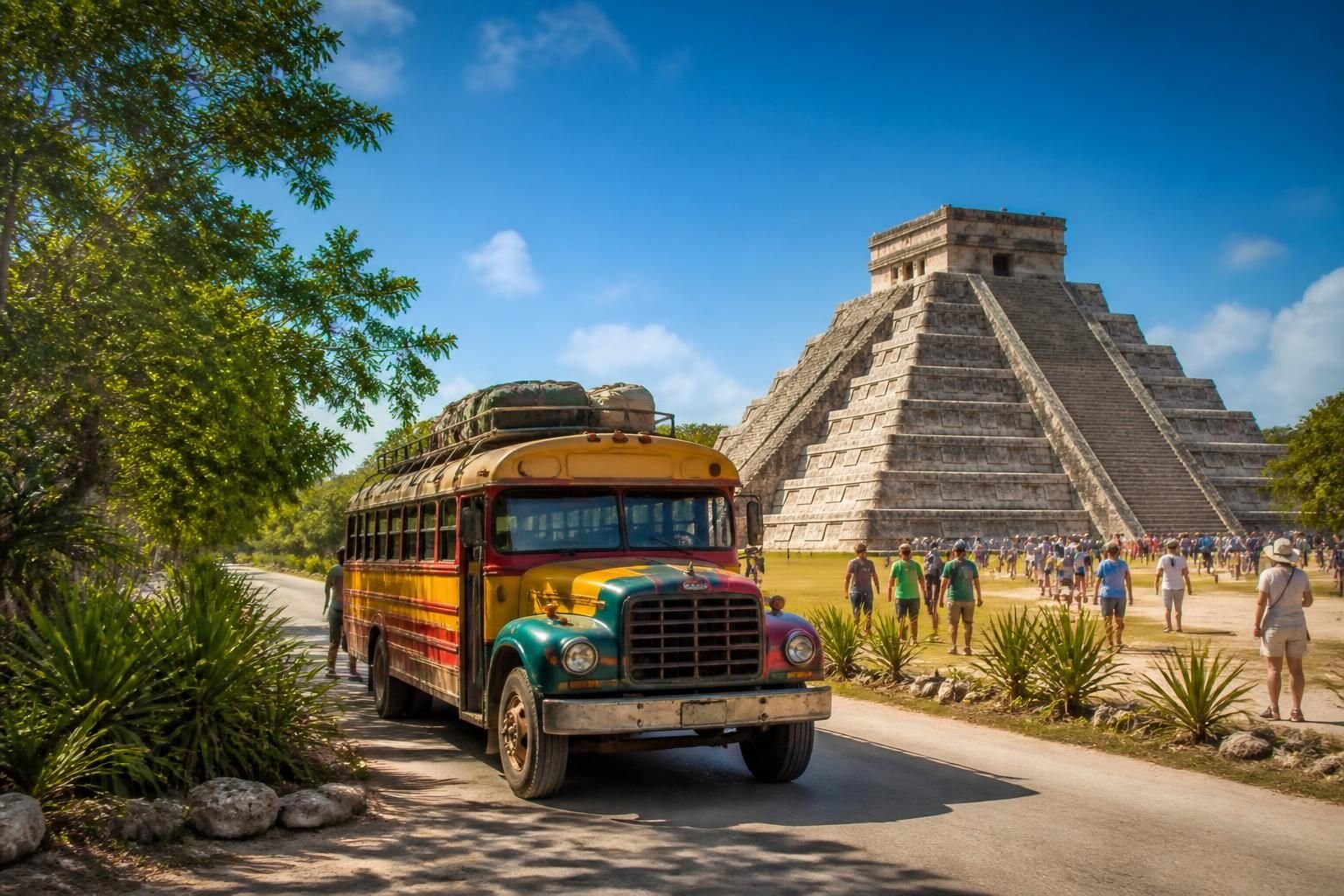
Planning a seamless and memorable day trip from Merida to Chichen Itza involves some considerations that enhance comfort, safety, and cultural immersion. Private tours are a preferred option for many travelers, offering the convenience of door-to-door pickup from hotels or Airbnbs in Merida in a comfortable, air-conditioned vehicle. These tours typically include bilingual local drivers who provide insightful anecdotes along the route and can adjust the itinerary upon request.
Timing your departure early in the morning is crucial for beating the heat and avoiding the crowds, especially at popular sites like Chichen Itza and cenotes. Merchants and guides emphasize the months from November through March as the ideal season due to cooler and drier weather, creating pleasant conditions for exploring outdoor attractions.
Visitors should ensure they wear comfortable walking shoes and light, breathable clothing to cope with tropical temperatures. Packing essentials such as water, biodegradable sunscreen, a hat, and sunglasses improves safety and comfort during the long day. Most tours include a traditional regional lunch, delivering a taste of Yucatecan cuisine which beautifully complements the cultural expedition.
To protect the natural environment and cultural sites, travelers are encouraged to respect site guidelines, such as not climbing on ruins and avoiding harmful sunscreens that damage cenote ecosystems. Transparency in pricing is another benefit highlighted by reputable tour providers: all fees, including admissions to parks and cenotes, are explained upfront, negating any unexpected expenses.
For those interested in expanding their cultural and natural sightseeing beyond the classic Chichen Itza day trip, alternatives include visiting nearby colonial towns or exploring the rich biodiversity of the Celestún Biosphere Reserve. These options, along with private airport transfers and multi-site tours, provide flexible travel arrangements for enhancing the Yucatan Peninsula experience.
Essential Checklist for Your Merida to Chichen Itza Day Tour
- Comfortable shoes: For walking uneven surfaces and long periods of exploring archaeological sites.
- Light clothing: Breathable fabrics to combat heat and humidity.
- Swimsuit and towel: For swimming in the natural cenotes along the route.
- Biodegradable sunscreen: Protects skin while preserving fragile ecosystems.
- Hat and sunglasses: Essential for sun protection during outdoor activities.
- Water and snacks: To stay hydrated and energized throughout the day.
Are the day tours from Merida to Chichen Itza private?
Yes, most tours offer fully private experiences with dedicated vehicles and bilingual drivers ensuring personalized service without sharing with other guests.
What is the best time of year and day to visit Chichen Itza?
The ideal period is between November and March for cooler, drier weather, and early morning departures help avoid crowds and the heat.
Are entrance fees included in the tour prices?
While tour prices typically cover transport and guide services, some entrance fees such as Chichen Itza tickets are often paid locally; transparent providers give full pricing details upfront.
Can tours include visits to other nearby attractions?
Yes, popular add-ons include visits to Izamal, cenote swims, or cultural towns, allowing travelers to customize their itinerary according to interests.
How can I book a safe and reliable day trip from Merida?
Booking directly with reputable local operators ensures transparent pricing, bilingual guides, private transport, and door-to-door service for a hassle-free experience.