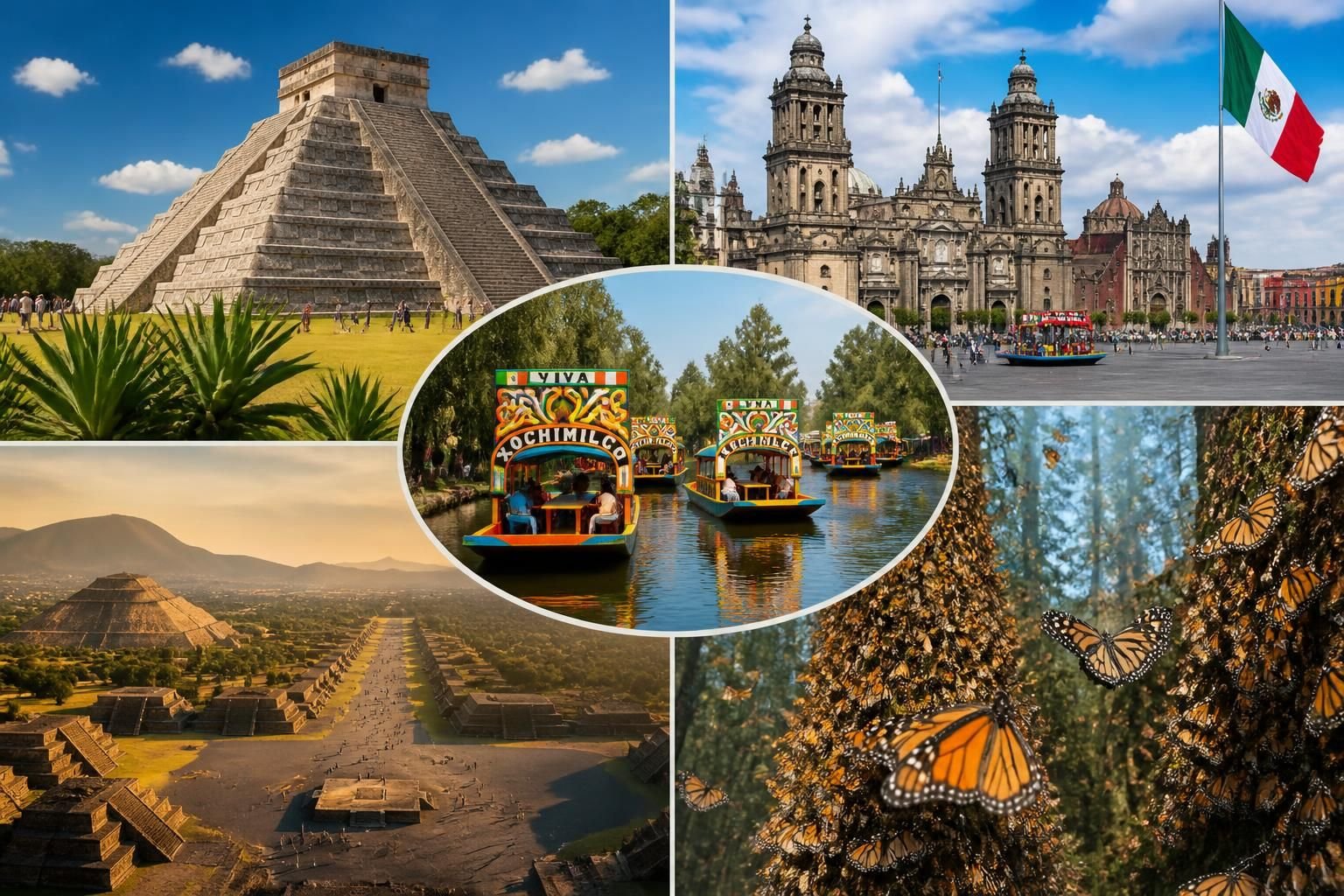

Mexico, a land where ancient civilizations thrive in the shadows of modern landscapes, boasts an astounding 35 UNESCO World Heritage sites. This rich collection spans cultural heritage and natural wonders, drawing travelers eager to immerse themselves in timeless stories and breathtaking vistas. From the extraordinary Mayan ruins to vibrant colonial cities, Mexico offers an unparalleled tapestry of historical sites and natural beauty. Visitors can marvel at magnificent pyramids, explore lush biosphere reserves, and wander through colorful towns steeped in history, ensuring every journey is packed with discovery and wonder.
Whether traversing the ruins of Chichen Itza or gazing upon the migratory spectacle at the Monarch Butterfly Biosphere Reserve, each location invites deep connection with Mexico’s past and environment. The vibrant streets of Puebla and Guanajuato reveal centuries of architectural splendor, while protected areas such as the Sian Ka’an Biosphere Reserve provide sanctuary to endangered species and preserve delicate ecosystems. This spectrum of heritage showcases Mexico’s commitment to conservation balanced with thoughtful tourism, making it a top destination for travelers who value culture, history, and nature alike.
Key Highlights for Explorers:
- Rich diversity: With 27 cultural sites and 6 natural sites, Mexico is a leader in UNESCO World Heritage recognition across the Americas.
- Mayan architectural feats: Sites like Chichen Itza and Palenque display advanced engineering and astronomical knowledge.
- Natural biodiversity: Reserves such as Sian Ka’an and Monarch Butterfly Biosphere are vital habitats for rare species.
- Colonial charm: Historic cities like Puebla and Guanajuato hold vibrant Baroque and Renaissance architecture.
- Conservation in action: Community engagement and sustainable tourism help preserve each site for future generations.
Exploring the Must-See Cultural Heritage Sites that Define Mexico’s History
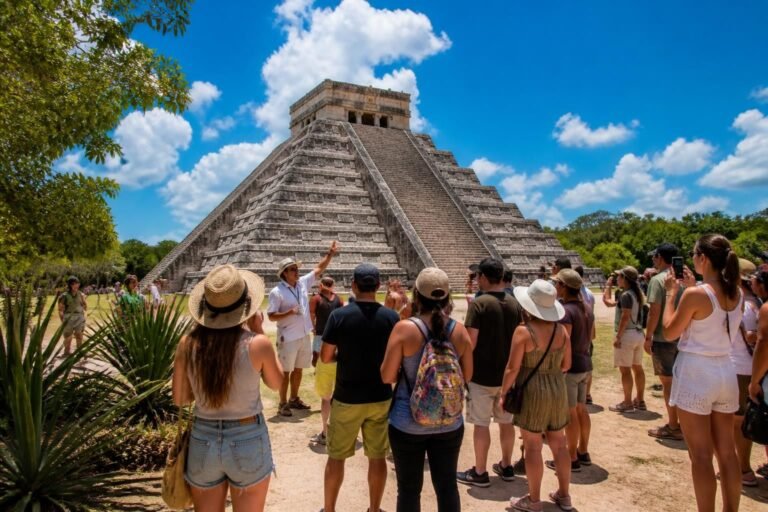
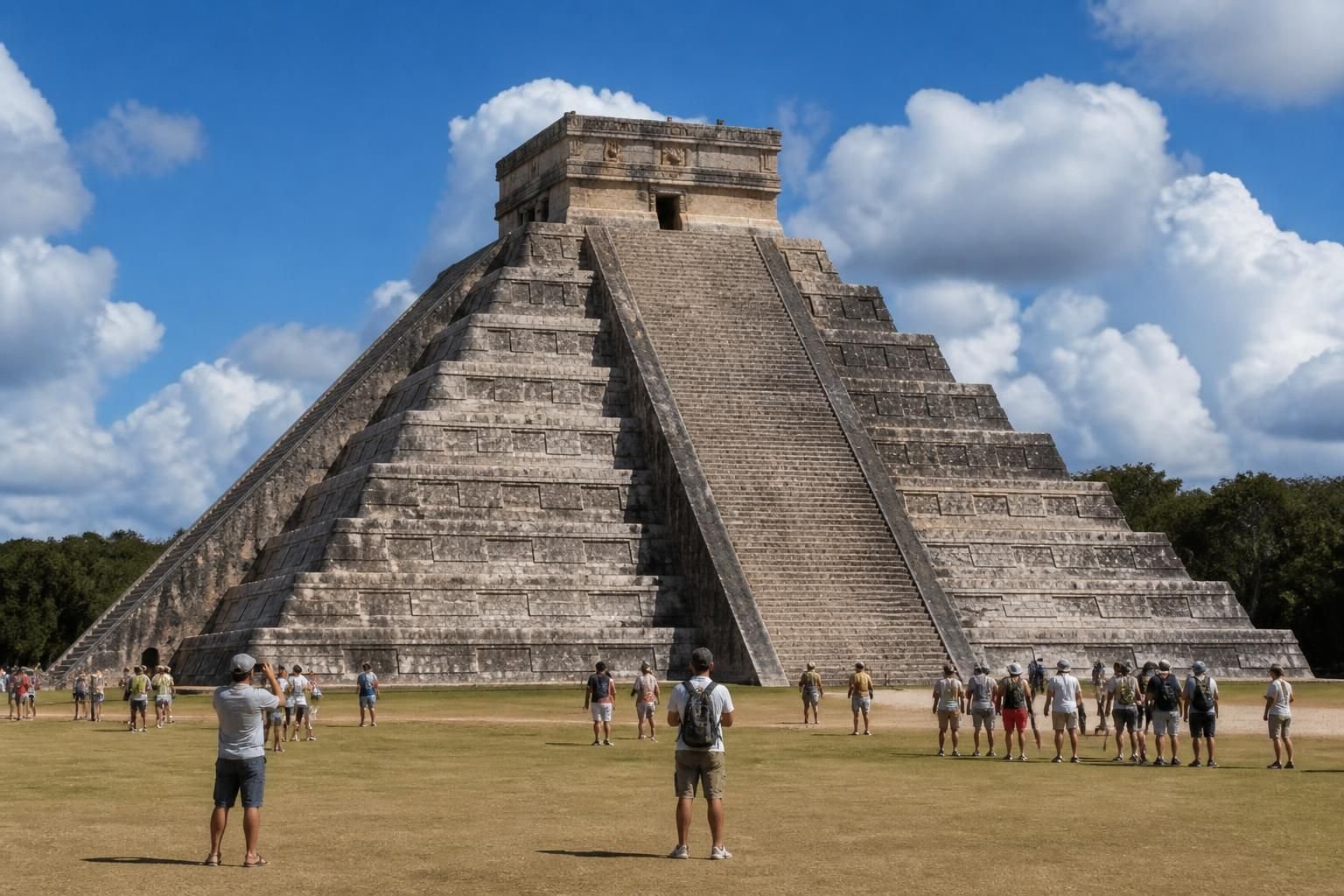
Among Mexico’s remarkable UNESCO World Heritage sites, the ancient ruins and colonial centers stand as testaments to its complex history. The famed Pre-Hispanic City of Chichen Itza remains one of the greatest examples of Mayan civilization, renowned worldwide for its iconic Kukulcán pyramid. This structure uniquely aligns with astronomical events and remains a symbol of the ingenious architectural skills and religious beliefs prevalent in the region. Visitors planning a trip to this wonder benefit from learning about its historical context deeply; detailed explorations are available in specialized tours that reveal hidden mysteries surrounding its construction and cultural importance. For precise guidance on visiting, practical considerations such as efficient travel routes from Cancun prove invaluable.
Similarly, the Historic Centre of Oaxaca offers a rich immersion into over 1,500 years of Zapotec and Mixtec legacies. The blend of colonial Baroque architecture with indigenous heritage, evident in sites such as the Monte Albán archaeological zone, paints vivid stories of conquest, resilience, and cultural fusion. Meanwhile, the Historic Centre of Mexico City and Xochimilco further illustrate ancient Aztec roots overlaid by Spanish colonial influence, particularly visible in landmarks like the Metropolitan Cathedral and the vibrant floating gardens of Xochimilco. These sites are invaluable for understanding Mexico’s urban evolution and syncretic cultural identity.
Moving beyond ruins and cityscapes, the Franciscan Missions in Sierra Gorda exemplify 18th-century religious architecture and its impact on local traditions. With intricate Baroque designs and indigenous motifs, they reveal how colonial missions adapted to and influenced native cultures. Together with cities like Puebla—celebrated for its Renaissance charm and culinary delights—these sites offer travelers a comprehensive cultural mosaic, vibrant with history and artistry.
| UNESCO Site | Significance | Notable Features |
|---|---|---|
| Chichen Itza | Mayan archaeological site | Kukulcán Pyramid, astronomical alignments |
| Historic Centre of Oaxaca | Zapotec and colonial heritage | Monte Albán ruins, Baroque churches |
| Mexico City Historic Centre and Xochimilco | Aztec ruins and Spanish colonial architecture | Metropolitan Cathedral, floating gardens |
| Franciscan Missions in Sierra Gorda | Colonial religious architecture | Baroque style churches, indigenous motifs |
| Historic Centre of Puebla | Renaissance architecture and culture | Baroque churches, Talavera pottery |
Marvels of Ancient Mayan Civilization and Architectural Brilliance
The Mayan civilization, famous for its advanced astronomy and urban planning, left a legacy visible in sites like Chichen Itza, Palenque, and Uxmal. At Palenque, the Temple of the Inscriptions reveals intricate stone glyphs detailing dynastic histories, while Uxmal’s Pyramid of the Magician showcases unique architectural forms distinct from other Mayan cities. The scale and precision of these ruins demonstrate highly developed engineering and social organization.
Tourists keen on experiencing these marvels will find that specialized small group tours offer insightful explorations that delve beyond surface-level sightseeing. Such experiences enhance understanding of the cultural symbolism engraved in the pyramids and temples. For example, understanding the role of the Kukulcán pyramid as a calendar and astronomical observatory enriches every visit. Additional information about this fascinating site can be accessed via selective tour packages designed for cultural immersion.
Discovering Mexico’s Natural UNESCO World Heritage Treasures and Biodiversity Hotspots
Mexico’s natural heritage is equally impressive, with sites like the Sian Ka’an Biosphere Reserve offering visitors a chance to witness some of the most diverse ecosystems in the Americas. Spanning over 1.3 million acres, this reserve boasts tropical forests, wetlands, and vibrant coral reefs that harbor endangered species. Ecotourism here balances conservation with education, providing meaningful encounters with nature and local communities.
Another compelling site is the Monarch Butterfly Biosphere Reserve, where millions of butterflies embark on an epic migration each year. The sight of trees blanketed in glowing orange wings is a spectacular natural event that draws visitors worldwide. Conservation here is critical, as habitat protection ensures this unique phenomenon endures.
Marine enthusiasts will appreciate the Islands and Protected Areas of the Gulf of California, a marine sanctuary home to endangered species such as the vaquita porpoise. Similarly, the Whale Sanctuary of El Vizcaino serves as a refuge for the majestic North Pacific gray whales during their annual migration, observable between late January and March.
This diversity extends to the cultural with the Agave Landscape and Ancient Industrial Facilities of Tequila, where traditional agricultural practices have thrived for over two millennia. This site not only nurtures the production of blue agave but also celebrates local heritage linked to tequila – Mexico’s renowned spirit.
- Sian Ka’an Biosphere Reserve: Tropical forests, coral reefs, diverse wildlife
- Monarch Butterfly Reserve: Annual migratory butterfly spectacle
- Gulf of California: Critical marine biodiversity hotspot
- Whale Sanctuary of El Vizcaino: Gray whale breeding grounds
- Tequila Agave Landscape: Ancient agricultural traditions
Conservation and Sustainable Tourism Efforts at Natural Sites
Preserving Mexico’s natural heritage requires multifaceted approaches. Authorities collaborate with local communities to foster sustainable tourism practices that minimize environmental impact. For example, the Monarch Butterfly Reserve involves residents in managing visitor flows and habitat restoration, successfully balancing tourism and conservation. These partnerships ensure protection while enriching visitor experiences and supporting local economies.
Strategic conservation also tackles climate change challenges that threaten delicate ecosystems in reserves like Sian Ka’an. Innovative ecological monitoring and active restoration help maintain biodiversity integrity. Encouraging responsible travel through education and hands-on involvement remains essential for sustaining these natural treasures.
Exploring Iconic Historic Towns That Embody Mexico’s Cultural Richness
México’s historic towns stand as living museums, preserving architectural marvels and cultural traditions that color its heritage sites. Places like Guanajuato, often called the “rainbow city,” captivate visitors with their brightly painted houses and network of underground tunnels developed during its silver mining peak. This unique urban design is a testament to adaptation and resourcefulness.
The Historic Centre of Puebla, set against the backdrop of the Popocatépetl volcano, charms with its Baroque churches, colorful Talavera pottery façades, and the Palafoxiana Library—the oldest in the American continent. Puebla’s vibrant food culture completes this sensory journey, inviting travelers to taste authentic Mexican flavors established over centuries.
Other towns such as Morelia, known for its Spanish Renaissance architecture, and Campeche, famous for its fortified colonial walls, further enrich the historic fabric. These cities embody centuries of cultural exchange, colonial legacy, and indigenous influence. Efforts to preserve these locales often include restoration projects, sustainable tourism initiatives, and community-led festivals that celebrate local heritage and craftsmanship.
| Historic Town | Architectural Style | Highlights |
|---|---|---|
| Guanajuato | Colonial and mining cityscape | Colorful houses, underground tunnels |
| Puebla | Baroque and Renaissance | Talavera pottery, Palafoxiana Library |
| Morelia | Spanish Renaissance | Historic cathedral, colonial mansions |
| Campeche | Colonial fortifications | City walls, San Miguel Fort |
Preserving a Living History Through Community Involvement
Effective preservation hinges on the active involvement of local residents who view these historic towns as cornerstones of identity. Community engagement programs emphasize the importance of balancing tourism with daily life, ensuring traditions thrive without compromising heritage integrity. Many sites feature educational activities inviting visitors to understand the history and cultural significance behind the monuments.
This hands-on approach enhances appreciation and fosters stewardship, which proves crucial for long-term conservation efforts. Additionally, festivals celebrating local crafts, music, and cuisine encourage sustainable economic opportunities aligned with cultural preservation, weaving historical pride into contemporary life.
Essential Travel Tips and Planning Insights for an Unforgettable Mexico UNESCO Tour
Planning a visit to Mexico’s UNESCO World Heritage sites involves strategic preparation to maximize experience and minimize inconveniences. Timing trips during favorable weather—typically spring and fall—helps avoid extreme heat and rainy seasons common in the Yucatán or tropical areas. Early reservations for accommodation and tours at high-demand sites like Chichen Itza ensure access without disappointment.
Travelers are encouraged to seek knowledgeable local guides who illuminate the historical narratives and cultural contexts that otherwise might be overlooked. Engaging with local expertise transforms sightseeing into a deeper educational encounter. Practical packing includes comfortable footwear, hydration essentials, sun protection, and small cash amounts for entry fees and local vendors.
Moreover, consulting resources such as detailed visitor guides enhances preparation by offering practical advice tailored for specific sites. Integrating multiple destinations, such as combining visits to historic centers with natural reserves, provides a comprehensive glimpse into Mexico’s multifaceted heritage.
- Research each site’s unique offerings and entry requirements.
- Book permits, tours, and accommodations well in advance.
- Pack versatile clothing suited for both city exploration and outdoor adventures.
- Learn basic Spanish phrases for better cultural exchange.
- Respect local customs and environmental guidelines to support conservation.
How many UNESCO World Heritage Sites are there in Mexico?
Mexico has 35 UNESCO World Heritage Sites, including 27 cultural heritage sites and 6 natural sites, covering a diverse range of history, architecture, and biodiversity.
What are the most famous UNESCO World Heritage Sites in Mexico for ancient ruins?
Chichen Itza, Teotihuacan, Palenque, and Uxmal are among the most renowned ancient ruins known for their Mayan and Aztec architectural and cultural significance.
Why is Xochimilco considered a UNESCO World Heritage Site?
Xochimilco preserves ancient Aztec agricultural techniques with its floating gardens and canals, sustaining biodiversity and representing a unique blend of cultural and ecological heritage.
What is the best time to visit Mexico’s UNESCO sites?
Spring and fall are ideal seasons for visiting due to pleasant weather conditions, avoiding the high heat and heavy rains present in summer months.
How can travelers support preservation efforts while visiting?
Visitors should follow sustainable tourism practices, respect site regulations, support local communities, and choose guided tours that prioritize conservation and education.