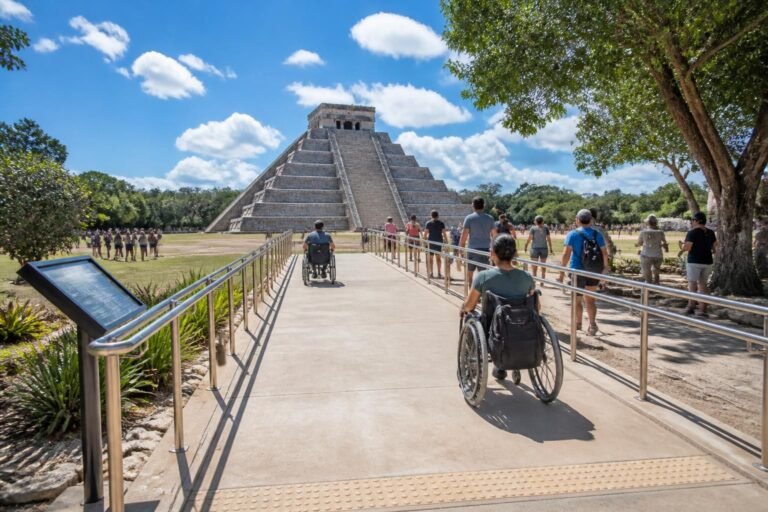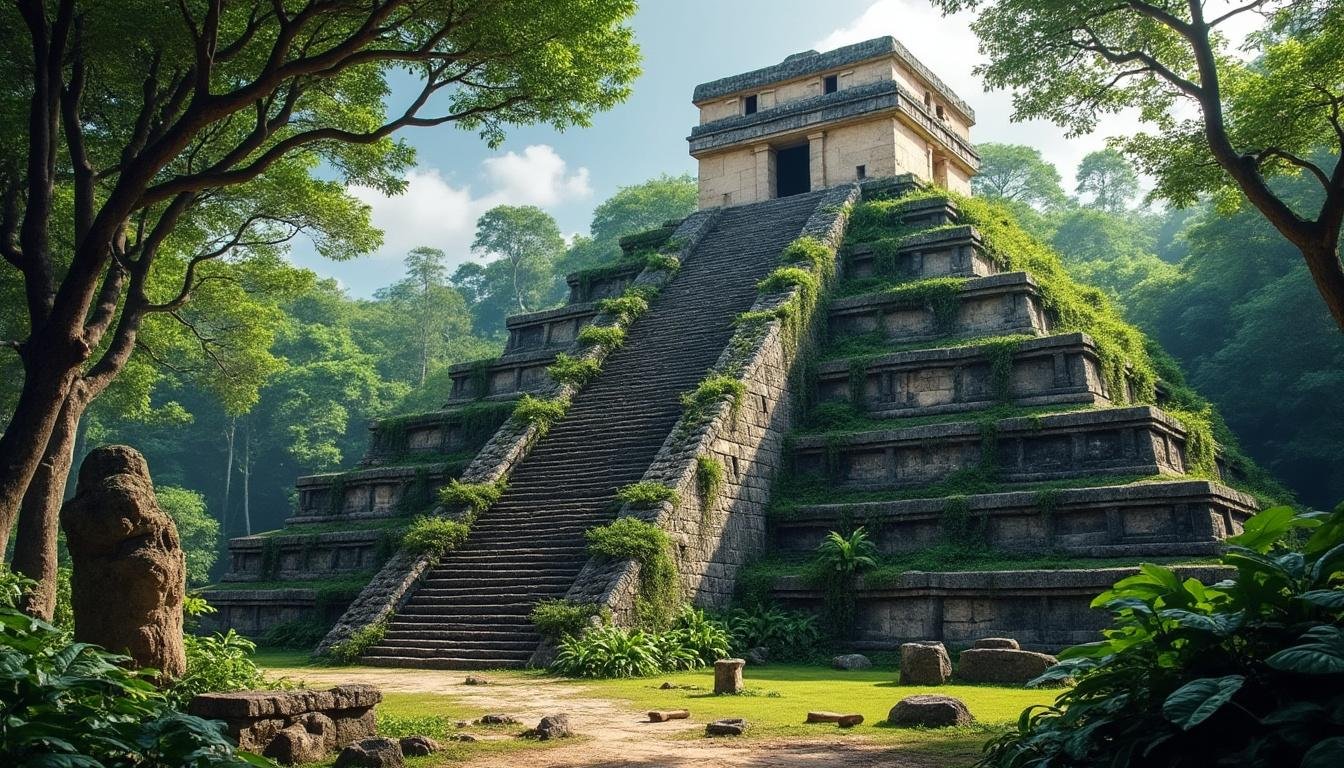

Discover the ancient secrets of Coba, a captivating archaeological wonder nestled in the heart of the Riviera Maya, Mexico. This once-thriving Mayan city, hidden beneath lush jungle canopies and surrounded by serene lagoons, offers an extraordinary glimpse into the advanced civilization that once dominated the Yucatán Peninsula. Unlike more frequented tourist spots, Coba retains a profound mystique, inviting visitors to journey through time as they explore its towering pyramids, intricate stone causeways, and sacred temples. The harmonious blend of nature and history here enhances the experience, showcasing the enduring legacy of Mayan culture and architecture. With improved access provided by the modern Mayan Train, Coba has become a must-visit destination for those eager to immerse themselves in the soul of an ancient civilization while embracing sustainable tourism in 2026.
Brief overview of Coba’s archaeological wonders
- The largest network of pre-Hispanic stone causeways (sacbés) connecting different parts of the ancient city and beyond.
- Nohoch Mul Pyramid, standing at 42 meters, one of the tallest Mayan pyramids on the Yucatán Peninsula.
- Las Pinturas Complex with preserved mural paintings illustrating Mayan spirituality and artistry.
- Dual ballgame courts with ceremonial significance and cosmic symbolism.
- The Xaibé Observatory, reflecting the Mayans’ sophisticated understanding of celestial cycles.
- Immersive jungle setting that preserves many yet-to-be-excavated structures.
- Integration of Coba with local Mayan communities, promoting living cultural heritage alongside historic exploration.
- Modern accessibility enhanced by the Mayan Train, streamlining travel from major hubs in the Riviera Maya.
Unveiling the Ancient Secrets of Coba’s Historic Site and Its Role in Mayan Civilization
Standing as a testament to the grandeur of the ancient Mayan civilization, Coba’s historic site reveals a complex society renowned for its architectural ingenuity and socio-political influence. Its name, meaning “water stirred by the wind,” alludes to the city’s proximity to abundant water sources such as lakes and lagoons, which played a crucial role in its development as a political and economic powerhouse during its zenith between 600 and 900 AD.
The archaeological wonders of Coba transcend simple ruins; they represent a dynamic and flourishing city interconnected through a remarkable system of sacbés—raised stone roads that stretch for more than 100 kilometers. These causeways not only connected Coba’s numerous temple groups but also linked it with distant Mayan sites including Yaxuná, enabling trade, communication, and political alliances that shaped regional power dynamics in the Maya world. This extensive network illustrates the Mayans’ advanced engineering skills and their ability to integrate urban development within the tropical jungle environment.
Coba’s urban layout is an architectural marvel, highlighting a harmonious relationship between civic planning and natural topography. The city’s political sphere is vividly recorded in its many stelae, upright stone monuments engraved with hieroglyphs documenting rulership, religious ceremonies, and significant historical events. Uniquely, Coba’s stelae often depict prominent female rulers, reflecting the inclusive leadership roles women played in governance during the Late Classic period.
Explorers and archaeologists unearthed that many structures remain hidden beneath the jungle canopy, creating an aura of mystery and ongoing discovery. Unlike more commercialized archaeological sites, Coba allows visitors to wander amidst thick vegetation, stepping back into a world where nature and human ingenuity blended seamlessly. The site’s preservation and respectful exploration offer profound insights into Mayan cultural heritage, making it a vital piece of Mexico’s rich archaeology landscape.
Architectural Marvels of Coba: From Nohoch Mul to the Sacred Temples
Coba’s landscape is dotted with monumental structures that embody Mayan technological and artistic prowess. Chief among these is the Nohoch Mul pyramid, a towering stone monument rising 42 meters above sea level, ranking as the tallest pyramid in the Yucatán Peninsula. Climbing to its summit before restrictions were imposed provided an unparalleled vantage point over the surrounding jungles and lagoons, enabling visitors to grasp both the city’s scale and the sophistication of its ancient builders.
Another significant architectural jewel is La Iglesia, often called “The Church,” remarkable for its imposing construction overlooking Lake Macanxoc. This temple illustrates the spiritual bond between the Mayan people and their environment. Its elevated position and precise orientation exemplify how sacred spaces were integrated not only as ceremonial hubs but also as places for astronomical observations and ecological reverence. These design choices echo across many Mayan sites but remain uniquely expressive at Coba.
The Las Pinturas complex is yet another highlight of Coba’s archaeological wonders, known for its exquisite mural fragments that bring to life the city’s religious narratives and artistic sophistication. These painted works provide invaluable windows into Mayan cosmology, rituals, and daily life, underscoring the vibrant cultural heritage etched into the very stones of the ancient settlement.
Adding to Coba’s spiritual significance is the Xaibé Observatory, a semi-circular structure about 14 meters tall. Believed to have been used to track solar and lunar cycles, this building illustrates the Mayans’ advanced understanding of astronomy and its crucial role in their agricultural and religious calendars. Adjacent to it are two ballgame courts, where ceremonial games played a vital religious and social role. Rings adorned with Venus symbols further emphasize the celestial symbolism embedded in these arenas.
Exploring the Network of Sacbés and Hidden Archaeological Treasures at Coba
The vast sacbé system distinguishes Coba from many other Mayan archaeological sites. These raised stone causeways served as lifelines, facilitating movement and exchange across the sprawling city and toward neighboring polities. Some sacbés stretch beyond 100 kilometers, engineered with layered stone bases and smooth plaster finishes, offering testimony to the Maya’s meticulous construction techniques and their ability to manage long-distance connectivity centuries before modern roads.
Walking the sacbés today evokes a lived experience of ancient urban life, retracing the steps of Mayan traders, priests, and rulers who journeyed along these routes as they administered their realm or engaged in ceremonial pilgrimages. The dense jungle enveloping many of these paths creates an immersive atmosphere where discovery feels intimate and endlessly rewarding.
Moreover, many parts of Coba remain unexplored beneath thick vegetation, posing exciting possibilities for new excavation projects. Archaeologists frequently report finding new structures, artifacts, and inscriptions, expanding the narrative of this ancient civilization. This ongoing research enriches public understanding and broadens the cultural heritage preserved at the site.
Visitors keen to delve deeper often combine their archaeological exploration with trips to nearby cenotes—natural sinkholes filled with crystalline waters—integral to Mayan ritual life and survival. These tranquil spots offer rest and rejuvenation after days of trekking through historic landscapes, completing a harmonious cycle of adventure and reflection.
Connecting with Living Mayan Culture and Heritage Around Coba
While Coba’s ruins provide a compelling window into the past, the surrounding region is very much alive with vibrant Mayan traditions. Nearby villages maintain age-old customs, languages, and ceremonies, creating meaningful opportunities for cultural exchange. Visitors can participate in traditional events, taste authentic regional cuisine, and learn about contemporary challenges and triumphs of indigenous communities.
This dynamic cultural interaction enhances the archaeological experience, transforming passive observation into active engagement. Mayan guides often accompany tours to provide rich oral histories, folklore, and nuanced interpretations that illuminate the ruins’ spiritual and social contexts. Their narratives weave together the tangible and intangible heritage elements, ensuring that the ancient secrets of Coba remain a living story rather than merely a historical footnote.
Tourism initiatives in 2026 prioritize sustainability and respect, encouraging visitors to minimize their environmental impact. The construction of the Mayan Train has revolutionized access to Coba while fostering eco-friendly travel practices. This train seamlessly connects museums, archaeological sites, and communities across the Yucatán Peninsula, promoting responsible appreciation of Mexico’s cultural heritage.
By blending ancient history with present-day traditions, Coba becomes more than an archaeological wonder—it becomes a lively cultural bridge linking millennia of human experience in one extraordinary locale.
Essential Tips and Practical Guide for Visiting Coba’s Archaeological Marvels
When planning a trip to Coba, preparation enhances the experience immensely. To explore the archaeological wonders comfortably and respectfully, consider the following recommendations:
- Best time to visit: Opt for the dry season between November and April, when weather conditions are cooler and the trails are more accessible.
- Clothing and gear: Lightweight, breathable attire and sturdy walking shoes are essential. Don’t forget sunscreen, hats, and biodegradable insect repellent to protect against tropical elements.
- Transportation: Utilize the Mayan Train for a comfortable, eco-conscious journey, minimizing traffic and pollution in the region.
- Guided tours: Engage with knowledgeable local experts who enrich your understanding with historical anecdotes and recent archaeological findings.
- Combine activities: After exploring Coba’s temples and sacbés, visit nearby cenotes for cooling dips that revitalize your body and mind.
- Photography tips: Early mornings or late afternoons present optimal lighting conditions for capturing the ancient temples enveloped in jungle hues.
| Aspect | Recommendation | Reason |
|---|---|---|
| Climate | Visit during dry season (Nov-Apr) | Better weather, less humidity and rain |
| Clothing | Lightweight shirts, trousers, hiking shoes | Comfort, protection from insects and sun |
| Transport | Mayan Train | Sustainable and well-connected access to ruins |
| Guided tours | Hire local guides | Deeper cultural insight and storytelling |
| Activities | Explore nearby cenotes | Relaxation and adventure post-visit |
These practical tips not only safeguard the delicate archaeological site but also enrich your travel narrative, allowing you to witness firsthand the grandeur of the ancient civilization while honoring contemporary cultural and environmental stewardship.
What makes Coba distinct from other Mayan archaeological sites?
Coba is unique for its extensive network of stone causeways (sacbés), towering pyramids like Nohoch Mul, and its integration with dense jungle, offering visitors a more immersive and less commercialized experience compared to sites like Chichen Itza.
Can visitors still climb the Nohoch Mul pyramid?
As of 2026, climbing Nohoch Mul has been restricted to preserve the structure, but visitors can admire its grandeur from the base and surrounding areas.
How does Coba’s network of sacbés reflect Mayan engineering?
The sacbés are elevated stone roads that demonstrate the Mayans’ advanced urban planning and connectivity, allowing efficient travel between key areas and even distant city-states.
What role does the Mayan Train play in visiting Coba?
The Mayan Train provides sustainable, convenient access to Coba, connecting it to major tourist hubs, enhancing the visitor experience while reducing environmental impact.