Chichen Itza stands as one of the most captivating remnants of the ancient Mayan civilization, drawing travelers and historians alike to the Yucatan Peninsula to explore its enigmatic structures and rich cultural heritage. This archaeological site reveals not only the architectural brilliance of the Maya but also the profound mysteries that continue to intrigue experts and visitors centuries after its decline. From towering pyramids to complex astronomical alignments, Chichen Itza offers an unparalleled glimpse into a civilization that once flourished in Mesoamerica, shaping the cultural and historical landscape of the region.
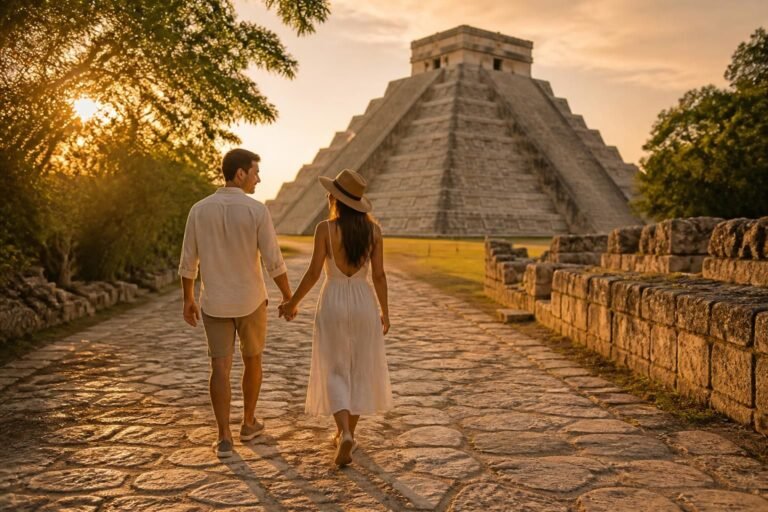
Visitors to Chichen Itza encounter an extraordinary blend of history and mystery that defines the ancient ruins’ allure. The site is renowned for the Pyramid of Kukulkan, also known as El Castillo, a magnificent step pyramid whose design intricately aligns with solar phenomena. Yet, beyond this iconic structure lie untold secrets embedded in every stone and pathway, revealing aspects of Mayan culture, spirituality, and scientific knowledge. The tourism boom in recent years has only intensified interest in uncovering more about these ancient secrets, making the experience of visiting Chichen Itza both educational and awe-inspiring.
Key Highlights:
- Chichen Itza’s paramount role in the history of the Mayan civilization and Mesoamerican culture.
- The architectural marvels, including pyramids and ceremonial platforms linked to the astronomical calendar.
- Unraveling the mysteries surrounding Mayan rituals, astronomy, and urban design.
- The importance of archaeology in preserving and interpreting the ancient ruins.
- Practical insights and reasons for travelers to visit Chichen Itza in the present day.
The Historical Significance of Chichen Itza in the Mayan Civilization
Chichen Itza serves as a major historic reference point for understanding the development and influence of the Mayan civilization on the Yucatan Peninsula. Established between the 7th and 10th centuries AD, this sprawling urban center became a political, economic, and religious hub during its peak. The site’s name, which translates from the Mayan language as “At the mouth of the well of the Itza,” refers to the sacred cenotes (natural sinkholes) that were essential to the city’s survival and spiritual practices.
The city’s architecture reflects the classical Mayan tradition alongside influences from other Mesoamerican cultures, symbolizing a vibrant mixture of styles. The construction of enormous stone pyramids, wide plazas, ball courts, and detailed temples demonstrate both engineering mastery and cultural complexity. These monumental constructions were not merely decorative but served critical functions related to governance, religion, and calendrical cycles. This historical framework allows contemporary scholars to grasp the societal structure and intellectual achievements of the ancient Maya.
Among the structures, the Temple of the Warriors and the Great Ball Court stand out as testimony to the city’s political influence and social activities. Archaeological evidence reveals intricate carvings and murals within these sites that tell stories of rulership, warfare, and divine worship. Chichen Itza’s role in the post-classical period also speaks to its resilience and adaptability amid shifting regional powers. The site provides a tangible connection to a civilization that managed to thrive in a challenging environment through sophisticated societal organization and cultural expression.
The historical depth of Chichen Itza extends beyond its ruins—it embodies layers of cultural intersections, trade, and diplomatic relationships with neighboring cities. These factors combined to elevate Chichen Itza as a prominent node in Mesoamerican history. Recognizing this context enriches visitor appreciation and deepens understanding of the complexities behind the stone monuments and expansive plazas.
Exploring the Architectural Wonders and Astronomical Alignments of Chichen Itza
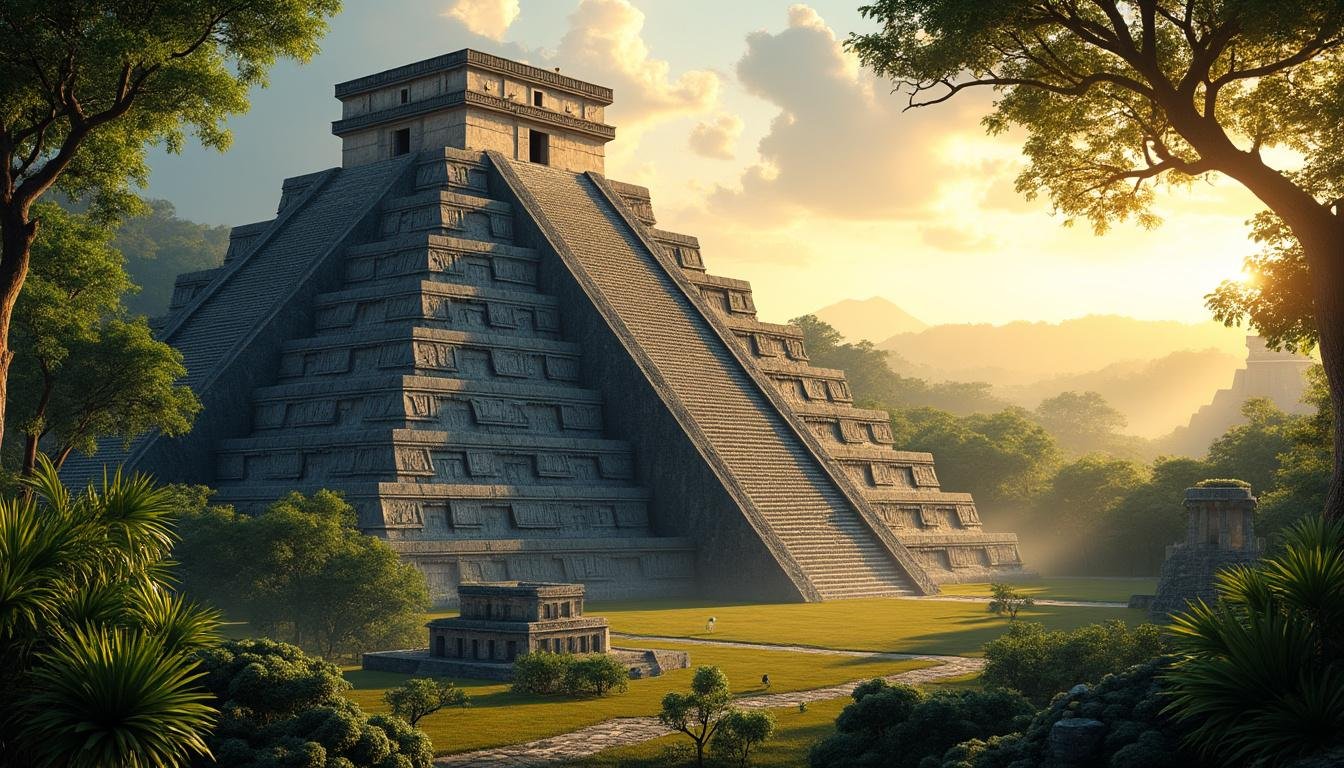
The architectural grandeur of Chichen Itza is underscored by its exceptional construction techniques and its integration of astronomical knowledge. The Pyramid of Kukulkan is the site’s most famous monument, consisting of four staircases with 91 steps each, plus a platform at the top, totaling 365 steps—symbolizing the days of the solar year. This precise correlation between architecture and the calendar highlights the Mayans’ advanced understanding of astronomy and their effort to encode timekeeping in stone.
During the spring and autumn equinoxes, the sun casts shadows on the pyramid that create the illusion of a serpent slithering down the steps. This phenomenon, known as “the descent of Kukulkan,” demonstrates the sophisticated interplay between celestial movements and human design. Other structures around the site also reveal deep astronomical significance, such as the Caracol observatory, whose circular windows and alignment allowed ancient astronomers to observe planetary and stellar movements.
Moreover, the layout of Chichen Itza as a whole embodies cosmic symbolism, mirroring the Mayan worldview and celestial cycles. The symmetry of plazas and the orientation of buildings correspond to cardinal points, while the Sacred Cenote’s placement connects the spiritual underworld to the heavens. These features exemplify how Mayan architects merged cosmology with urban planning, creating spaces that were both functional and sacred.
Advanced construction materials and techniques highlight the ingenuity behind these sites, including precisely carved limestone blocks without modern tools and mortar methods that have endured centuries of exposure. The pyramid’s steep angles and terraces serve not only to impress but also to reflect cultural narratives expressed through architecture. This intrinsic connection between design, astronomy, and spirituality is a defining aspect of Chichen Itza’s enigmatic charm.
Unveiling the Mysteries and Cultural Significance Embedded in Chichen Itza
The mysteries surrounding Chichen Itza extend beyond its architectural feats to include its ceremonial and cultural functions within the ancient Mayan civilization. Scholars continue to debate the exact role of certain rituals and structures, enriching the site’s aura of intrigue. One key enigma is the use of the Sacred Cenote for sacrificial offerings, potentially including human sacrifices, linked to religious appeasement and agricultural fertility.
The sound phenomena in the Great Ball Court are another baffling mystery, as the design allows echoes and acoustic effects that surprise even seasoned visitors. These sonic properties likely created a dramatic atmosphere during the ritualistic ball games, which were not only sports events but also political and spiritual contests reflecting themes of life, death, and cosmic balance.
The presence of intricate carvings depicting serpents, warriors, and mythological creatures suggests a complex spiritual narrative that governed everyday life and state affairs. These motifs contribute to an understanding of the Mayan pantheon and their worldview, emphasizing the interconnectedness of gods, nature, and humanity. The site also holds clues about social hierarchy, with certain buildings reserved for religious elites or rulers, highlighting how power was symbolized and maintained.
Further research and archaeological studies continue to uncover artifacts and information that add layers to the understanding of Chichen Itza. Visitors immersed in exploring these mysteries engage with not only the physical remnants but also the intangible heritage and myths that survive through oral traditions and iconography. This richness makes Chichen Itza an enduring beacon of Mayan culture and an essential subject for those fascinated by archaeology and ancient civilizations.
Archaeological Discoveries and Preservation Efforts at Chichen Itza
The ongoing archaeological work at Chichen Itza plays a vital role in revealing new chapters of its historical narrative and ensuring its preservation for future generations. Excavations over the decades have uncovered hidden chambers, murals, and artifacts that illuminate the daily lives, belief systems, and governance of the Mayan people. These findings contribute significantly to the wider field of Mesoamerican archaeology, enriching understanding far beyond the Yucatan Peninsula.
Preservation of such an extensive site requires a multifaceted approach. The Mexican government, international organizations, and tourism stakeholders collaborate to protect the ruins from environmental damage, human impact, and illicit activities. Techniques such as controlled visitor access, restoration projects, and environmental monitoring have been implemented successfully to sustain the integrity of these ancient structures.
The site’s inclusion in the UNESCO World Heritage list underscores its global significance and the necessity of careful stewardship. Educational programs for visitors and locals foster broader appreciation of the cultural heritage and the importance of conservation. The integration of new technologies, including 3D scanning and digital mapping, enhances both research and protective measures, enabling more precise analysis and replication of endangered features.
Moreover, sustainable tourism initiatives balance economic benefits with conservation needs, ensuring that Chichen Itza remains accessible while minimizing ecological and structural wear. Such efforts create a model for managing archaeological destinations globally, demonstrating how modern methods and respect for indigenous heritage can coexist productively.
Top Reasons for Tourism and Practical Tips for Visiting Chichen Itza
Chichen Itza’s compelling history, mystic lore, and breathtaking ruins make it a premier destination for cultural tourism on the Yucatan Peninsula. Each year, millions of visitors come to witness the site’s architectural masterpieces, engage with Mayan heritage, and experience the unique ambiance that blends history and mystery. The site’s close proximity to other archaeological treasures enhances its appeal, enabling travelers to immerse themselves fully in the ancient Mesoamerican world.
Travelers benefit from guided tours that decode the complex symbolism and share stories embedded in the ruins, making the visit both informative and memorable. Various packages cater to differing interests and time constraints, from half-day excursions to comprehensive explorations. For those seeking a deeper dive, available resources such as guides to exploring Chichen Itza provide extensive details on what to see and how to make the most of the experience.
Practical tips include visiting early in the morning or later in the afternoon to avoid crowds and the midday heat, wearing comfortable footwear and sun protection, and respecting site regulations to preserve its condition. Visitors are encouraged to combine their trip with visits to nearby cenotes and other Mayan sites, enriching their understanding of the region’s natural and cultural environment.
Reasons to visit Chichen Itza include:
- Witnessing one of the New Seven Wonders of the World in person.
- Experiencing Mayan culture through architecture, art, and symbolism.
- Participating in seasonal events, such as equinox celebrations.
- Accessing well-maintained trails and informative guided tours for enriching knowledge.
- Exploring surrounding natural wonders and complementary archaeological sites.
| Best Time to Visit | Key Attractions | Visitor Tips |
|---|---|---|
| November to April (dry season) | Pyramid of Kukulkan, Sacred Cenote, Great Ball Court | Go early morning, bring water and wear sun protection |
| Equinox Days (March & September) | Shadow serpent phenomenon at Kukulkan Pyramid | Arrive early due to large crowds |
| Off-season (May to October) | Fewer tourists, lush landscapes | Prepare for rain and muddy paths |
For anyone looking to delve into the secrets and legacy of this extraordinary archaeological site, comprehensive resources such as explorations of Chichen Itza’s mysteries offer valuable insights for enhancing one’s visit and understanding of its ongoing cultural significance.
What is the historical importance of Chichen Itza?
Chichen Itza was a major political, economic, and religious center of the Mayan civilization, showcasing their architectural, astronomical, and cultural achievements.
What mysteries are associated with the pyramid of Kukulkan?
The pyramid aligns with solar phenomena during equinoxes, creating a serpent-shaped shadow, reflecting Mayan astronomical knowledge and religious symbolism.
How is Chichen Itza preserved today?
Preservation efforts include controlled tourism, archaeological research, restoration practices, and UNESCO designation to maintain its structural and cultural integrity.
When is the best time to visit Chichen Itza?
The dry season from November to April is ideal, with equinox periods offering unique natural light displays, though these times can attract large crowds.
Are there guided tours available for Chichen Itza?
Yes, multiple guided tours exist, offering comprehensive information about the ruins, history, and cultural context to enhance the visitor experience.