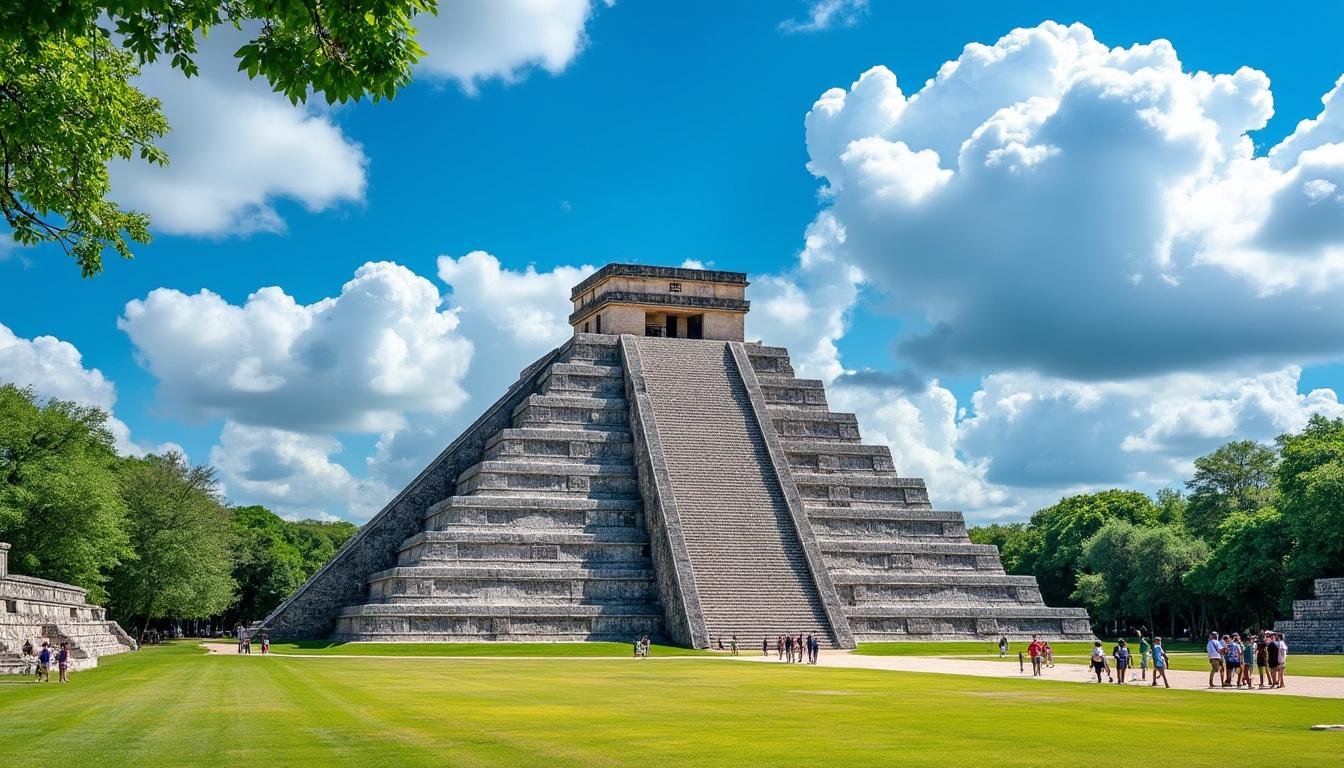
Chichen Itza stands as one of the most iconic symbols of the ancient Maya civilization, nestled deep within Mexico’s Yucatan Peninsula. This archaeological site has fascinated travelers and historians alike, with its intricate architecture and profound cultural heritage. Frequently referred to as the crown jewel of Mayan ruins, Chichen Itza draws millions of visitors seeking to experience its grandeur firsthand. Beyond being a testament to the architectural genius of an ancient people, it offers a direct link to Mexican history, capturing stories of rituals, astronomy, and ancient politics. As the sun rises over El Castillo, the temple of Kukulkan, visitors are reminded of the timeless human quest to comprehend the cosmos through stone and symbol.
Exploring Chichen Itza is more than just a visit to ruins; it’s an immersion into a vibrant chapter of cultural history. The site’s geography places it within the tropical embrace of the Yucatan, where cenotes and lush jungle frame these majestic remains. Modern-day tourists navigating this UNESCO World Heritage site must equip themselves with practical tourist tips and the right planning, especially given the crowds and the site’s popularity. From understanding the significance of the temple pyramid’s design to handling the logistics of travel from nearby cities like Cancun or Playa del Carmen, preparation enhances the experience. This travel guide empowers explorers to navigate the site with knowledge and respect, turning what could be a simple day trip into an indelible journey through time.
Key Points at a Glance:
- Location: Chichen Itza is centrally located in Mexico’s Yucatan Peninsula, easily accessible from Cancun, Playa del Carmen, and Tulum.
- Transportation: Renting a car offers flexibility and opportunities to visit cenotes and the town of Valladolid en route.
- Entry Fees & Hours: Entrance costs approximately 671 pesos for adults; site opens at 8 am, with early arrival recommended.
- Must-See Attractions: El Castillo (Temple of Kukulkan), Temple of the Warriors, Great Ball Court, and nearby cenotes like Ik Kil.
- Best Visiting Period: November to March offers more comfortable temperatures and less rain, crucial for a fulfilling exploration.
How to Navigate and Access Chichen Itza: Travel Tips for a Smooth Journey
Getting to Chichen Itza efficiently is essential for maximizing your visit to this cultural wonder. The site is roughly 2 to 3 hours away from major cities like Cancun, Playa del Carmen, and Tulum, making it an excellent day-trip destination. Rental cars are commonly recommended for travelers seeking freedom in their schedules, enabling detours to nearby cenotes and the charming town of Valladolid. However, familiarity with local driving conditions is important, as navigating can sometimes be tricky due to inconsistent GPS directions and road signage.
One memorable example comes from travelers relying solely on Google Maps to find the main entrance, only to be misdirected toward routes heading back toward Cancun. Cross-referencing with Apple Maps or seeking guidance from official toll booth attendants can prevent such setbacks. Importantly, travelers should download offline maps beforehand, as cellular signal can be spotty in regions near the ruins.
For those less comfortable driving in Mexico, several tour operators offer guided trips departing from the Yucatan Peninsula’s tourist hubs. These tours typically include round-trip transportation, entrance fees, and expert guides fluent in English, ensuring historical insights along the way. Group tours are often more affordable but can mean larger crowds, whereas private tours provide personalized experiences at a higher cost.
Parking at the ruins is another factor to consider. Numerous unofficial parking offers surface near the entrance, often with aggressive vendors. The safest and most convenient option is the official parking lot directly adjacent to the site, which charges a modest fee of approximately 120 pesos. Opting for unauthorized lots may lead to lengthy walks and safety concerns.
Ultimately, whether you choose to rent a car, book a tour, or take public transport, advance planning based on your comfort and budget enhances the adventure. Early arrival — right at the 8 am opening — is highly advised to avoid the midday heat and large tour groups that gather later.
Discovering the Marvels of Ancient Architecture at Chichen Itza
The architectural prowess exhibited at Chichen Itza exemplifies the ingenuity of the ancient Maya civilization. Central to this complex is the Temple of Kukulkan, commonly known as El Castillo. This pyramid not only served religious purposes but was also a cosmic calendar, aligning precisely with solar and lunar cycles. Twice a year, during the spring and autumn equinoxes, the interplay of sunlight on the stepped terraces creates the illusion of a serpent slithering down the side — a mesmerizing tribute to Kukulkan, the feathered serpent deity.
The design of El Castillo reveals an extraordinary integration of astronomy, mathematics, and religious symbolism. The pyramid has four staircases, each with 91 steps, combined with the temple platform being the final step, totaling 365 steps — one for each day of the solar year. Visitors attempting to clap near the pyramid can witness an echo resembling a bird’s chirp, further attesting to the site’s acoustic sophistication.
Beyond El Castillo, the Temple of the Warriors and the adjacent Group of a Thousand Columns display the grandeur of Mayan military and religious architecture. These columns once supported vast roof structures and are richly adorned with carvings of jaguars and warriors, reflecting the site’s cultural and martial significance. The spatial organization here illustrates a planned ceremonial complex rather than a haphazard assembly of buildings.
The Great Ball Court at Chichen Itza, the largest in Mesoamerica, stands as a testament to the Mayan’s sporting and ritualistic culture. This site hosted Pok-ta-Pok, an elaborate ballgame whose stakes were often life and death. The court’s walls still resound with the echoes of the past, and their acoustics demonstrate the Mayan’s architectural finesse.
Additionally, the observatory known as El Caracol showcases ancient expertise in astronomy, with its circular design facilitating celestial observations. This knowledge underpinned the Mayan calendar systems and agricultural practices, emphasizing civilization’s deep relationship with the stars.
The Role of Chichen Itza in Mexican History and Mayan Civilization
Chichen Itza’s history is closely intertwined with the epic story of the Maya, one of the most advanced pre-Columbian civilizations in the Americas. Established between 600 and 1200 AD, it rose as a pivotal economic, political, and cultural center, representing the culmination of centuries of Mayan development on the Yucatan Peninsula. The city’s strategic location fostered trade, astronomy, and religious influence, qualities that are vividly captured in the scale and detail of the ruins.
While the city flourished, its inhabitants constructed temples and public spaces that mirrored their cosmology and societal values. The Sacred Cenote within the site served as a ritualistic focal point, where offerings and sacrifices were made to appease deities like Chaac, the rain god. Though swimming is prohibited there today, its cultural significance is palpable across the ruins.
Spanish explorers eventually encountered these ruins in the 16th century, with Francisco de Montejo credited for rediscovery. Despite neglect and decay over centuries, ongoing archaeological efforts have preserved and restored many structures, leading to UNESCO’s designation of the site as a World Heritage entity since 1988.
In contemporary Mexican history, Chichen Itza stands as a symbol of indigenous heritage and cultural pride. The site educates visitors on the achievements of Mayan civilization and the consequences of colonialism. Every year, millions immerse themselves in this narrative-rich environment, gaining perspective on the complexities and resilience of Mexico’s native peoples.
Understanding this context transforms a visit beyond sightseeing into a deeper appreciation of cultural endurance and the transmission of ancestral knowledge. With each stone telling a story, Chichen Itza remains a powerful testament to Mexico’s rich and diverse history.
Insider Tips and Best Practices for Visiting Chichen Itza in 2026
Planning your visit to Chichen Itza successfully requires more than just booking tickets. The site can become overwhelmingly crowded, especially during peak tourist seasons, so strategic preparation enhances both comfort and enjoyment. Here are some helpful tourist tips to optimize the experience in 2026:
- Arrive Early: The gates open at 8 am. Early arrival helps avoid midday heat and large groups from Cancun and Playa del Carmen tours.
- Bring Essentials: Water, sunscreen, hats, and light snacks are crucial. Food inside is limited and expensive, and shade is minimal throughout the site.
- Ticket Tips: Adult tickets cost around 671 pesos, with fees divided between federal and state authorities. Children under 12 often enter free, but always verify current policies. It’s best to buy tickets online or at the official entrance to avoid scams.
- Parking Advice: Avoid unofficial parking vendors waving cars off-road. Use the official lot for a safer, more convenient option.
- Local Experience: Include a stop in Valladolid for authentic local culture and excellent regional cuisine. Staying overnight in this colorful town offers a peaceful contrast to the bustling ruins.
- Cenote Visits: Enhance your trip by swimming in nearby cenotes like Ik Kil, Suytun, or Oxman for a refreshing escape from the heat after exploring ruins.
- Respect the Site: No climbing on structures as it is prohibited, preserving the ruins for future generations.
By following these guidelines, visitors gain more from their journey, balancing adventure with respect for this precious cultural heritage.
Travelers often seek detailed guides to prepare for the sensory and historical immersion at Chichen Itza. Videos showcasing the site’s highlights, cultural background, and insider tips are invaluable resources for modern explorers.
Recommended Itinerary and Practical Table for Exploring Chichen Itza and Surroundings
To help visitors structure their time wisely, the following itinerary and details balance cultural exploration, relaxation, and practical logistics.
| Time | Activity | Notes |
|---|---|---|
| 8:00 AM | Arrival and ticketing at Chichen Itza (El Castillo entrance) | Beat crowds; bring cash in pesos for entrance and parking fees |
| 8:15 – 10:00 AM | Explore El Castillo, Temple of the Warriors, and Group of a Thousand Columns | Witness equinox serpent (seasonal); best for photography and fewer crowds |
| 10:00 – 11:00 AM | Visit Great Ball Court and El Caracol Observatory | Learn about ancient Mayan sport and astronomy |
| 11:00 – Noon | Walk around Sacred Cenote and small temples | Observe rituals’ site; no swimming allowed |
| Noon | Departure towards Valladolid for lunch and town exploration | Try local dishes such as panuchos and salbutes at Mercado de Comida |
| Afternoon | Cenote swim at Ik Kil or Suytun | Refresh after ruin exploration; popular spots with stunning views |
| Evening | Overnight stay in Valladolid | Recommended: Hotel Meson del Marques for comfort and value |
This schedule offers a balanced day of archaeological wonder with leisurely cultural and natural experiences nearby.
Can I climb the pyramid at Chichen Itza?
Climbing El Castillo pyramid is prohibited to preserve the site. Visitors can admire it from the ground and experience its wonders through guided explanations.
What is the best time of year to visit Chichen Itza?
November through March are recommended months due to cooler temperatures and lower rainfall, enhancing the overall comfort of your visit.
Are there guided tours available onsite?
Yes, both group and private guided tours are available, providing valuable historical context and tailored experiences.
Is it safe to rent a car and drive to Chichen Itza?
Renting a car is safe if you choose reputable companies and carefully plan your route. Official toll roads are well maintained, but GPS discrepancies mean paying attention to road signs is essential.
Can children enter the archaeological site for free?
Children under 12 years old generally enter without charge, though it is good to verify current policies before arrival.