
Chichen Itza stands as one of the most iconic tourist attractions in Mexico, inviting travelers to unravel the mysteries of the ancient Maya civilization. Nestled in the heart of the Yucatan Peninsula, this archaeological site offers a mesmerizing blend of cultural heritage, historical grandeur, and natural beauty. Beyond its status as a UNESCO World Heritage Site and one of the New Seven Wonders of the World, Chichen Itza continuously captivates visitors with its architectural marvels and rich history. Whether arriving from Cancun or exploring the Riviera Maya, a well-planned travel itinerary ensures a memorable experience discovering this ancient city.
Visitors can anticipate an immersive journey through centuries-old temples, sacred cenotes, and expansive ball courts, each narrating a fragment of Mayan culture and spirituality. The diverse array of tours and activities caters to a range of interests, from educational guided explorations to adventurous cenote swims. Navigating the site’s vast ruins requires thoughtful preparation, and knowing the best times to visit or how to secure entry can significantly enhance the overall adventure. This comprehensive travel guide simplifies the process, providing essential visit tips for 2026 and beyond, ensuring every traveler can connect deeply with this archaeological treasure.
Exploring Chichen Itza is not limited to the ruins alone—the surrounding region offers vibrant towns, stunning natural wonders, and authentic local cuisine that enrich the cultural experience. Proximity to key cities such as Playa del Carmen, Merida, and Tulum makes it accessible for day trips or extended stays, accommodating various travel plans. For history enthusiasts and casual tourists alike, this ancient Maya site promises awe-inspiring encounters and a window into a civilization that has shaped much of Mexico’s heritage. This guide delves into all facets of the visit, presenting detailed insights and practical advice, weaving a vivid portrait of Chichen Itza’s enduring significance.
Quick Facts and Visit Highlights:
- Location: Yucatan Peninsula, Mexico, near the town of Piste
- Opening Hours: Daily from 8 AM to 5 PM, with special night shows available
- Entrance Fee: Approximately $35 USD (614 MXN) for tourists, payable onsite or in advance for skip-the-line access
- Transportation: Accessible by bus, rental car, or various guided tours from Cancun, Playa del Carmen, and Tulum
- Top Attractions: El Castillo pyramid, Temple of the Warriors, Great Ball Court, Sacred Cenote
- Nearby Activities: Swimming in cenotes, exploring Valladolid town, cultural dining experiences
Exploring the Cultural Heritage of Chichen Itza: Insights into the Ancient Maya Civilization
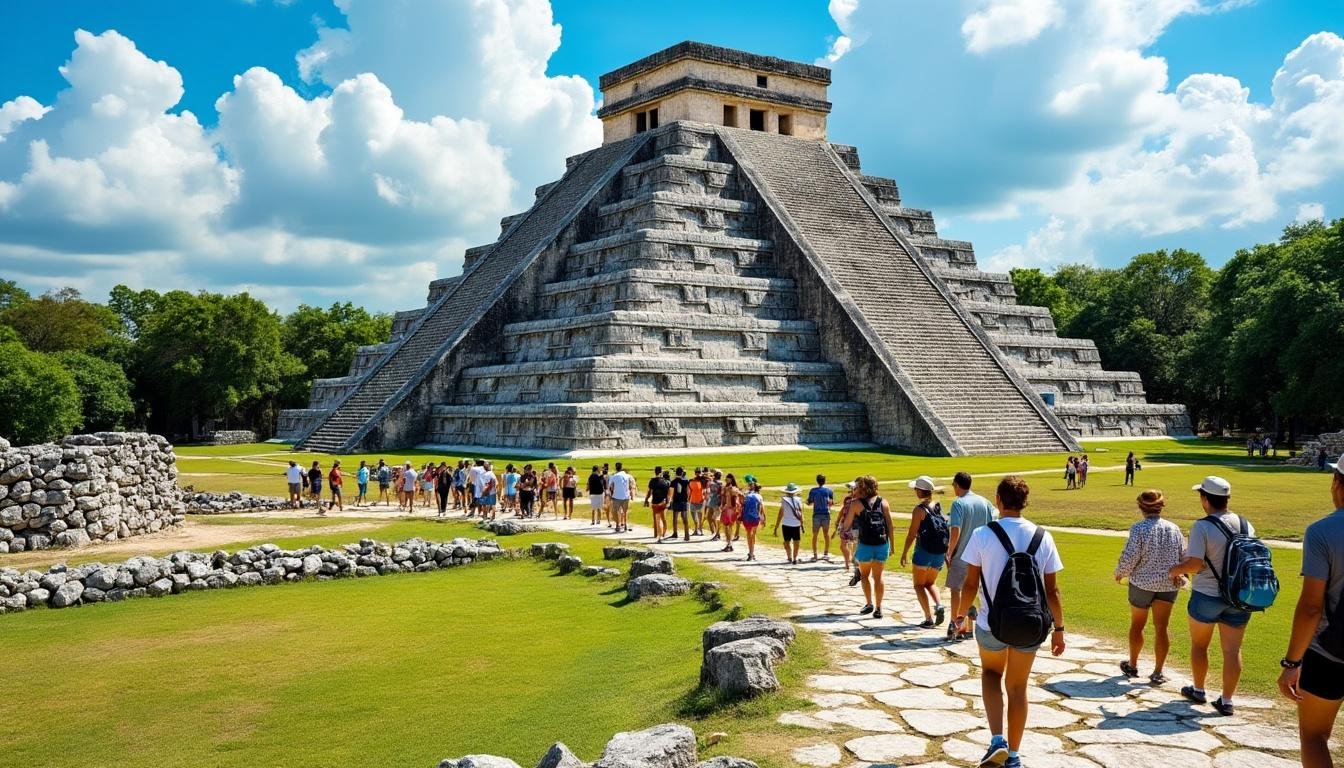
The archaeological site at Chichen Itza serves as a profound testament to the ingenuity and complexity of the ancient Maya culture, which flourished in the region over a millennium ago. This city was a hub of religious, political, and economic activity on the Yucatan Peninsula, showcasing advanced architectural and astronomical knowledge through its monuments. The iconic El Castillo pyramid, also known as the Temple of Kukulcan, stands as a pinnacle example of Mayan engineering. Its precise solar alignments during the equinoxes create the famous serpent shadow illusion, a phenomenon studied extensively by archaeologists and visitors alike.
Beyond El Castillo, the site offers a rich tapestry of structures, each with a unique role in the cultural heritage of the ancient Maya. The Temple of the Warriors, surrounded by a forest of carved columns, features depictions of armed figures and provides insight into the social importance of warriors in Mayan society. The Great Ball Court, the largest of its kind in the Maya world, emphasizes the role of sport and ritual in ancient life, where games had both entertainment and religious significance. Meanwhile, the Observatory (El Caracol) reveals the Maya’s sophisticated approach to celestial events, allowing priest-astronomers to track lunar cycles and equinoxes.
Chichen Itza’s sacred cenote adds a spiritual dimension to the understanding of the Maya worldview. These natural sinkholes were ceremonial sites used for offerings and sacrifices, linking the people to the underworld and divine. The materials recovered from the cenote, including jade, ceramics, and human remains, narrate rituals that were integral to the culture. Exploring these sites within the complex offers a deep dive into ancient Maya belief systems and daily life, enriching the visitor’s appreciation of this vast and multifaceted cultural heritage.
Planning Your Travel Itinerary: Best Ways to Reach Chichen Itza and Navigate the Ruins
Accessibility to Chichen Itza from major tourist hubs ensures it remains a highly favored destination within the Riviera Maya and the larger Yucatan Peninsula. For travelers starting in Cancun, Playa del Carmen, or Tulum, various transportation options offer flexibility to suit different budgets and preferences. The ADO bus service is a reliable, budget-friendly method, running scheduled trips directly to the archaeological site from downtown terminals. However, bus timetables may limit the ability to arrive early or stay late, so timing is critical for those aiming to beat crowds or capture the morning light.
Renting a car is increasingly popular for visitors who desire freedom to explore at a personal pace, enabling stops at neighboring attractions such as cenotes or the colonial town of Valladolid. The roads are well-maintained, and signage to Chichen Itza is clear, but it is advisable to rent with reputed providers for peace of mind and comprehensive insurance coverage. Parking is available near the ruins, though arriving early prevents parking congestion, especially during peak tourist seasons.
A variety of tours depart daily from Cancun and surrounding cities, catering to different tastes—from economical shared group tours that include visits to nearby cenotes to private guided excursions offering in-depth narratives about the Mayan ruins. Booking in advance, particularly for popular tours that include skip-the-line tickets, enhances the visit by reducing wait times and ensuring entrance on busy days. Travelers seeking to enrich their understanding should consider hiring official guides at the site, who bring history to life with details often absent from self-guided experiences.
| Transportation Option | Estimated Cost | Duration (One Way) | Benefits |
|---|---|---|---|
| ADO Bus | $10 – $15 USD | 2.5 – 3 hours | Budget-friendly, direct route |
| Rental car | $25 – $35 USD per day | 2 – 3 hours | Flexible schedule, access to other sites |
| Guided Tour | $39 – $95 USD | Full-day | Includes guide, transportation, extras (cenote, meals) |
| Taxi | $70 – $100 USD one way | 2.5 – 3 hours | Direct and private, but more expensive |
Whether relying on public transportation, private rental, or organized tours, advance planning ensures a smoother experience at this sprawling archaeological site. For travelers interested in an in-depth visit, considering overnight stays in nearby towns like Piste or Valladolid unlocks early site access and opportunities to attend the captivating Chichen Itza Night Show. Early arrival not only offers a quieter atmosphere but also better lighting conditions for photography and a cooler climate to explore the ruins comfortably.
Visit Tips for Chichen Itza: Preparing for the Climate, Crowd, and Cultural Experience
Maximizing enjoyment and safety when visiting the Chichen Itza Mayan ruins requires thoughtful preparation. The tropical climate of the Yucatan Peninsula means sun exposure can be intense, especially in the open areas of the site where shade is limited. Visitors should bring sun protection, including hats, sunscreen, and sunglasses, along with lightweight breathable clothing to stay comfortable during extensive walks. Carrying a durable water bottle is essential to stay hydrated, as temperatures often exceed 30°C (86°F) during peak times.
Another crucial aspect involves managing crowds, as Chichen Itza is one of Mexico’s most visited archaeological sites. Weekdays outside of holiday periods, especially November through March, tend to be less congested. Arriving at opening time is the most effective strategy to experience the ruins with fewer people and cooler temperatures. Sundays, when locals enter free of charge, should generally be avoided by international tourists to evade overwhelming visitor density.
Carrying Mexican pesos in cash is advisable since entrance fees and on-site vendors often have limited credit card acceptance. Cameras are welcome for capturing the site’s grandeur, but tripods are strictly prohibited unless accompanied by specific permits. Additionally, climbing the main temple, El Castillo, has been permanently restricted due to preservation concerns and visitor safety incidents. Respecting these regulations helps preserve the site’s integrity for future generations.
For those keen to extend their cultural immersion, local guides offer invaluable insight, enriching the visit with stories of Mayan rituals, architectural symbolism, and archaeological discoveries. Their presence augments understanding beyond what signage and self-guided tours provide. Furthermore, sampling traditional Yucatecan cuisine in nearby towns, paired with a refreshing swim in one of the vibrant cenotes, completes the authentic experience of the region.
The Top Highlights Within Chichen Itza: Must-See Structures and Their Significance
No visit to Chichen Itza would be complete without exploring its key monuments, each narrating a chapter of the ancient Maya society’s grandeur and complexity. First and foremost is El Castillo (Temple of Kukulcan), with its elegant pyramid shape and astronomical significance. Comprising four stairways each with 91 steps plus a final step at the summit, the structure ingeniously embodies the 365-day solar calendar. The serpentine shadow formed during equinoxes is a phenomenon that continues to attract scholars and visitors.
The Temple of the Warriors impresses with its vast colonnade of carved stone pillars adorned with depictions of armed figures, offering a glimpse into the martial culture and religious worship practices. Nearby lies the Great Ball Court, the largest known Mayan sports arena where ritualistic ball games were held, symbolizing themes of life and death often intertwined with Mayan religion.
The Sacred Cenote presents a somber yet intriguing site where ceremonial offerings and human sacrifices were made, believed to appease the gods and ensure bounty and protection. Visitors can observe its towering limestone walls but cannot swim due to its spiritual importance and depth.
Lastly, the Observatory (El Caracol) offers architectural evidence of the Mayans’ astronomical expertise. The circular construction atop a rectangular platform and the strategic placement of windows demonstrate how the Maya tracked celestial bodies to align their calendars accurately, underpinning much of their societal planning and rituals.
Unlocking the Full Experience: Nearby Cenotes, Accommodation, and Practical Advice
Cenotes around Chichen Itza provide refreshing natural settings that contrast the ancient stony monuments, allowing visitors to cool off after a day of exploration. Among the most popular is Cenote Ik Kil, located just minutes from the ruins. Its open-air design with hanging vines creates a mystical ambiance for a swim, and life jackets are provided for safety. Other options such as Cenote Xcajum or the more secluded Cenote LOL-HA offer tranquil environments with fewer crowds, ideal for those seeking solitude after the bustling archaeological site.
Accommodation options vary from budget-friendly inns near Piste to upscale resorts like Hacienda Chichen Resort and Yaxkin Spa close to the ruins. Staying nearby enhances the opportunity to witness the sunrise over the pyramids or experience the spectacular Chichen Itza Night Show, a multimedia light and sound event that reimagines the site’s history after sunset. This show provides a unique, less crowded way to engage with the ancient city’s mystique.
Transportation tips include securing parking early if driving, carrying local currency, and wearing sturdy footwear due to uneven terrain. Packing essentials should cover sun protection, insect repellent, and swimwear for cenote visits, while local guides are recommended for enriching narratives that deepen appreciation of the site’s significance.
| Accommodation | Price Range (USD) | Distance from Chichen Itza | Unique Features |
|---|---|---|---|
| Hotel Doralba Inn | $40 – $60 | 5 minutes by car | Budget-friendly, pool, near Cenote Ik Kil |
| La Casa de las Lunas | $30 – $50 | 5 minutes by taxi to Piste | Local charm, central location, friendly staff |
| Hotel Okaan | $80 – $120 | 10 minutes by car | Forest surroundings, private bungalow option |
| Hacienda Chichen Resort | $200+ | Within walking distance | Spa, colonial decor, garden views |
Choosing accommodation that fits the travel itinerary enhances logistical ease, allowing visitors to maximize time spent within the archaeological site and its environs. For travelers seeking expertise in planning a comprehensive visit, numerous resources and online travel guides offer detailed advice tailored to 2026 trends and visitor experiences, such as a comprehensive guide to exploring Chichen Itza and expertly curated visit tips for Chichen Itza.
What is the best time of day to visit Chichen Itza to avoid crowds?
Arriving right at the opening time of 8 AM is ideal to avoid the large tour groups and the midday heat, allowing for a more peaceful exploration of the ruins.
Can visitors still climb the El Castillo pyramid?
No, climbing El Castillo has been permanently prohibited to preserve the stonework and ensure visitor safety.
Are there guided tours available at Chichen Itza?
Yes, many guided tours depart from nearby cities, and onsite official guides are available at the entrance to enrich the visitor experience.
Is it possible to buy tickets online?
Skip-the-line tickets are available online for a higher price, but general admission tickets must typically be purchased at the site itself.
Which nearby cenotes are recommended for swimming after visiting the ruins?
Cenote Ik Kil and Cenote Xcajum are popular choices near Chichen Itza, providing refreshing swimming opportunities for visitors.