
The ancient ruins of Tulum stand as a remarkable testament to the once-thriving Mayan civilization that ruled the Yucatán Peninsula centuries ago. Nestled on the eastern coast of Mexico’s Riviera Maya, these well-preserved ruins offer visitors an enchanting glimpse into history, archaeology, and cultural heritage. Tulum’s unique location, overlooking the turquoise waters of the Caribbean Sea, has made it one of Mexico’s most visited historical sites, drawing travelers eager to explore its stone temples, defensive walls, and rich past. The confluence of natural beauty and archaeological significance creates a captivating experience for both casual tourists and serious explorers alike.
Traveling to Tulum provides a multifaceted journey, where visitors not only witness the architectural achievements of the Mayan civilization but also engage with the broader cultural landscape of Mexico. From guided tours and educational resources to the vibrant tourism infrastructure supporting the site, Tulum invites exploration in a way that deepens appreciation for history and the environment. This article dives into the layered history behind the ancient ruins, shares invaluable travel tips, and unveils how modern tourism intersects with ancient legacy on this striking stretch of Mexican coastline.
Unveiling the History of Tulum: An Archaeological Perspective on Ancient Ruins
Tulum serves as an extraordinary archaeological site that chronicles the complexity of the Mayan civilization during the Late Postclassic period, roughly between 1200 and 1521 AD. Originally named “Zama,” meaning “City of Dawn,” it earned its reputation due to its easternmost location, allowing inhabitants to greet each sunrise over the Caribbean Sea. This positioning was no accident but a strategic and symbolic choice reflecting the community’s spiritual beliefs and trade importance.
The city flourished as a fortified port linking maritime trade routes throughout the region. Enclosed by robust defensive walls, Tulum’s layout reveals a harmonious blend of military protection and religious devotion. Archaeologists have uncovered key structures including the Temple of the Frescoes, the Temple of the Descending God, and the iconic El Castillo. El Castillo served both as a lighthouse for ancient Mayan seafarers and as a religious temple, highlighting the multifunctionality of these stone edifices.
Excavations at Tulum have brought to light intricate murals and stucco carvings that narrate mythological tales and celestial observations. These findings illustrate how the Mayans blended artistry with astronomy, embedding their cultural values into the very walls that stand today. Notably, Tulum remained inhabited even after the Spanish conquest began, which provides unique layers of historical evidence not found in other Maya cities that were abandoned abruptly.
This site reflects a vibrant snapshot of Mayan life, commerce, and ritual, giving researchers vital clues about social hierarchy, economic interactions, and spiritual practices. Its coexistence with natural surroundings emphasizes sustainability and respect for the environment—principles that modern visitors can witness firsthand. Tulum’s enduring significance continues to fascinate those passionate about ancient civilizations, archaeology, and Mexico’s cultural heritage, making it a focal point of historical studies and tourism alike.
Essential Travel Tips for Visiting Tulum’s Ancient Ruins and Maximizing Exploration
Exploring the ancient ruins of Tulum requires thoughtful preparation to fully appreciate its historical grandeur and natural beauty. Due to Tulum’s popularity as a tourism hotspot, early planning can help ensure a seamless experience. The best time to visit generally falls in the dry season, between November and April, when the weather is sunny and comfortable for walking through the extensive archaeological zones.
Visitors are advised to arrive early in the morning to avoid the midday heat and large crowds, thereby enjoying a more peaceful exploration of the ruins. Hiring a local licensed guide enriches the visit by providing insightful context about Mayan culture, architecture, and mythology, which cannot always be gleaned from onsite informational signs. For those preferring self-guided tours, many mobile apps and guidebooks offer detailed maps and narratives to navigate the site effectively.
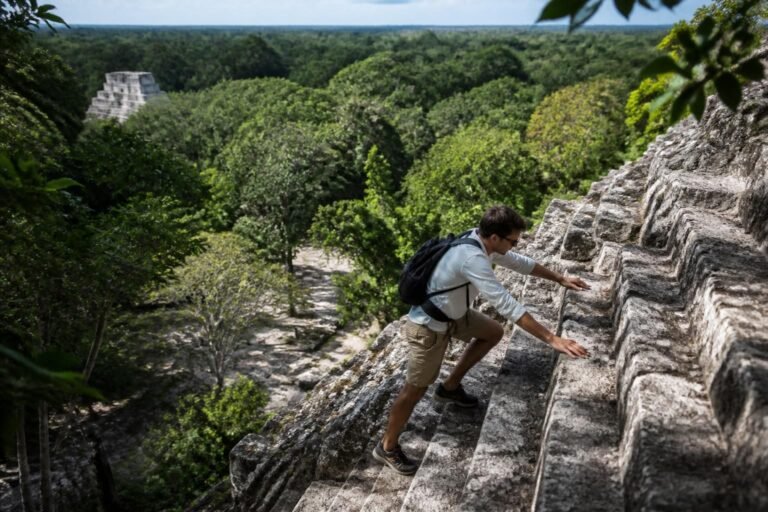
Comfortable shoes are vital, as the terrain involves uneven stone steps and paths that require steady footing. Protecting oneself from the sun with a hat, sunscreen, and plenty of water is crucial to maintain energy and focus during the visit. Photographers will find Tulum’s dramatic cliffs and ocean backdrop ideal for capturing the fusion of historical ruins and natural splendor, particularly during golden hour just after sunrise or before sunset.
Aside from the ruins themselves, planning to explore nearby attractions such as Cenote Calavera or the Sian Ka’an Biosphere Reserve can broaden the cultural and ecological appreciation of the region. Local markets and eateries offer a taste of authentic Mexican cuisine, enhancing the overall travel experience. Responsible tourism should be a priority: visitors must respect signage, avoid touching delicate frescoes, and dispose of waste properly to preserve Tulum’s cultural heritage for future generations.
- Visit early mornings during the dry season.
- Wear comfortable, sturdy footwear and sun protection.
- Hire local guides or use digital resources for in-depth exploration.
- Hydrate and plan breaks to manage physical exertion.
- Combine the visit with nearby natural and cultural sites.
- Practice eco-friendly and respectful behavior onsite.
The Role of Tulum in the Wider Context of Mayan Civilization and Its Influence Today
Tulum represents a unique chapter in the story of the Maya civilization, whose influence stretches from Guatemala and Belize through large parts of southern Mexico. Unlike other Mayan cities that peaked earlier, Tulum thrived during a period marked by political shifts and increased coastal commerce. Its strategic positioning along the eastern coastline made it a central hub for trade, exchanging goods such as obsidian, jade, textiles, and salt with distant communities.
The ruins symbolize the adaptability of the Maya people, blending defensive architecture with spiritual symbolism in ways that reflected both pragmatism and reverence. The coexistence of sea-facing temples and fortified walls attests to the dual nature of Tulum’s residents as both devout practitioners and astute traders. This confluence permitted sustained occupation even during the turbulent years of European colonization, where Tulum’s resilience was tested and documented.
Today, Tulum serves as a cultural bridge uniting the ancient with the contemporary. The preservation efforts highlight the value of archaeological heritage and encourage tourism that educates visitors about indigenous histories predating colonial times. Local communities benefit from this sustainable tourism through economic development while fostering pride in ancestral legacy. Annual cultural festivals and archaeological workshops held nearby reinforce this connection, inviting participation in ongoing discovery and conservation.
Moreover, Tulum’s archetypal image in media and tourism underscores the importance of protecting such heritage sites worldwide. For historians and archaeologists, Tulum is a laboratory for studying Mayan resilience and cross-cultural exchange. For travelers, it offers not only breathtaking vistas but also a palpable sense of connection to a civilization that continues to shape Mexico’s identity and appeal as a cultural tourism destination.
Practical Guide: How to Navigate Tulum and Make the Most of Your Cultural Heritage Tour
The layout of Tulum’s archaeological site facilitates a dynamic walking tour that reveals successive layers of its cultural past. To navigate efficiently, visitors should start at the main entrance near the parking area, proceeding towards the Temple of the Frescoes located in the site’s northern section. This temple’s preserved murals offer an immersive look into Mayan mythology and calendar systems, making it a highlight before advancing further inland.
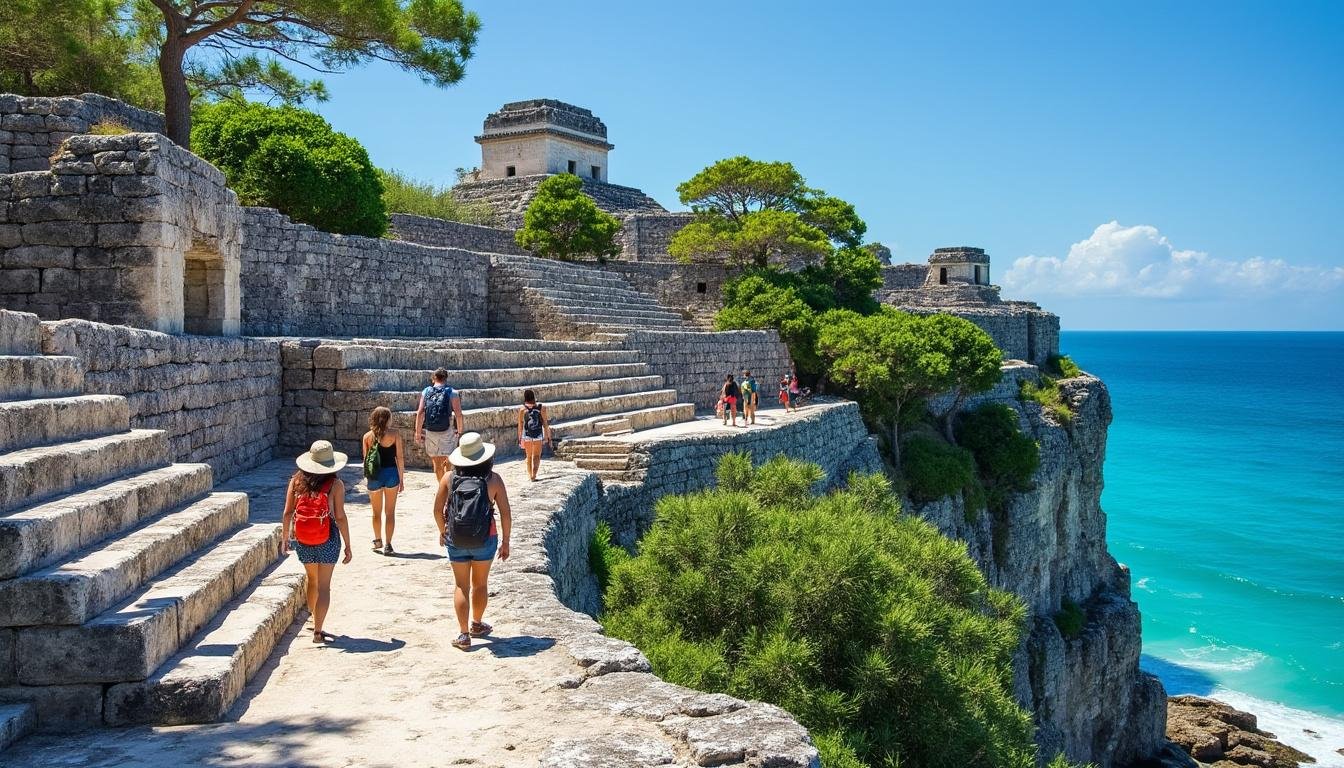
From there, the path leads to El Castillo, perched on a cliff edge overlooking the sea, offering panoramic views and photo opportunities. This structure’s dual function as a temple and lighthouse invites fascinating interpretations about the symbiosis of human ingenuity and natural geography. The site includes smaller temples and platforms around El Castillo, each contributing to understanding the city’s social and ritual functions.
Visitors should allocate at least two to three hours to thoroughly explore the ruins without rush, including time to visit the adjacent beach area which offers a refreshing retreat after the tour. Accessibility is reasonably good, though some steep steps may challenge those with limited mobility. To enhance the experience, guided tours often incorporate archaeological insights and stories that bring the stones to life beyond their physical structure.
The site’s infrastructure includes shaded rest areas, potable water fountains, and restroom facilities located near the entrance. For those interested in longer cultural immersion, combining the Tulum ruins tour with visits to nearby Mayan villages or eco-parks can deepen understanding of ongoing Mayan traditions and contemporary life in the region.
| Feature | Description | Travel Tips |
|---|---|---|
| Temple of the Frescoes | Known for well-preserved murals depicting Mayan gods and celestial themes | Visit early to avoid crowds and use guides for detailed narratives |
| El Castillo | Fortified temple overlooking the sea, served as a lighthouse and religious center | Bring a camera for panoramic views and explore surrounding platforms |
| Defensive Walls | Enclosed the city to protect inhabitants from external threats | Walk along accessible sections to appreciate ancient military architecture |
| Beach Adjacent to Ruins | Offers a scenic rest area with crystal-clear Caribbean waters | Pack swimwear and towels to enjoy a refreshing dip after touring |
Tourism Development and Authentic Exploration: Balancing Preservation and Visitor Experience
The growth of tourism around Tulum’s ancient ruins over recent decades has led to complex challenges and opportunities. The site’s increasing popularity reflects global fascination with Mayan archaeology; however, the surge in visitors requires responsible management to protect fragile structures and the surrounding natural landscapes. Conservation efforts spearheaded by cultural heritage organizations emphasize sustainable tourism models that integrate education with preservation.
Local businesses and tour operators have adapted to these demands by offering curated experiences that respect both the archaeological significance and environmental sensitivity of the area. This includes limiting daily visitors, enforcing strict guidelines about visitor conduct, and investing in interpretative programs that highlight the value of cultural heritage. Community involvement plays a crucial role, ensuring that indigenous voices contribute to how the ruins and surrounding attractions are presented and maintained.
For travelers eager to engage in authentic exploration, recommendations include participating in guided hikes through nearby tropical forests, visiting protected nature reserves, and exploring Mayan archaeological sites outside the main tourist circuit. These efforts foster a deeper connection to Mexico’s rich cultural mosaic while supporting local economies and conservation initiatives. Ultimately, the balance between tourism development and heritage preservation defines Tulum’s role as a living cultural landmark, inspiring generations of adventure seekers and historians alike.
- Choose eco-friendly tour operators supporting preservation.
- Respect site regulations and avoid interfering with archaeological features.
- Support local artisans and businesses contributing to sustainable tourism.
- Consider off-peak visits for a quieter experience.
- Engage in educational programs offered by cultural organizations.
What is the best time of year to visit the Tulum ruins?
The optimal visiting period is during the dry season, from November to April, when weather conditions are favorable for outdoor exploration and crowds are relatively manageable.
Are there any restrictions when visiting the ancient ruins of Tulum?
Yes, visitors must follow site rules such as not climbing on fragile structures, avoiding touching murals, and disposing of trash responsibly to preserve the cultural heritage.
Can the Tulum ruins be visited without a guide?
Self-guided tours are possible using apps or guidebooks; however, hiring a local guide enhances understanding of the site’s historical and cultural context.
Is the Tulum archaeological site accessible for people with limited mobility?
While many areas are accessible, some sections include uneven terrain and stairs that may pose challenges; planning ahead and seeking assistance is recommended.
What other attractions can be combined with a trip to Tulum ruins?
Nearby natural sites like cenotes, the Sian Ka’an Biosphere Reserve, and local Mayan villages offer enriching cultural and ecological experiences.