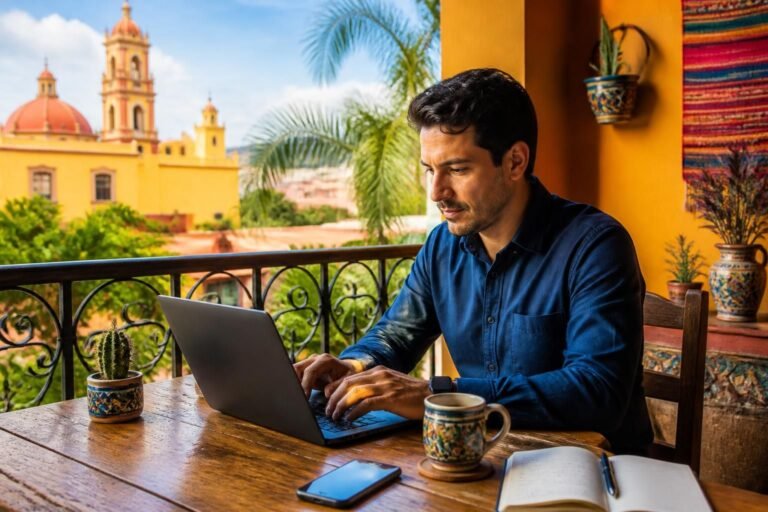
Mexico presents an inviting gateway for expats seeking to establish residence with its straightforward immigration policies and an array of visa options. From vacation visits to long-term stays, the country offers versatile pathways tailored to various needs, lifestyles, and financial situations. Navigating the visa application process, however, requires understanding the specific permits available, eligibility conditions, and procedural nuances that shape the journey toward legal residency in this vibrant nation. With a multicultural atmosphere coupled with stunning historical and natural attractions — like the iconic Chichen Itza — Mexico continues to attract global citizens eager to immerse themselves in its unique culture and welcoming environment.
For newcomers, the path begins commonly with a tourist visa — a temporary authorization allowing a maximum stay of up to 180 days, depending on immigration discretion. Beyond tourism, temporary resident visas pave the way for medium-term living arrangements, granting the right to reside typically from one to four years. A Permanent Resident Visa ensures indefinite legal residence, achievable after meeting certain continuous residency or financial criteria. Each visa category carries distinct demands, benefits, and limitations, and understanding these is crucial for a seamless transition to expat life.
Given the diversity of interests among expatriates—be it retirees, digital nomads, remote workers, or those establishing businesses—this guide unpacks each major residency permit type with practical examples and an emphasis on preparing required documentation correctly. Mexican consulates play a pivotal role, as all residency applications commence outside Mexico, an essential detail often overlooked by hopeful residents. The intricacies of the consular process, the subsequent INM (Instituto Nacional de Migración) registration, and the subtle legalities surrounding work permissions for foreigners complete the framework that expats must understand.
Embracing Mexico means more than paperwork; it involves cultural immersion, readiness for an insider’s experience in local banking and healthcare systems, and respect for immigration formalities. This holistic understanding imbues confidence and a clearer vision for those embarking on their Mexican residency journey.
Key takeaways for prospective expats:
- Tourist permits allow up to 180 days, but exact durations are discretionary and should always be requested explicitly.
- Temporary Resident Visas require meeting monthly income or savings thresholds, initiating via consulates abroad.
- Permanent Residency follows years of temporary residency or can be granted directly with elevated financial proof or family ties.
- Work permissions come separately and must be understood for legal employment within Mexico.
- All residency routes involve a multi-step, bureaucratic process emphasizing accurate documentation and timing.
Understanding the Mexican Tourist Visa: FMM and Initial Entry
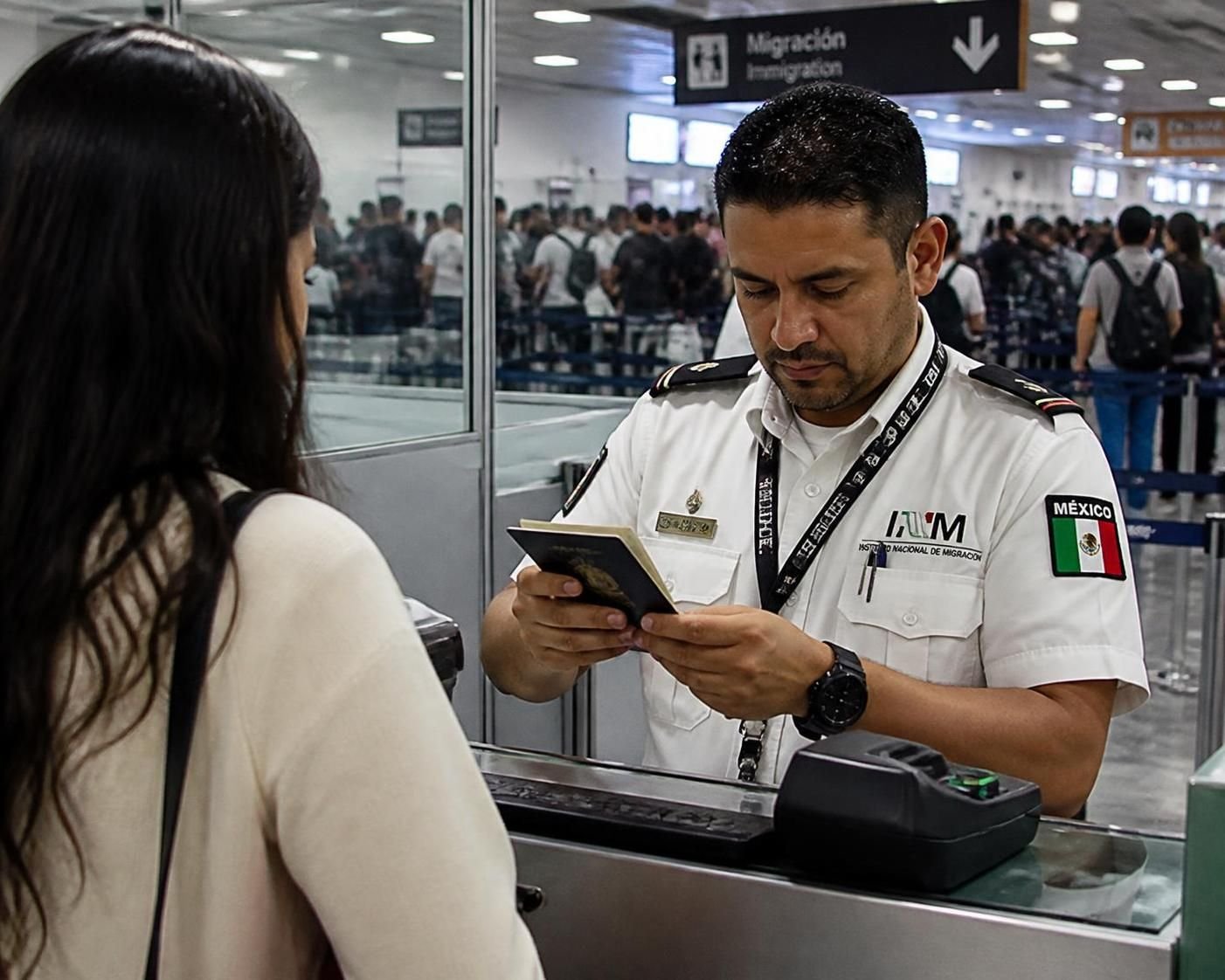
The tourist visa, formally known as the Forma Migratoria Múltiple (FMM), represents the most common initial form of entry for expats and travelers coming to Mexico from numerous Western countries. It grants a stay up to 180 days for US, Canadian, EU, UK, and Australian passport holders, but immigration officials hold authority to limit this duration. Unlike traditional visas, the FMM functions more like a permit issued upon arrival, representing the starting point of any extended stay plan.
Though a full 180-day stay is often the goal, practical experience shows this period varies significantly. Factors influencing the granted duration can include the immigration officer’s perception, traveler’s answers during inspection, stated intentions, and even the volume of travelers at the port of entry. Visitors who confidently declare a six-month stay (or “seis meses”) and demonstrate clarity typically secure the maximum allowed period. Vague or hesitant answers may result in shorter permits, sometimes as brief as a few weeks.
Since 2024, Mexico has progressively implemented electronic FMM processing, enhancing convenience, especially at major airports. Paper forms persist primarily at land borders, where travelers must also pay a fee of around $35 for stays beyond seven days, sometimes separate from airfare charges. Travelers must safeguard the FMM carefully throughout their visit since a lost form could mean lengthy visits to immigration offices to obtain replacements.
The FMM’s role transcends mere entry – it holds significant weight in immigration history records, influencing future admissions. Some expats attempt to use “border runs” to reset their 180-day tourist permissions by exiting and re-entering the country. While this strategy might work in the short term, Mexican immigration has grown more scrutinizing of repeated patterns indicating de facto residency without proper permits. The risks of denied entry increase with prolonged border run usage.
To maximize their stay on a tourist visa, visitors should focus on:
- Clearly stating the intended duration as 180 days when entering.
- Maintaining a well-organized itinerary or proof of onward travel.
- Keeping a digital and physical copy of the FMM document.
- Avoiding ambiguous answers during immigration questioning.
- Understanding that the tourist visa does not confer rights to work or engage in professional activities within Mexico.
For those planning long-term living, the tourist visa provides a starting point but not a sustainable solution. Shifting to a temporary resident visa or other residency permits is essential to ensure legal status and access to services such as local banking, healthcare, and property ownership without restrictions.
Temporary Resident Visa: Requirements and Procedures for Expats
For expats envisioning extended stays exceeding six months, the temporary resident visa (Visa de Residente Temporal) is a widely utilized option. Valid for 1 to 4 years with possibilities for renewal, it grants privileges including travel flexibility, legal residency, and easier access to financial services such as opening Mexican bank accounts and obtaining tax identification numbers.
The financial eligibility conditions reflect the government’s aim to ensure applicants possess sufficient means to support themselves without burdening local resources. As of early 2026, the minimum requirements generally include:
- A monthly income of approximately $4,400 USD net evidenced over the past six months, OR
- A consistent savings or investments balance of approximately $73,000 USD averaged over the past 12 months.
These figures are updated annually in accordance with Mexico’s Unit of Measurement and Update (UMA) system, reflecting inflation and economic shifts.
Applicants must begin the visa application at a Mexican consulate outside of Mexico—an important rule that prevents switching from a tourist visa status to residency from within the country. The consulate interview typically demands well-organized documentation, including bank statements matching consular specifications, completed forms, proper passport photos, and payment of consular fees. Timeliness is paramount, with some consulates busier than others, influencing appointment availability and processing times.
Consulates in Houston or Denver often provide smoother scheduling compared to Los Angeles, which is notably busy. Planning the timing of the application can thus reduce frustration. Applicants must be prepared to arrive in Mexico within the visa’s 180-day validity period and promptly complete the ‘canje’ process at an INM office to convert their consular visa sticker into an official temporary resident card.
- The canje process must occur within 30 days of entry or the visa becomes invalid, demanding a return trip to the consulate.
- The INM appointment involves biometric data collection, paperwork review, and payment of official fees, which vary depending on visa length.
- Post-registration, residents can benefit from obtaining their CURP (Clave Única de Registro de Población), a vital national ID that facilitates many administrative processes.
While temporary residents enjoy numerous benefits, it is crucial to understand that this visa does not automatically authorize formal employment with Mexican businesses. For working legally in Mexico, an additional work visa permit endorsed on their resident card is necessary, underscoring the importance of navigating immigration requirements carefully.
Permanent Resident Visa Options: Long-Term Stability in Mexico
The permanent resident visa represents the pinnacle of legal residency options in Mexico for expats aiming for indefinite stays. It eliminates the need for renewal or repeated consulate visits and opens doors to full rights within the country, including unrestricted work authorization.
Obtaining permanent residency follows one of two principal routes. The most common pathway involves a four-year period holding the temporary resident visa and demonstrating substantial physical presence within Mexico during this time. Authorities typically expect applicants to have resided in Mexico for at least half of each year, though exact criteria may vary. Maintaining accurate travel records and proof of residency is a strategic advantage during the application process.
Alternatively, certain applicants qualify directly for permanent residency without the temporary phase by meeting higher financial thresholds or family ties. These direct applicants must show:
- A minimum monthly income of around $7,000 USD or savings/investment totals exceeding $250,000 USD, updated to reflect the 2026 economic measures.
- Family-based eligibility through marriage to a Mexican citizen or having Mexican-born children, which softens certain requirements.
- Retirees with reliable pensions or passive incomes exceeding approximately $1,650 USD monthly.
Permanent residency holders enjoy enhanced privileges, including unrestricted work rights, easier property ownership in restricted zones, and the eligibility pathways towards naturalization after five years of residency.
It is essential for applicants to prepare thorough documentation and meet appointment deadlines similar to temporary residency applications, with the added scrutiny that permanent status entails.
Work Visa Realities and Employment Permissions for Expats
One of the most frequent misconceptions among expats is that residency automatically includes permission to work professionally for Mexican companies. In reality, the work visa is a distinct endorsement that must be attached to either Temporary or Permanent Resident cards to confer legal employment rights. This process typically requires a Mexican employer’s sponsorship who undertakes most administrative efforts with the immigration system.
For foreign nationals working remotely for non-Mexican companies, the situation is nuanced. While working on a tourist visa explicitly violates immigration conditions, enforcement remains generally lax for remote workers earning foreign income via online platforms. This tolerance, however, is conditional, cautious, and should not be considered a legal endorsement.
To navigate this gray area prudently, expats should:
- Avoid contracts or payments indicative of Mexican employment.
- Refrain from offering services directly to Mexican clients.
- Avoid discussing work activities with immigration agents during entry or residency application processes.
Legally employed expats need their work permits attached to their residency cards to avoid penalties, deportation, or future entry bans. Remote workers pursuing long-term residence should consider transitioning to temporary or permanent residency, which accommodates foreign employment cleanly, while ensuring tax compliance with Mexican authorities.
Starting a business in Mexico is also feasible for residents and involves registration with SAT (the tax authority) and obtaining an RFC number for fiscal accountability, a critical step for anyone planning to invest or freelance domestically.
Step-by-Step Guide to Navigating the Mexican Visa Application Process
The visa application process for Mexico demands meticulous preparation, optimal timing, and adherence to specific procedural stages. Starting with document compilation in the home country, applicants should confirm consulate requirements prior to submission, as these vary widely across locations.
Key elements of a successful application include:
- Document readiness: Verified bank statements showing income or savings for defined periods, passport-sized photos conforming to Mexican specifications, and valid passports.
- Consulate appointment: Early scheduling is crucial due to high demand; interviews assess intent, sufficiency of funds, and documentation integrity.
- Visa issuance: A consular visa sticker valid for 180 days authorizing entry to Mexico.
- INM registration: Within a month of entering Mexico, the applicant must book and attend an INM appointment to exchange the visa for a resident card.
- Issuance of official resident card & CURP: This finalizes residency, enabling access to services and legal standing.
- Ongoing compliance: Renewal processes, address updates with INM, and tax registrations maintain legality and avoid penalties.
| Visa Type | Duration | Financial Requirements | Work Authorization | Entry Method |
|---|---|---|---|---|
| Tourist Visa (FMM) | Up to 180 days | None | No | On arrival |
| Temporary Resident Visa | 1 to 4 years | $4,400/month income or $73,000 savings | Work requires additional permit | Apply at consulate abroad |
| Permanent Resident Visa | Indefinite | $7,000/month income or $250,000 savings OR family ties | Yes | Apply at consulate or INM (after 4 years temporary residency) |
Strict adherence to deadlines, especially for INM appointments and renewals, reduces the risk of status loss. Marking calendars and proactive planning are highly advised to avoid last-minute complications.
The competence and responsiveness of consulates vary significantly and should influence application strategy. Patience and precision in meeting instructions remain paramount within the bureaucracy.
Understanding local currency exchange supports financial planning for visa applicants navigating Mexican banking after residency status gains.
Frequently Asked Questions on Mexico Visa Options for Expats
Can I apply for Mexican residency while inside Mexico on a tourist visa?
No, Mexican law requires that applications for Temporary or Permanent Residency begin at a Mexican consulate outside the country. Tourist visa holders must return to their home country or another country with a Mexican consulate to start the process.
What are the income requirements for a Temporary Resident Visa in Mexico?
As of 2026, applicants must demonstrate a net monthly income of around $4,400 USD for the previous six months, or savings of approximately $73,000 USD held for at least 12 months. Exact figures are updated yearly based on UMA adjustments.
Does holding Temporary Residency allow me to work in Mexico?
Temporary Residents need a separate work permit to be employed by Mexican companies legally. Remote work for foreign employers is typically tolerated but is not officially sanctioned under a tourist or temporary resident visa.
How long is a Permanent Resident Visa valid, and can it be renewed?
Permanent Resident status does not expire; however, the physical resident card must be renewed every 10 years. This process is less burdensome than initial residency applications and mostly administrative.
Are there special visa considerations for retirees relocating to Mexico?
Yes, retirees with sufficient pension income or passive income meeting set financial thresholds can apply directly for Permanent Residency under more lenient terms, bypassing the Temporary Residency phase.