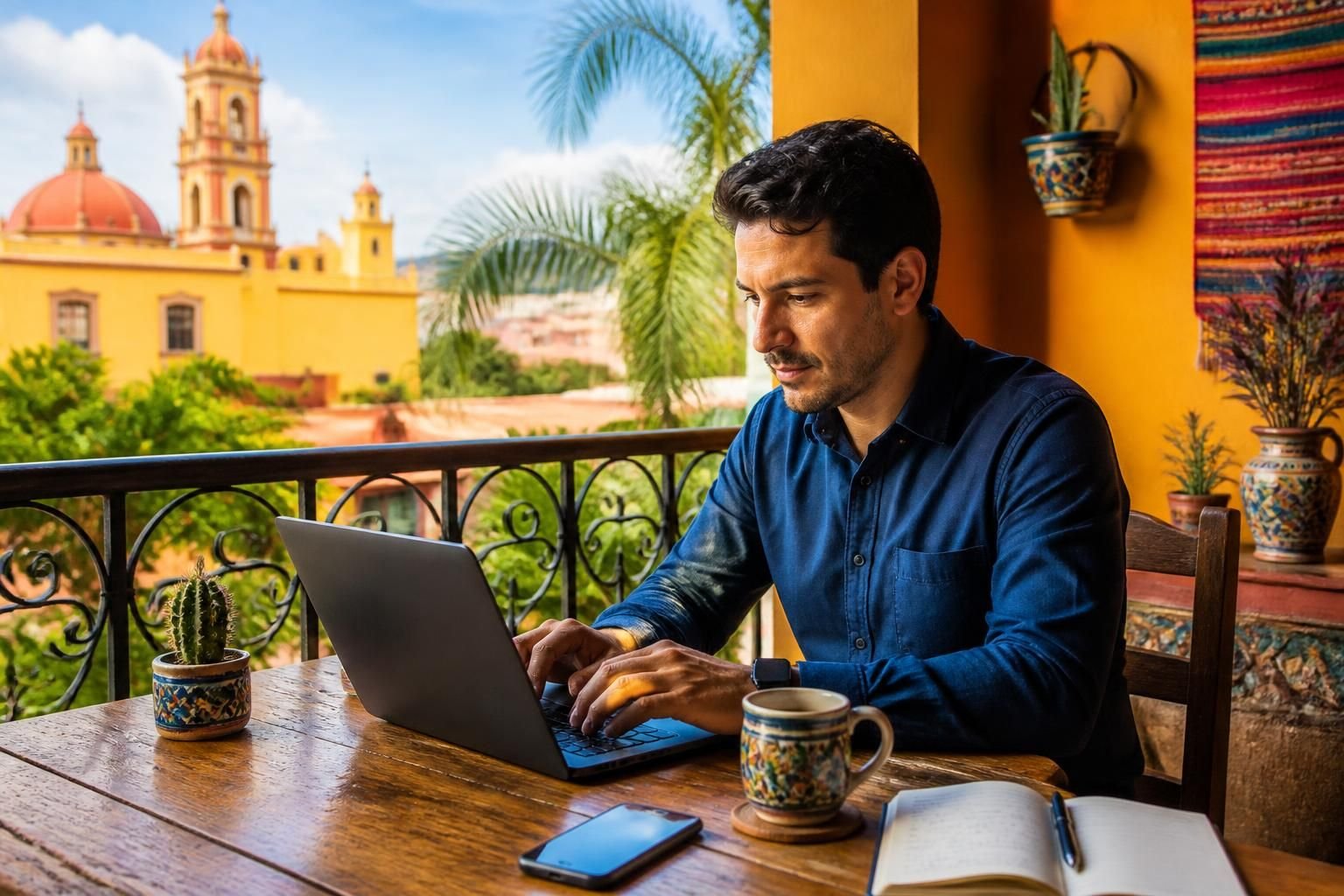

With the rise of remote work reshaping global employment landscapes, Mexico emerges as a premier choice for digital nomads and professionals seeking an optimal balance of productivity and lifestyle. Its rich history, diverse climates, and growing infrastructure cater beautifully to the modern remote worker. Yet, succeeding in remote work settings from Mexico requires more than just a laptop and a good internet connection. Immersing oneself in the local culture, understanding the logistical frameworks, and adapting to time zone differences form critical pillars of a fruitful remote working experience. Navigating these components effectively enables professionals to harness Mexico’s vibrant atmosphere without compromising on work responsibilities.
This guide unveils essential techniques and considerations to excel while working remotely from Mexico. From securing the right immigration status that aligns legally with remote work laws to selecting cities that complement diverse work routines, every detail influences the quality of the remote work journey. Additionally, local workspace setups, internet connectivity nuances, and cultural adaptation strategies form a comprehensive blueprint for maintaining robust productivity. Collaborative communication tools and mindful time management further enhance the work-from-home experience, helping individuals strike a sustainable work-life balance amid Mexico’s inspiring surroundings.
Setting the Foundation: Understanding Legal Status and Tax Implications for Remote Work in Mexico
Remote workers must first dissect the complexities surrounding immigration and tax laws that govern working from Mexico. Unlike some countries that offer explicit digital nomad visas, Mexico does not provide a distinct visa uniquely designated for remote workers. Instead, two primary pathways exist: the tourist permit and the temporary resident visa.
The tourist permit allows entry for up to 180 days but comes with the explicit restriction against engaging in remunerated activities within Mexico. This often places remote workers operating on foreign income in a legal gray area since the labor is executed on Mexican soil but paid from outside. Relying on this permit without legal consultation entails risks including potential issues with immigration authorities.
The more robust solution for extended stays is the Temporary Resident Visa, designed for those intending to stay beyond six months. This visa requires proof of economic solvency, typically an income proof of approximately $4,400 to $4,650 USD per month depending on consular jurisdiction. Securing this visa permits more concrete residency rights, access to Mexican banking, and offers a legal foothold to work from home without hostile interruptions.
Tax residency in Mexico is nuanced, relying on more than just the common 183-day presence rule. Under Article 9 of Mexico’s Federal Fiscal Code, establishing a home and center of vital interests—whether professional or personal—in Mexico determines tax obligations. Therefore, remote workers must monitor days spent in Mexico, maintain accurate records of contracts and income sources, and consult tax professionals experienced in cross-border situations. American remote workers, specifically, should remain aware that while they often continue to file U.S. returns, certain exclusions such as the Foreign Earned Income Exclusion require strict adherence to tests beyond mere physical presence.
Before embarking on long-term remote work from Mexico, securing employer authorization is crucial. Many companies have policies to prevent complications regarding payroll, social contributions, or data security. Ensuring compliance in these areas adds vital stability, especially when handling sensitive work tasks from afar. Confirming these parameters limits risks and helps establish a seamless remote-work relationship without surprises.
Understanding these legal and fiscal foundations not only ensures compliance but establishes a solid base upon which productivity and work-life harmony can flourish, free from legal disruptions.
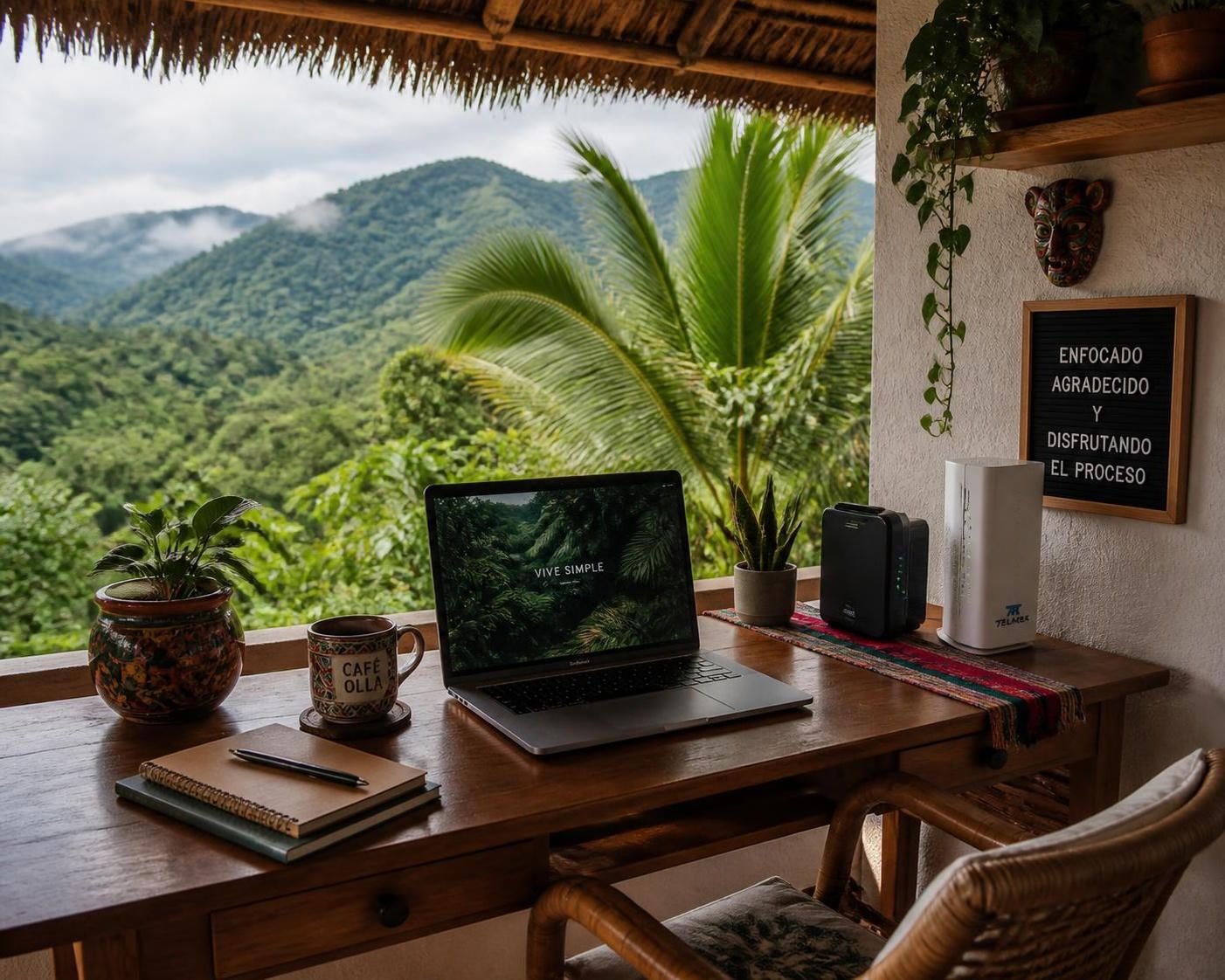
Choosing the Ideal City and Neighborhood for Productivity and Lifestyle Harmony
Mexico’s expansive and varied geography offers an abundance of environments perfectly tailored to different work-from-home styles. Selecting an appropriate city is critical for aligning monthly routines, workspace needs, and community interaction with remote roles.
Mexico City stands out as the most vibrant metropolis for digital nomads, boasting extensive professional networks, diverse coworking spaces, and cultural richness. Neighborhoods like Roma Norte and Condesa combine excellent internet connectivity with a stimulating urban atmosphere. However, one must consider factors like altitude and air quality, which may impact daily energy levels and work-life balance.
Guadalajara possesses a burgeoning tech industry reputation, with steady internet speeds and a more local ambiance compared to Mexico City. This city offers a perfect locale for those balancing productivity without the relentless pace of a megacity. Resources such as guides on digital nomads also mention Guadalajara as an appealing choice for integrating work with local culture.
Mérida excels in safety and climate for those prioritizing quiet surroundings and historic charm, alongside solid internet infrastructure. It appeals especially to professionals who enjoy combining immersive local experiences with effective time management amid remote work demands.
Playa del Carmen and Tulum attract remote workers yearning for a scenic beach environment. While Playa del Carmen is known for reliable coworking hubs and modern internet connectivity, Tulum may feature more variable connectivity, emphasizing the need to test internet quality thoroughly before committing to long-term rentals. For individuals interested in living or staying in Playa del Carmen, resources such as local expat guides provide valuable insights on neighborhoods, lifestyle, and amenities.
When choosing a neighborhood, a proactive trial period proves invaluable. Testing commute times, grocery access, healthcare facilities, and workspace reliability allows remote workers to refine their choice based on experiential evidence rather than sightseeing impressions. This hands-on approach protects productivity and work-life balance, paving the way for daily routines that truly complement professional requirements.
| City | Internet Speed (Mbps) | Cost of Living Range (USD/month) | Key Neighborhoods | Notable Workspaces |
|---|---|---|---|---|
| Mexico City | 100–500 | 1,800 – 2,800 | Roma Norte, Condesa, Polanco | WeWork, Selina, IOS Offices |
| Guadalajara | 50–200 | 1,200 – 1,800 | Providencia, Americana | Comunal Coworking |
| Mérida | 50–150 | 1,000 – 1,600 | Centro, Santa Lucía | Co-working cafes and local hubs |
| Playa del Carmen | 50–150 | 1,300 – 2,000 | Centro, Playacar | Selina, Local coworking spots |
Overall, it becomes evident that the intersection of internet connectivity and lifestyle preferences informs not only where to live but also how effectively a remote worker can manage clients, deadlines, and communication from within Mexico.
Optimizing Internet Connectivity and Workspace Setup for Effective Work from Home in Mexico
The backbone of successful remote work hinges on dependable internet access and a functional workspace, aspects that demand targeted attention when settling in Mexico. Rapidly improving connectivity infrastructure across major cities supports professional demands, but localized variations persist, emphasizing thorough preparation.
Most urban rentals in areas popular with remote workers come equipped with fiber-optic connections offering download speeds from 50 to 500 Mbps, suitable for video conferencing, file transfers, and cloud-based collaboration. Confidently managing critical client calls or remote team meetings necessitates testing both download and upload speeds during peak hours and ensuring Ethernet connectivity options where possible.
Home networks often share routers between multiple units, potentially degrading reliability during peak traffic times. Therefore, it is prudent for remote workers to confirm with landlords or hosts about router exclusivity and backup connectivity such as mobile data SIMs from providers like Telcel or AT&T Mexico. Securing a pre-paid Mexican SIM with 10GB or more ensures continuous workflow resilience, insulating against unexpected WiFi outages.
Workspace setup at home must accommodate ergonomic needs and minimize distractions. Incorporating noise-cancelling headphones, adjustable chairs, and dedicated desks enhances comfort, fostering focus and productivity. When scalability is needed, co-working spaces provide professional amenities, high-speed internet, and networking opportunities with local and international peers.
Notable coworking chains such as WeWork, Selina, and IOS Offices cater to varied budgets and preferences, with options ranging from hot desks to private offices. Additionally, some high-end hotel lobbies throughout Mexico offer day passes and excellent internet backups, serving as flexible alternatives for busy professionals.
Ultimately, a carefully curated workspace, paired with tested internet connectivity and redundancy plans, lays the groundwork for consistent productivity, making the most out of working remotely in this vibrant setting.
Mastering Time Management, Communication, and Work-Life Balance Across Mexican Time Zones
Time zone synchronization significantly impacts productivity and communication success. Mexico primarily operates within the Central Standard Time (CST) zone, which offers a distinct advantage for professionals collaborating with North American clients. Matching Chicago’s timezone, it places workers two hours behind New York and three hours ahead of Los Angeles, enabling normal business hour overlaps without sacrificing local lifestyle.
Effective time management hinges on respecting these overlaps while curtailing distractions intrinsic to remote work. Structuring days around peak focus periods, employing digital planners, and blocking meeting hours strategically enhance task completion rates. These routines also empower workers to preserve time for immersive cultural experiences or rejuvenating breaks consistent with maintaining a sustainable work-life balance.
Strong communication skills bolster remote work success, demanding clear and concise virtual interactions. Employing tools such as Slack, Zoom, or Microsoft Teams combined with regular check-ins curbs misunderstandings and nurtures team cohesion despite physical distance. Equally critical is acclimating to cultural nuances in tone, etiquette, and feedback styles expected in Mexican social and professional environments. This cultural adaptation smooths workflow, promotes mutual respect, and enriches the remote work experience.
Maintaining boundaries is essential to prevent burnout. Dedicated workspaces and agreed-upon calendar blocks between personal and professional time can safeguard mental health. Taking time to explore nearby recreational opportunities, such as jungle trails or historic sites, helps restore energy and inspiration — boosting productivity when back at the desk. Resources like local adventure guides provide excellent options for balancing work demands with refreshing outdoor pursuits.
- Adopt consistent daily schedules aligned with client time zones
- Use task management tools to prioritize and set realistic goals
- Schedule regular virtual check-ins and progress updates
- Respect cultural communication practices and social cues
- Create boundaries between work time and leisure for overall wellness
- Integrate local cultural and recreational activities to avoid burnout
Immersing in Mexican Culture and Community to Enhance Remote Work Fulfillment
Productivity and motivation grow deeper roots when infused with authentic cultural engagement. Mexico offers a kaleidoscope of traditions, cuisine, and community life that remote workers can embrace to enrich their daily lives beyond the screen.
Participating in local festivals, sampling regional dishes, and learning Spanish accelerate cultural adaptation, elevating communication ease and fostering meaningful interpersonal connections. Immersion cultivates a strong sense of belonging, which can alleviate isolation commonly experienced in remote work scenarios.
Further, joining local coworking communities or attending events organized by expat groups invites exchange of ideas, technical skills, and emotional support. Places like Playa del Carmen provide welcoming networks and even volunteering opportunities that connect remote workers to a broader mission beyond their tasks. Such engagement contributes to a sustainable balance where productivity and personal growth coexist harmoniously.
The richness of Mexican heritage, from ancient ruins to contemporary art scenes, serves as a continual source of inspiration. Exploring nearby historical sites like Chichen Itza not only fulfills travel desires but also sharpens creativity and problem-solving when returning to remote work routines. Many remote professionals find that integrating cultural exploration translates to increased energy and innovative thinking.
Embracing this cultural dynamic underscores successful adaptation to working from home in Mexico, reminding remote workers that their lifestyle here offers far more than professional achievements alone.
Does Mexico offer a dedicated digital nomad visa?
No, Mexico does not currently have a special visa explicitly called a digital nomad visa. However, the Temporary Resident Visa serves as the practical option for long-term remote work stays over six months.
Can I work remotely in Mexico using a tourist permit?
While many do, working remotely on a tourist permit is a legal gray area because the permit officially prohibits paid activities within Mexico. It is recommended to consult with a Mexican immigration professional to understand your specific situation.
What are the considerations for tax residency in Mexico while working remotely?
Tax residency is determined by factors such as having a home and center of vital interests in Mexico, rather than merely spending 183 days. Keeping accurate records and consulting cross-border tax specialists is essential for compliance.
How important is reliable internet connectivity for remote work in Mexico?
Internet reliability is fundamental. Testing both download and upload speeds at your exact location, ensuring Ethernet access, and having mobile data backups are critical strategies to maintain consistent productivity.
What are the advantages of choosing Mexico’s time zone for remote work?
Mexico’s Central Standard Time aligns well with North American business hours, providing overlapping work periods with clients in various U.S. time zones and facilitating both synchronous communication and personal time.