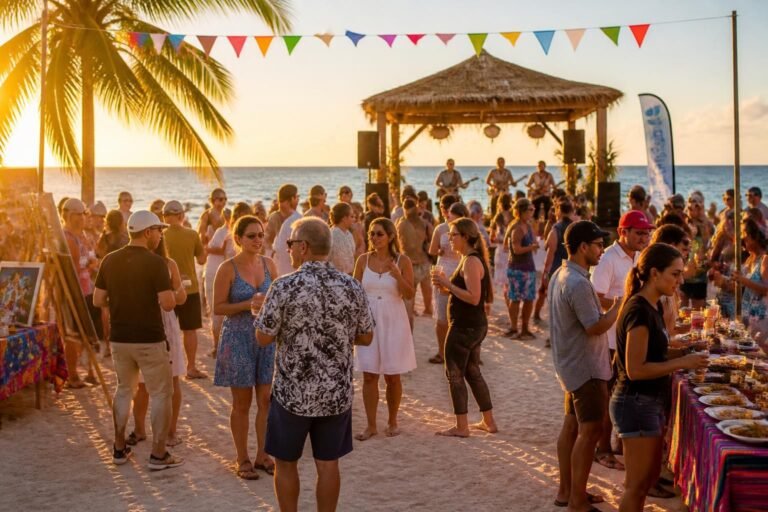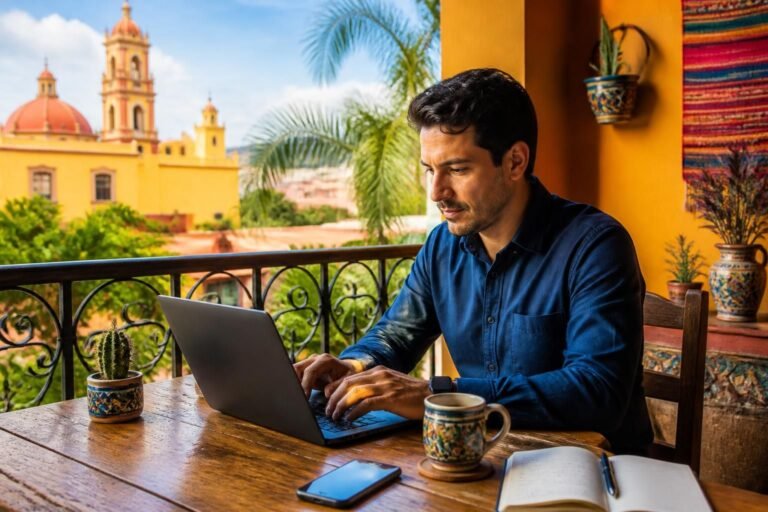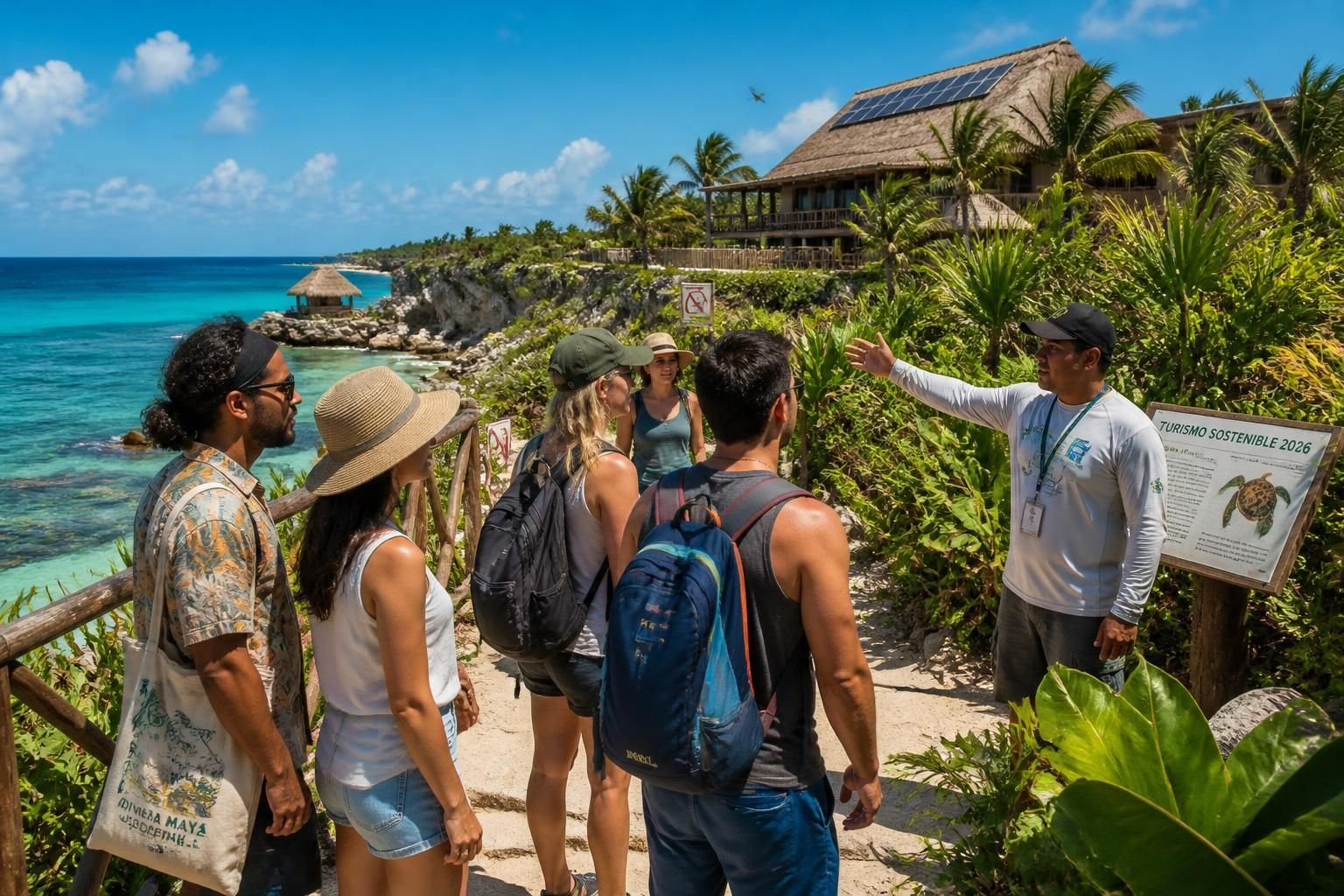

The Riviera Maya, a magnificent stretch along Mexico’s Caribbean coast, beckons travelers with its stunning beaches, lush jungles, and profound cultural heritage. As the world embraces sustainable tourism, this region shines as a model for how tourism can coexist harmoniously with nature and local communities. Responsible travel in Riviera Maya means more than just sightseeing—it involves active community support, conservation efforts, and deep respect for local culture. In 2026, visitors seeking an eco-friendly getaway will find abundant opportunities to engage thoughtfully with the environment and society, ensuring their adventures leave a positive footprint. From exploring ancient Mayan ruins with mindful guides to choosing green travel accommodations, the Riviera Maya encourages conscious travelers to play a role in preserving its unique charm for generations to come.
Brief highlights for responsible travel in Riviera Maya:
- Prioritize eco-friendly accommodations that employ renewable energy and participate in local conservation.
- Support community initiatives by choosing local guides, artisans, and restaurants emphasizing regional culture and sustainability.
- Minimize environmental impact with reusable products, biodegradable sunscreens, and by respecting wildlife habitats.
- Engage in sustainable excursions such as protected biosphere tours, turtle sanctuaries, and coral reef snorkeling with responsible operators.
- Respect cultural heritage by adhering to guidelines at archaeological sites and participating in local cultural experiences.
How to Choose Eco-Friendly Accommodations for Sustainable Tourism in Riviera Maya
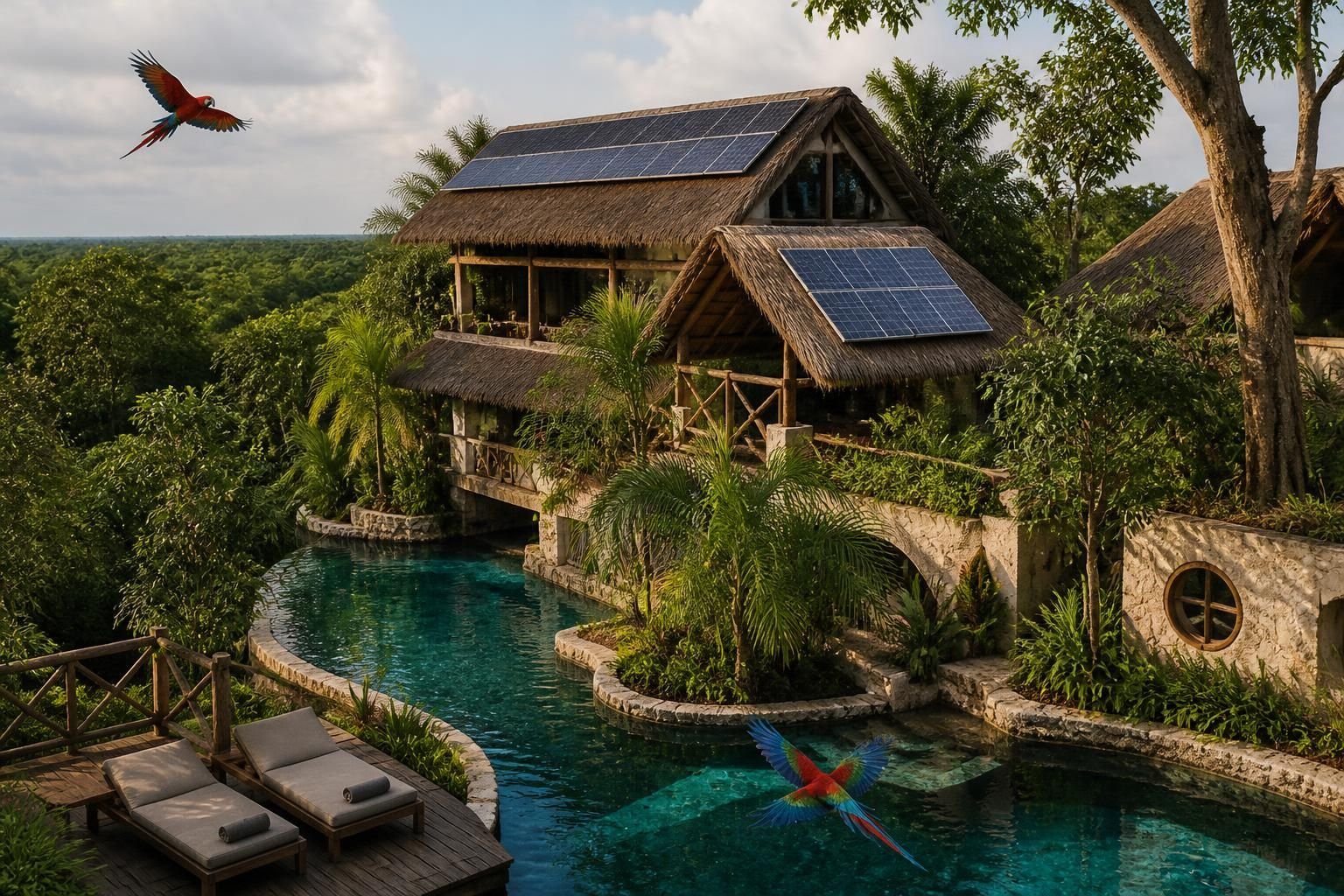
Opting for accommodations that prioritize sustainability is a fundamental step toward responsible travel. In the Riviera Maya, eco-friendly resorts and lodges have emerged as leaders in integrating luxury with green practices. Many now invest in solar power systems, advanced water recycling, and organic landscaping using native plants. For example, Sandos Caracol Eco Resort operates with a focus on preserving the surrounding jungle and wildlife, while promoting environmental education for guests. This commitment not only reduces ecological footprints but also enhances the authenticity of the visitor experience.
When selecting a hotel or lodge, it’s essential to research the sustainability certifications they hold or their involvement in initiatives like water conservation, waste reduction, and community outreach programs. Many establishments involve local residents as staff or collaborate with indigenous groups to maintain cultural authenticity. Choosing these responsible accommodations directly benefits local economies by generating stable employment and supporting social services.
Beyond resorts, nature-based vacation rentals such as Airbnb eco-lodges offer immersive experiences where travelers can stay in dwellings constructed with local materials and minimal impact on the environment. These options often provide opportunities to engage in nearby conservation projects or community workshops, enriching the stay beyond traditional tourist activities.
The cumulative effect of staying in sustainable lodging transforms a simple vacation into a meaningful contribution to preservation efforts, making these choices vital for green travel success in Riviera Maya.
Engaging with Local Culture and Communities: Responsible Travel Tips in Riviera Maya
Respecting and supporting local culture is paramount for sustainable tourism in the Riviera Maya. This area is steeped in Mayan heritage and traditions that remain alive in its communities. To travel responsibly means seeking experiences that promote cultural exchange while preserving indigenous identities.
Visitors can participate in workshops with local artisans who practice weaving, pottery, and traditional cooking techniques, fostering economic independence and cultural pride. For instance, Mayan community tours offer insight into daily life, spirituality, and craftsmanship—encounters that transcend typical sightseeing and allow travelers to understand the social fabric of the region.
Choosing restaurants that prioritize locally sourced ingredients supports sustainable food systems and empowers regional farmers. Mexican food tours focusing on authentic cuisine exemplify this approach. These tours highlight the connection between traditional agricultural practices and culinary culture while reducing carbon footprints.
When visiting archaeological sites like Chichen Itza or Tulum, it’s crucial to comply with the strict guidelines set to protect these sacred places. Understanding Chichen Itza’s history deepens appreciation and respect for the site’s spiritual importance. Visitors should avoid climbing pyramids, touching carvings, or using flash photography where prohibited, ensuring preservation for future generations.
Supporting community-based tourism initiatives, such as the Sian Ka’an Biosphere Reserve tours guided by locals, combines environmental conservation with cultural education. These programs foster long-term partnerships between tourists and indigenous communities, preserving both natural resources and cultural heritage.
Tips for Meaningful Community Support
- Buy directly from local artisans and vendors rather than international chains.
- Engage in volunteer programs combining travel with conservation.
- Attend traditional festivals and ceremonies respectfully without disrupting rituals.
- Stay in community-run accommodations to spread tourism benefits equitably.
Protecting Natural Sanctuaries: Conservation Efforts Impacting Sustainable Travel in Riviera Maya
The Riviera Maya is home to a wealth of biodiversity, from coral reefs to jungle wildlife. Preserving these natural sanctuaries is at the core of sustainable tourism strategies increasingly embraced across the region. Visitors play a pivotal role in supporting these efforts through informed travel choices.
The Sian Ka’an Biosphere Reserve represents one of the most vibrant examples of conservation in action. This UNESCO World Heritage site protects marine and terrestrial species, including endangered sea turtles and tropical birds. Guided eco-tours follow strict protocols to minimize disturbance, educating travelers about the interconnectedness of ecosystems and the threats they face.
Turtle sanctuaries such as the Xcacel – Xcacelito Sea Turtle Sanctuary offer unique chances to witness conservation firsthand. Visitors learn about the delicate life cycles of sea turtles, participate in monitoring efforts, and understand the importance of protecting nesting beaches. Responsible travel here involves adhering to sanctuary rules, including avoiding the use of harmful sunscreens and maintaining quiet around nesting areas to avoid disrupting wildlife.
Snorkeling and diving excursions around reefs thrive when led by operators committed to low-impact practices. Reef-safe sunscreens and avoidance of physical contact with corals prevent damage to these fragile marine ecosystems. Eco-tourism initiatives also emphasize small group sizes to lessen environmental strain.
| Protected Site | Key Species | Conservation Focus | Visitor Guidelines |
|---|---|---|---|
| Sian Ka’an Biosphere Reserve | Sea Turtles, Tropical Birds, Manatees | Habitat Preservation, Sustainable Fishing | Follow eco-tour rules, avoid littering, use biodegradable products |
| Xcacel – Xcacelito Sanctuary | Sea Turtles, Coral Reefs | Protect Nesting Grounds | No flash photography, keep distance from nests, use reef-safe sunscreen |
| Isla Contoy National Park | Bird Colonies, Marine Life | Breeding Grounds Protection | Limited visitor numbers, guided tours only |
Participating responsibly in these natural sanctuaries enriches the traveler’s experience while actively contributing to the conservation needed to safeguard Riviera Maya’s unparalleled beauty.
Travel Tips to Reduce Environmental Footprint and Promote Green Travel in Riviera Maya
Implementing practical travel strategies can significantly diminish the environmental impact of your Riviera Maya visit. Focusing on simple yet effective behaviors helps align your vacation with the principles of green travel.
Reducing carbon emissions begins with your journey to Mexico. Opting for direct flights when possible minimizes layovers and excess fuel consumption. Some airlines and tour operators also allow passengers to offset their carbon footprints by contributing to reforestation or renewable energy projects.
During your stay, conserving water and energy is imperative. Many Riviera Maya accommodations encourage guests to reuse towels and linens to decrease laundry loads. Turning off lights and air conditioning when rooms are unoccupied, and using refillable water bottles instead of single-use plastics directly supports sustainability goals. Bringing a cloth shopping bag reduces plastic waste generated by purchases.
Eco-conscious travelers should prioritize products such as biodegradable sunscreen and insect repellents that do not harm marine life, especially coral reefs. Avoid touching or disturbing wildlife; for example, never capture or feed local animals like iguanas or tropical birds. When engaging with natural attractions like cenotes or mangrove forests, adhere to local guidelines that help maintain these fragile environments.
Utilizing bamboo or metal straws, avoiding disposable cutlery, and proper waste segregation ensure that litter does not end up in sensitive habitats or the ocean. Travelers can also support sustainable tourism by selecting tour companies that implement low-impact procedures and demonstrate active conservation support.
- Choose direct flights and offsets to mitigate carbon footprint.
- Use reusable water bottles and cloth bags to minimize plastic waste.
- Conserve water and electricity in hotels by reusing towels and switching off unused appliances.
- Use reef-safe and biodegradable personal care products.
- Respect wildlife by maintaining distance and avoiding interference.
- Engage with eco-certified tour operators for environmentally responsible excursions.
Experiencing the Ancient Mayan Wonders Responsibly in Riviera Maya
The Riviera Maya is not only a place of natural wonders but also a treasured cultural landscape featuring some of the world’s most spectacular Mayan ruins. Carefully guided visits to sites such as Chichen Itza—recognized as one of the Seven Wonders of the World—and Tulum allow travelers to connect with the region’s stunning history while preserving its integrity.
Booking private tours with operators specializing in sustainable practices enhances the experience. These guides provide in-depth historical context while ensuring groups remain within size limits to avoid overcrowding. Offering customized routes, they provide opportunities to visit lesser-known locations that distribute tourism benefits more evenly across the region.
Following rules such as no climbing on ruins, refraining from littering, and observing photography restrictions maintains the sites’ preservation. Educational conversations about the Mayan civilization deepen respect, turning visits into transformative learning opportunities.
For travelers interested in extended cultural excursions, multi-day tours through the Yucatan Peninsula include sustainable lodging options and visits to communities where authentic engagement and economic support happen simultaneously.
This responsible approach not only nurtures local cultural identities but also safeguards these ancient treasures against degradation, ensuring that future generations can marvel at their splendor.
For a comprehensive itinerary blending history, culture, and sustainability, explore specialized tours like those featured in this detailed Tulum travel guide, which emphasize responsible visitation and meaningful experiences.
What are the best times to visit Riviera Maya for sustainable tourism?
Visiting during shoulder seasons, typically late spring and fall, allows travelers to experience fewer crowds and reduces pressure on local resources while enjoying comfortable weather.
How can travelers support local communities in Riviera Maya?
Choosing locally-owned accommodations, patronizing small businesses, engaging with community-based tours, and purchasing handmade crafts directly from artisans are effective ways to support local populations.
What should be avoided to protect coral reefs while snorkeling or diving?
Avoid touching or standing on coral, use reef-safe sunscreens, do not feed marine life, and maintain a respectful distance from underwater ecosystems to help preserve coral health.
Are there eco-friendly transportation options in Riviera Maya?
Many tour operators use hybrid or fuel-efficient vehicles and promote combining excursions to reduce travel distances. Additionally, biking and walking tours are popular green travel alternatives, ideal for exploring local towns.
How to choose responsible tour operators in Riviera Maya?
Look for companies that employ local guides, support conservation and community projects, follow environmental protocols, and have positive reviews emphasizing sustainable practices.