
Chichen Itza stands as an iconic symbol of the rich history and intricate culture of the ancient Maya civilization. Listed as a UNESCO World Heritage Site and celebrated as one of the New Seven Wonders of the World, this historic site draws millions of visitors annually, eager to experience the majestic pyramid of Kukulcan and explore the sprawling archaeological complex set amidst the lush Yucatan Peninsula. Its blend of architectural marvels, archaeological intrigue, and deep mysticism makes it a top destination for travelers worldwide. For those planning their journey in 2026, understanding the essentials of visiting this landmark—from ticketing to guided tours and nearby attractions—can transform a simple excursion into an unforgettable adventure.
Located near the village of Pisté, Chichen Itza offers a vast window into the ancient Mayan world, where complex religion, astronomy, and urban planning coalesced into a city that once housed tens of thousands of inhabitants. Today, it remains a vivid testament to a civilization that profoundly influenced the region. In this travel guide, all critical aspects related to visiting the Mayan ruins are covered with insights into practical travel tips, highlights of key structures, and optimal ways to make the most of every moment spent touring this remarkable archaeological site.
Visitors will find a comprehensive set of recommendations covering everything from the best times to visit, ticket prices and options, guided tours, and how to reach the site from popular tourist hubs such as Cancun, Merida, and Playa del Carmen. The guide also explores the cultural and historical significance of Chichen Itza, shining a light on its mystical secrets and the advanced knowledge of the ancient Mayans. Additionally, travelers will find suggestions for accommodations close to the ruins and a list of nearby attractions including cenotes and caves that complement the experience.
Whether visiting under the warm tropical sun or during one of the famed equinox events, travelers can immerse themselves in a rich tapestry of history and experience first-hand the grandeur that once defined this ancient civilization. This well-rounded guide ensures that visitors are prepared, informed, and ready to embark on a memorable exploration of one of Mexico’s most emblematic destinations.
Quick Overview Highlights:
- Chichen Itza is a UNESCO World Heritage Site and a New Seven Wonder of the World located in Mexico’s Yucatan Peninsula.
- The site is famous for El Castillo, the Pyramid of Kukulcan, which showcases Mayan astronomical precision.
- Optimal visiting hours are early mornings or late afternoons to avoid crowds and the midday heat.
- Ticket purchases can be made online for faster entry; prices vary by nationality with special rates for residents.
- Guided tours enrich the visit by providing detailed historical and cultural context.
- Nearby attractions include the Ik Kil Cenote and Balankanché Caves, essential additions to the itinerary.
- Accommodation options range from rustic nearby lodges to luxurious haciendas that offer immersive stays.
Essential Planning Details for Visiting Chichen Itza in 2026
Visiting the Mayan ruins of Chichen Itza demands careful planning to ensure the historical site can be enjoyed fully and comfortably. The first step in planning is understanding the entry requirements and timing. The archaeological site is open daily from 8 a.m. to 5 p.m., with the last admission permitted at 4 p.m. Tourists are strongly recommended to arrive early or late in the afternoon to avoid larger crowds and endure less intense sun. Chichen Itza is well-visited year-round, but the months from November to April are particularly comfortable for exploration due to milder weather and fewer rains.
Ticketing and Entrance Fees: Visitors must purchase an entrance ticket to gain access. As of 2026, foreign tourists pay approximately 875 pesos, while Mexican nationals and Yucatán residents benefit from discounted rates. These fees include federal taxes and entrance to the archaeological zone. Additionally, lockers are available for a nominal fee, providing convenience for travelers wishing to store personal items while exploring. It is advisable to carry Mexican pesos as not all vendors accept cards, though there are ATMs located near the entrance in the visitor center for cash withdrawal if necessary.
Visitors interested in skipping long queues should consider purchasing tickets online or through partnered travel agencies offering skip-the-line options. This is particularly beneficial during peak tourist seasons when multiple guided tours converge at the site simultaneously. Buying tickets in advance enables a smoother entrance and maximizes time within the expansive complex.
Guided tours are highly recommended as they offer not only ease of navigation but also valuable insights into the historical, cultural, and astronomical significance of Chichen Itza’s structures. Prices typically range from 900 to 1200 pesos, depending on the language and group size. Certified official guides are available within the site, where visitors can join existing groups or hire guides privately, enhancing the understanding of this vast ancient city.
Access to Chichen Itza is facilitated by well-maintained roads, and the site provides ample parking for those arriving by car. For travelers without personal transportation, reliable bus services such as ADO connect cities like Cancun, Merida, and Valladolid directly to the ruins. The recently expanded Tren Maya service also stops close to Chichen Itza, offering a modern and scenic travel alternative with multiple daily departures. Tour operators in Cancun, Playa del Carmen, and Merida offer packaged tours that include hotel transport, entrance fees, guided visits, and stops at local cenotes for a full-day cultural immersion.
Exploring the Majestic Structures and Must-See Highlights at Chichen Itza
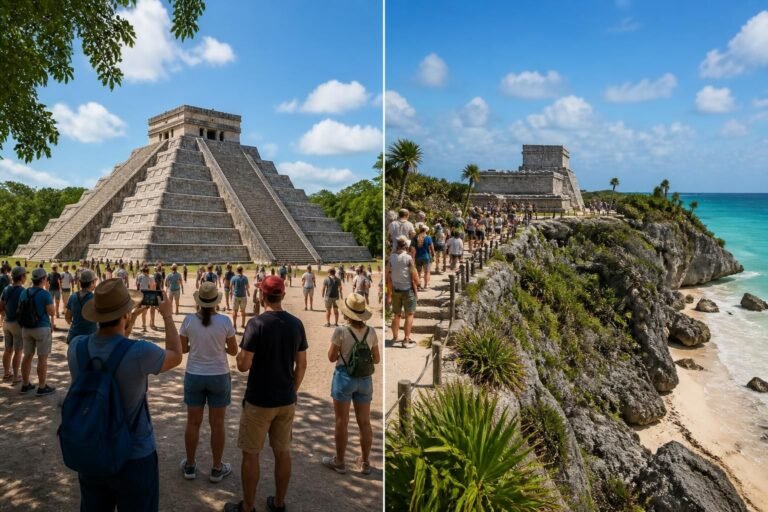
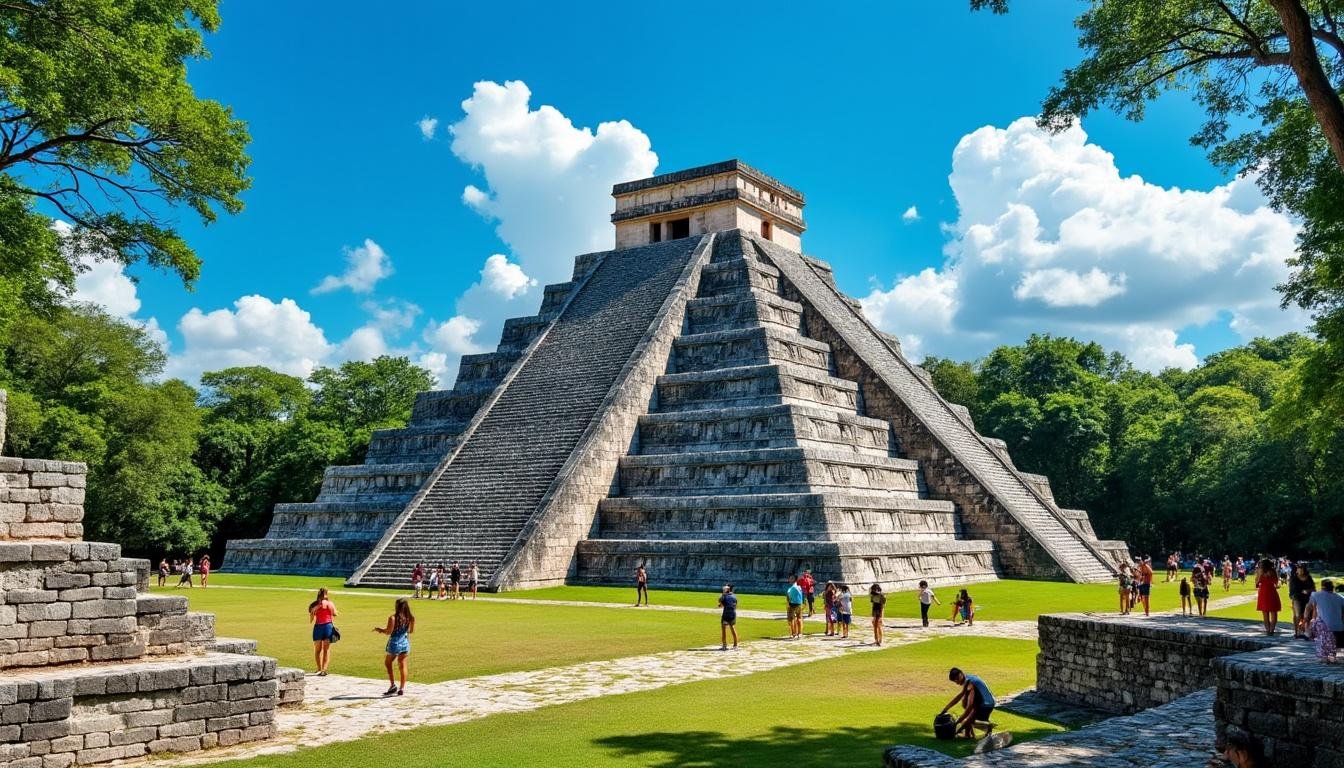
Chichen Itza unfolds as a sprawling city of monumental Mayan architecture, featuring dozens of structures interconnected by ancient sacbeob (white stone roads). The site’s centerpiece is the Pyramid of Kukulcan, a precise representation of the Mayan calendar and cosmic beliefs. This pyramid perfectly illustrates how astronomy and religion were intertwined in the Mayan worldview.
The Great Plaza is an ideal starting point, allowing visitors to absorb the essence of the site as it encompasses many of the prominent buildings highlighting Chichen Itza’s complex social and religious landscape. Among the must-see features:
- The Pyramid of Kukulcan (El Castillo): This pyramid stands approximately 98 feet tall, with four staircases each containing 91 steps, plus a single step on the top platform to total 365—the days of the solar year. It is here that the famous serpent shadow forms during the equinoxes, attracting crowds eager to witness this natural spectacle.
- The Great Ball Court: Known for its exceptional acoustics, this is the largest and best-preserved ball court in pre-Columbian America. The ballgame played here imposed ritualistic undertones that often ended in human sacrifice, demonstrating the political and spiritual importance of sport among the Maya.
- The Temple of the Warriors and Thousand Columns: This grand complex epitomizes Mayan military and religious power, with intricately carved columns and impressive sculptures including the Chac Mool figure.
- The Observatory (El Caracol): A unique circular structure believed to serve as an astronomical observatory, it reflects the advanced celestial knowledge held by the Maya.
- The Sacred Cenote: Serving as a ceremonial site, this deep sinkhole was used for religious offerings including precious gems and human sacrifices, connecting the Maya with their rain god Chaac.
Further exploration reveals the Tzompantli (Skull Wall), which served as a grim reminder of the Maya’s complex ritual practices, and smaller but significant buildings such as the Venus Platform and the Nunnery Complex, each with distinctive carvings and functions adding depth to the archaeological narrative.
For those wanting a more secluded experience, recent areas like Chichen Viejo offer a chance to explore the oldest parts of the city through shaded jungle paths, away from the main crowds.
Visitors are encouraged to join guided walks or audio tours for context about the sophisticated architecture, religious beliefs, and innovations represented by these structures. This aids in understanding not only the physical beauty but also the scientific and spiritual ingenuity of this ancient civilization.
How to Reach and Navigate Chichen Itza: Transportation and On-Site Amenities
Accessibility to Chichen Itza has been vastly improved with modern transport options complementing traditional methods. The Tren Maya railway is now a favored option for many travelers looking for comfort and efficiency, linking this archaeological site with major cities around the Yucatan Peninsula. Trains operate multiple times daily, stopping at a station conveniently close to the site in the village of Pisté.
Alternatively, several bus companies provide dependable services from prominent hubs like Cancun, Merida, and Valladolid. The ADO bus service is especially popular for its comfort and affordability. From Valladolid, the easiest route for day-trippers, services run frequently, allowing for flexible scheduling. Those renting vehicles benefit from well-marked highways and ample parking options at Chichen Itza, though parking incurs a modest fee.
Once on site, visitors will appreciate the range of amenities designed to improve comfort and convenience. Multiple visitor centers provide access to restrooms, ATM machines, souvenir shops, and food stalls offering local and international fare. The site also includes shaded areas and benches for rest, although many paths and plazas are exposed to the sun, making sun protection essential.
Among the site’s features is the nightly light and sound show, “Noches de Kukulcan,” a captivating experience that brings the ruins alive through multimedia presentations detailing the site’s significance and Maya culture. This event occurs seasonally with tickets available for advance purchase and is considered a highlight for many travelers.
| Transportation Mode | Origin City | Duration | Notes |
|---|---|---|---|
| Tren Maya | Merida, Cancun, Valladolid | From 25 minutes (Valladolid) to 2 hours (Cancun) | Multiple daily departures, modern, scenic route |
| ADO Bus | Cancun | Approx. 3 hours | Direct to site entrance, budget-friendly |
| ADO Bus | Playa del Carmen | 3 hours 40 minutes | Transfers through Valladolid sometimes required |
| Private Car Rental | Various | Varies based on origin | Freedom to explore nearby areas, parking fee applies |
Enhance Your Visit: Nearby Attractions and Accommodations Near Chichen Itza
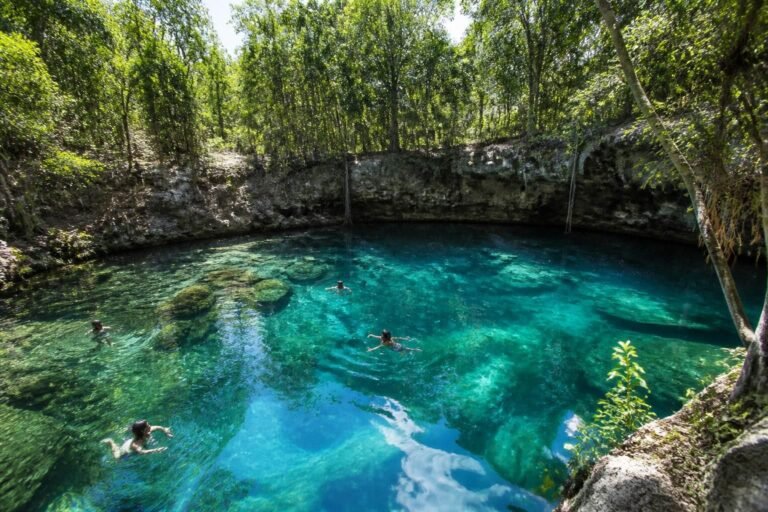
The surroundings of Chichen Itza offer a diverse range of attractions that complement the archaeological site visit beautifully. Among the most popular is the Cenote Ik Kil, located just a short distance from the ruins. This natural sinkhole, celebrated for its stunning turquoise waters and lush vegetation framing steep rock walls, provides a refreshing opportunity to swim and cool off after a day under the sun. Facilities including lockers, showers, and restaurants, cater to visitors aiming for a comfortable and scenic dip.
For people interested in mysterious natural formations, the Balankanché Caves nearby offer an adventurous exploration of ritual caves adorned with stalactites, stalagmites, and ancient offerings. Guided tours provide historical context and safe navigation through the sometimes challenging terrain.
Travelers often choose to stay overnight in nearby villages such as Pisté or the colonial town of Valladolid to experience Yucatecan hospitality and unearth local culture. Accommodations range from boutique hotels with colonial charm to eco-friendly lodges nestled in nature.
- La Casa de las Lunas: Budget-friendly with comfortable amenities near Pisté
- Hacienda Chichen Resort & Yaxin Spa: Luxurious with exclusive access and spa services
- Real Haciendas in Valladolid: Historic ambiance with modern comforts
- Hotel Zentik Project in Valladolid: Artistic and culturally immersive experience
For more insights on where to stay and which tour packages would suit individual travel styles, it is advantageous to refer to specialized travel guides and tour operators focused on Chichen Itza tourism. Many include access to additional sites, local culinary experiences, and expert-led excursions, deepening the appreciation of the ancient civilization and its enduring legacies.
Tips and Tourist Advice: Making the Most of Your Chichen Itza Exploration
Successful tour planning often hinges on practical tips that ensure a seamless and rewarding visit to any historic site, especially a world-renowned archaeological site like Chichen Itza. Understanding these nuances can save time, enhance experiences, and preserve comfort throughout the day.
First, always arrive early. Early morning visits not only provide cooler temperatures but also allow travelers to appreciate the site before large tour groups arrive, providing better photo ops and a peaceful environment. Avoid visiting on Sundays when entry is free for Mexicans, as the site becomes significantly crowded.
Prepare for the climate by bringing sunscreen, hats, and plenty of water. The site offers limited shaded areas, and the Yucatan sun can be intense, leading to dehydration and sunburn without precautions. Comfortable, sturdy footwear is a must due to uneven terrain and extensive walking.
Consider hiring a certified guide or joining a guided tour to unlock the depth of historical context and intricate details of the Mayan ruins. These experts provide fascinating narratives that otherwise might be missed and help tourists navigate the extensive site.
Additionally, shop for souvenirs wisely. Vendors around the site offer handmade crafts and jewelry; prices can be higher than in nearby towns, so bargaining is often expected. Visiting local shops outside the archaeological zone may yield better deals.
Finally, explore local cuisine in the nearby communities of Pisté or Valladolid to complete the cultural experience. Traditional dishes like cochinita pibil and panuchos provide a savory connection to the region’s rich heritage. Planning your trip to include excursions to cenotes or the Balankanché cave system rounds out an enriching travel itinerary that combines history, nature, and local life.
What is the best time to visit Chichen Itza to avoid crowds?
The best times to visit Chichen Itza are early in the morning at opening (around 8 am) or late in the afternoon after 3 pm when tour groups have mostly left. Avoid Sundays as entry is free for Mexican citizens, causing larger crowds.
Can you climb the Pyramid of Kukulcan or other structures at Chichen Itza?
Climbing the Pyramid of Kukulcan and other structures is no longer permitted due to preservation efforts and safety concerns. Visitors can still admire the architecture and intricate carvings up close, but climbing is prohibited.
Are guided tours necessary for visiting Chichen Itza?
While not mandatory, guided tours significantly enrich the visit by providing historical, architectural, and cultural context. Guides can explain the significance of various structures and share fascinating insights not easily gleaned from signs alone.
How can visitors get to Chichen Itza from Cancun or Merida?
Travelers can reach Chichen Itza via the Tren Maya train network, direct ADO buses, or by renting a car. The Tren Maya offers a scenic and comfortable route with stops near the site; buses and rental cars provide flexible alternatives depending on preferences.
Is it better to stay near Chichen Itza or in nearby towns like Valladolid?
Staying near Chichen Itza, such as in the village of Pisté, allows for early visits and easy access but limited accommodation options. Nearby towns like Valladolid offer more lodging variety, restaurants, and cultural attractions, though they require a short drive to the site.