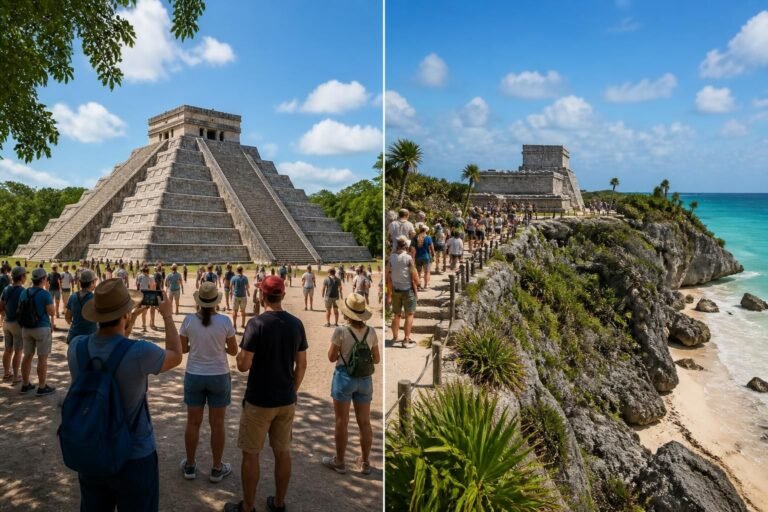

Chichen Itza stands as a monumental testament to the ingenuity and rich cultural heritage of the ancient Mayan civilization. Nestled in the heart of Mexico’s Yucatán Peninsula, this archaeological site invites visitors to walk through time, exploring grand pyramids, sacred cenotes, and intricate stone carvings that narrate stories etched over a millennium ago. It has earned a prestigious place among the New Seven Wonders of the World and continues to captivate millions worldwide each year. For those planning a visit, the experience extends beyond mere sightseeing—it’s a unique journey that blends history, architectural marvels, and vibrant cultural legacy, all set against the backdrop of the Mexican jungle.
Understanding the significance of Chichen Itza and planning the visit wisely can transform the trip into an unforgettable adventure. Known for its well-preserved structures such as the Pyramid of Kukulcan, the Great Ball Court, and the Observatory, this site is also a dynamic cultural hub that reveals much about Mayan cosmology, religious practices, and societal organization. The site’s accessibility from popular tourist towns like Cancún, Playa del Carmen, and Mérida enables travelers to easily include it in their itineraries. However, navigating the best times to visit, ticketing options, and thorough exploration routes requires nuanced travel tips for an optimal and enriching experience.
With growing tourism, Chichen Itza offers a blend of guided tours and opportunities for self-discovery that cater to diverse interests and travel styles. Whether arriving independently or with a knowledgeable local guide, visitors can delve into fascinating histories and catch sight of the enigmatic feathered serpent shadows during the equinoxes. This guide aims to unpack practical advice, delve into the historical and cultural treasures on display, and provide insights to maximize every moment spent exploring the towering ruins and their surroundings.
Those looking to uncover the secrets of this ancient city will find not only the grand architecture and archeological splendors but also community stories and ongoing archeological discoveries enriching their visit. With tips on timing, transport, and recommended experiences, planning your trip to Chichen Itza in 2026 can ensure it remains a highlight of any journey through Mexico’s Yucatán.
Key Highlights for Your Chichen Itza Visit:
- Arrive early to beat the crowds and the heat for a more immersive and comfortable visit.
- Consider guided tours to enrich the understanding of complex historical landmarks and Mayan culture.
- Explore not only the Pyramid of Kukulcan but also nearby cenotes and lesser-known ruins for a comprehensive experience.
- Bring essentials like sun protection and water, as shaded areas are limited across the site.
- Plan extended days with nearby towns like Valladolid or Mérida to enjoy local hospitality and culture.
Essential Travel Tips for Visiting Chichen Itza in 2026
Visiting Chichen Itza requires more than just showing up with a ticket; it hinges on strategic planning to fully appreciate this iconic Mayan ruins complex. In 2026, ticketing and visitor management have been refined to accommodate the millions attracted to this esteemed archaeological site, now a UNESCO World Heritage Site and recognized globally for its remarkable ancient architecture.
Ticketing and Entry Fare: There are two primary fees for entrance—the archaeological site itself and an additional fee that supports local preservation efforts. Adult tickets cost approximately 875 pesos for foreign tourists, with discounted rates available for Mexican nationals and Yucatán residents. Be sure to retain your tickets throughout the visit as inspections occur periodically.
Opening Hours and Best Times to Visit: The site opens at 8 am and closes at 5 pm, with last entry allowed until 4 pm. The optimal visiting hours are early morning, shortly after opening, or in the late afternoon after 3 pm when crowds thin out and temperatures drop. Avoid peak mid-day when the sun is intense and busloads of tourists arrive, leading to overcrowding and diminished experience quality.
Guided Tours and Accessibility: A guided tour is highly recommended due to the vastness of the complex and the dense historical context of its structures. Guided tours typically last between 1.5 to 2 hours and provide deep insight into Mayan mythology, architectural symbolism, and ritual significance. For a more personalized visit, private guides are available that cater to smaller groups, enhancing engagement with the site’s intricate details.
Practical Considerations: When preparing for your trip, pack light, breathable clothing, sturdy walking shoes, sunscreen, a hat, and plenty of water to stay hydrated. Lockers are available for rent, allowing visitors to securely store valuables. Considering the limited shaded areas, it is crucial to be well-prepared against the sun’s intensity. Taking advantage of early access tours can also provide an otherworldly experience with the ruins at sunrise.
Incorporating these visitor tips can offer a seamless entry and a richer appreciation of the site’s vast cultural heritage, reinforcing the value of thoughtful travel preparations when exploring Chichen Itza.
Discovering the Architectural Wonders and Historical Landmarks of Chichen Itza
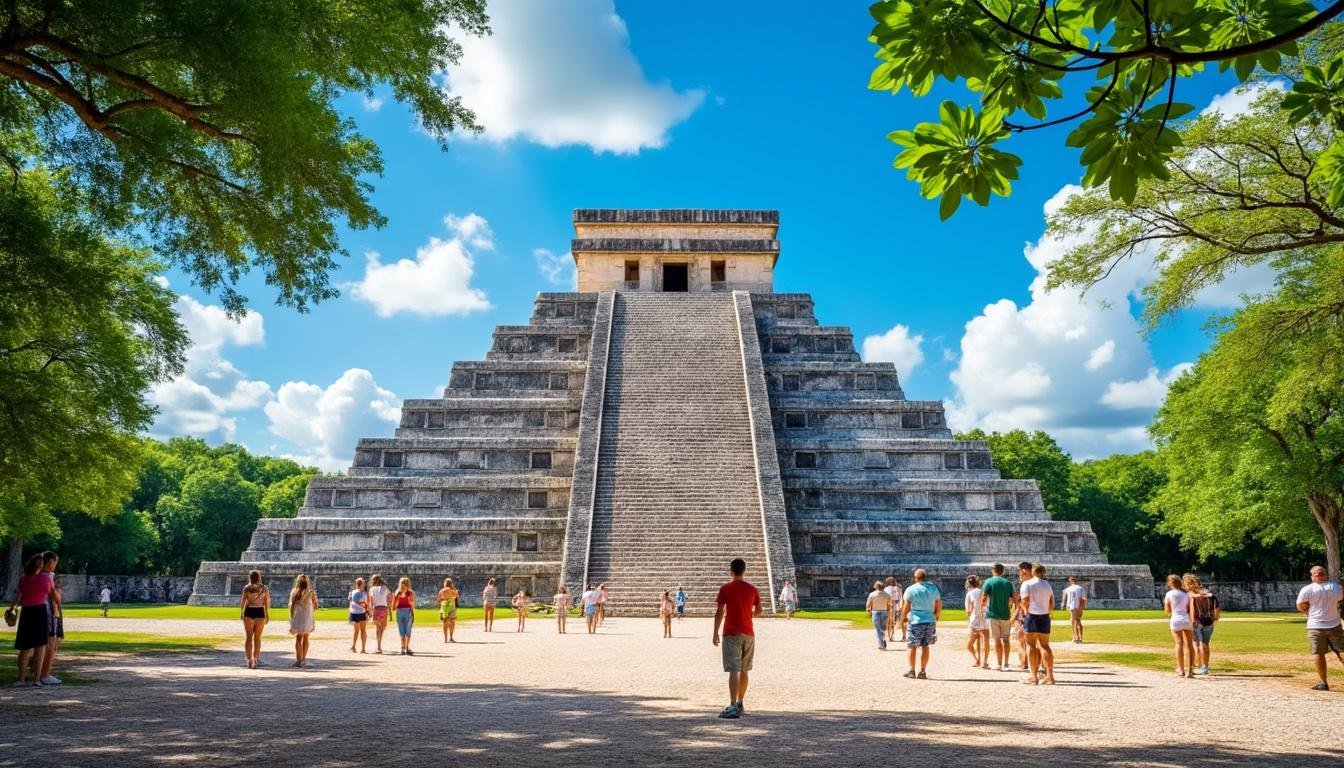
The grandeur of the Mayan ruins at Chichen Itza lies not only in its towering structures but also in the rich symbolism and precision of its ancient architecture. El Castillo, the Pyramid of Kukulcan, dominates the Great Plaza as an iconic emblem of Mayan astronomical and calendrical sophistication. This pyramid features four staircases with 91 steps each, culminating in a final platform step that represents the 365 days of the solar year, reflecting an intimate knowledge of astronomy and its integration into religious practice.
Adjacent to El Castillo, the Great Ball Court stands as the largest and best-preserved of its kind in Mesoamerica. This ancient ballgame arena is surrounded by detailed stone carvings illustrating mythological battles and ceremonial events, showcasing the importance of this ritual sport in Mayan society. Visitors walking along the sidelines can envision the intensity of the game, where the stakes often included political power or sacrificial rites.
The Observatory, known locally as El Caracol, served as a center for astronomical observations, further underscoring the Mayans’ advanced scientific knowledge. Its unique circular tower, unlike conventional rectangular temples, allowed the observation of celestial events such as equinoxes and solstices, influencing agricultural cycles and ceremonial calendars.
Outside the main plaza, other unique landmarks like the Venus Platform with its celestial carvings and the Tzompantli, or Wall of Skulls, evoke the ritualistic and political dimensions of the Mayan world. These structures, along with the Temple of the Warriors and the Thousand Columns, provide layers of insight into the complex social hierarchy and the religious ideology from which these architectural marvels sprung.
This architectural ensemble is a testimony to Chichen Itza’s status as a hub of cultural heritage, inviting visitors to immerse in the enduring legacies of Mayan ingenuity. Exploring these historical landmarks through a guided tour enhances the understanding of their cultural significance, making each step through the site a vibrant lesson in ancient civilization.
Planning Your Route: What to See and Do for an Unforgettable Experience at Chichen Itza
Chichen Itza offers visitors a vast area filled with treasures waiting to be explored. The Great Plaza serves as the primary gateway to the site’s most remarkable structures and should be the starting point of any visit. Here, the central pyramid captures immediate attention, but the surrounding temples and platforms offer equally compelling stories and insights.
Among the must-see sites is the Sacred Cenote, a large natural sinkhole where the Maya conducted rituals and sacrifices to the rain god Chaac. Visitors interested in the spiritual aspects of Mayan culture will find the cenote a powerful reminder of the natural and supernatural worlds intertwined in their belief system. While swimming isn’t permitted here, viewing the cenote provides context for the religious practices once prevalent at the site.
The Temple of the Jaguars and the Tzompantli, with their striking carvings of jaguars and skulls, illustrate the symbolic importance of power, death, and rebirth in Mayan culture. The acoustics of the Great Ball Court also offer an intriguing auditory experience — a clap at one end produces an echo that resonates clearly on the other, emphasizing the architectural precision of the Mayan builders.
To capture the complete Chichen Itza experience, visitors should consider mixing a guided component with free exploration time. Guided tours often last about 90 minutes, giving an in-depth interpretation of key landmarks, followed by an hour or more of self-guided wandering to soak in the atmosphere and photograph the site.
Nearby, the chance to swim in cenotes such as Ik Kil offers refreshing breaks after the archaeological exploration. The spectacular cenote Ik Kil is famed for its stunning blue waters surrounded by hanging vines and provides an iconic swimming spot to cool off.
- Start early to avoid the midday sun and maximize quieter moments.
- Visit the Pyramid of Kukulcan for the best photo opportunities, especially during equinox light shows.
- Experience a traditional walkthrough of the Great Ball Court and imagine the ancient games played there.
- Explore off-the-beaten-path structures such as the Observatory and Venus Platform for unique cultural insights.
- Include a dip at nearby cenotes to blend adventure with relaxation.
Immersing in a professional guided tour lets visitors appreciate the depth of Chichen Itza’s cultural heritage through expert storytelling and historical contexts often overlooked in casual visits. Guides can bring to life the ancient Mayan traditions and symbolic carvings, enhancing the overall experience.
Exploring Surrounding Attractions and Enhancing Your Chichen Itza Visit
Beyond the main archaeological site, the Yucatán Peninsula offers additional enriching experiences that connect seamlessly with a visit to Chichen Itza. The enchanting town of Valladolid, just a short drive away, presents charming colonial architecture, colorful streets, and local markets perfect for those interested in cultural immersion and authentic local cuisine.
For more adventurous travelers, exploring nearby caves such as Balankanché reveals sacred Mayan ritual sites complete with stalactites and ancient offerings. These caves open a window into the spiritual backbone of the Mayan civilization, offering storytelling and light shows that convey the mystery and reverence surrounding these natural formations.
Local cenotes, particularly Ik Kil, provide a refreshing counterpoint to the historical explorations. Swimming in these natural pools amid tropical surroundings offers both relaxation and a sensory connection to the environment that the ancient Maya associated with spiritual and physical renewal.
For visitors seeking a comprehensive itinerary, combining Chichen Itza with excursions to sites like Cobá enhances the understanding of Mayan influence across the Yucatán Peninsula. Cobá features towering pyramids where climbing is still allowed, offering panoramic views of the surrounding jungle.
Booking tours that include transportation, meals, and entry fees can ease logistics and increase enjoyment. Many local companies offer packages from Cancún, Playa del Carmen, and Mérida tailored to different travel preferences, ensuring a hassle-free day packed with activities.
Accommodation and Insider Advice for the Best Chichen Itza Experience
Choosing the right place to stay can significantly enrich the visit to Chichen Itza. Options range from charming small hotels close to the archaeological site to vibrant colonial inns in Valladolid or sophisticated urban stays in Mérida.
Staying near Chichen Itza in the village of Pisté offers the convenience of early site access and quick returns after a long day of walking. Accommodations like Mayan Bungalow and La Casa de las Lunas provide comfortable, locally inspired lodgings that enrich the cultural immersion.
Alternatively, Valladolid’s hospitable atmosphere and abundance of boutique hotels and hostels such as the Hotel Zentik Project or Candelaria Hostel offer charming and affordable accommodations with a taste of colonial Mexico. Valladolid’s rich culinary scene and vibrant markets add charm to any extended stay.
Mérida, a bustling city with colonial charm, presents upscale and budget-friendly hotels along with cultural attractions like museums and theaters. The city is ideal for visitors planning a more urban experience combined with day trips to the ruins.
When preparing for travel, it is advisable to:
- Book tickets online in advance to skip long lines.
- Consider hiring an official guide at the entrance for detailed cultural insights.
- Bring reusable water bottles and sunscreen for sustainability and comfort.
- Avoid weekends and particularly Sundays, when locals visit in large numbers and the site becomes crowded due to free entry for Mexican residents.
- Wear comfortable footwear and be prepared for uneven walking surfaces.
Following these traveler tips ensures a well-rounded and enjoyable visit that honors both the site and its visitors’ well-being.
What is the best time of day to visit Chichen Itza to avoid crowds?
The earliest hours after opening at 8 a.m. and late afternoon after 3 p.m. are ideal times to avoid the largest tourist crowds and enjoy cooler temperatures.
Are guided tours necessary for visiting Chichen Itza?
While self-guided visits are possible, guided tours add significant value by providing in-depth historical and cultural context, making the experience more meaningful.
Can you swim in the sacred cenote at Chichen Itza?
Swimming is not allowed in the Sacred Cenote as it holds religious and archaeological significance, but nearby cenotes like Ik Kil are popular for swimming.
How can I get to Chichen Itza from Cancun or Playa del Carmen?
You can reach Chichen Itza by ADO buses, rental cars, or organized tours departing from Cancun, Playa del Carmen, or surrounding areas. Early booking is recommended to ensure availability.
Are there accommodations near Chichen Itza?
Yes, you can stay in the nearby village of Pisté for immediate access, or choose charming hotels in Valladolid or Mérida for a broader travel experience.