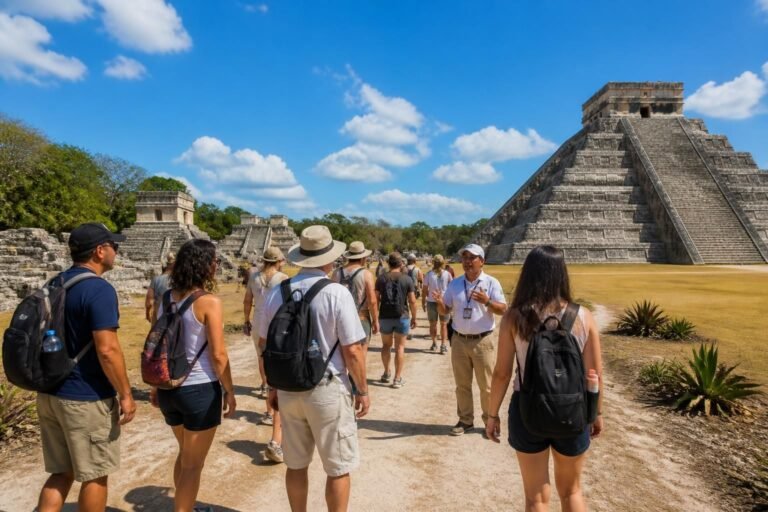
When planning a visit to Chichen Itza, one of the New Seven Wonders of the World, determining the best month for perfect weather is a crucial factor. Nestled in the heart of the Yucatan Peninsula, this iconic archaeological site draws millions of travelers each year eager to explore its ancient Mayan history. The challenge for visitors is to balance favorable weather conditions, manageable crowd sizes, and affordable travel costs while immersing themselves in the rich cultural tapestry surrounding Chichen Itza. Understanding the region’s seasonal climate, tourist influx, and unique natural phenomena can greatly enhance the experience, ensuring that every step taken among the ruins is comfortable and memorable.
Travelers to Chichen Itza often find themselves caught between the allure of the dry season’s pleasant temperatures and the low-crowd appeal of the rainy season. Peak tourism months from December through January see ideal weather but come with high prices and bustling crowds. Conversely, visiting during the hurricane-threatened months of the rainy season, like September, means fewer tourists and discounts but introduces heat, humidity, and afternoon showers. Adding complexity, cruise ship docking schedules heavily influence daily visitor volumes, impacting the ease of exploration regardless of the month. Proper planning, including choosing the best day and time for entry, can transform a potentially overwhelming tour into a peaceful and immersive journey.
Among all options, November stands out as the optimal month to visit Chichen Itza for perfect weather conditions. It marks the transition from the rainy season to the dry season, offering moderate temperatures, minimal rainfall, and a reduced risk of hurricanes. This month manages to maintain reasonably low visitor numbers and more accessible pricing compared to the Christmas rush. February also offers appealing conditions with slightly fewer crowds and comparable climate benefits, making it a favorable alternative. Detailed knowledge of these seasonal characteristics allows tourists to tailor their visit, select guided tours that maximize comfort, and discover surrounding attractions like cenotes and the charming colonial town of Valladolid with ease.
For any traveler aiming for the best experience at Chichen Itza, mastering the local climate trends and crowd patterns alongside thoughtful itinerary planning proves invaluable. Whether it is witnessing the dramatic serpent shadow during equinoxes or savoring the tranquility of an early morning visit away from tour buses, these insights position visitors to make the most of their Yucatan adventure.
Key points to consider when planning the best month to visit Chichen Itza:
- November: Ideal balance of dry weather, moderate crowds, and reasonable prices.
- December and January: Perfect weather but peak crowds and expensive tours.
- September: Best for solitude with hot and rainy afternoons; higher hurricane risk.
- Equinox Periods: March 20 and September 22 feature the Kukulkan serpent-shadow event, drawing throngs of visitors.
- Day and Time: Early morning visits at 8 AM on weekdays like Monday or Friday provide the calmest experience.
Optimal Climate and Weather Patterns for Visiting Chichen Itza
The Yucatan Peninsula where Chichen Itza is located experiences two distinct climate seasons: the dry season lasting from November through April, and the rainy season from May to October. Understanding the nuances of these periods is essential for selecting the best month to visit for perfect weather.
During the dry season, mornings are sunny and temperatures hover between 22 to 33°C. Rainfall is minimal, humidity is low, and skies remain clear, making outdoor exploration comfortable. These months also coincide with the cooler winds coming off the Gulf of Mexico, which help temper the heat. As a result, tourists enjoy long, pleasant days ideal for walking tours and photographing the ruins in soft morning light. The dry season is also favored for its stable weather, reducing the chances of sudden storms interrupting plans.
Conversely, the rainy season brings higher temperatures often exceeding 35°C, coupled with humidity levels over 80%. Afternoon thunderstorms are frequent and intense but generally short-lived, providing a dynamic yet challenging environment for visitors. The tall jungle vegetation flourishes during these months, offering lush scenic backdrops; however, wet conditions mean slippery terrain and the potential for disrupted excursions.
Among the dry season months, November emerges as the best month. It is the first full month following the rainy season, offering clear skies, welcoming warmth with daytime highs close to 30°C, and significantly reduced hurricane threat. The weather promotes relaxed touring without the oppressive heat or overwhelming crowds found later in December or January.
February and early March remain excellent alternatives, preserving the dry, cool climate at the tail end of the peak season. Early March, however, comes with the caveat of the spring equinox weekend, when attendance surges dramatically due to the famous ancient astronomical event visible at El Castillo pyramid.
In summary, hikers and history enthusiasts seeking the perfect weather should target the dry season’s shoulder months, prioritizing November and February while preparing for warmer, wetter days if the journey falls within the summer period.

Managing Crowds and Prices: Choosing the Best Month for Tourism at Chichen Itza
Tourism dynamics at Chichen Itza oscillate significantly throughout the year, influenced heavily by both the climate seasons and popular vacation periods. To find the best month to visit with perfect weather and fewer crowds, understanding these fluctuations is vital.
Peak season around Christmas, New Year, and Semana Santa (Holy Week) is characterized by enormous crowds, with daily visitor numbers sometimes surpassing 8,000 during peak dates. This influx also drives tour and accommodation prices to their highest, often resulting in sold-out services weeks in advance. The entrance fee to the site itself remains constant at around 697 MXN for foreign adults, but ancillary costs surge considerably.
In contrast, the rainy season months of May through October offer a markedly quieter experience. Tour operators lower their prices, and the ruins themselves feel more private. September, in particular, boasts the lowest visitor count of the year but comes with trade-offs such as intense afternoon rains and a persistent hurricane risk. Those seeking solitude and budget-friendly travel options could find this period surprisingly rewarding despite the weather challenges.
A comprehensive monthly breakdown outlining crowd levels and pricing trends offers clear guidance for planning:
| Month | Crowds | Price | Summary |
|---|---|---|---|
| January | Very High | Peak | Ideal weather but busiest time and most expensive. |
| February | High | High | Great balance of weather and slightly reduced crowds. |
| March | High (Equinox Spike) | High | Equinox weekend crowded; other weeks favorable. |
| April | Medium | Medium | Very hot still dry; best to arrive early to avoid heat. |
| May | Low | Low | Start of rainy season; cheapest tours begin. |
| September | Very Low | Lowest | Fewest visitors; hot, humid with hurricane risk. |
| November | Medium | Medium | Overall best month: dry, comfortable, and moderate crowds. |
| December | Extreme (from Dec 20) | Peak | Perfect early; chaotic Christmas week. |
This strategic awareness allows travelers to avoid the worst times — notably the Dec 20 – Jan 5 Christmas/New Year period and Semana Santa — which should be steered clear of unless unavoidable. Additionally, Sundays see the highest crowds weekly as Mexican nationals enjoy free entry, providing a local cultural event atmosphere but overcrowding the plaza.
Tourists can also anticipate fluctuations on cruise ship docking days, usually midweek from Tuesday to Thursday, when hundreds of additional visitors arrive for organzied excursions. Aligning your trip outside these peak influx periods helps secure the quiet, reflective visit many seek.
Choosing the Perfect Day and Time to Visit Chichen Itza for Ideal Weather and Low Crowds
Timing the daily visit to Chichen Itza can be just as impactful as selecting the right month. Experts recommend arriving precisely at the 8:00 AM opening to maximize comfort and minimize interaction with large tour groups and heat. The early morning hours offer cooler temperatures, pleasant lighting for photos, and a tranquil atmosphere ideal for capturing the grandeur of the ruins. Visitors often experience the calming echo from the pyramid’s acoustic clap, a phenomenon lost later in the day amid the crowd noise.
After 10:30 AM, temperatures soar above 33°C, and the massive arrival of tour coaches fills the plaza, making navigation more difficult and diminishing the leisurely exploration vibe. The alternative quiet time window in the late afternoon after 15:00 offers relief as large groups diminish and the sun softens.
Optimal days for visiting tend to be Monday and Friday, characterized by fewer cruise ship excursions and reduced local visitor presence. On the other hand, Sunday ranks as the busiest due to free entry for Mexican citizens, drawing large domestic crowds. Tuesday through Thursday attendance varies weekly with cruise schedules; thus, consulting updated docking calendars helps optimize visit planning.
Private guided tours that depart earlier than standard group buses—often as early as 5:30 AM from Cancun or 6:00 AM from Tulum—offer a practical way to be among the first at the gates. These arrangements provide flexibility for those seeking an exclusive, crowd-free experience and afford the luxury of exploring the site at a relaxed pace before the rush.
By focusing on this synchronization of hour, day, and season, travelers can enjoy Chichen Itza under nearly any weather conditions and crowd level with ease.
Seasonal Tourism Experiences and Nearby Attractions Enhancing the Visit
The best month to visit Chichen Itza does not merely depend on weather and crowds but also on the type of experience desired during the trip. Peak season invites lively, well-organized group tours complete with local guides versed in Mayan history, archaeological insights, and cultural storytelling. These tours commonly include convenient transportation, time in nearby natural wonders like cenotes, and regional dining options.
During the rainy season, tourism shifts toward a more leisurely and intimate atmosphere, with quality and itinerary flexibility prioritized over group size. Travelers appreciate the green, vibrant landscapes and often combine Chichen Itza visits with explorations of other Yucatan Peninsula highlights such as Valladolid or the sacred well of Ik Kil cenote. Engaging with these sites provides a broader understanding of the Mayan civilization and complements the historical richness of the ruins themselves.
Many visitors find value in pairing their archaeological journey with unique local experiences. Swimming in the nearby cenotes, such as Ik Kil, offers refreshing relief from the tropical climate and a chance to connect with nature. Exploring the charming colonial town of Valladolid with its colorful streets and authentic cuisine also rounds out a fulfilling travel day. For those eager to delve deeper, guided tours are available that combine Chichen Itza with other remarkable Mayan ruins or ecological excursions.
For comprehensive tips on combining Chichen Itza visits with nearby attractions and optimizing tour choices, travelers can explore detailed resources like this complete travel guide or the ultimate Chichen Itza tour from Merida, which highlight booking options, pricing advice, and cultural insights crucial for a seamless trip.
Practical Tips for Visitors to Make the Most of the Best Month at Chichen Itza
When targeting the best month to visit Chichen Itza to enjoy perfect weather and manageable crowds, careful preparation is key. Below is a curated list of essential recommendations for prospective travelers:
- Book early: Peak months like November and February see high demand, so securing guided tours and accommodations well in advance is advisable.
- Arrive early: Access the site at the 8:00 AM opening to avoid crowds and heat.
- Stay hydrated: The Yucatan sun can be intense, so bring ample water and sun protection.
- Wear comfortable clothing: Lightweight, breathable fabrics and sturdy walking shoes ensure comfort on uneven terrain.
- Plan transportation: Consider private transfers or trusted shuttle services for timely arrivals avoiding busy tour bus traffic.
- Include nearby sites: Extend visits with trips to cenotes like Ik Kil and towns like Valladolid for a cultural and refreshing break.
- Utilize local guides: Expert guides enrich the experience with historical narratives and insider knowledge.
- Avoid peak busy weeks: Steer clear of Christmas/New Year and Semana Santa unless unavoidable for more relaxed touring.
These tips, combined with an understanding of weather and tourism patterns, assist travelers in crafting an unforgettable adventure.
What is the best month to visit Chichen Itza for the best weather?
November is the optimal month, featuring dry, warm weather with moderate crowds and reasonable prices, making it perfect for touring the archaeological site.
How can visitors avoid the largest crowds at Chichen Itza?
Arriving at the site at the opening time of 8 AM on weekdays like Monday or Friday provides the calmest experience with fewer tourists and better weather conditions.
What should travelers expect during the rainy season at Chichen Itza?
The rainy season runs from May to October with hotter temperatures, high humidity, and afternoon thunderstorms. Though prices and crowds are lower, visitors should be prepared for sudden weather changes.
Are there special events at Chichen Itza to consider when planning a visit?
Yes, the equinoxes in March and September feature the famous Kukulkan serpent shadow on El Castillo pyramid, attracting large numbers of visitors and affecting crowd density significantly.
What nearby attractions can be combined with a visit to Chichen Itza?
Many travelers combine Chichen Itza visits with exploring nearby cenotes such as Ik Kil, and towns like Valladolid that offer cultural richness and natural beauty for a more comprehensive Yucatan experience.