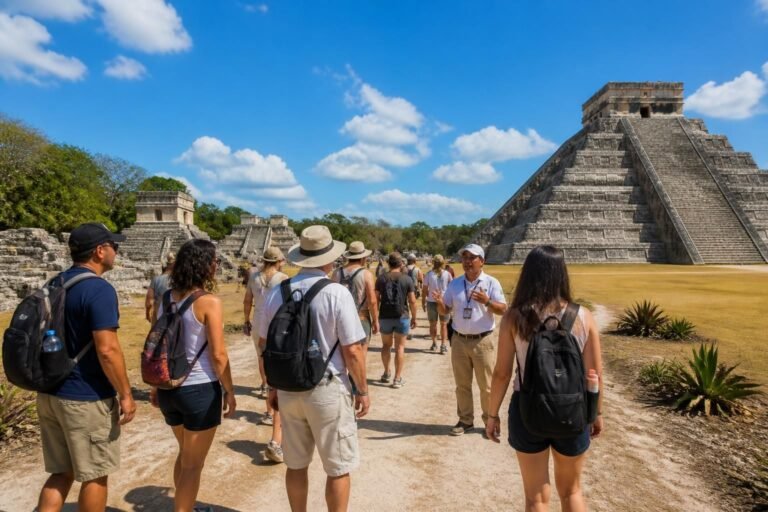
Chichen Itza remains one of the most captivating photogenic sites in the world, drawing enthusiasts from every corner to capture its timeless Majesty. Photography tours to this legendary Mayan ruin offer more than just snapshots; they invite travelers to seize moments imbibed with history, culture, and natural beauty. The ruins’ intricate stonework, architectural precision, and symbolic carvings provide an endless palette of fascinating subjects. Mastering photography here requires both an understanding of the site’s unique lighting conditions and a knowledge of the best angles away from the usual crowded views. Optimal timing and preparation can significantly enhance the quality of images, transforming a travel album into a vivid narrative of one of the New Seven Wonders of the World.
Embarking on a photography tour at Chichen Itza involves careful planning—from selecting the right time of day for capturing the sun’s play on stone structures to knowing where to position oneself to avoid crowds and achieve the best frames. Tours that include sunrise photography sessions allow visitors to capture the iconic El Castillo pyramid in soft, golden hues, casting elongated shadows that bring out the reliefs and textures of this ancient marvel. Besides the main pyramid, the surrounding Mayan ruins including the Temple of the Warriors, the Great Ball Court, and the Sacred Cenote offer diverse photographic opportunities with rich cultural stories behind each structure.
Expert advice seeks to maximize the experience by suggesting particular camera settings and equipment tailored to the changing light conditions prevalent throughout the day. Visitors often benefit from advice on lens choices—from wide-angle lenses that encompass the vast plazas to zoom lenses that capture intricate details on carvings otherwise missed. Informed photographers also consider weather patterns and seasonality to ensure the best visual outcomes. Additionally, logistical tips such as ticket booking and early entry strategies enhance the flow of a successful tour. With this comprehensive approach, a photography tour of Chichen Itza not only becomes a visual journey but also a deeper engagement with Mayan civilization and its profound architectural legacy.
Key Points Brief:
- Chichen Itza offers unparalleled photographic subjects with its ancient Mayan architecture and symbolic carvings.
- Sunrise photography provides the best natural light for iconic shots of El Castillo and surrounding ruins.
- Choosing the right camera equipment and settings helps capture the intricate details and vastness of the site.
- Advance ticketing and timing your visit to avoid crowds optimize the photographic experience.
- Incorporating nearby cultural activities and accommodations enriches your trip beyond the ruins.
- Understanding local regulations regarding photography gear, including drone policies, is essential for a smooth visit.
Best times and locations for stunning Chichen Itza photography
The lighting conditions at Chichen Itza significantly influence the quality of images captured. Photographers aiming to immortalize the grandeur of the Mayan ruins should prioritize early morning visits, particularly during sunrise. This is when the warm golden light casts dramatic shadows along the pyramid’s steps and highlights relief carvings on stone surfaces. Dawn also usually offers the tranquility required for unobstructed shots, when the site is less crowded compared to peak midday hours. For those committed to capturing the famed equinox “serpent shadow” display on El Castillo, special visits during spring and autumn equinoxes are worthwhile, although these tend to be highly crowded events.
Apart from the main pyramid, several other locations within the site provide tempting photographic possibilities throughout the day. The Temple of the Warriors, with its detailed columns and sculptures, rewards attention with compelling textures and symmetry—ideal for mid-morning light to avoid harsh shadows. Meanwhile, the Great Ball Court’s length offers opportunities for creative angles capturing the entire playing field or focusing on the sculpted ring adorned with mythical imagery. The Sacred Cenote invites macro and detail photography of the unique environment entailing reflections and flora surrounding the natural sinkhole.
Planning where and when to shoot can be supported by general advice on how sunlight interacts with these structures depending on the season. For instance, afternoons may allow softer lighting for capturing the elaborate stone masks decorating the northern side of El Castillo. Photographers also benefit from scouting vantage points outside the main plaza, where the pyramid can be framed between trees or even against a wide expanse of sky, highlighting its silhouette. Besides natural light, the changing weather patterns, such as brief afternoon rains, can create dramatic skies to complement the ruins, if one remains flexible and attentive.
Optimizing your photography session involves moving beyond the usual tourist footpaths and exploring peripheral ruins or quieter corners tranquil enough for detailed shots. Encouraging visitors to review a comprehensive guide to exploring Chichen Itza can lead to discoveries of less photographed angles. This approach not only enriches the portfolio but deepens appreciation for this historical site’s diverse elements.

Essential camera equipment and optimal settings for Chichen Itza photography tours
Choosing the right photographic gear can drastically elevate the quality of images captured during a Chichen Itza tour. A versatile camera body capable of handling varying light conditions is crucial, as site lighting changes from dawn’s soft glow to midday’s harsh sun. Many photographers prefer mirrorless or DSLR cameras paired with interchangeable lenses to adapt quickly to different scenes without sacrificing image clarity.
Wide-angle lenses, typically between 14mm and 35mm, excel at capturing expansive views of the temple plazas and iconic pyramids. These wider perspectives emphasize scale and context, essential for portraying the monument’s imposing presence. On the other hand, telephoto lenses, ranging from 70mm to 200mm, assist in isolating architectural details such as sculptures and inscriptions on columns, enabling fine art shots focusing on texture and craftsmanship.
Camera settings should be adjusted depending on the time and lighting conditions. Early morning pictures benefit from a relatively low ISO, generally around 100–200, ensuring minimal noise and maximum detail. Aperture settings between f/8 and f/11 provide a wide depth of field for sharp landscapes, though a wider aperture may be selected to create a shallow focus effect on detailed carvings. Fast shutter speeds help freeze motions such as visitors walking by, while longer exposures can capture the site’s atmosphere in subdued lighting.
Photographers should be mindful of the rules enforced by the archaeological site’s management regarding equipment. Tripods, for example, are restricted in certain areas, and drone usage requires permits. Pre-visit research or consulting guides who specialize in Chichen Itza photography tours can ensure compliance and prevent disruption to your creative flow. Additionally, carrying extra batteries, memory cards, and protective gear against dust and heat prepares photographers for a long day of capturing stunning images.
A practical tip for managing exposure in such bright environments is utilizing a polarizing filter. This reduces reflections from sunlit stone surfaces and enriches the colors of the sky and greenery. Graduated neutral density filters can also help balance extreme contrast, especially during sunrise or sunset hours, maintaining detail both in the bright sky and shaded ruins.
| Equipment | Recommended Use | Notes |
|---|---|---|
| Mirrorless or DSLR Camera | Flexible shooting in varied light conditions | Essential for high-quality images |
| Wide-Angle Lens (14–35mm) | Capturing large structures and landscapes | Ideal for iconic pyramid shots |
| Telephoto Lens (70–200mm) | Detail and texture shots of carvings | Best for isolated, artistic capture |
| Polarizing Filter | Reduce glare and enhance colours | Helpful on sunny days |
| Extra Batteries & Memory Cards | Ensure uninterrupted shooting | Must-have for full-day tours |
Strategies to avoid crowds and maximize photo opportunities at Chichen Itza
Chichen Itza is one of Mexico’s most visited archaeological sites, which means crowd control is a critical consideration for photographers aiming for clean shots free of tourist disruptions. The best strategy involves arriving at the site as early as possible. Entry opens around 8 a.m., and early visitors generally enjoy a quieter atmosphere. Purchasing tickets in advance eliminates wait times, enabling a seamless start to photography tours. Off-season visits, specifically outside the winter holiday peak and school vacation times, also reduce crowd density.
Another effective approach is to explore less dominant ruins within the site, which many tourists tend to overlook. These areas often provide intimate photography spots where the play of light and shadow reveal textures and reliefs with minimal interference. Incorporating a guided tour can help identify these hidden gems while offering rich storytelling to contextualize each location for a more meaningful photo session.
Scheduling mid-afternoon breaks or lunch outside the main tourist zones, such as in nearby Valladolid, prevents burnout and allows preparation for a dedicated sunset session. Sunset lighting transforms the feel of Chichen Itza dramatically, providing contrasting warm glows against the cool evening sky. However, crowds tend to converge again towards sunset, so timing and location scouting initially is essential for securing exclusive vantage points.
Local knowledge also aids in circumventing popular areas during festival periods or equinox celebrations. Photographers seeking a quieter experience should consult expert recommendations and keep track of events via dedicated travel guides and resource websites. Tips on avoiding crowds at Chichen Itza involve precise timing and route choices that can significantly enhance the photographic yield and overall enjoyment.
Incorporating cultural context and local experiences into your photography tour
Beyond the ancient stone structures and sculpted facades, Chichen Itza’s rich cultural heritage adds layers of meaning to photographic endeavors. Understanding the historical significance of Mayan symbols, rituals, and astronomical alignments enriches the storytelling captured in each frame. Several guided tours offer insights into the mythology behind the feathered serpent Kukulcan depicted on El Castillo and how light and shadow play was engineered to create illusions at equinoxes.
Complementing the ruins with local experiences enhances the authenticity of images and provides creative inspiration. Visits to nearby cenotes—natural sinkholes sacred to the Maya and breathtakingly beautiful—allow photographers to contrast the stark limestone ruins with lush water-filled scenes. Documenting the interplay between nature and history emphasizes the holistic environment of Chichen Itza as more than just an archaeological site.
Engaging with local artisans, markets, and traditional cuisine in nearby towns such as Valladolid adds human elements and vibrant colors to travel narratives. Photographers can capture candid moments that highlight contemporary continuities of Mayan culture amidst its ancient legacy. These experiences often become valuable photo stories extending beyond the ruins themselves.
The blend of architectural marvels with living culture creates a comprehensive portfolio that celebrates Chichen Itza in all its dimensions. For travelers looking to maximize this integration, detailed plans combining guided tours with excursions to cenotes and cultural hotspots ensure a rich and varied photographic journey that transcends mere historical documentation.
Planning your visit: travel guide essentials, tours, and accommodation options for photography enthusiasts
Effective planning is key for seamless photography tours at Chichen Itza. Selecting packages that cater specifically to photography, either private or small group tours, offers flexibility to shoot at ideal locations and times without rushing. Many tour operators now provide sunrise and sunset session options coupled with expert guidance on camera gear and composition. The advantage of such arrangements lies in blending practical instruction with cultural immersion.
Travelers benefit from understanding ticketing procedures well in advance. Tickets are often sold online or at official entrances, but securing passes prior to arrival minimizes delays and facilitates access to preferred time slots. Further information on how to buy Chichen Itza tickets highlights the best platforms and strategies for smooth entry.
Accommodation around Chichen Itza ranges from budget-friendly hostels to upscale hotels, many located in close proximity to the site or in charming nearby towns such as Valladolid. Staying nearby allows early starts and late evening returns critical for photography tours focused on optimal lighting conditions. For a truly immersive experience, some travelers combine their visit with cultural stays in haciendas or eco-lodges offering traditional meals and local hospitality.
Transport options from hubs like Cancun, Playa del Carmen, and Merida are plentiful, including private transfers, shared shuttles, and guided tour buses. Efficient travel planning should consider the distance and traffic conditions, ensuring arrival prior to the golden hours of sunrise or sunset. Detailed travel guides and distance comparisons, including the distance from Playa del Carmen to Chichen Itza, assist in itinerary preparation.
In summary, meticulous planning coupled with expert guidance transforms a standard visit into a sophisticated photography tour that captures the essence of Chichen Itza from its earliest morning glow to its twilight shadows.
What is the best time to photograph Chichen Itza?
Early morning, particularly at sunrise, offers the best natural light conditions for photographing El Castillo and the surrounding structures with minimal crowds.
Are tripods allowed during photography tours of Chichen Itza?
Tripods have restricted access in certain areas of the archaeological site, so it is essential to check current INAH regulations before your visit.
How can I avoid crowds at popular photo locations in Chichen Itza?
Arriving early, preferably right at opening, purchasing tickets in advance, and exploring less frequented ruins within the site can help avoid crowds.
What camera equipment is recommended for shooting the Mayan ruins?
A mirrorless or DSLR camera with wide-angle and telephoto lenses, along with polarizing filters, is recommended to capture both expansive views and intricate details.
Where can I find guided tours specializing in photography at Chichen Itza?
Several operators offer specialized photography tours, often including sunrise and sunset sessions with expert guidance. Researching these options through dedicated travel resources enhances the experience.