
Riviera Maya emerges as a captivating destination for those eager to embark on an underwater adventure, where the allure of vibrant coral reefs and mysterious cenote systems beckon divers of all levels. This region uniquely combines the world’s largest underwater cave network with the expansive Mesoamerican Barrier Reef, offering a spectrum of experiences that range from shallow, beginner-friendly dives to breathtaking technical explorations. For newcomers, understanding the diverse marine ecosystems, the blend of salt and freshwater habitats, and the optimal times to dive are crucial for a fulfilling introduction to scuba diving in this tropical paradise.
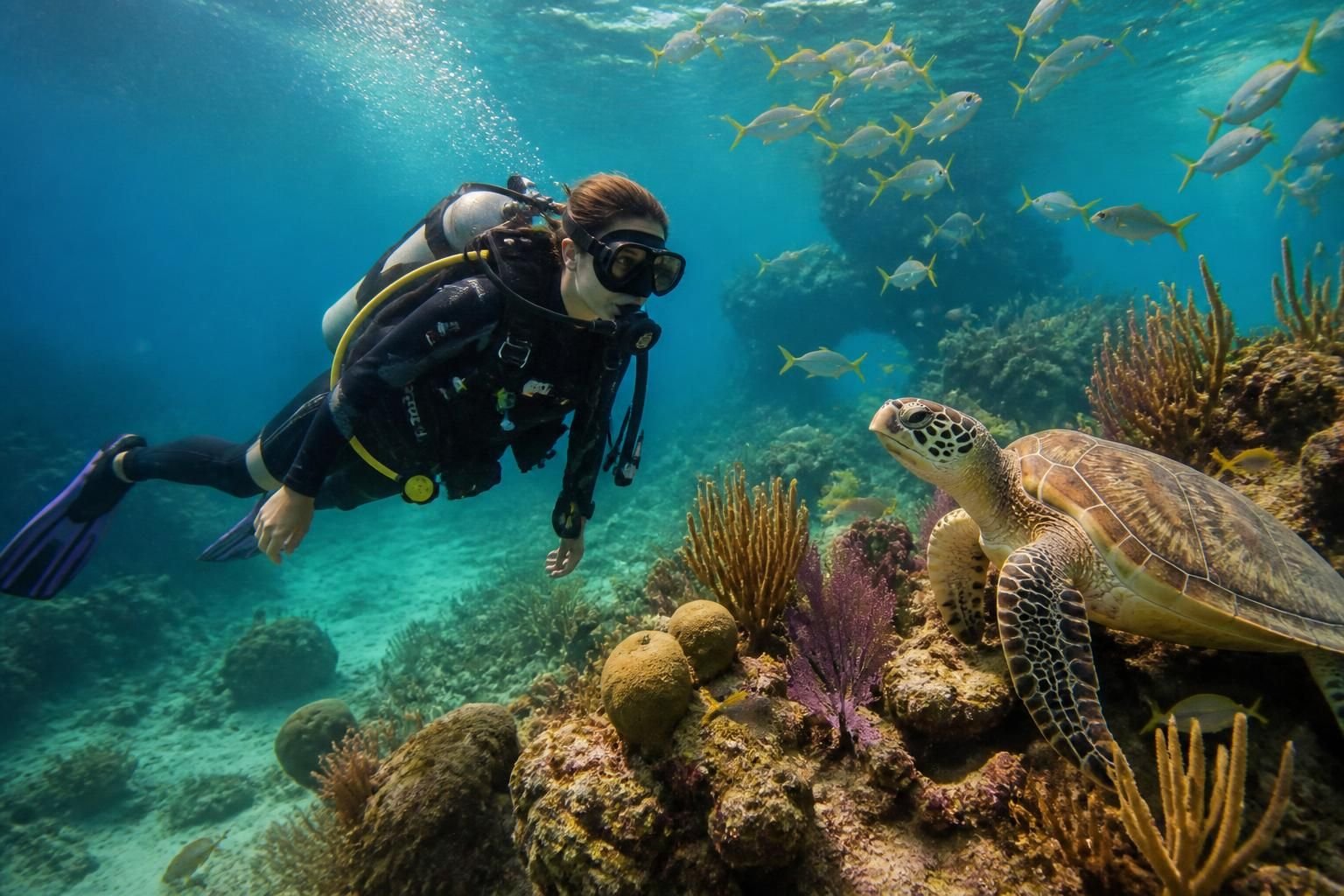
As an essential starting point, knowing the nature of the dive sites within Riviera Maya enhances safety and enjoyment. The area’s dive conditions fluctuate seasonally, with peak months providing crystal-clear visibility and calm seas, thus ideal for first-time divers and those seeking to earn dive certification. Among the underwater wonders to encounter are nurse sharks, turtles, eagle rays, and distinctive freshwater species inhabiting the cenotes, such as blind cave fish. The variety of marine life and geological formations promises a rich and immersive experience for scuba divers who venture beneath the surface.
Quick Highlights for Aspiring Divers in Riviera Maya
- Riviera Maya offers more than 70 diverse dive sites combining reef and cenote diving within a 130-kilometre stretch.
- Peak diving season runs from December to April with the best underwater visibility and moderate water temperatures.
- Cenote diving presents unique challenges and beauty, including deep haloclines and pristine caves few other regions can match.
- Safety in diving is paramount—comprehensive dive certifications and operator affiliations enhance diver protection and confidence.
- Accessible from Cancun International Airport and Playa del Carmen, the region supports a wide variety of accommodations and dive operators.
Exploring Top Beginner Scuba Diving Sites in Riviera Maya for an Unforgettable Ocean Adventure
The Riviera Maya coastline is dotted with exceptional dive spots perfect for novices taking their first plunge into the underwater realm. Sites like Siete Cocos and Blanquizares offer gentle reef formations and plentiful marine life, allowing beginner divers to comfortably explore vibrant coral gardens and encounter charismatic creatures such as sea turtles, southern stingrays, and nurse sharks. These locations feature shallow plateaus and calm waters, which reduce currents and help in maintaining buoyancy control—essential skills for anyone starting out.
Additionally, cenote diving near the Riviera Maya presents a fascinating environment that extends beneath the Yucatan’s limestone crust. Sites such as La Chimenea offer ethereal underwater caverns with cathedral-like formations, allowing divers to witness nature’s artistry carved by millennia of geological processes. While these dives provide stunning visuals, they require familiarity with diving equipment and solid training, especially as haloclines create visible layers where fresh and saltwater meet, affecting visibility and buoyancy. For beginners eager to develop confidence, many local dive centers offer discover scuba diving programs that introduce foundational skills in controlled conditions before advancing to open water.
For those planning to experience both reef and cenote dives in a single trip, it is advisable to allocate several days, ensuring adequate acclimatization and dive safety practices. Riviera Maya operators commonly provide packages combining these environments, complete with expert guidance and dive certification options, advancing from beginner to more experienced levels. This blend of ecosystems and dive experiences makes Riviera Maya a comprehensive beginner guide destination for underwater exploration.

Understanding Diving Safety and Certification Essentials for New Divers in Riviera Maya
When embarking on a scuba diving journey, especially as a beginner, adhering to diving safety protocols is fundamental. Riviera Maya offers a range of dive schools and professional instructors certified by leading agencies such as PADI and SSI, who emphasize the significance of proper dive training, equipment handling, and emergency preparedness. Before entering underwater environments like reefs or cenotes, divers must secure at least an Open Water certification, which covers essential skills including buoyancy control, safe ascent rates, and underwater communication signals.
Safety also extends beyond the dive itself. Awareness of environmental conditions, such as currents and water temperature variations between cenotes (which remain steady around 24-25°C) and the Caribbean sea (varying from 26°C to 29°C depending on the season), ensures that divers remain comfortable and reduce physical stress. Furthermore, the practice of using dive computers is increasingly important, especially on multi-dive days common in Riviera Maya liveaboard excursions, where nitrogen accumulation can affect dive profiles.
Reliable dive operators equip themselves with chambers and enforce mandatory insurance coverage policies for divers. A recommended practice includes verifying affiliation with dive insurance providers, such as DAN, which offer comprehensive protection and medical evacuation services specific to diving accidents. Choosing the best travel insurance for Mexico carefully ensures peace of mind throughout the ocean adventure.
When delving into cave or cenote diving, specialized training and equipment, including redundant air sources and guideline reels, become essential, as these environments can quickly escalate risks for unprepared divers. Veteran Riviera Maya instructors foster safe progression in diving skills, allowing beginners to advance carefully while appreciating the area’s phenomenal underwater landscapes.
Essential Diving Equipment and Packing Tips for a Successful Riviera Maya Scuba Diving Trip
A crucial part of preparing for Riviera Maya’s underwater exploration includes selecting the right diving equipment. For beginners, renting equipment from reputable dive centers offers convenience, but investing in personal items such as masks, snorkels, and fins often enhances comfort and performance. Given the water temperatures and activity levels, a 5mm wetsuit provides appropriate thermal insulation during dives, with optional hoods for those susceptible to cold.
Compact travel fins, like the Scubapro Go Travel fins, are ideal for divers flying to Mexico, ensuring compliance with luggage limits without sacrificing propulsion efficiency. Equally important is a dependable dive computer that tracks depth, time, and decompression limits automatically. Devices such as the Shearwater Peregrine TX, with wireless air integration, stand out as practical tools for beginners and experienced divers alike, particularly on Riviera Maya liveaboard trips involving multiple daily dives.
Underwater photography has gained popularity among diving enthusiasts. With the region’s excellent visibility, gear like the DJI Osmo Action 5 Pro provides beginners with an intuitive platform to capture coral reefs, marine life, and cenote formations without the complexity of professional rigs. Such cameras allow divers to focus more on the experience than technical management underwater.
Finally, packing beyond dive gear is essential: reef-safe sunscreen, hydration packs, and lightweight travel bags facilitate both comfort and environmental stewardship. Proper preparation accelerates acclimatization and reduces unforeseen complications, rendering the entire dive vacation smoother and more rewarding.
Recommended Equipment Checklist for Riviera Maya Diver
- 5mm full wetsuit (with optional hood)
- Mask and snorkel designed for comfort and fit
- Travel-friendly fins
- Dive computer with air integration
- Underwater action camera
- Reef-safe sunscreen and hydration essentials
Overview of Diving Equipment Benefits
| Equipment | Purpose | Benefit to Beginner |
|---|---|---|
| Wetsuit | Thermal protection | Keeps body warm in cooler cenote waters and longer dives |
| Dive computer | Monitors nitrogen levels and dive time | Enhances safety with real-time tracking of decompression status |
| Mask and snorkel | Facilitates clear vision and surface breathing | Improves underwater comfort and entry/exit phases |
| Action camera | Records underwater moments | Captures memories without interrupting dive focus |
Planning Your Trip and Accommodation Near Prime Riviera Maya Dive Locations
Accessing the rich diving collection of Riviera Maya is straightforward from Playa del Carmen, where most dive centers operate daily tours combining reef and cenote experiences. Planning at least five days is advisable, as this duration allows for skills development, rest days, and immersion in the diverse underwater environment. For those seeking to explore the deeper and more challenging cave sections like The Pit, technical diving certification is indispensable.
Packing seasoned knowledge into itinerary planning, one finds that accommodations vary widely—from luxurious beachfront resorts to rustic eco-lodges situated near remote cenote entrances. Playa del Carmen’s vibrant tourist corridor offers convenient amenities and quick access to dive operators, while more secluded locations provide tranquil surroundings with up-close encounters with nature. Transportation options include taxis and regular bussing services from Cancun International Airport, just 45 minutes north of Playa del Carmen, enabling easy arrival planning.
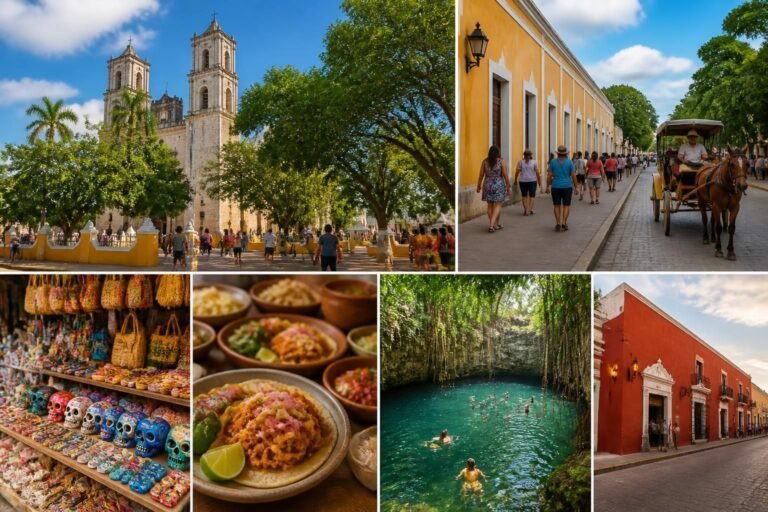
For divers looking to extend their adventures beyond dive sites, cultural excursions such as exploring Tulum’s ancient ruins enhance the overall travel experience. Those wishing to dip into other aquatic realms might consider day trips to Cozumel, renowned for its crystal-clear waters and established reef systems. Resources like things to see and do in Playa del Carmen or specialized cenote dive guides assist travelers in creating a balanced itinerary blending relaxation, exploration, and cultural immersion.
Is scuba diving suitable for absolute beginners in Riviera Maya?
Yes, Riviera Maya offers numerous beginner-friendly dive sites and discover scuba programs guided by certified instructors to ensure safety and gradual skill development.
What certification is required for diving in Riviera Maya?
An Open Water certification is generally required to dive independently; beginners can participate in introductory diving experiences without full certification under supervision.
When is the best time to go scuba diving in Riviera Maya?
The prime diving season runs from December through April due to clearer waters and calmer seas, although cenote diving is possible year-round with some visibility variations during rainy months.
Are there special safety considerations for cenote diving?
Yes, cenote diving requires additional training, specialized equipment, and adherence to strict guidelines because of the cave environment and complex underwater formations.
What marine life can beginner divers expect to see?
Divers can encounter turtles, nurse sharks, eagle rays, southern stingrays, and unique freshwater species like blind cave fish in cenotes, providing a diverse underwater ecosystem.