
The Riviera Maya, treasured for its turquoise beaches and verdant jungles, conceals a trove of ancient Mayan ruins that transport visitors into a bygone era rich with cultural significance and mystery. This stretch of the Yucatán Peninsula was a nexus of Mayan civilization, flourishing with coastal settlements that thrived due to thriving trade routes linked to the Caribbean Sea. Today’s travelers set out on archaeological adventures, eager to explore these magnificent remnants of Mexican heritage. From cliffside fortresses overlooking the ocean to jungle pyramids echoing silent tales, the Riviera Maya offers an unparalleled glimpse into the past with its well-preserved archaeological sites and ancient temples.
Among the scattered Mayan ruins, sites like Tulum, Coba, and nearby Chichen Itza stand out, each showcasing unique architectural features and stories that enriched the Maya world. Their proximity allows travelers to curate rich exploration itineraries combining history, natural beauty, and cultural insight, making the Riviera Maya a prime destination for those seeking to dive into the depths of ancient Mesoamerica. Furthermore, the integration of cenotes—natural, sacred water-filled sinkholes—enhances the experience, offering refreshing respites and a link to the mysticism that enveloped Mayan society. Whether one is an avid history enthusiast or a casual traveler, the allure of these ruins promises an unforgettable expedition into the heart of Mayan civilization.
Key highlights to consider for your Riviera Maya Mayan ruins exploration:
- Iconic sites with breathtaking settings: Tulum’s dramatic cliffside location combined with pristine beaches make it one of the most photogenic and accessible ruins in the region.
- Adventurous pyramid climbs: The jungle-enshrouded pyramids of Coba allow visitors to ascend towering structures rarely climbable in other archaeological parks.
- Historical significance: Visiting Chichen Itza offers a deep dive into Mayan mythology, astronomical prowess, and architectural mastery to all explorers.
- Guided tours or self-exploration options: Whether through expert-led tours or self-navigated journeys, travellers can fully immerse themselves in the rich narratives of these ancient structures.
- Cenote experiences: Complement your archaeological adventure with swims in nearby cenotes, blending cultural insight with natural wonder.
- 2026 travel tips: Early mornings provide cooler temperatures and fewer crowds, optimizing the exploration experience during the peak season.
Explore the cliffside majesty of the Tulum Mayan ruins
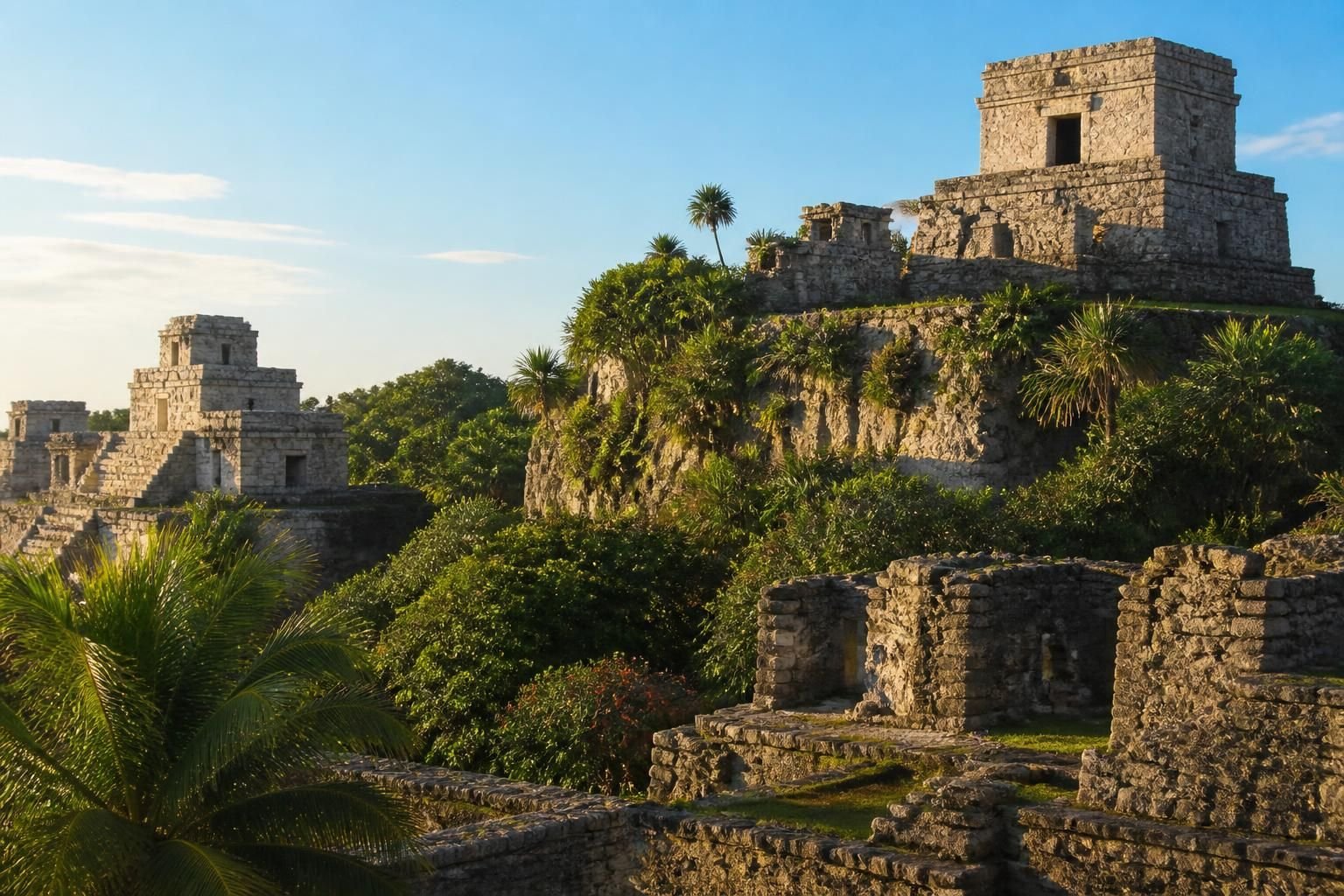
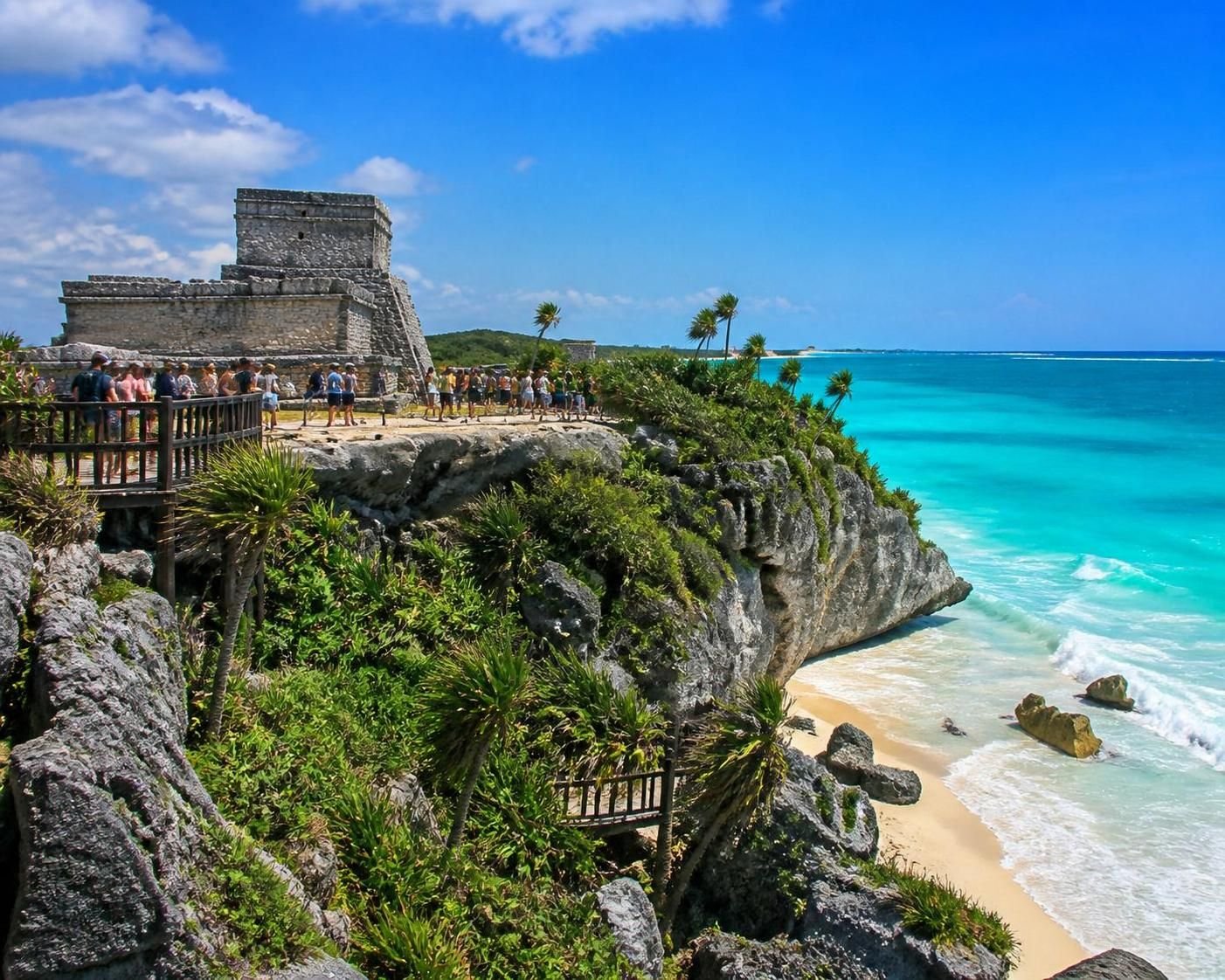
Perched dramatically on a limestone cliff overlooking the shimmering Caribbean Sea, the Tulum ruins embody a striking fusion of natural beauty and ancient fortification. The city thrived around 1200 AD and was a vital port that facilitated Mayan trade routes by both land and sea. The name “Tulum” intriguingly means “wall,” highlighting the fortress-like nature of this coastal city, whose well-preserved defensive walls still encircle much of the ancient settlement. Visitors to Tulum are immediately struck by the imposing presence of The Castle, a multifunctional structure that served as a lighthouse to warn seafaring traders, an astronomical observatory to track celestial events, and a residence for the city’s ruler.
After a thoughtful exploration of the ruins, guests can descend a discreet wooden staircase leading down the cliffside to a hidden beach, where the Caribbean’s warm waters provide a much-needed refreshment after hours of archaeological discovery. The site is easily accessible from neighboring tourist hubs like Akumal and Playa del Carmen, making it a popular day trip destination. However, its popularity also means that the ruins tend to be crowded during peak hours, so early arrival is recommended to experience the serene atmosphere at its best.
Visiting Tulum in 2026 requires modest planning: the archaeological site opens daily from 8 AM to 5 PM, with an entrance fee of around 95 MXN (approximately $6). Travellers keen on enriching their visit may choose from various guided tours such as a combination of reef snorkeling, cenote swimming, and cenote cave exploration that complement the cultural experience perfectly. For detailed advice on planning your visit to this spectacular site, refer to expert tours in Riviera Maya.
Venture into the jungle to ascend the tallest pyramid at Coba
Situated amid dense jungle greenery lies Coba, an archaeological marvel offering an immersive adventure distinct from the beachside tranquility of Tulum. Dating back to the 13th century, Coba features the tallest pyramid in the Yucatán Peninsula, Nohoch Mul, which rises nearly 137 feet above the surrounding canopy. The pyramid’s steep 120-step ascent presents a rewarding challenge, culminating in panoramic views of the dense jungle spread beneath—a rare photographic opportunity that connects visitors physically with the ancient world.
The Coba complex is extensive, featuring three main sectors linked by over 30 kilometers of ancient sacbes—white limestone roads still discoverable beneath the jungle canopy. Archaeologists believe much of the site remains unexcavated, promising further discoveries in years to come. Unlike other sites where climbing is prohibited, Coba permits visitors to climb its major structures, providing a visceral sense of ancient Mayan architectural achievement and religious importance.
Open daily from 8 AM to 4 PM, with an entry fee near 120 MXN ($7), Coba encourages exploration on foot or by bicycle rental. Guided tours add significant value, offering historical context and vibrant stories about the inhabitants and their way of life. For travelers planning their journey, integrating a visit to Coba with excursions to natural reserves and cenotes nearby can amplify the depth of the adventure. For example, the guide to the Coba ruins provides excellent insights for those eager to understand the archaeological nuances.
Chichen Itza: The iconic archaeological giant near Riviera Maya
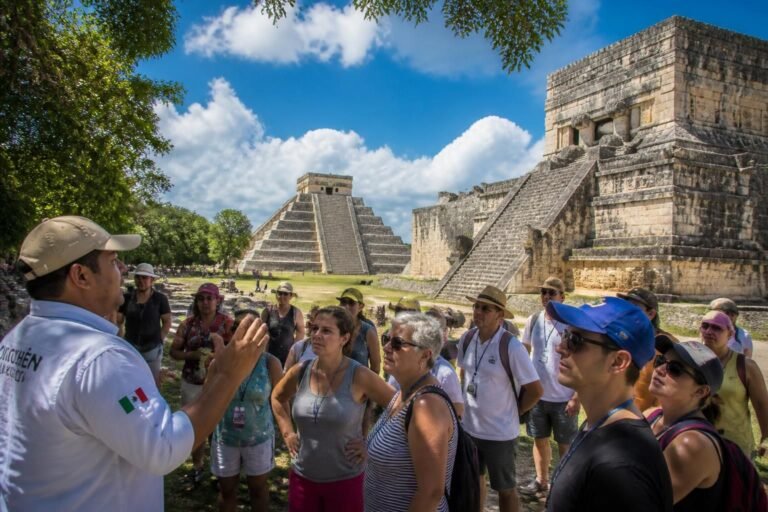
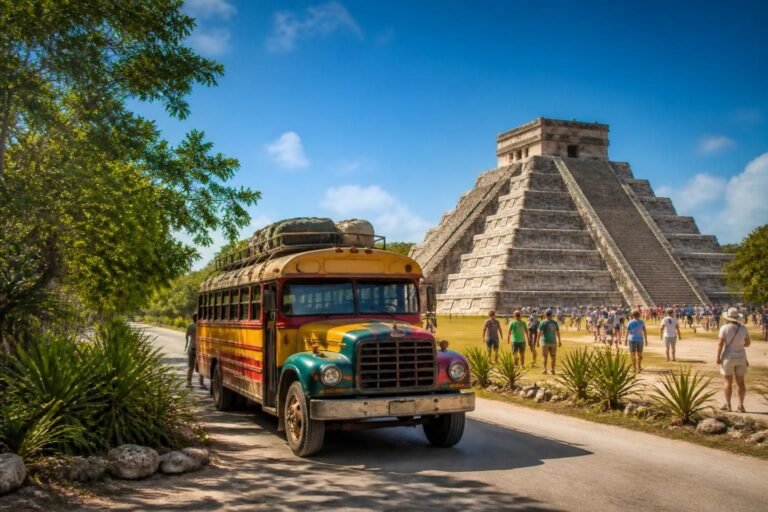
Though technically situated slightly inland from the Riviera Maya, Chichen Itza remains an essential destination for any serious explorer of Mayan ruins. This UNESCO World Heritage Site is famed for its monumental pyramid, El Castillo, also called the Kukulkan Pyramid. The complex design and spectacular equinox shadow phenomenon, where a serpent-shaped light effect descends the pyramid’s staircase twice annually, showcase the cosmological sophistication of the ancient Maya.
Beyond El Castillo, the site contains over 25 structures including the world’s largest Mayan ball court, an ancient observatory, and a marketplace, all of which illuminate the multifaceted nature of Mayan urban life. Established around 400 AD and inhabited for over a millennium, Chichen Itza functioned as one of the most significant military and religious centers in the region.
Visitors in 2026 can access the site daily between 8 AM and 5 PM (last entry at 4 PM), paying approximately 614 MXN ($36), with discounts available for children. Due to its prominence, Chichen Itza is often busy; nonetheless, early-access tours and private guided excursions are available to avoid the crowds and deepen understanding. The site is about a 2-hour drive from the Riviera Maya, making it feasible for day trips that combine archaeological exploration, cenote swims, and visits to nearby colonial towns like Valladolid. Detailed travel strategies can be found in resources such as this comprehensive travel guide.
Discover lesser-known but captivating Mayan sites in Riviera Maya
While Tulum, Coba, and Chichen Itza dominate the itinerary of most travelers, the Riviera Maya hides several other noteworthy archaeological gems that offer quieter, yet equally enriching experiences. Sites such as El Meco, located just north of Cancun, feature some of the tallest pyramids in the region second only to Chichen Itza and are remarkably well-preserved with intricate carvings and serpent head staircases emblematic of the deity Kukulkan. Its coastal setting once made it a strategic trade hub, and today visitors delight in watching the abundant iguanas roaming the ruins.
Equally intriguing is Ek Balam, a relatively recent discovery that astounds with its massive Acropolis and exquisitely detailed stucco decorations still visible on its walls. Climbing the Acropolis allows for enlightening views of the jungle surroundings and the elaborate city layout. Ek Balam’s extended history, from settlement around 300 BC to Spanish conquest-era abandonment, makes it a site ripe with archaeological and cultural significance.
Another site, El Rey, directly in Cancun’s hotel zone, offers a less demanding excursion ideal for travelers keen on a brief insight into Mayan life without straying far from urban comforts. Its evidence of salt extraction and fishing highlights diverse economic activities endemic to ancient Mayan society. Combined visits to these sites provide an opportunity to understand the diversity and depth of Mayan civilization beyond the famous pyramids.
Prominent features distinguishing notable Riviera Maya Mayan ruins:
- Tulum: Cliffside coastal fortification with beach access.
- Coba: Tallest climbable pyramid surrounded by jungle sacbes.
- Chichen Itza: Iconic pyramid with major religious and military structures.
- El Meco: Impressive coastal pyramids with serpent motifs and wildlife sightings.
- Ek Balam: Recently uncovered intricate stucco-decorated structures and accessible acropolis.
- El Rey: Urban proximity ruins with economic activity insights.
| Site | Location | Opening Hours | Entrance Fee (MXN) | Highlights |
|---|---|---|---|---|
| Tulum | Cliffside, Riviera Maya | 8 AM – 5 PM | 95 | Cliff views, The Castle, beach access |
| Coba | Jungle interior, Riviera Maya | 8 AM – 4 PM | 120 | Tallest pyramid, sacbe network, bicycle rentals |
| Chichen Itza | Inland near Riviera Maya | 8 AM – 5 PM | 614 | El Castillo pyramid, ball court, observatory |
| El Meco | North of Cancun coast | 9 AM – 4 PM | 80 | Tall pyramids, serpent carvings, iguana colonies |
| Ek Balam | Yucatán state jungle | 8 AM – 5 PM | 531 | Stucco decoration, large acropolis |
| El Rey | Cancun Hotel Zone | 8 AM – 5 PM | 75 | Trade site, salt extraction, easy access |
Enhance your Mayan ruins adventure with tours and cultural insights
Maximizing your exploration of the Riviera Maya’s Mayan ruins often involves selecting guided tours that combine archaeological knowledge with access convenience. Expert guides can unveil the significance behind the structures, explain Mayan mathematics, astronomy, and hieroglyphic writing systems, and narrate tales of political intrigue and religious ceremonies. The added depth helps transform stone temples and pyramids from mere relics into vivid historical narratives.
Adventure seekers should consider multi-site tours that weave visits to prominent ruins with excursions to cenotes for refreshing swims, enriching the archaeological journey with natural wonder. Local operators, accessible across the Riviera Maya, offer tailored experiences—from bike rides among Coba’s jungle ruins to snorkel and swim combo adventures near Tulum. Comprehensive guides to visiting Mayan ruins also stress the importance of timing your visits early in the day to avoid the heat and crowds while absorbing the tranquil ambiance.
Whether opting for self-guided exploration or professional tours, the Riviera Maya provides diverse options integrating luxury, adventure, and cultural immersion. These journeys not only showcase the grandeur of Mayan archaeological sites but also preserve and honor the legacy of this remarkable civilization, inviting every traveler to partake in its story.
What time of year is best to visit the Mayan ruins in Riviera Maya?
The ideal season to visit is from December to April, avoiding the rainy and humid months. Early mornings offer cooler temperatures and less crowded conditions, enhancing the experience.
Is it necessary to hire a guide for exploring Mayan ruins?
While self-guiding is possible thanks to on-site information boards, hiring a knowledgeable guide greatly enhances understanding of historical, astronomical, and cultural contexts that enrich the visit.
Are visitors allowed to climb the pyramids at the archaeological sites?
Climbing policies vary: Coba allows pyramid climbing providing an immersive experience, Tulum’s smaller structures can be ascended, while Chichen Itza’s El Castillo pyramid is currently off-limits to climbers for preservation reasons.
What is the connection between cenotes and Mayan ruins?
Cenotes were vital for fresh water supply and held spiritual significance for the Mayans. Many archaeological sites are located near cenotes, offering visitors a unique opportunity to combine cultural exploration with natural swimming experiences.