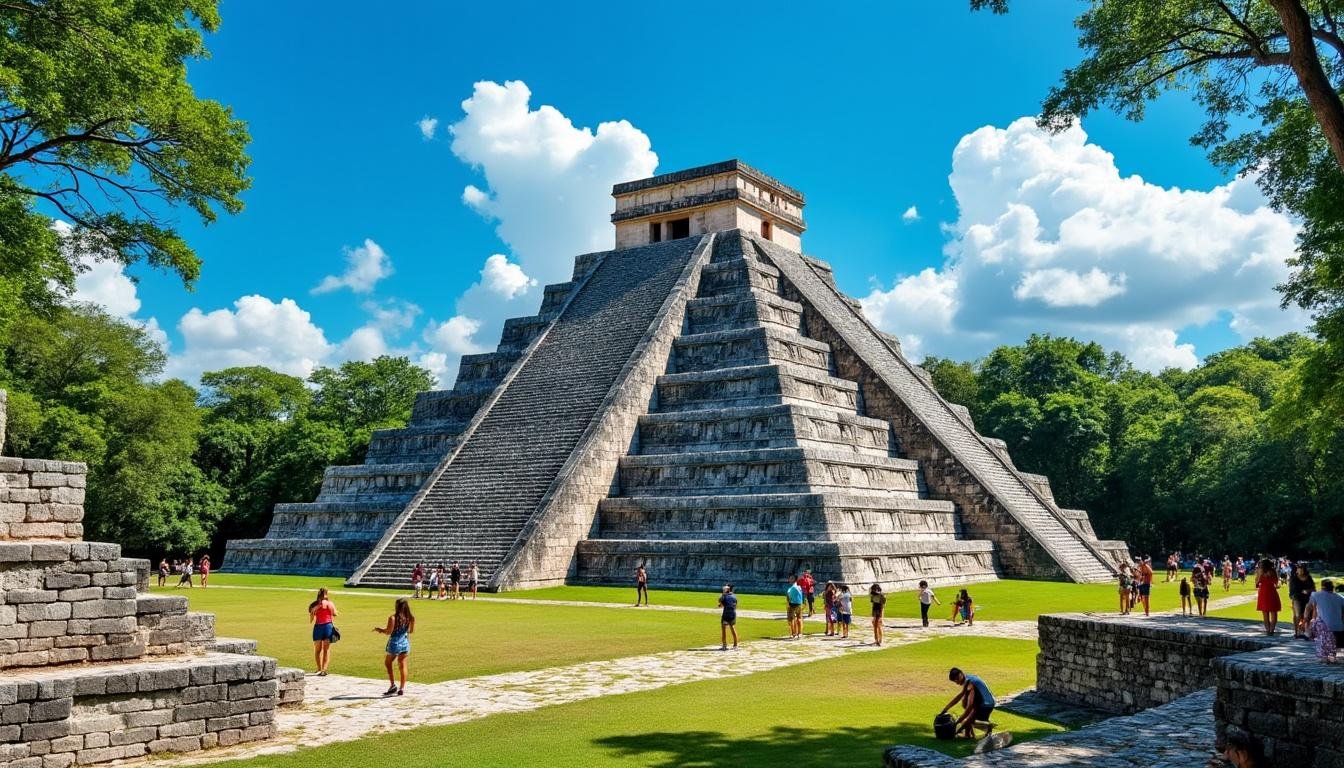

Chichen Itza, one of the most visited archaeological sites globally, draws more than 2 million travelers annually to Mexico. This ancient Mayan city was once a vibrant hub of politics, commerce, religion, and astronomy, serving as one of the most significant centers of the Mayan civilization in the Yucatán Peninsula. Renowned for its iconic pyramid, El Castillo, the site offers invaluable insight into the sophisticated engineering and astronomical knowledge that continues to captivate historians and tourists alike in 2026. As a UNESCO World Heritage Site and one of the New Seven Wonders of the World, Chichen Itza remains an essential destination for anyone interested in ancient history, cultural heritage, and spectacular sightseeing.
For travelers planning their journey to the heart of Mexico’s cultural past, understanding the essentials of visiting Chichen Itza becomes crucial. Whether you are searching for practical travel tips on how to get to the site, interested in guided tours to unravel the deep-rooted archaeology, or hoping to experience less crowded Mayan ruins, this guide has it all. From major nearby towns including Cancun and Mérida, to smaller gems such as Valladolid and Pisté, visitors can choose various transport options and tour packages tailored to their preferences and schedules.
- Location: Situated in the northern Yucatán Peninsula close to Valladolid.
- Significance: UNESCO World Heritage Site, New Seven Wonders of the World.
- Main Attraction: The Pyramid of Kukulkán, also known as El Castillo.
- Accessibility: Various options including rental cars, guided tours, buses, and the new Maya Train.
- Best Time to Visit: Early mornings and outside peak seasons for fewer crowds.
Detailed Travel Planning: How to Reach Chichen Itza From Major Tourist Hubs
Travelers commonly start their visits to Chichen Itza from popular locations such as Cancun, Playa del Carmen, Tulum, Valladolid, and Mérida. Each hub offers a distinct travel experience both in terms of distance and transportation availability, making it easier to tailor the journey according to individual preferences.
From Cancun
Cancun serves as a primary gateway for tourists aiming to visit Chichen Itza. The site lies just under 200 kilometers away, typically a 2.5 to 3-hour drive depending on traffic conditions. Renting a car offers flexibility, with Highway 180 making the journey straightforward but including toll fees around 500 MXN (approximately $26 USD). Alternatively, numerous guided tours in Cancun provide transportation, entry, expert guides, and often a stop at nearby cenotes or the charming town of Valladolid. For budget-conscious travelers, public buses departing from Cancun’s main ADO station represent an economical choice, though bus transfers may be necessary.
From Playa del Carmen
Situated slightly further south along the Caribbean coast, Playa del Carmen is roughly 180 kilometers from Chichen Itza, with travel times around 2.5 hours. Options include car rentals via Highway 305D and 180D with similar toll charges as from Cancun. Group tours are abundant, offering an organized and relaxed way to explore the ruins. Public transportation is also available, with daily ADO buses connecting Playa del Carmen to Valladolid where taxis or colectivos complete the trip to the ruins.
From Tulum
The coastal town of Tulum is approximately 150 kilometers from Chichen Itza and takes about 2 to 2.5 hours to reach. Touring companies based in Tulum often combine visits to the ruins with excursions to local cenotes or Valladolid. Driving independently via modern highways 109 and 180D toll road is convenient for travelers desiring control over their itineraries. For those not renting vehicles, direct early morning ADO buses offer another transportation alternative, complemented by taxis and colectivos for the final leg. Private drivers also provide an exclusive option, often arranged through local accommodations.
From Valladolid
Valladolid stands out as an excellent base due to its proximity—only about 40 kilometers or a 40-minute drive from Chichen Itza. The town features colonial architecture and cultural charms that enrich the trip. Shared vans known as colectivos offer a cheap, frequent transportation solution, costing roughly 40-50 MXN ($2 USD), departing once full. For increased comfort and flexibility, taxis are typically available for about 300-400 MXN ($18 USD) round trip, with options to wait or return later.
From Mérida
Capital of the Yucatán region, Mérida is about 120 kilometers and 1.5 to 2 hours away from the ruins. Car rentals are popular here, with the toll road 180D providing an easy route. Multiple tours also specialize in excursions combining Chichen Itza with other historical sites and cenote visits. Additionally, travelers can select from direct ADO minibuses or longer, more affordable buses by different providers departing Mérida’s central station. Booking tickets online in advance is recommended due to limited seats on faster minibuses.
| Departure Location | Distance (km) | Travel Time | Transport Options | Approx. Costs (USD) |
|---|---|---|---|---|
| Cancun | ~200 | 2.5 – 3 hours | Car rental, guided tours, public bus | Car+tolls $26, Tours $50-$100, Bus <$15 |
| Playa del Carmen | ~180 | 2.5 hours | Car rental, group tours, public bus via Valladolid | Car+tolls $26, Bus $14 |
| Tulum | ~150 | 2 – 2.5 hours | Car rental, tours, bus, private driver | Varies by option |
| Valladolid | ~40 | 40 minutes | Colectivo, taxi | Colectivo ~$2, Taxi $18-$20 |
| Mérida | ~120 | 1.5 – 2 hours | Car rental, guided tours, bus | Bus $15-$20, Tours vary |
Exploring Ancient History: The Architecture and Cultural Heritage of Chichen Itza
Chichen Itza reveals a profound cultural legacy through its diverse monuments and architectural marvels. Beyond the famous El Castillo pyramid, the site features the Great Ball Court—Mesoamerica’s largest—where ritual games determined fate and exhibited sacred traditions. The Temple of the Warriors, lined with numerous stone columns, whispers stories of military power and religious significance.
El Caracol stands as a testament to Mayan astronomical expertise, once functioning as an observatory aligned with celestial events crucial for agriculture and rituals. Visitors will also encounter the Sacred Cenote, a well-known sinkhole where offerings and sacrifices were made, linking the spiritual and natural worlds. The site’s intricate blend of Maya and Toltec influences is evident everywhere, reflecting a rich tapestry of cultural interaction that defined regional history.
Moreover, the significance of El Castillo as a giant calendar emerges in its precise design: each of its four sides has 91 steps, adding up to 365 steps including the temple platform on top, mirroring the solar year. During spring and autumn equinoxes, the setting sun casts shadows forming a ‘serpent’ that appears to slither down the pyramid staircase – a phenomenon celebrated worldwide and a highlight that attracts many visitors. This intertwining of astronomy and symbolism underscores the Mayan’s mastery of architecture and cosmology, making it a truly unique archaeological experience.
The Role of Archaeology in Preserving Chichen Itza
Archaeological efforts have been pivotal in uncovering and preserving Chichen Itza’s treasures. Continuous research deepens understanding of this thriving political and religious center that flourished from the 6th to 12th centuries CE, while restoration preserves its monuments for future generations. Findings such as carvings, pottery, and tools reveal social structures, religious practices, and daily life within the city, providing extensive context that enriches visitor appreciation beyond the surface spectacle.
Many parts of the site have undergone conservation to ensure safety and accessibility, including pathways and information plaques guiding tourists through their exploration. Additionally, the site’s cultural heritage is actively protected by Mexican authorities and international bodies, which enhances its appeal as a premier destination for travelers enthusiastic about history and archaeology.
Tourist Guide Essentials: Tips for an Unforgettable Visit to Chichen Itza
Navigating the visitor experience at Chichen Itza can be challenging due to the sheer scale and popularity of the site. To make the most of your trip, expert travel tips focus on timing, comfort, and guided learning:
- Arrive Early: The site opens at 8 AM, and getting there at opening time is crucial to avoid the busiest crowds and enjoy cooler temperatures.
- Wear Sun Protection: Limited shaded areas require sunscreen, hats, and comfortable clothing to cope with Yucatán’s heat.
- Bring Water and Snacks: Staying hydrated is essential, as amenities inside the site are limited and can be expensive.
- Consider Hiring a Guide: Whether joining a tour or booking one on-site, guides transform the visit by explaining symbolism and history that signage cannot fully convey.
- Purchase Tickets in Advance: Although tickets can be bought at the entrance, pre-booking can avoid lines and confirm entry, especially during peak seasons.
Additionally, those interested should explore the enchanting Chichén Itzá Night Show, Noches de Kukulkán, a spectacular light and sound display illuminating El Castillo and other monuments. This event, running from Wednesday to Sunday nights, offers a memorable way to experience the site’s grandeur outside regular daytime visits. Tickets for the night show are not included in general admission and should be purchased separately.
For deeper planning, several guides are available online to assist visitors exploring the ruins, best times to visit, and combined tours that include nearby cenotes or alternate Mayan sites. One valuable resource is a comprehensive visitor guide to Chichen Itza, which covers practical advice and logistics for travelers.
Alternative Mayan Ruins: Finding Quieter Cultural Heritage Sites Near Chichen Itza
While Chichen Itza impresses with its monumental architecture and historical significance, the popularity results in large crowds, especially at peak times. For travelers seeking more peaceful and intimate encounters with Mayan archaeology, the Yucatán Peninsula offers several lesser-known sites that provide exceptional cultural heritage experiences without overwhelming visitor numbers.
Ek’ Balam, near Valladolid, features beautifully preserved structures and the ability to climb the main pyramid, offering stunning jungle panoramas. The site’s preserved carvings and sculptures highlight intricate craftsmanship less crowded than Chichen Itza.
Coba, found closer to Tulum, lies deep within lush jungle and encourages exploration by bicycle. Its pyramid, Nohoch Mul, is among the tallest in the Yucatán, and climbing it rewards visitors with breathtaking views above the treetops.
Uxmal, near Mérida, often steals the spotlight for its detailed stonework and unique rounded pyramids. Its quieter atmosphere provides tranquility and a chance to appreciate Mayan architecture styles without the rush of mass tourism.
In more remote settings, Calakmul offers an adventurous experience for intrepid travelers. Deep in Campeche’s jungle, Calakmul presents sprawling ruins surrounded by wildlife and hardly any crowds, perfect for those who want an “Indiana Jones” style expedition.
Mayapán, located near Mérida, is another gem that provides a broad but less visited site, giving visitors a rare opportunity to experience an extensive Mayan cityscape in relative solitude.
Choosing these alternatives can enhance cultural learning and allow for more relaxed sightseeing while supporting tourism diversity in the region.
- Ek’ Balam: climbable pyramid, close to Valladolid, fewer tourists
- Coba: bicycle-friendly, tall pyramid, jungle setting
- Uxmal: famous for rounded pyramids, detailed carvings, quiet
- Calakmul: jungle-remote, adventurous, wildlife encounters
- Mayapán: extensive ruins, less crowded, near Mérida
Managing Expectations: Is Chichen Itza Worth Visiting in 2026?
Chichen Itza undoubtedly stands as a highlight among Mayan ruins for many travelers, but the experience varies greatly based on expectations and timing. The grandeur of the architecture and the profound ancient history do not disappoint; however, the site’s fame leads to dense visitor crowds, particularly during equinoxes and peak season.
Visitors arriving just as the gates open can enjoy a quieter, more contemplative exploration, but by mid-morning, large groups and guided tours dominate the pathways, competing for prime photo spots. This crowds the atmosphere and might detract from a peaceful sightseeing experience. Those seeking a mystical or immersive connection to the past might find Chichen Itza less intimate than smaller sites offer.
Nonetheless, the site remains accessible, well-maintained, and offers unparalleled insights into Mayan culture blended with Toltec influences. For genuine enthusiasts of archaeology and ancient history, it remains a non-negotiable highlight. However, casual travelers with limited time might consider complementing or substituting their visit with some of the alternative ruins mentioned.
Managing expectations about crowd sizes and preparing accordingly, such as arriving early and hiring knowledgeable guides, can significantly enhance the visit. More information and balanced perspectives to help with travel decisions can be found in detailed guides like this comprehensive travel blog, which covers practical advice and personal insights.
What is the best time to visit Chichen Itza to avoid crowds?
The ideal time to visit is right when the site opens at 8 AM, especially on weekdays outside of major holidays and equinox dates to avoid large tourist groups.
Are guided tours necessary for understanding Chichen Itza?
While not mandatory, hiring a guide is highly recommended as they provide detailed historical context and uncover hidden meanings behind the architecture and carvings that signage alone cannot deliver.
How much does the entrance ticket cost for Chichen Itza?
As of 2026, the general admission fee for adults is 648 MXN (approximately $35 USD), with reduced prices for children and Mexican residents.
Is it possible to visit Chichen Itza by public transportation?
Yes, accessible by ADO buses and colectivos from major nearby towns. While public transport may take longer, it offers a budget-friendly option.
What should I bring when visiting the Mayan ruins?
Visitors should carry plenty of water, sunblock, hats, comfortable shoes, cash for tickets and guides, and optionally a camera and light snacks.