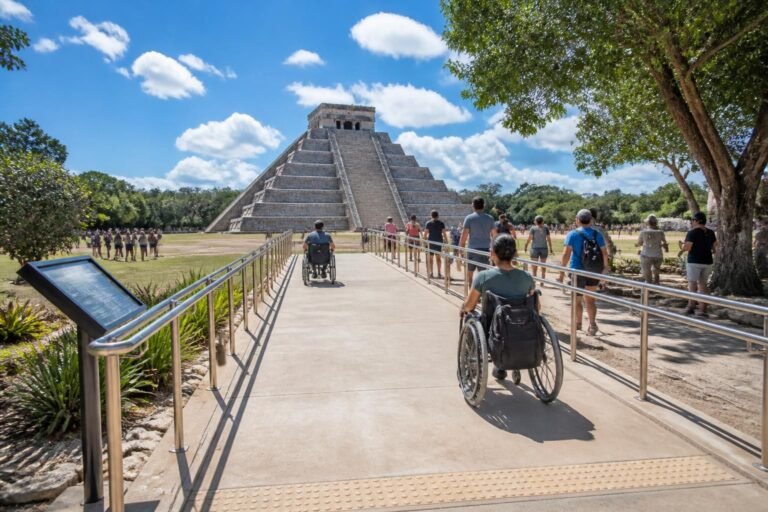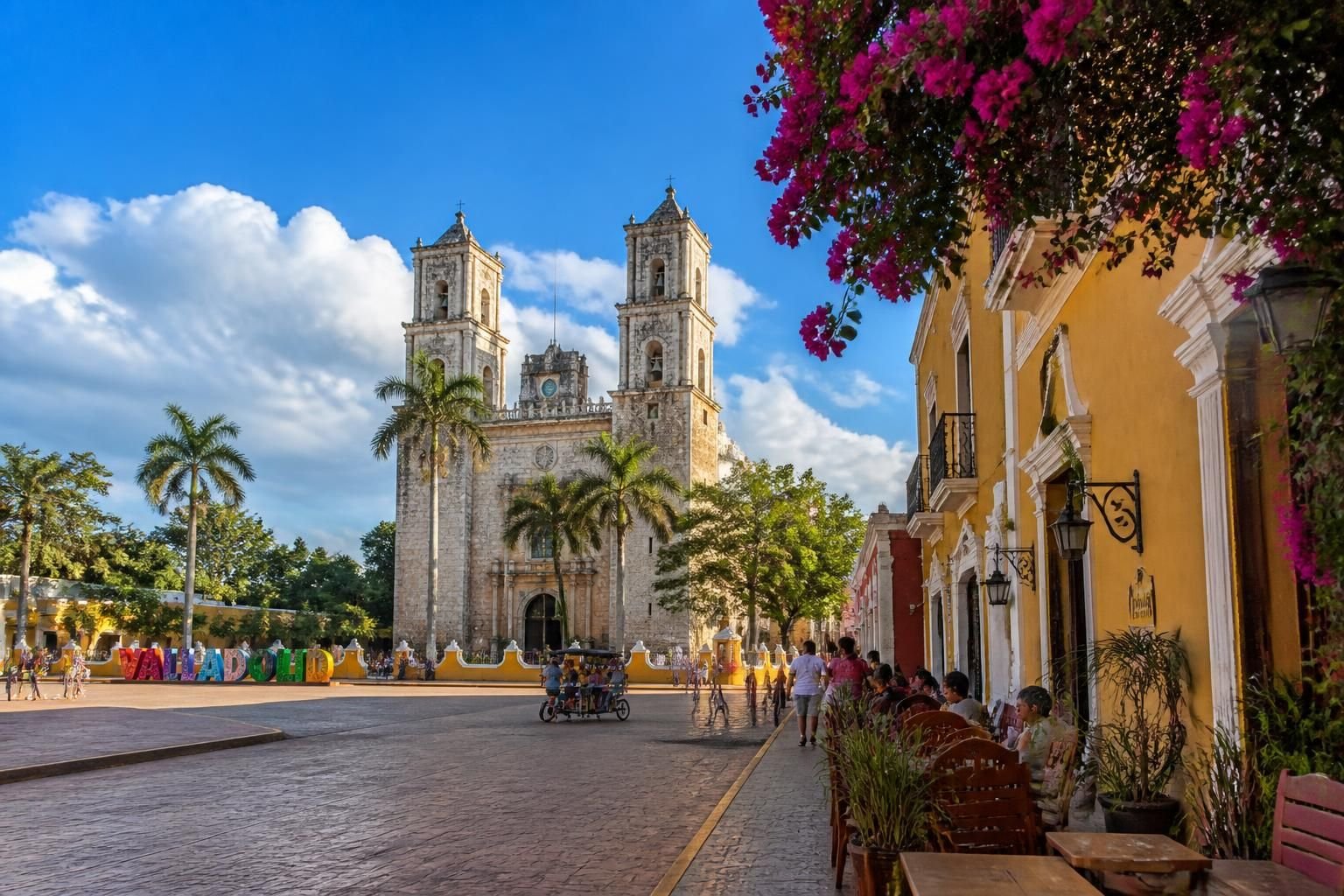

Valladolid, a charming colonial city nestled in the heart of Mexico’s Yucatán Peninsula, stands as a treasure trove for photography enthusiasts seeking to capture stunning shots. Rich in vibrant colors, historic architecture, and exquisite natural scenery, Valladolid offers abundant photo opportunities that blend cultural landmarks with serene nature photography. From its iconic town square to nearby cenotes and ancient ruins, this city is a haven where urban photography meets breathtaking landscapes. Whether aiming to immortalize the intricate details of colonial facades or capture the ethereal beauty of crystalline caves, Valladolid consistently delivers remarkable scenes that enchant every shutterbug.
Exploring Valladolid through the lens reveals a multifaceted narrative of Mexico’s past and present. The city’s downtown area, with its bustling markets and centuries-old churches, provides a vibrant backdrop filled with textured streets and lively colors. Meanwhile, its proximity to world-famous Mayan sites like Chichen Itza and pristine cenotes offers exclusive natural visuals that few destinations can match. Photographers are invited to delve beyond the typical tourist paths, uncovering hidden gems that range from serene plazas lined with flamboyant bougainvillea to tranquil waters shimmering under the tropical sun. Valladolid’s diversity in photographic subjects makes it an ideal destination for both amateur and professional travel photography.
This guide explores the best photo spots Valladolid boasts, highlighting key locations where every frame can be transformed into a masterpiece. It emphasizes the importance of timing—capturing landmarks during golden hours to take advantage of soft, flattering light—and recommends practical strategies for accessing off-the-beaten-path areas. For visitors planning their itineraries, understanding when and where to shoot can vastly improve the resulting portfolio, ensuring images that reflect both the city’s historic charm and its natural wonders. Embracing Valladolid’s unique ambiance not only enriches photographic outcomes but also deepens the traveler’s connection to the place.
Traveling photographers will also appreciate insights into transport logistics, useful for reaching these scenic locations efficiently. Practical tips on navigating between Valladolid and iconic neighboring sites like Chichen Itza facilitate smooth travel, allowing for spontaneous stops to seize those rare photo opportunities. Accommodations situated near major landmarks can provide quick access to sunrise and sunset views, essential for capturing Valladolid at its most magical moments. The confluence of cultural richness and natural splendor guarantees that every shutter click in Valladolid tells a vivid and memorable story.
Finally, beyond landmark photography, Valladolid invites exploration of local life and traditions through the camera’s eye. Street scenes filled with vibrant markets, artisans at work, and lively plazas create compelling urban photography scenes that document the city’s living heritage. The synergy between Valladolid’s people, architecture, and nature crafts an immersive experience where every angle unveils a new narrative. Mastering these photo spots will enable visitors to collect a diverse and stunning portfolio, truly capturing the spirit and allure of Valladolid through the art of photography.
In brief:
- Valladolid offers a rich mix of historic landmarks and natural scenery, ideal for varied photography genres including urban and nature photography.
- Golden hour light enhances iconic sites such as the Main Square and colonial churches, creating captivating photo opportunities.
- Nearby cenotes add mystical nature photography scenes that contrast beautifully with the urban environment.
- Efficient travel and accommodation options support smooth access to prime photography locations around Valladolid and Chichen Itza.
- Capturing local markets and street life provides authentic urban photography moments filled with color and culture.
Exploring Valladolid’s Historic Landmarks for Captivating Urban Photography
At the heart of Valladolid lies its historic district, a vibrant area brimming with architectural beauty and cultural depth. The city’s Main Square, also known as Plaza Principal, stands as the prime location for urban photography. Surrounded by colonial buildings painted in warm pastel tones, the square bustles with local life, offering a rich tapestry of subjects throughout the day. Early mornings and late afternoons yield the best natural light, softening architectural details and enhancing the square’s colorful ambience. Photographers can capture striking contrasts between shadowed arches and sunlit facades, a feature that transforms everyday scenes into extraordinary images.
The nearby San Servacio Church, a landmark with a distinctive pinkish hue, presents yet another exceptional photo spot. Its baroque-style facade invites exploration of light and shadow, while its historic interiors allow for more intimate photography of ornamental altarpieces and frescoes. Nighttime shots reveal the church illuminated against the starry sky, perfect for dramatic wide-angle exposures. Walking the cobblestone streets surrounding the plaza unveils quaint corners, each framed by vibrant walls and flowering gardens, ideal for street and detail photography that narrates Valladolid’s colonial past.
Behind the main square, the Casa de los Venados offers a private collection of Mexican folk art within an ornate colonial mansion. While access is limited, guided tours can be arranged, providing rare opportunities to document the interplay of traditional craftsmanship with historical architecture. This venue enhances the portfolio of any photographer interested in capturing cultural authenticity through architectural and indoor photography. Combined with visits to open markets like Mercado Municipal, the historic core presents endless photo opportunities that merge daily life with heritage.
For those wishing to broaden their urban photography, the San Bernardino Convent lies just a short walk away. Its impressive walls and grand arches embody a monumental presence perfect for wide-angle composition. Similarly, the nearby Calzada de los Frailes, a charming pedestrian street lined with colorful structures, provides vivid scenes saturated with light and shadow contrasts. These locations further enrich the visual narrative of Valladolid as a living colonial jewel, where every corner tells a story waiting to be captured.
Practical tips for urban photo shoots in Valladolid:
- Golden hour timing: Plan shoots around sunrise or sunset for soft light that enhances textures and colors.
- Compact gear: Use lightweight lenses and cameras to navigate narrow streets comfortably.
- Respect locals: Engage politely when photographing people or private spaces to capture authentic moments.
- Explore early: Arrive before crowds to seize peaceful, unspoiled scenes particularly in popular squares.
Discovering Scenic Nature Photography Near Valladolid’s Stunning Cenotes
The landscape surrounding Valladolid is renowned for its captivating cenotes—natural sinkholes formed by collapsed limestone that reveal awe-inspiring underground freshwater pools. These unique geological features provide unparalleled opportunities for nature photography. Among the most photogenic is Cenote Suytun, famous for its shaft of light piercing through the cave opening onto the crystal-clear waters below. This surreal lighting effect creates dramatic contrasts ideal for capturing ethereal images that showcase both water reflections and cavern textures.
Another noteworthy site is Cenote Ik Kil, renowned for its lush vertical walls overgrown with vines and waterfalls, making it a prime scene for vibrant nature photography. The play of natural light penetrating dense greenery creates dynamic compositions filled with rich hues of green and blue. Early mornings offer the clearest reflections and softer shadows that emphasize the natural architecture and inviting waters, perfect for both wide-angle environmental shots and intimate close-ups of flora and fauna inhabiting the surroundings.
For photographers interested in combining travel photography with natural beauty, guided excursions facilitate access to less crowded cenotes, ensuring peaceful settings for immersive photo sessions. The tranquil atmosphere, combined with crystal waters and unique formations, contrasts sharply with Valladolid’s urban scenes, broadening the photographic scope from historic landmarks to natural wonders. Frequent visitors can find value in exploring different cenotes throughout their stay, capturing varied moods from vibrant daylight colors to mystical twilight scenes.
| Cenote Location | Key Photo Feature | Best Time to Shoot | Photographic Style |
|---|---|---|---|
| Cenote Suytun | Sunbeam lighting, crystal-clear water | Late morning (when the beam appears) | Ethereal and dramatic natural light |
| Cenote Ik Kil | Waterfalls, lush vegetation | Early morning for soft light | Lush nature and landscape |
| Cenote Xkeken | Stalactites and turquoise water | Midday for sun penetration | Structural nature photography |
Those planning trips from Valladolid can easily arrange visits to these natural wonders. For travelers looking for practical advice on traveling to such locations, useful guidance on taxi rides to Chichen Itza also applies here, simplifying transit to the surrounding photo spots. A careful mix of preparation and exploration promises unforgettable nature photography experiences near Valladolid’s borders.
Capturing the Vibrant Life of Valladolid’s Marketplaces and Cultural Events
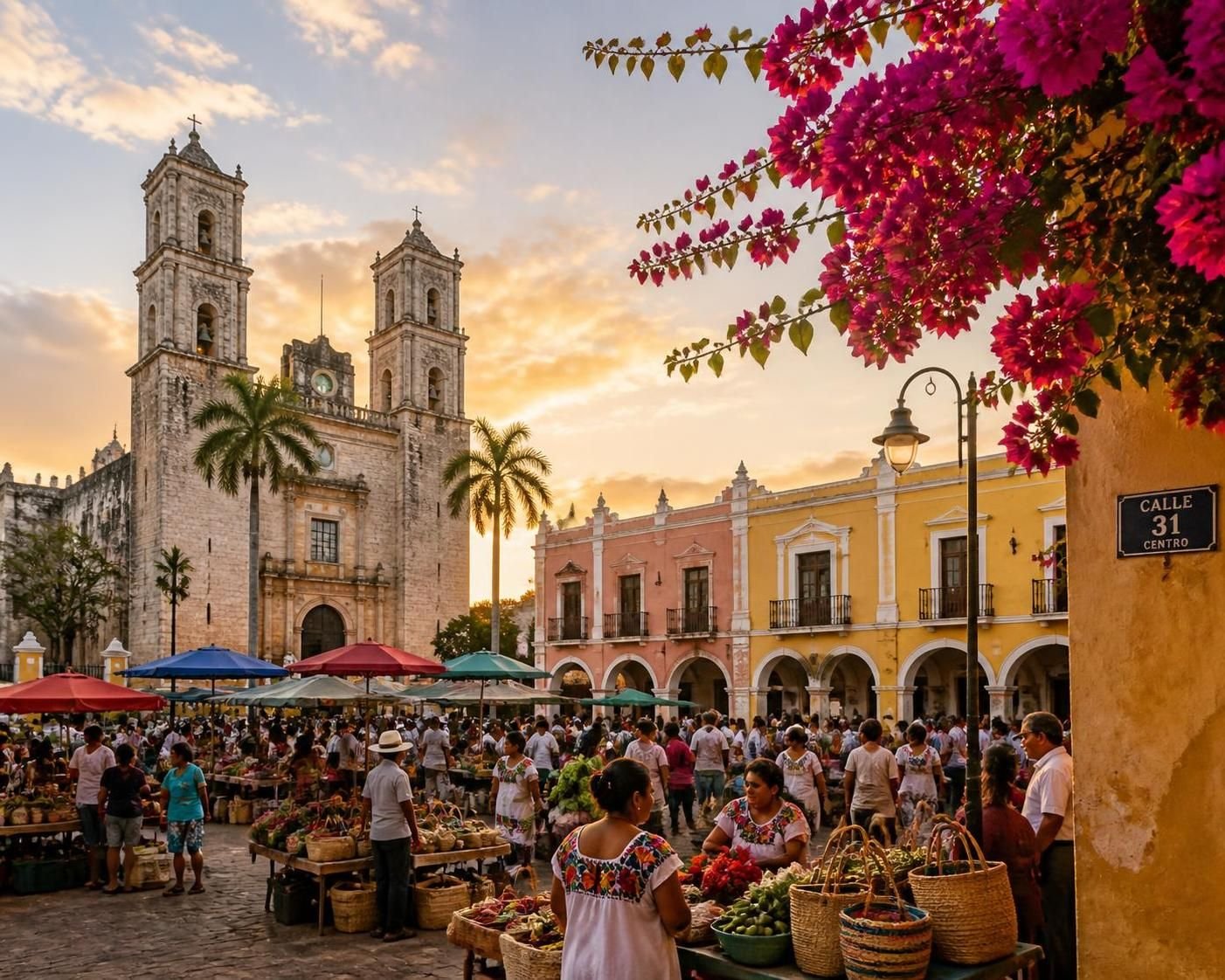
No photographic journey around Valladolid would be complete without immersing in its lively market scenes and cultural festivities. The local markets brim with striking colors, textures, and dynamic human activities, all perfect material for expressive urban photography. Mercado Municipal, the central market located near the main square, bursts with fresh produce, handcrafted goods, and animated exchanges that reflect the region’s culinary and artisanal heritage.
Photographers can find endless inspiration capturing vendors arranging colorful fruits, spices piled high, and the engaging portraits of locals immersed in daily routines. Early mornings are particularly advantageous, allowing photographers to capture the market’s crescendo as it awakens. The bustling atmosphere is punctuated by traditional Mayan influences and a myriad of vibrant textiles and decorations adding to the visual richness.
Throughout the year, Valladolid hosts numerous festivals and cultural events that offer iconic street photography moments. The “Hanal Pixán” Day of the Dead celebrations, for example, are marked with colorful parades, decorated altars, and expressive street scenes. Photographers aiming to document authentic cultural expressions will find these seasonal events provide compelling narratives filled with movement and emotion. Capturing these moments requires sensitivity and respect, ensuring the resulting images celebrate the city’s cultural vibrancy.
Tips for photographing markets and events:
- Blend in: Wear neutral clothing and move slowly for candid shots.
- Use a fast lens: A prime 50mm or 35mm works well for low light and fleeting moments.
- Engage politely: Building rapport with locals often leads to more natural portraits.
- Candid focus: Concentrate on expressions and interactions to tell stories through images.
Maximizing Travel Photography Through Strategic Planning and Timing in Valladolid
A successful photography experience in Valladolid hinges not only on location choice but also on optimal timing and travel planning. Early morning and late afternoon sessions leverage the golden hour, maximizing the quality of light for dramatic and colorful images. Avoiding the harsh midday sun prevents washed-out colors and deep shadows, ensuring balanced exposures especially in outdoor scenes.
Strategically, basing accommodations near key sites like Valladolid’s Main Square or historic neighborhoods enables quick and flexible access to primary photo spots. Complementary day trips to attractions such as Chichen Itza or the numerous cenotes enrich the travel photography portfolio, facilitated by reliable transport options. Tourists can find valuable tips to make these transitions seamless and stress-free, referencing how to take a taxi from Valladolid to Chichen Itza for a hassle-free trip.
For photographers eager to explore more, self-drive experiences provide autonomy to stop spontaneously at roadside viewpoints or charming village scenes, widening photo opportunities. Such travel independence is particularly advantageous in a region where the interplay of urban and natural landscapes demands flexibility. Well-planned itineraries that incorporate local guidance yield a diverse mix of photo subjects, from majestic ruins and nature to lively cultural scenes and quaint townscapes.
Essentials for travel photography in Valladolid include:
- Planning visits around natural light cycles for optimal shots.
- Researching transportation modes to maximize time efficiency.
- Carrying versatile camera gear adaptable to diverse settings.
- Incorporating rest periods within busy shooting days to maintain creative energy.
- Engaging local guides or tours for insider knowledge on hidden photo spots.
Unveiling Lesser-Known Valladolid Photo Spots for Unique Compositions
While iconic locations dominate most guides, Valladolid holds many hidden gems that reward the inquisitive photographer with truly unique compositions. For instance, the less-explored avenues around the San Roque district reveal quiet residential streets adorned with murals and charming facades. Here, a blend of subtle pastel hues and natural decay offer texture-rich urban photography that contrasts with bustling tourist areas.
Nearby, the small Cenote Dzonbacal provides a tranquil natural setting, less frequented by visitors but equally impressive for crafting intimate nature shots. Its emerald waters and dense surrounding flora create a peaceful microcosm perfect for experimentation with reflections and macro nature photography. Additionally, the evenings along Calle 41, a popular dining street, offer interesting night photography prospects capturing atmospheric lighting and vibrant nightlife.
Photographers looking to capture the essence of Valladolid’s offbeat sides will find that wandering beyond main landmarks is well worth the effort. These lesser-known spots foster creativity, allowing for fresh perspectives on the city’s mix of colonial architecture, local life, and natural beauty. Incorporating such unique locales adds depth and originality to any photographic collection from Valladolid.
Recommendations for discovering hidden photo gems:
- Take time to explore residential neighborhoods early in the day.
- Engage with local residents to learn about overlooked locations.
- Utilize manual camera settings to capture ambiance and mood.
- Be patient and observe natural light changes for dynamic shots.
What is the best time of year to visit Valladolid for photography?
The ideal periods are during the dry season, roughly from November to April, when skies are clear and natural light is perfect for outdoor and urban photography. Early mornings and late afternoons provide the best lighting conditions year-round.
Are there guided photography tours available in Valladolid?
Yes, several local operators offer photography tours around Valladolid and the surrounding Yucatán region. These tours typically include access to hidden photo spots and expert advice on lighting and composition.
How can travelers combine visiting Valladolid with photographing Chichen Itza?
Many tours and taxi services provide efficient transport between Valladolid and Chichen Itza, enabling travelers to capture the iconic Mayan ruins and return to Valladolid conveniently. See detailed advice on taking a taxi from Valladolid to Chichen Itza.
What gear is recommended for travel photography in Valladolid?
A versatile wide-angle lens for architecture and landscapes, a fast prime lens for street and low-light shots, and a portable tripod for interiors and night photography are highly recommended.