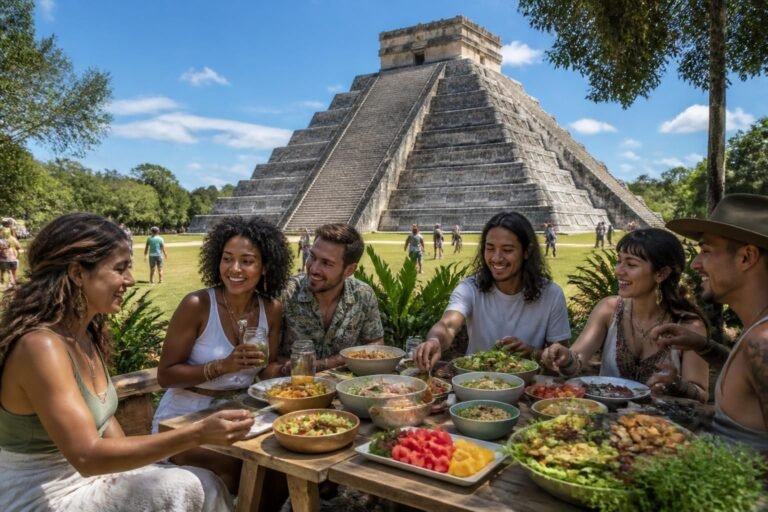
The Riviera Maya stands as one of the most captivating regions for archaeological tours in Mexico, offering a blend of stunning natural beauty and remarkable historical significance. Beyond the widely frequented sites lie numerous hidden gems— lesser-known Mayan ruins and ancient temples—that invite travelers to dive deep into the cultural heritage of the Yucatán Peninsula. These archaeological marvels present a unique allure, as they often come with fewer crowds, allowing for an immersive experience into the ancient Mayan civilization. Whether it’s exploring remote ruins enshrouded in jungle vegetation or uncovering sensory moments at tranquil cenotes nearby, the Riviera Maya promises an enriching archaeology adventure.
This coastal stretch features a rich tapestry of historical sites ranging from coastal fortresses like Tulum to the expansive cities of Cobá and beyond, each revealing distinct facets of Mayan history through their architectural sophistication and cultural artifacts. Specialized guided tours designed for archaeology enthusiasts provide not only an educational journey but also a connection to the past through stories of ancient rituals, political power, and artistry embedded in stone. Discovering these hidden gems demands more than just casual sightseeing; it requires seasoned planning to time visits around the best weather conditions and crowd patterns, ensuring an experience that’s both comfortable and memorable.
In 2026, many travelers seek off-the-beaten-path archaeological tours that go beyond the well-trodden paths of Chichen Itza and Tulum. These tours offer interactions with dedicated local guides, expert knowledge, and access to ruins still nestled in their natural, untouched surroundings. Exploring these sites shines a light on the civilization’s deep respect for nature and cosmology, themes often overshadowed by more commercial destinations. From the serene beauty of lesser-known temples to the fascinating cultural heritage revealed through delicate carvings and ball game courts, Riviera Maya continues to reveal stories that captivate visitors and historians alike.
For those eager to combine archaeology with adventure, the Riviera Maya’s hidden sites are often connected by lush jungles, crystal-clear cenotes, and small village communities that offer an authentic glimpse at modern Mayan culture. These integrated experiences engage travelers holistically, transforming a simple ruins exploration into a cultural immersion. Challenges such as accessibility and environmental preservation efforts have positioned these lesser-known sites as treasures cared for with utmost respect, inviting a new generation of archaeotourists to tread lightly and appreciate the mysteries held within these ancient stones.
Overall, this exploration of Riviera Maya’s hidden archaeological sites presents an ongoing opportunity for travelers to discover historic narratives outside mainstream tourism channels. By selecting guided tours dedicated to uncovering such gems, visitors gain access to exquisitely preserved ruins, gain an understanding of Mayan society’s complexity, and enjoy personalized encounter with Mexico’s profound cultural heritage amid breathtaking natural settings.
Key Highlights of Riviera Maya Archaeological Tours:
- Exploration of lesser-known Mayan ruins and ancient temples beyond popular sites.
- Immersive cultural heritage experiences through guided tours.
- Opportunities to avoid crowds and enjoy serene, pristine historical sites.
- Integration of jungle trails, cenotes, and local communities in archaeology adventures.
- Optimal travel timing based on weather and crowd patterns for a rewarding visit.
Unveiling Lesser-Known Mayan Ruins in Riviera Maya Archaeological Tours
While the iconic Mayan ruins such as Chichen Itza and Tulum attract countless visitors annually, the Riviera Maya region is dotted with numerous hidden gems that remain unexplored by the majority of tourists. Sites like the ruins of Muyil, Kohunlich, and El Rey offer intimate glimpses into the Mayan civilization without the bustling crowds typical of larger attractions. These ruins often showcase distinct architectural styles and historical contexts that illuminate different chapters of Mayan society from residential compounds to ceremonial centers.
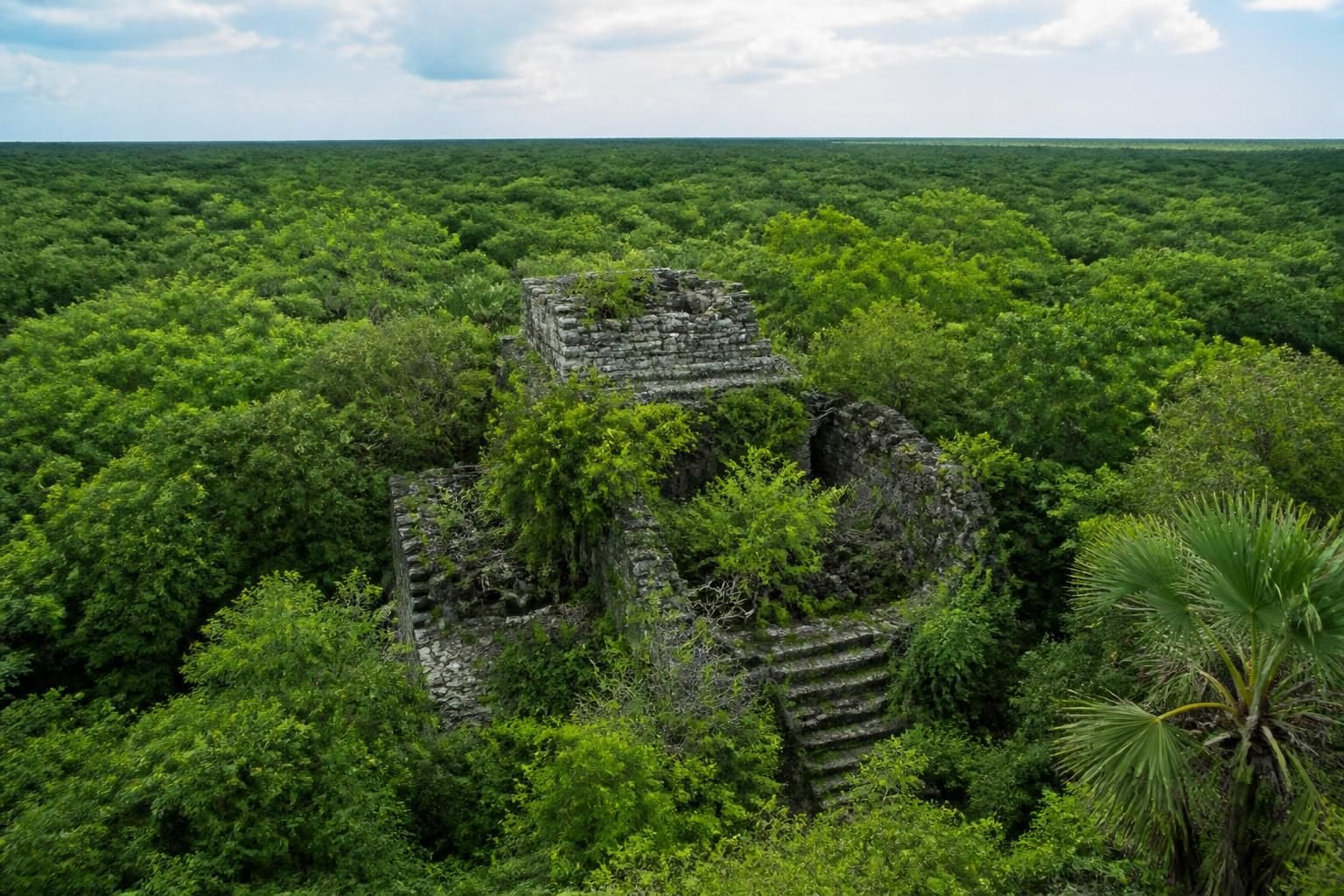
Muyil, for example, rests within a protected biosphere reserve and is one of the earliest settlements in the area, dating back to around 250 BC. Its layout features pyramid temples and plazas enveloped by dense jungle, creating a surreal atmosphere for visitors eager to experience history and nature simultaneously. The site’s strategic location near the Sian Ka’an biosphere adds ecological importance to any archaeological excursion, allowing travelers to witness the interplay between human history and natural preservation.
El Rey, closer to the bustling hub of Cancun, represents a unique urban archaeological park with structures that include palace foundations, platforms, and ball courts, which reveal aspects of Mayan political and social life. The site is perfect for travelers looking to combine proximity convenience with cultural discovery. Its relative accessibility ensures an affordable, brief exploration that remains rich in historical significance.
Kohunlich stands out for its remarkable stucco masks embellishing temple facades, particularly the Temple of the Masks, which narrate religious symbolism and artistic achievement. Engaging in guided tours here includes explanations of the spiritual importance of each mask and how the Mayans related to nature, gods, and celestial phenomena. This level of detailed interpretation is invaluable for understanding the depths of Mayan cultural heritage often lost in broader tourism narratives.
Visiting these archaeological sites requires informed preparation. Considering environmental conditions such as the climate is essential, with many experts recommending visits during cooler and drier months. For further guidance, travelers often consult resources like best time to visit Riviera Maya for ideal weather and fewer crowds, which help in crafting itineraries that maximize comfort and enrich overall archaeology adventures. Guided tours offered around these hidden gems typically include historical context, cultural stories, and insights into Mayan daily life, creating a comprehensive visit that extends well beyond mere sightseeing.
Immersive Cultural Heritage Experiences Through Guiding Experts
Participating in archaeological tours with seasoned guides is instrumental in unlocking the full spectrum of Riviera Maya’s historical sites, notably its hidden gems. These experts bring to life the stories engraved in stone walls, decipher ancient symbols, and explain the cultural context that shaped this civilization’s development. A professional guide can provide detailed accounts of how ancient temples functioned not only as religious centers but also as venues for political, social, and astronomical activities.
Guided tours tend to include visits to significant Mayan ball courts, where travelers learn about the ceremonial ball game’s cultural and spiritual significance. Unlike general tours, these focused archaeology adventures offer opportunities to interact deeply with the site, gaining appreciation for Mayan ingenuity in fields ranging from urban planning to mathematical and calendrical knowledge. The Mayan ball game itself, as explained in detailed excursions found in resources like Exploring the Mayan ball game at Chichen Itza and its cultural significance, represents a focal point linking sport, ritual, and mythology.
Many local guides enrich visits with anecdotes about modern Mayan descendants preserving traditions, blending past and present in an ongoing cultural dialogue. They often lead travelers beyond the ruins into local villages where handmade crafts, culinary experiences, and language provide additional layers of understanding. These authentic cultural encounters complement the archaeological exploration by illustrating how Mayan heritage continues to live today.
Furthermore, guided tours frequently integrate visits to remote caves, temples at sunrise, and exclusive cenotes that remain untouched by mainstream tourism. Such experiences grant a rare opportunity to engage with nature and history within a single itinerary, turning a simple archaeological visit into an evocative sensory journey. This holistic approach enhances the educational and emotional impact of the trip, highlighting how the Riviera Maya’s ecological and cultural heritage are deeply intertwined.
Strategies for Planning Ideal Archaeological Tours in Riviera Maya
Planning a trip to discover hidden archaeological gems in the Riviera Maya requires attention to various factors to ensure a rewarding experience. Firstly, understanding the region’s weather patterns plays a pivotal role — this guides travelers to choose months with optimal conditions, balancing comfort and quiet during visits to these precious sites. Consulting weather-related insights, such as those found at Riviera Maya weather by month, prepares visitors for the tropical climate and aids in selecting the right gear and times for exploration.
Secondly, choosing tours tailored to individual interests enhances the archaeological adventure. For example, expert-led day trips focusing on the historical significance of Chichen Itza or Cobá specialize in uncovering mysteries of ancient Maya cities and provide recommendations on pairing sightseeing with local stays. For those drawn to off-the-beaten-path experiences, private Riviera Maya tours enable custom itineraries that spotlight hidden Mayan ruins, integrating eco-tourism with cultural discovery.
Thirdly, accommodation choices nearby archaeological sites significantly influence the overall ambiance. Staying in hotels or resorts that meld luxury with sustainability allows visitors not only to rest but to participate in cultural programs or workshops that deepen appreciation of Maya traditions. Some local properties even facilitate early access to ruins, providing a serene experience devoid of crowds. This strategic lodging aligns perfectly with the goal of exploring historical sites at tranquil hours.
To synthesize these ideas, the following table outlines key considerations for crafting successful Riviera Maya archaeological tours:
| Element | Recommendation | Benefit |
|---|---|---|
| Best Travel Season | November to April | Comfortable weather, fewer tourists |
| Tour Type | Guided private or small-group tours | Personalized experience, deeper insights |
| Accommodations | Eco-friendly hotels near ruins | Authentic atmosphere, culture immersion |
| Additional Activities | Visiting cenotes, villages | Complete cultural and ecological experience |
Exploring the Connection Between Archaeological Sites and Natural Attractions
One of the most remarkable features of Riviera Maya archaeological tours is the harmonious combination of historical sites with surrounding natural wonders. Many hidden gems are located near or within protected ecological areas, making visits an extraordinary chance to experience both cultural heritage and pristine nature. Cenotes, natural freshwater sinkholes unique to the Yucatán region, often stand close to ancient temples and settlements and were crucial to the Mayan way of life— serving as sources of water and sacred portals to the underworld.
Travelers focused on detailed ruins exploration can include stops at these cenotes, where swimming or quiet contemplation amid lush surroundings adds another dimension to their journey. Exploring such places under expert guidance offers explanations about their significance in Mayan cosmology and rituals, deepening the cultural narrative. The integration of nature and archaeology in tours fosters an appreciation of how the Mayans lived sustainably and in balance with their environment.
Efforts to preserve these environments have increased, emphasizing responsible tourism to protect both the archaeological sites and ecological systems. For visitors in 2026, selecting tours that adhere to sustainable practices helps maintain the integrity of these hidden treasures for future generations. Additionally, nearby rainforest trails and wildlife encounters provide enriching diversions before or after visiting temples, giving archaeology enthusiasts a fuller sensory and educational experience.
By combining the allure of ancient ruins with the breathtaking beauty of Riviera Maya’s natural settings, these archaeology adventures stand out for delivering profound cultural insight alongside nature appreciation. This symbiosis is a large part of why hidden gems in the region captivate both seasoned travelers and first-time visitors.
Exploring the connectivity between archaeological sites and natural surroundings elevates the appreciation of Riviera Maya’s cultural heritage and ecological richness.
Local Insights and Practical Tips for an Enriching Archaeology Adventure
Local expertise plays a crucial role in enhancing the quality of archaeological tours in the Riviera Maya, especially when seeking hidden gems away from mainstream tourism. Knowledgeable guides not only navigate the complexities of the ruins but also provide practical advice regarding transportation options, safety, and etiquette respectful of cultural values.
One common recommendation is to avoid peak times in the early afternoon when sun intensity can be overwhelming. Starting tours early in the morning not only makes exploration more comfortable but often allows visitors to witness spectacular sunrises over ancient temples—a memorable highlight. Additionally, local guides emphasize wearing breathable clothing, insect repellent, and carrying sufficient water to cope with the tropical environment.
Another tip includes focusing on sustainable travel, encouraging visitors to minimize waste and support community-based initiatives such as artisan markets or traditional dining experiences. This approach enriches the encounter by contributing to the preservation of Indigenous heritage while empowering local economies.
For travelers interested in comprehensive itineraries, reviewing detailed tour options such as those featured in Discover the best Chichen Itza tours from Playa del Carmen for 2026 reveals specialized programs combining archaeological exploration with cultural and gastronomic discoveries. These carefully crafted tours highlight the best times to visit, accessibility tips, and how to engage respectfully with the sites and residents.
Ultimately, adopting these practical insights fosters a deeper connection to the hidden gems and ensures each archaeology adventure in the Riviera Maya is fulfilling, safe, and culturally sensitive.
What are some of the lesser-known Mayan ruins worth visiting in the Riviera Maya?
Hidden sites such as Muyil, Kohunlich, and El Rey offer unique and less crowded experiences that reveal diverse aspects of Mayan history and architecture.
When is the ideal time to visit these archaeological sites to avoid large crowds?
The best months to explore are typically from November to April when the weather is pleasant and visitor numbers are lower, providing a more intimate experience.
How do guided tours enhance the experience of exploring ancient temples and ruins?
Guided tours deliver expert insights into the cultural, religious, and historical significance of ruins, as well as access to hidden locations often missed by independent travelers.
Are there opportunities to combine archaeological exploration with nature experiences?
Yes, many archaeological sites are near cenotes and natural reserves, allowing visitors to integrate ruins exploration with swimming, wildlife watching, and ecological tours.