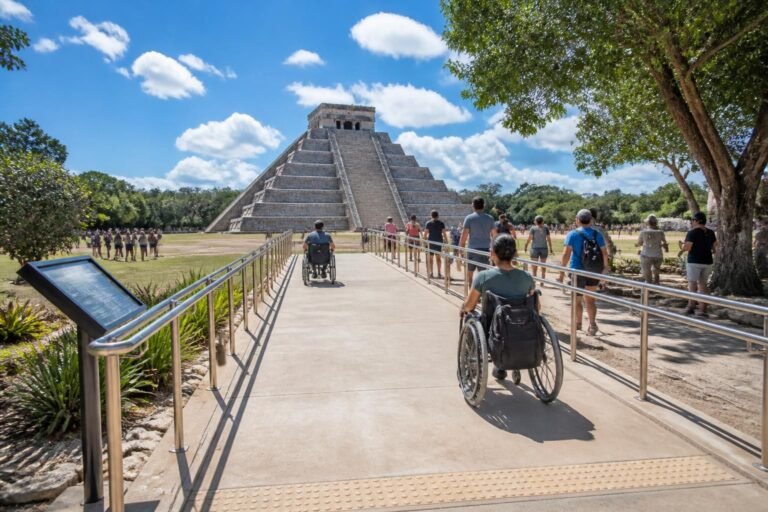

Planning a trip to the Riviera Maya involves more than just choosing a destination; it requires a thoughtful consideration of timing to align with the desired weather, crowd levels, and overall experience. This stunning stretch of Mexico’s Caribbean coast boasts warm temperatures and sunny skies throughout the year, yet the distinct seasonal shifts and tourist trends can greatly affect a visitor’s enjoyment. From the busy peak season with its ideal weather conditions to the quieter, often more affordable off season marked by increased rainfall and wildlife encounters, discerning when to explore Riviera Maya is essential for optimizing any vacation.
The region’s climate divides mainly into two main periods: the dry season from November to April offers crisp, sunny days with comfortable humidity, while the rainy season from May to October brings afternoon showers, lush landscapes, and a chance to see spectacular natural phenomena such as whale sharks. Tourist flows also follow these patterns, with peak season attracting those chasing perfect beach weather and vibrant nightlife, contrasted by shoulder months that present a blend of favorable weather and fewer crowds. Moreover, cultural festivals and unique wildlife opportunities pepper the calendar, enriching any visit regardless of the season.
Key considerations for a Riviera Maya visit:
- Peak season (December to April) delivers the best weather with sunny skies, mild temperatures, and is perfect for beachgoers, but expect higher prices and crowded attractions.
- Shoulder seasons (May and November) offer balanced weather, moderate crowds, and better accommodation deals, ideal for travelers seeking value without sacrificing experience.
- Low season (June through October) features hotter temperatures, increased humidity, and hurricane risk but rewards visitors with spectacular wildlife sightings, such as whale shark tours and slow tourist influx.
- The importance of travel tips such as advance bookings during high-demand times, flexible itineraries during hurricane threats, and checking local reports on sargassum seaweed to maintain beach enjoyment.
- Vacation planning that aligns with personal preferences, whether that be cultural immersion during festivals like Semana Santa or Day of the Dead, or outdoor adventures amid the region’s cenotes and Mayan ruins.
Understanding Riviera Maya’s Weather Patterns and Their Impact on Tourist Flows
The Riviera Maya’s tropical climate offers warmth and sunshine year-round, but comprehending its seasonal nuances is fundamental for making informed decisions on the best time to visit. The climate can be broadly categorized into two key periods: a dry season that runs from November through April, and a rainy season from May through October. Average temperatures during these periods remain consistently warm, yet the variations in precipitation and humidity significantly influence the overall atmosphere and available activities.
During the dry season, travelers can expect average daytime temperatures hovering between 81°F and 86°F (27-30°C), coupled with abundant clear skies and lower humidity levels due to frequent sea breezes. These conditions create an ideal setting for outdoor exploration of famed Mayan archaeological sites such as Tulum and Chichen Itza, as well as lounging on pristine beaches without interruption from rain. It’s unsurprising that this season corresponds with Riviera Maya’s peak tourist influx, aligning with winter breaks in North America and Europe and drawing significant crowds to popular destinations like Playa del Carmen and Akumal.
Conversely, the rainy season brings warmer temperatures averaging in the upper 80s to low 90s°F (31-33°C) and higher humidity, fostering lush greenery that enhances the surrounding jungle landscapes. Rainfall typically occurs in short, heavy bursts primarily during afternoons or evenings, providing opportunities for uninterrupted outdoor activities in the mornings. This season also marks the Atlantic hurricane period, lasting from June through November, which necessitates vigilance among travelers and flexible trip planning. Despite weather variability, the off season offers attractive perks, including lowered accommodation rates, less congested tourist sites, and unique ecological events like whale shark aggregations and sea turtle nesting.
Tourist trends closely mirror these weather patterns, with the dry season attracting travelers aiming for the best climate and the rainy season appealing mostly to wildlife enthusiasts and budget-conscious visitors. Advanced travelers looking to explore Mayan ruins and participate in cultural festivals may find early winter months particularly appealing. Meanwhile, those interested in diving or snorkeling with whale sharks typically plan trips between June and September, capitalizing on nature’s seasonal offerings.
To visualize these prospects, the following table summarizes Riviera Maya’s climatic overview by season, linking weather conditions directly to expected crowd density and travel costs, thus facilitating informed vacation planning:
| Season | Months | Average Temperature (°F) | Weather Conditions | Tourist Crowds | Price Level | Key Attractions |
|---|---|---|---|---|---|---|
| Dry (Peak Season) | December – April | 81 – 86 | Sunny, Low Humidity, Minimal Rainfall | High | High | Beach weather, Mayan ruins, Festive events |
| Shoulder | May, November | 84 – 88 | Warm, Occasional Showers | Moderate | Moderate | Wildlife viewing, Festivals, Affordable travel |
| Rainy (Low Season) | June – October | 88 – 92 | Hot, Humid, Afternoon Rain, Hurricane Risk | Low | Low | Whale sharks, Sea turtle nesting, Discounts |
In summary, a grasp of these seasonal distinctions combined with prevailing tourist trends informs when the appeal of ideal weather overlaps with a desire for fewer crowds, enabling visitors to tailor their Riviera Maya getaway precisely.

Optimal Timing for Exploring Riviera Maya’s Iconic Mayan Ruins and Wildlife
Aligning trip timing with the best weather conditions not only enhances comfort but also elevates the entire cultural and natural experience of the Riviera Maya. Among the region’s standout offerings are the awe-inspiring Mayan ruins and essential wildlife encounters such as swimming with whale sharks or observing sea turtle nesting. These experiences are highly seasonal and should influence vacation planning.
The dry season, particularly from November through April, is unparalleled for visiting archaeological sites like Chichen Itza, Coba, and Tulum. The lower humidity and minimal rainfall make hiking these expansive ruins more pleasant. Early mornings during this period are especially recommended to avoid both the peak heat and the busy tourist flows. For those interested in guided explorations, it is advisable to look for reputable tours and packages, such as those detailed in local travel guides, which offer comprehensive insights into the multifaceted history and architecture of these sites.
Wildlife enthusiasts should consider the low season months between June and September when whale sharks frequent the waters off Isla Holbox and Isla Mujeres. Tours at this time provide rare chances to witness these gentle giants in safe, regulated environments departing from hubs like Cancun and Playa del Carmen. It is essential to book these tours in advance and prepare for warmer, more humid weather. Meanwhile, the sea turtle nesting season spans May through October, with hatching events often appearing from August into November, allowing visitors to witness young turtles’ journey to the sea, especially on beaches near Akumal and Tulum.
Additionally, tourists interested in the natural allure of cenotes can enjoy these freshwater sinkholes year-round; however, both dry season and rainy season offer unique experiences. Rain enhances cenote water levels and the surrounding lushness, while drier months provide easier access and less risk of muddy trails.
For those combining archaeological sightseeing with wildlife adventures, strategic timing during the shoulder months like May and November unlocks the benefit of moderate weather and reduced visitor numbers. Additionally, exploring ways to travel efficiently between key destinations is vital; references such as how to travel from Tulum to Chichen Itza provide valuable logistical details critical for maximizing time in the Riviera Maya.
Key recommendations for timing iconic Riviera Maya experiences:
- Visit Mayan ruins during dry season early mornings to avoid heat and crowds
- Book whale shark tours in June-August for peak encounters but prepare for humid weather
- Plan sea turtle nesting and hatching experiences between May and November for conservation awareness and unique sightings
- Consider cenote visits year-round with attention to water levels and access
- Use local travel resources for efficient trip logistics and better tour planning
Balancing Crowds and Costs: Navigating Peak Season and Off Season Travel
Successful vacation planning in the Riviera Maya requires balancing multiple factors: weather, crowds, costs, and overall accessibility. Peak season from December through April is unarguably the time of best weather, but it also coincides with the highest volume of tourists, driving accommodation prices and booking demand to all-time highs. Travelers expecting to visit during this period must plan well in advance, especially around popular times such as Christmas, New Year, and Easter’s Semana Santa.
Choosing to travel in the shoulder seasons — especially May and November — is a savvy approach for those looking to enjoy pleasant weather while avoiding peak crowd levels and inflated price tags. During these months, weather remains largely favorable with warm, sunny days and manageable humidity. Tourist levels are moderate, enabling easier access to popular sites and restaurants. Hotels, resorts, and tour operators often offer attractive deals during these shoulder periods, making it a prime opportunity for cost-conscious travelers seeking a quality experience without sacrificing comfort.
Off season (June to October) appeals mainly to budget travelers and wildlife fans. While holding greater risk of heavy rain and occasional hurricane activity, the payoff lies in significant discounts, minimal crowds, and unique seasonal events. Visitors in the off season can enjoy more personalized experiences in fewer visited locations and take advantage of last-minute travel deals. However, flexible itineraries and comprehensive travel insurance are strongly recommended during this time to safeguard against sudden weather interruptions.
When planning, consider the following travel tips for minimizing stress and maximizing enjoyment:
- Book flights and accommodations early for peak and shoulder seasons to secure best rates and availability.
- Maintain flexible schedules during hurricane season with travel insurance covering travel disruptions.
- Research local beach conditions for sargassum seaweed, which can impact certain beaches mainly in summer months, and opt for alternative snorkeling spots.
- Reserve popular tours and activities in advance, particularly in high-demand periods or for specialized wildlife tours.
These strategies balance the benefits of the diverse visitor seasons with practical foresight to optimize vacation outcomes.
Exploring Riviera Maya Beyond the Weather: Cultural Events and Local Insights
The rich cultural tapestry of the Riviera Maya enhances each visit, offering depth beyond sun and sea. Timing travel around local festivals and events provides an immersive experience bridging ancestral traditions and contemporary life. Scheduling vacations to coincide with these occasions leverages both weather conditions and cultural encounters, heightening the destination’s allure.
One of the most significant periods is Semana Santa (Holy Week), observed in March or April depending on Easter’s calendar. This week features large-scale religious processions, celebrations, and vibrant festivities throughout towns and resort zones. It represents a peak travel time within the region, contributing to increased crowds yet offering a rare insight into Mexican cultural heritage. Visitors opting to explore historic sites or attend events during this period should plan for advance reservations and anticipate bustling tourist centers.
Another poignant cultural hallmark is Día de los Muertos (Day of the Dead), celebrated from October 31 to November 2. The Riviera Maya, rich in Mayan and Mexican traditions, hosts elaborate altars, parades, and ceremonies honoring ancestors. Participating in or witnessing these events provides meaningful cultural immersion amid otherwise quieter tourist conditions post-hurricane season. This period often coincides with cooler, more temperate weather, adding to the appeal.
Moreover, November hosts the Riviera Maya Jazz Festival, attracting international artists and music lovers with exceptional performances in lush, open-air venues. It draws a lively yet more niche crowd, complementing the quieter beach and archaeological site visits during shoulder season.
Understanding these event calendars assists visitors in weaving cultural experiences into their travel itinerary, making for a holistic Riviera Maya vacation that balances natural beauty, ideal weather, and vibrant local traditions.
Highlights of cultural planning for Riviera Maya visits:
- Book well ahead for Semana Santa to navigate high demand.
- Visit during Day of the Dead celebrations for authentic Mexican cultural immersion with fewer tourists around.
- Schedule stays to enjoy music festivals like the Riviera Maya Jazz Festival in November.
- Combine cultural events with archaeological tours for enriched vacation days, aided by professional concierge services.
For travelers interested in uncovering hidden gems during quieter times, exploring secret beaches in Riviera Maya during off-peak months offers peaceful coastal escapes away from standard tourist paths.
Essential Travel Tips for Planning the Best Riviera Maya Experience in 2026
Successfully navigating the best time to visit Riviera Maya involves more than understanding weather and crowd cycles. It requires practical preparation, awareness of current conditions, and coordination with local experts to maximize each moment of a getaway. In 2026, the increasing demand driven by international tourists makes travel tips invaluable for avoiding pitfalls and elevating the overall trip quality.
Airport access is concentrated at Cancun International Airport, the main gateway offering year-round connections from major cities in North America and Europe. While peak season often commands premium airfare, shoulder and low seasons reveal opportunities for significant savings. Knowing this, travelers can strategically book flights to further balance costs and convenience.
Accommodation choices range from bustling all-inclusive resorts filling rapidly during peak periods to tranquil boutique hotels and luxury private villas favored in quieter months. Engaging with dedicated concierge services, such as those offered by experienced providers in the area, can ensure seamless coordination of accommodations, dining reservations, and tailored tours, including specialized excursions to popular sites like Chichen Itza. For detailed tour preparations and options, references like expert Chichen Itza tour guides are invaluable resources that enhance visitor experience and reduce planning stress.
Visitors should also pack appropriately for tropical weather, including reef-safe sunscreen to protect delicate marine environments, lightweight breathable clothing, and hydration essentials. Awareness of local regulations and environmental protection efforts adds an eco-conscious dimension to travel, making each visit responsible as well as enjoyable.
Maintaining flexibility is crucial when visiting during potential hurricane seasons. Travel insurance, real-time weather monitoring, and understanding the contingency plans provided by resorts and tour operators are recommended practices to safeguard vacations from unforeseen disruptions.
Overall, thoughtful vacation planning in 2026 involves integrating climatological knowledge, seasonal wildlife events, cultural festivities, and travel logistics into a cohesive strategy that unlocks the full spectrum of Riviera Maya’s offerings.
What is the best month to visit Riviera Maya for ideal weather?
The months from December through April offer the best weather with sunny skies, pleasant temperatures, and low humidity, making them ideal for beach activities and outdoor exploration.
When can I see whale sharks in the Riviera Maya?
Whale shark season spans June to September, with July and August being peak months for sightings, mainly near Isla Holbox and Isla Mujeres.
Is it safe to travel during hurricane season?
Travel during hurricane season (June to November) is possible with proper planning. Travel insurance and flexible itineraries that adapt to weather alerts are essential to ensure safety and minimize disruptions.
How to avoid crowds in Riviera Maya?
Visiting during shoulder seasons like May and November or low season months from June to October helps avoid peak tourist crowds, offering more relaxed and personalized experiences.
Where to find reliable tours to Chichen Itza from Riviera Maya?
Reliable tour options can be found by consulting expert guides and travel blogs dedicated to the region, such as those offering itineraries and advice on the best tours from Playa del Carmen and Xcaret.