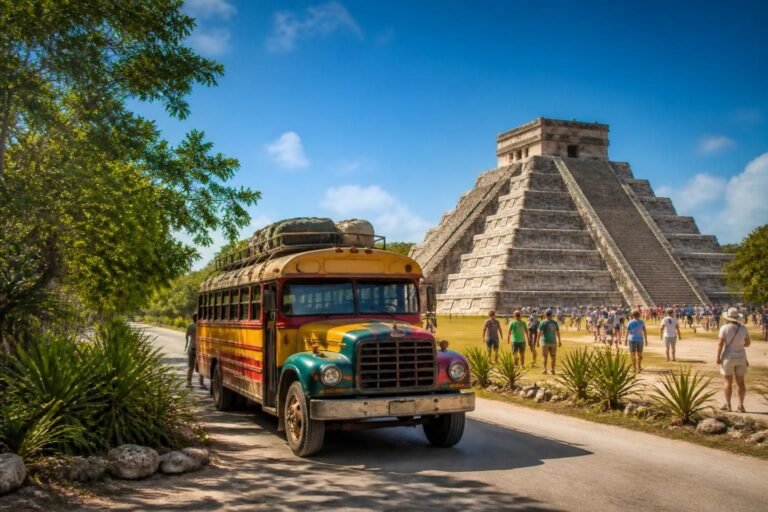
Discovering the ancient wonders of the Yucatan Peninsula unlocks a journey through time that captivates travelers with its rich tapestry of Mayan culture, historic landmarks, and breathtaking archaeological treasures. A combined tour of Chichen Itza and Coba offers an immersive experience into the heart of this mysterious civilization, revealing iconic Mayan ruins and ancient temples. These two sites stand as pillars of the region’s heritage, each offering unique insights and opportunities for exploration. From the towering pyramids to the dense jungle paths, visitors can engage with the profound history and architectural ingenuity that defined the Mayan world.
Chichen Itza is renowned for its precision-engineered Pyramid of Kukulcán, a structure that embodies the astronomical knowledge and religious significance central to Mayan life. Meanwhile, Coba allows adventurers the rare chance to summit Nohoch Mul, the tallest pyramid in the Yucatan, offering panoramic vistas unlike any other. Blending a guided tour that highlights the stories, traditions, and symbolism woven throughout these sites, travelers embark on an unforgettable archaeological tour. The experience is not only educational but also physically engaging, connecting visitors directly to the spectacular landscapes and cultural expressions of the Mayan civilization. This highlights-driven exploration promises a dynamic journey through time and space on the Yucatan Peninsula.
Unveiling the Majesty of Chichen Itza: Architectural Wonders and Cultural Significance
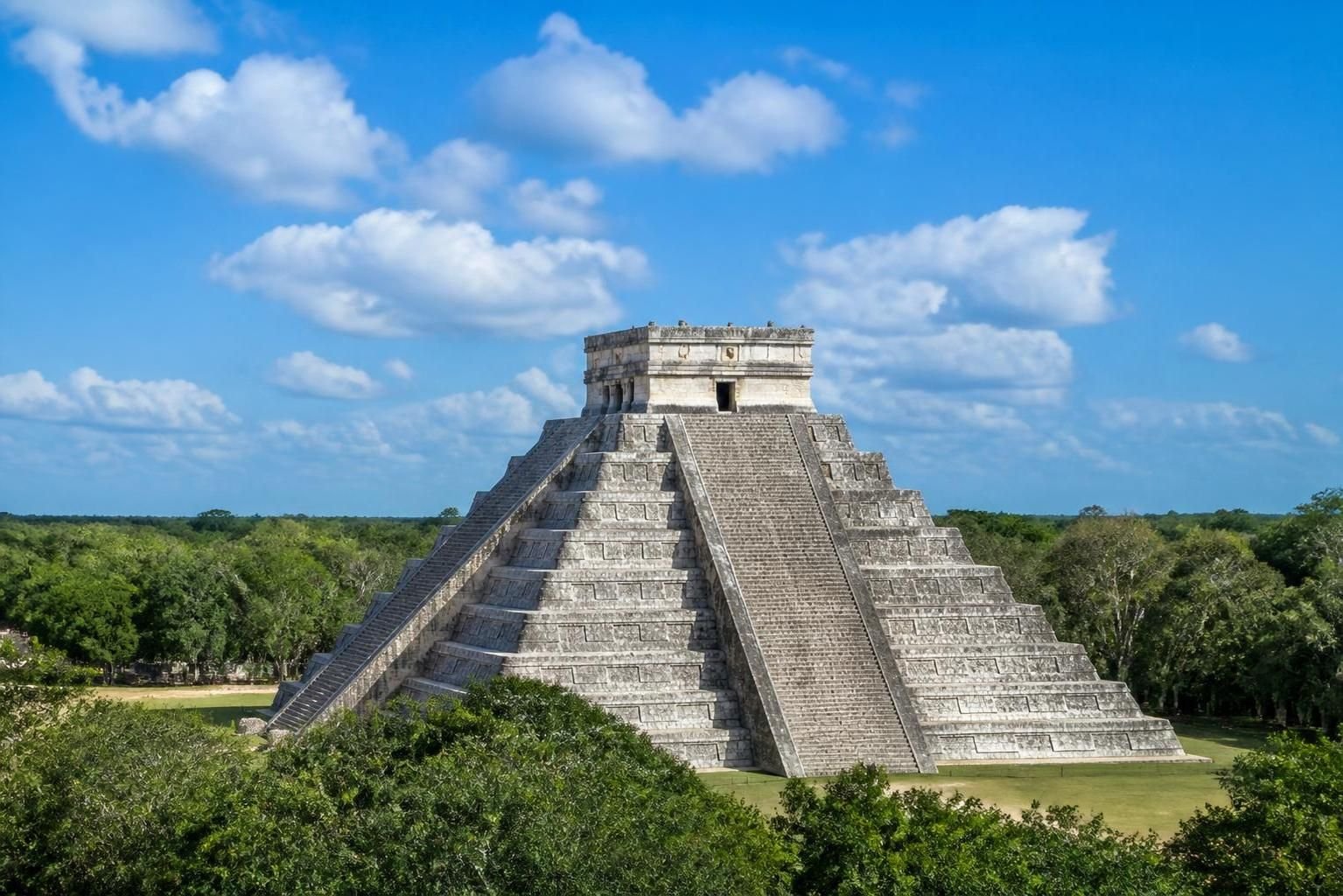
Chichen Itza stands as one of the most significant Mayan ruins, emblematic of the artistic and scientific achievements of the Maya civilization. The site’s monumental pyramid, Kukulcán, also known as El Castillo, is a prime example of ancient architecture designed with astronomical precision. Each year during the equinox, shadows cast on the pyramid create the illusion of a serpent descending its stairway, an event that underscores the astronomical sophistication of the builders. This interplay between architecture and celestial events not only marks seasonal changes but also reflects deep-rooted religious beliefs in Kukulcán, the Feathered Serpent deity.
Beyond Kukulcán, other ancient temples and structures at Chichen Itza, such as the Temple of the Warriors and the Great Ball Court, reveal aspects of social life, politics, and ritual ceremonies. The Great Ball Court, the largest of its kind in Mesoamerica, offers a glimpse into the competitive sports and symbolic battles integral to Mayan culture. Visitors are often fascinated by the intricate carvings and the sheer scale of these constructions, which required advanced knowledge in engineering and mathematics.
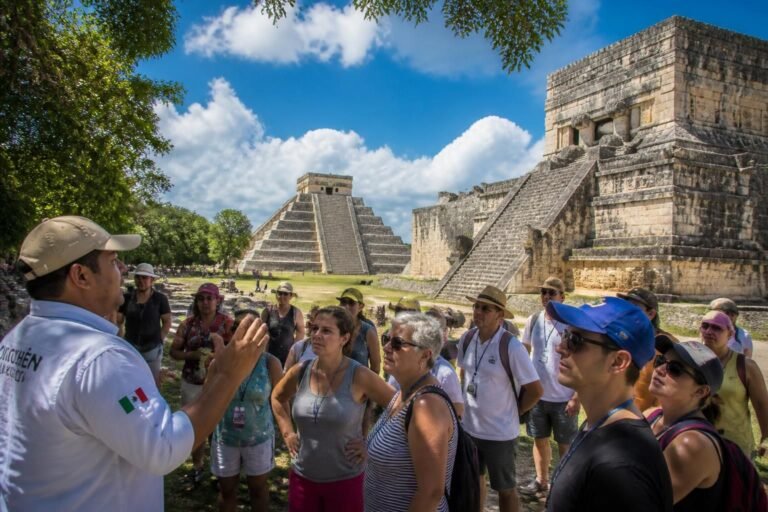
The archaeological tour at Chichen Itza is typically enriched by expert guides who share compelling narratives about the Maya civilization’s rise, zenith, and eventual decline. They also reveal how the site’s location and layout reflect strategic planning and spiritual cosmology. As one of the New Seven Wonders of the World, Chichen Itza remains a beacon for travelers seeking to explore cultural heritage with depth and authenticity. Engaging with its historic landmarks provides an insightful connection to a civilization whose influence still resonates across the Yucatan Peninsula.
Exploring Coba: Jungle Trails, Nohoch Mul Pyramid, and Lesser-Known Ruins
Coba, hidden deeper within the jungle of the Yucatan Peninsula, offers a contrasting but equally fascinating experience to Chichen Itza. This ancient Mayan city is scattered across dense tropical forest, where towering trees intertwine with historic ruins, imparting a sense of adventure and discovery. Unlike Chichen Itza, where climbing the pyramid is no longer permitted, Coba invites visitors to ascend Nohoch Mul, the highest ancient pyramid in the region, standing at 42 meters tall. This climb is a physical challenge rewarded with breathtaking panoramic views of the jungle canopy stretching to the horizon, reinforcing the majesty of Mayan architectural prowess.
The archaeological tour through Coba also illuminates the network of ancient sacbeob, or elevated stone roads, that connected Coba to other significant Mayan cities. Walking these pathways offers a tangible link to the past, echoing the routes once traveled by Mayan traders, warriors, and priests. The site contains numerous temples, plazas, and stelae inscribed with hieroglyphs, which provide rich material for understanding Mayan history and religious practices. The remote, less commercialized atmosphere of Coba allows for a more intimate exploration, especially appealing to those who appreciate nature and archaeology combined.
Visitors often include a refreshing swim in nearby cenotes, natural freshwater sinkholes deeply embedded in Mayan mythology, as part of their tour. Such experiences blend relaxation with cultural immersion, adding layers to the discovery of these ancient sites. Comprehensive guided tours of Coba ensure travelers grasp the significance of each structure and path, enhancing the overall appreciation of the Mayan cultural heritage in a more tranquil setting compared to the busier Chichen Itza.
Planning an Archaeological Tour: Optimal Timing, Itineraries, and Cultural Experiences
Organizing a tour that combines visits to Chichen Itza and Coba requires careful planning to maximize cultural immersion and comfort. The best time to explore these Mayan ruins is during the cooler, drier months from November through April, when weather conditions are ideal for outdoor activities and the crowds at Chichen Itza are comparatively lighter in the early mornings. Early morning tours provide the added benefit of witnessing sunrise over the pyramid, an evocative moment that enhances the ancient ambiance before the peak tourist influx arrives.
An optimal itinerary typically begins with Chichen Itza to appreciate the iconic pyramid and expansive ceremonial center. Guided tours here usually last two to three hours, allowing time to absorb the historical details and architectural marvels. Following this, travelers can enjoy lunch featuring local cuisine before heading to Coba in the afternoon. The later visit to Coba is especially rewarding because its jungle setting provides cooler shade, and fewer crowds create an atmosphere conducive to quiet reflection and exploration.
Incorporating additional cultural activities, such as tequila tastings, traditional Mayan cooking classes, and visits to local markets or cenotes, enriches the archaeological tour experience. These elements deepen the connection to the region’s living culture, offering a contrast to the ancient ruins. Ensuring transportation arrangements to include hotel pickups and drop-offs, particularly from hubs like Playa del Carmen or Cancun, simplifies logistics considerably. Tours with professional guides enhance understanding and appreciation, often including photographic opportunities and personalized narratives that bring Mayan history vividly to life.
| Aspect | Recommended Time | Highlights | Tips |
|---|---|---|---|
| Chichen Itza Visit | Early Morning (8 AM – 11 AM) | Pyramid of Kukulcán, Ball Court, Temple of the Warriors | Arrive early to avoid crowds, wear comfortable shoes |
| Coba Visit | Afternoon (1 PM – 4 PM) | Climb Nohoch Mul, jungle trails, sacbeob roads | Bring water, sun protection, and insect repellent |
| Cultural Activities | Midday or Evening | Tequila tasting, Mayan cooking, cenote swim | Book in advance for immersive experiences |
Experiencing Mayan Culture through Guided Tours and Local Interactions
Guided tours at Chichen Itza and Coba are fundamental to unlocking the depth of Mayan culture embedded within the ruins and surrounding landscapes. Expert guides narrate stories of ancient rituals, social hierarchies, astronomical knowledge, and artistic expression that define the Mayan civilization. These narratives bring to life the physical structures, transforming a visit from simple sightseeing into a profound cultural encounter.
At Chichen Itza, guides emphasize the symbolism of the pyramid’s design, the rituals performed in the Great Ball Court, and the transitions in architectural styles influenced by different Mayan dynasties and external cultures. In Coba, interpreters often highlight the role of the sacbeob in trade and communication, along with the ecological knowledge evident in preserving the site within its jungle environment. Such interactions provide valuable context, allowing visitors to appreciate not just the visible ruins but the intangible cultural heritage they represent.
Moreover, interacting with local communities enhances the tour experience, revealing how Mayan traditions endure in modern time. Visitors can engage with artisans, participate in storytelling sessions, and experience traditional ceremonies during specific seasonal festivals. These cultural exchanges highlight the living nature of Mayan culture, linking past to present. Professional tours often include opportunities to document these moments through photography, creating lasting memories and supporting sustainable tourism.
Nearby Accommodations and Travel Tips for a Comfortable Tour Experience
For travelers planning a visit to Chichen Itza and Coba, several convenient accommodation options nearby provide comfort and accessibility. Popular bases include Valladolid, a colonial town just a short drive from Chichen Itza, known for its charming streets, local markets, and authentic Yucatecan cuisine. Staying here offers an atmospheric retreat after intensive archaeological tours. Closer to Coba, eco-lodges and jungle resorts provide more intimate experiences amid nature, often integrating traditional Mayan hospitality with modern amenities.
When deciding where to stay, proximity to the ruins and transportation availability are key considerations. Many tours offer pickup and drop-off services from the Riviera Maya region, including Playa del Carmen and Cancun, ensuring seamless travel without additional hassle. Choosing accommodations with access to early tour departures maximizes time spent exploring and minimizes exposure to midday heat.
Travelers should pack considering weather fluctuations: lightweight and breathable clothing for the warm daytime temperatures, insect repellent for jungle explorations, and sturdy walking shoes suitable for uneven terrain. Respectful attire is also recommended, particularly when visiting sacred sites, to honor local customs and enhance the experience. Detailed guidance about what to wear and how to prepare for these visits can be found on specialized travel blogs like what to wear to Chichen Itza for a comfortable and respectful visit.
- Choose accommodation with easy access to both ruins
- Opt for early tour start times to avoid crowds and heat
- Include cultural activities like cenote swims and local tastings
- Wear lightweight, respectful clothing and good walking shoes
- Bring water, sunscreen, and insect repellent for outdoor touring
Considering these tips ensures a fulfilling tour experience with deep cultural insights, comfortable logistics, and memorable encounters with the historical grandeur of the Yucatan Peninsula.
Is it possible to climb any pyramids during a Chichen Itza and Coba tour?
Climbing is prohibited at Chichen Itza to preserve the site, but visitors are still allowed to climb the Nohoch Mul pyramid at Coba, the tallest in the Yucatan Peninsula.
What is the best time of year to visit Chichen Itza and Coba?
The ideal time is during the cooler, dry season from November to April when the weather is more comfortable and crowds are manageable, especially in the early mornings.
Are guided tours necessary to understand the history of these sites?
Guided tours are highly recommended as expert guides provide detailed historical context, enhancing the visitor experience by explaining the significance of the ruins and Mayan culture.
Can visitors swim near the archaeological sites?
Yes, many tours include visits to cenotes—natural freshwater sinkholes—offering refreshing swimming opportunities that also connect visitors to Mayan myths and traditions.
How to get to Chichen Itza and Coba from major tourist centers?
Most tours offer convenient pickup and drop-off services from popular hubs like Cancun and Playa del Carmen, easing travel logistics and allowing a focus on the cultural experience.