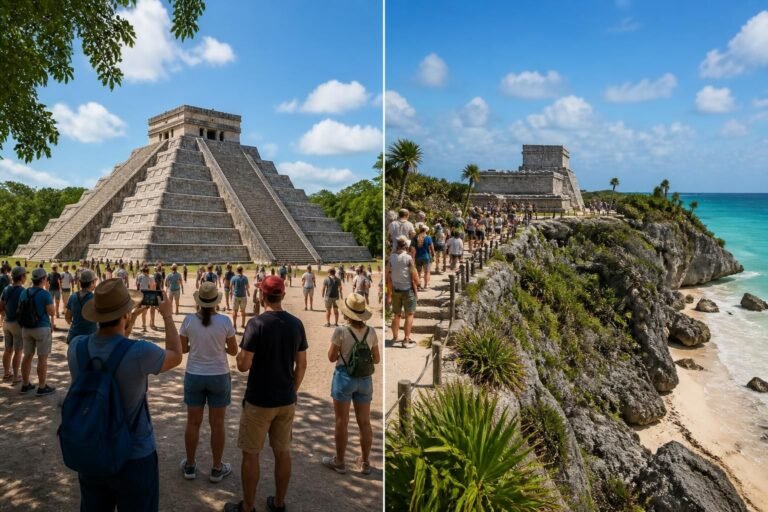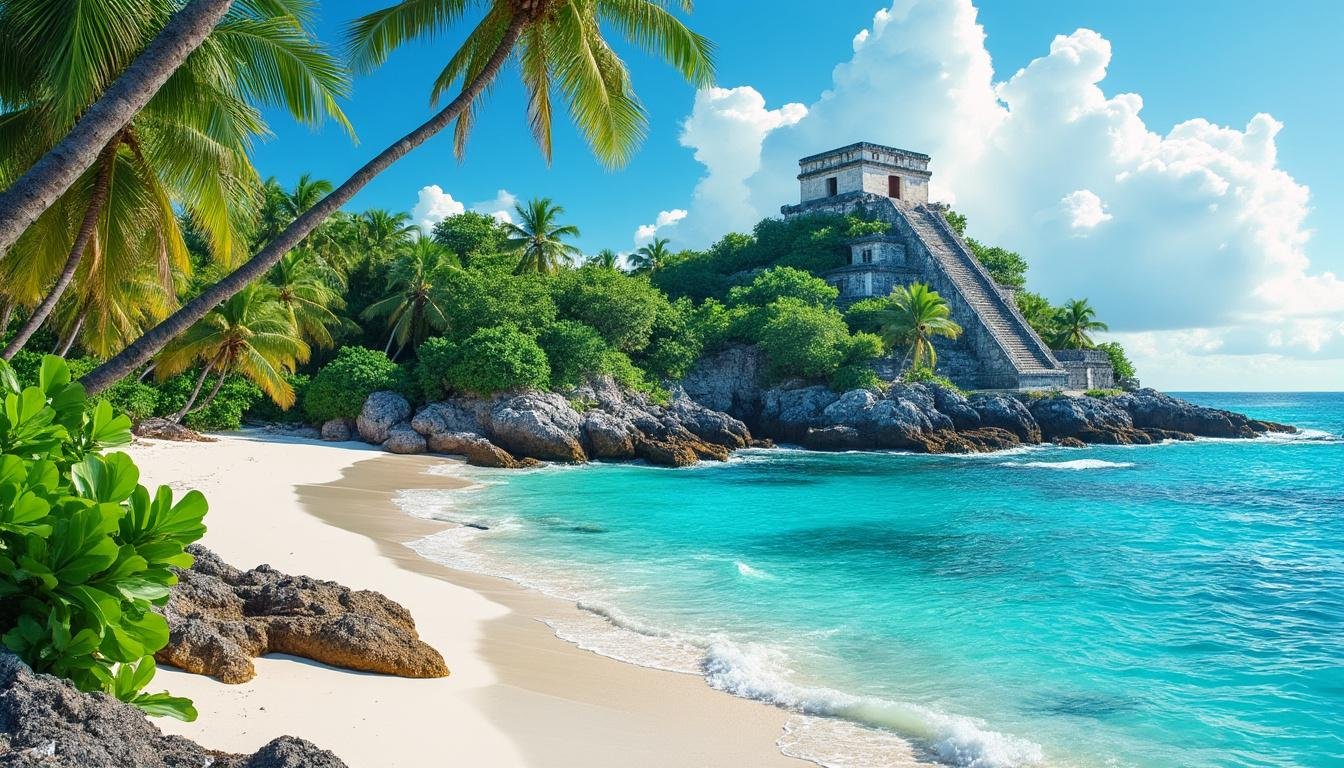

Tulum, a gem along Mexico’s Riviera Maya, blends ancient history and breathtaking natural beauty to create a destination that epitomizes adventure and cultural immersion. This charming town captivates travelers with its iconic Mayan ruins perched against turquoise Caribbean waters, pristine white sand beaches, and the enigmatic cenotes that gently carve the landscape beneath the jungle canopy. For those seeking an escape from the busier neighboring hotspots like Cancun and Playa del Carmen, Tulum offers not only tranquility but also a vibrant blend of modern bohemian flair and deeply-rooted indigenous heritage. Whether you crave an exploration of sacred ruins, an underwater swim in crystal-clear freshwater pools, or simply the serenity of an untouched beach, Tulum’s attractions deliver unforgettable experiences that weave history and nature into every visit.
From its archaeological marvels to its eco-adventure parks, Tulum stands as a must-visit destination for travelers who crave genuine encounters with both past and present Mexico. This guide explores the top sites and activities, offering insights into what makes Tulum a unique blend of culture, adventure, and natural wonder in 2026. With a focus on sustainable discovery and authentic experiences, visitors will find curated recommendations tailored to enrich their journey through this spectacular corner of the world.
Key Highlights in Tulum Attractions:
- Ancient Mayan Ruins: The iconic Tulum ruins perched on cliffs amid the Caribbean Sea.
- Natural Cenotes: Dive into sacred freshwater cenotes, connecting with Mayan spirituality and adventure.
- Pristine Beaches: White sand beaches including Playa Paraiso and the lesser-known Caleta Tankah.
- Eco-adventure Parks and Wildlife: Experience zip lines, ATV tours, and swim with turtles at Akumal.
- Cultural Exploration: Local food tours, Mayan ceremonies, and contemporary art installations.
Exploring the Majestic Tulum Ruins: A Window Into Ancient Mayan Civilization
Standing as a sentinel on the edge of the Caribbean Sea, the Tulum ruins are one of the Riviera Maya’s most striking archaeological sites. Unlike other Mayan cities deep within the jungle, Tulum was uniquely fortified with a sturdy wall that enclosed the settlement, highlighting its strategic importance as a vital trade hub and religious center between the 6th and 15th centuries. The city was dedicated to the worship of the Descending God, an iconic figure in Mayan mythology representing the cycle of life and transformation.
The main attraction within this walled city is the Castillo—a prominent structure that served both as a temple and a navigational landmark for ancient sailors maneuvering around the complex coral reef offshore. Visitors today are drawn to the imposing Castillo not just for its historic significance but also for the spectacular views it offers of the turquoise sea below.
Other must-see structures within the ruins include the Temple of the Frescoes, renowned for its exceptional preservation and intricate murals depicting various Mayan deities and cosmological scenes. This site provides a rare artistic glimpse into the spiritual and daily life of the ancient inhabitants.
For those interested in architectural diversity, the Tulum ruins offer several other noteworthy buildings, such as the Temple of the Descending God, the House of the Columns, and the House of the Cenote, each presenting unique insights into Mayan architectural ingenuity and cultural practices.
The archaeological site is set within Tulum National Park, a protected area that allows for responsible tourism while preserving the environment and the ruins themselves. After exploring the history-soaked ruins, visitors often relax on the adjacent Playa Ruinas, a beach where the meeting of history and nature is palpable as iguanas bask on the warm sands and the sea laps gently below the cliffs.
Getting to the Tulum ruins is straightforward, with options ranging from local combis and taxis to guided tours that provide contextual history alongside safe, easy access. Entrance fees support conservation efforts, and many guided tours offer enriching narratives that bring the stones and sculptures to life.
This balance of breathtaking location, cultural significance, and preserved artistry makes the Tulum ruins an essential stop for anyone interested in the profound legacy of Mexico’s Mayan civilization.
Immersing in Nature: Discovering the Mystical Cenotes of Tulum
Few natural wonders complement the ancient allure of Tulum as the cenotes do. These natural freshwater sinkholes, formed by the collapse of limestone bedrock, were sacred portals for the Mayan people. They believed cenotes connected the earthly realm to Xibalba—the underworld—and thus held immense spiritual value. Today, these crystalline pools offer visitors a unique chance to swim in history while surrounded by breathtaking underwater formations.
Tulum boasts access to some of the Yucatan Peninsula’s best cenotes, each presenting a distinct experience. For instance, the Gran Cenote is favored for its accessibility and sparkling clear waters, inviting swimmers and snorkelers to glide among fish and lush vegetation. Its cave formations and openings create appealing light effects, enhancing the magical ambiance.
Meanwhile, the Cenote Dos Ojos, named for its twin interconnected sinkholes, appeals especially to scuba divers and adventurous swimmers who explore the cavern systems below. With depths that reach beyond 250 feet, Dos Ojos provides a mesmerizing underwater journey amidst stalactites and stalagmites. The calm, sheltered environment makes it an ideal place for visitors seeking both thrill and serenity.
Quieter alternatives like Cenote Nicte-Ha and Cenote Calavera offer a more intimate encounter with nature. These lesser-known cenotes tend to be less crowded and allow for deeper communion with the tropical surroundings. Whether you prefer sunbathing on the rocky perimeters, snorkeling among tropical fish, or simply soaking in the refreshing waters, these cenotes are a fundamental part of the Tulum experience.
For travelers interested in aligning their visit with Mayan traditions, many cenote tours include cultural ceremonies such as purification rituals or storytelling sessions that emphasize the spiritual importance of these natural pools. Combining ecological preservation with tourism, local operators ensure that while travelers enjoy the cenotes, the ecosystem remains protected for generations to come.
Sun, Sand, and Serenity: The Best Beaches to Experience in Tulum
Tulum’s coastline is renowned for some of the most exquisite beaches in Mexico, where powdery white sand meets calm, transparent Caribbean waters. Its beaches offer a contrast to crowded resorts by offering quiet beauty and opportunities for relaxation or water sports amidst spectacular surroundings.
Playa Ruinas is the quintessential beach for combining history and leisure. Located directly below the Tulum ruins, it provides a unique vantage point to admire the ancient structures from sea level, with the backdrop of the Caribbean’s vibrant blues. Early arrival is advisable to avoid crowds and enjoy a peaceful swim alongside curious iguanas and seabirds.
Playa Paraiso is arguably one of the most photographed beaches in the region, known for its iconic leaning palm tree and shallow, calm waters. It lies just a kilometer south of the ruins within a protected wildlife park. This beach is a favorite for snorkelers who explore the nearby reefs where turtles and tropical fish abound. Its easy access and facilities attract families and honeymooners alike.
Adjacent to Playa Paraiso, Playa Las Palmas offers a more activity-focused atmosphere, popular among kitesurfers and windsurfers drawn by steady winds and open sea. The beachside cafes and small restaurants provide a lively bohemian vibe, perfect for those who want to combine playtime with relaxation. Parking availability nearby makes this beach accessible for day-trippers and locals.
For nature lovers seeking tranquility, Xcacel Beach serves as a peaceful haven. Nestled within a former protected reserve, it boasts remote stretches of sand and a coral reef just offshore, ideal for snorkeling and diving. This beach also plays a vital conservation role as a sea turtle nesting site from May to October. Visitors can participate in conservation activities including the release of baby turtles—a heartwarming and educational encounter with wildlife preservation.
| Beach Name | Famous For | Facilities | Entry Fee (INR) |
|---|---|---|---|
| Playa Ruinas | Tulum Ruins View, Iguanas | Limited, Parking nearby | Included in Ruins Entrance |
| Playa Paraiso | Iconic Palm Tree, Snorkeling | Restaurants, Restrooms | Approx. 412 MXN (Jaguar Park) |
| Playa Las Palmas | Kitesurfing, Beachside Cafes | Restaurants, Parking | None |
| Xcacel Beach | Turtle Nesting Site, Coral Reef | Limited, No Services | 105 MXN (foreigners) |
Travelers will find these beaches well worth a visit whether for peaceful solitude, sport, or connecting with nature in Tulum’s idyllic setting. As each beach has its own distinct character, visitors are encouraged to explore several to experience the breadth of coastal beauty that Tulum offers.
Adventure and Culture: Top Outdoor Activities and Local Immersions in Tulum
Tulum is not only a place of historical wonders and serene beaches but a vibrant hub for adventurous travelers and cultural enthusiasts. From adrenaline-pumping activities deep within the jungle to refined culinary tours that open windows to the region’s gastronomy, there is something for everyone to experience in this dynamic locale.
Maya Adrenaline Park is a premier destination for thrill-seekers. Here, visitors enjoy a full day packed with ATV rides through lush jungle terrains, exhilarating zip lines soaring through the tree canopy, and rappelling into the famed Labna Ha cenote. The package frequently includes a traditional Mayan ceremony to immerse guests in local spiritual practices, followed by a refreshing horseback ride. This fusion of adrenaline and culture provides a holistic experience of Tulum’s natural and historical richness.
Another unforgettable activity includes snorkeling with turtles in Akumal, a serene bay just north of Tulum known for its protection of sea turtles. This activity combines ecological tourism with a deep appreciation for marine life, offering guided swimming tours to ensure the safety and respect of these majestic creatures within their natural habitat.
For those preferring a gentler pace, guided bike tours provide a sustainable and scenic way to see Tulum’s surroundings. Many tours take riders through jungle paths to cenotes such as Escondido, Cristal, and Gran Cenote, combining leisure and exploration. The town itself is compact and largely bike-friendly, with dedicated lanes allowing easy access to key attractions including ruins and beaches, making cycling a popular choice among eco-conscious tourists.
Cultural immersion is also enriched through Tulum’s food tours. These expeditions introduce travelers to the flavors of the Yucatan Peninsula, visiting local markets and authentic eateries where traditional dishes such as cochinita pibil, papadzules, and fresh ceviche are celebrated. Dining in Tulum further transcends the ordinary by offering unique experiences like eating in nest-shaped tree-top restaurants, where guests blend nature and haute cuisine under the stars.
For a bird’s-eye view and a touch of luxury, the Tulum Tower provides a panoramic rotating platform where guests can sip a cocktail while admiring 360-degree views of the town, ruins, jungle, and sea. This modern addition to Tulum’s attractions harmonizes sight-seeing with relaxation, demonstrating the town’s blend of heritage and contemporary appeal.
Discover the intricate details and stunning beauty of the Tulum ruins in this immersive guided video tour. The footage captures the towering Castillo, delicate murals, and the panoramic views that make this archaeological site a must-visit for travelers interested in Mayan history.
Experience the magic of Tulum’s cenotes through this underwater snorkeling excursion. Watch as explorers glide through crystal-clear waters illuminated by natural sunlight filtering in through cave openings, showcasing the unique geology and aquatic life beneath the surface.
When is the best time to visit Tulum?
The optimal period to visit Tulum is between late October and December, offering pleasant weather with fewer crowds. Avoid the hot and humid summer months from May to August, and be cautious during the hurricane season from June to November.
Are the Tulum ruins accessible for families with children?
Yes, the Tulum ruins are family-friendly with well-maintained pathways and an opportunity to combine history with beach fun. However, supervision around cliffs and during hot weather is recommended.
What are the best ways to travel around Tulum?
Biking is highly popular due to Tulum’s compact layout and dedicated lanes. For further excursions like Coba, guided tours or car rentals offer flexibility and comfort to explore remote sites.
Is it safe to swim with turtles in Akumal?
Swimming with turtles in Akumal is safe when done with certified guides who enforce responsible wildlife interaction policies, ensuring the protection of these endangered creatures.
How can I avoid sargassum seaweed when visiting Tulum beaches?
To avoid sargassum, visit beaches like Caleta Tankah which naturally remain free of seaweed due to their geographical protection. Monitoring local sargassum reports before planning your beach days is also advisable.