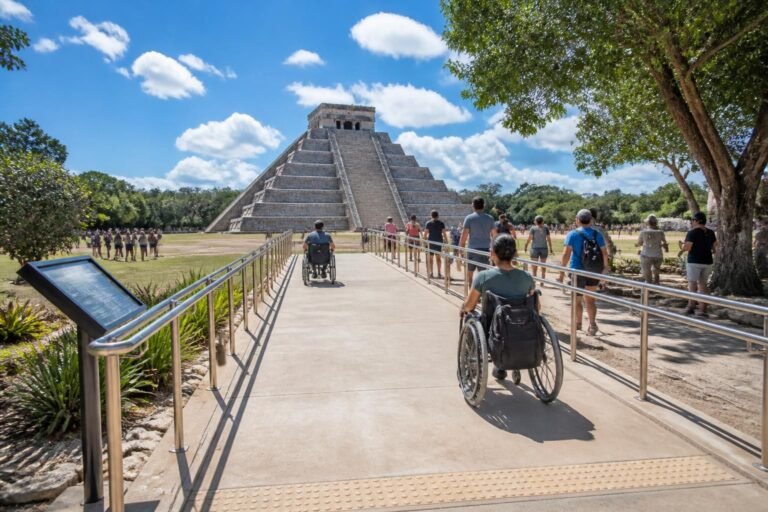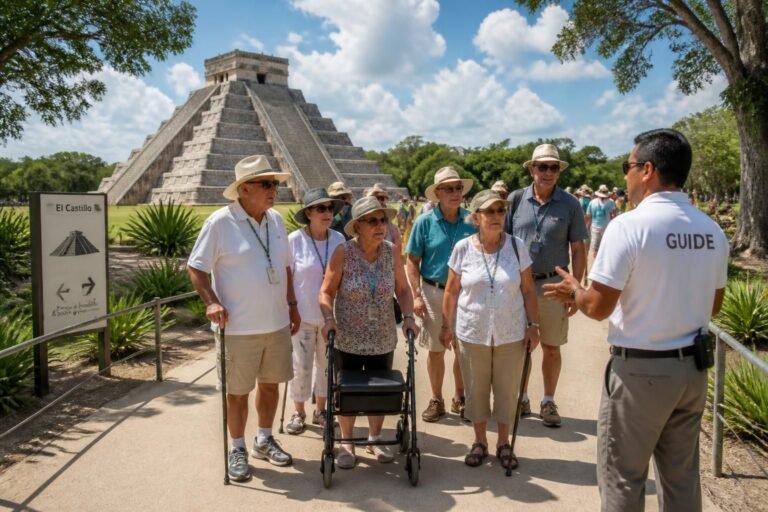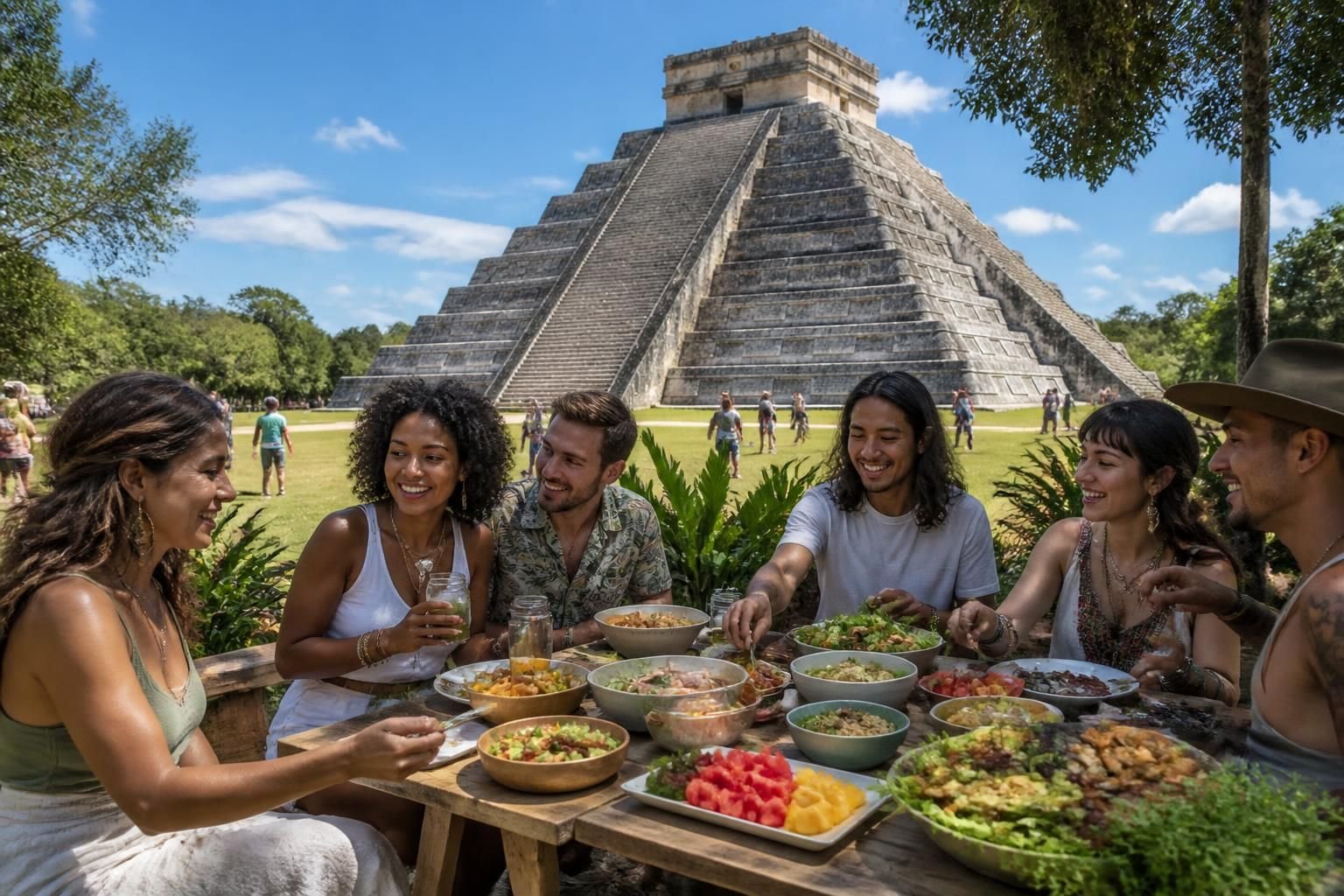

Exploring the legendary site of Chichen Itza goes beyond just unraveling the mysteries of the ancient Maya civilization. For travelers who embrace plant-based living, combining a visit to this iconic archaeological site with vegan-friendly culinary delights creates a uniquely guilt-free adventure. The region surrounding Chichen Itza has evolved to welcome sustainable travel practices, offering itineraries that emphasize not only the preservation of the ruins but also the promotion of healthy eating and low-impact experiences. Within this rich cultural journey, discovering vegan options has become increasingly accessible, thanks to dedicated tour providers and local culinary pioneers who honor both tradition and ethical dining preferences.
In 2026, conscious travelers can choose tours that integrate eco-friendly transportation, expert local guides, and delightful plant-based meals, all crafted from organic and locally sourced ingredients. These tours not only indulge the palate with vibrant vegan dishes but also demonstrate a deep respect for the area’s ecology, supporting initiatives like reforestation and wildlife conservation. This careful balance between cultural wonder and sustainable lifestyle ensures that every bite and every step contribute to a lasting positive impact, elevating the classic Chichen Itza exploration into an enriching and mindful travel experience.
Key highlights:
- Vegan options are now embedded in Chichen Itza tours, offering fresh, locally sourced plant-based meals alongside archaeological exploration.
- Eco-friendly tour packages emphasize sustainable transport, professional guides, and carbon-offset contributions to minimize environmental impact.
- Sustainable culinary experiences feature organic ingredients and traditional Yucatecan flavors adapted for vegan preferences, enhancing cultural immersion.
- Seasonal visits and group discounts optimize both cost and environmental footprint, with options for sunrise or sunset tours to avoid crowding.
- Expert reviews highlight the educational value and authenticity of guided tours combined with responsible dining choices for guilt-free adventure.
Exploring Vegan Options on a Chichen Itza Tour: A Unique Plant-Based Cultural Journey
Vegan travelers seeking to experience Chichen Itza are now greeted with specialized tours that prioritize plant-based dining integrated within the fabric of the adventure. Instead of standard meal offerings filled with meat and dairy, these experiences provide thoughtfully prepared vegan lunches and snacks, crafted from organic, local produce that captures the authentic flavors of the Yucatán Peninsula. Designed to nourish the body as well as the soul, these culinary options enhance the tour with a focus on healthy eating rooted in regional tradition.
One popular offering includes a private guided tour led by local experts, whose knowledge has been passed down through generations, providing in-depth insights into Mayan architecture, cosmogony, and mathematics. The tour includes express admission to avoid crowds, allowing visitors to spend quality time at the ruins. The plant-based meal served during this experience typically features seasonal vegetables, beans, corn, and spices emblematic of Yucatecan cuisine, presented in a way that pleases both the palate and the conscience.
Beyond taste, the emphasis on vegan options aligns with the principles of sustainable tourism. Using compostable containers and reusable water bottles, these tours ensure minimal waste generation. The food is often sourced from nearby organic farms or community cooperatives, thereby supporting local economies and reducing the carbon footprint associated with food transportation. Additionally, the menus avoid highly processed ingredients, focusing instead on fresh and natural components that reflect the region’s agricultural heritage.
Tourists interested in further enriching their culinary knowledge may explore resources such as the best vegetarian lunch options on a Chichen Itza tour blog, which delves into plant-based dishes available on various excursions, offering an insider’s perspective on how traditional dishes can be adapted to a vegan lifestyle without sacrificing flavor or authenticity.
Integrating these vegan options into the archaeological adventure creates a multidimensional experience that appeals to a broad range of travelers, from committed vegans to environmentally conscious food enthusiasts. This unique approach to cultural exploration makes it possible to enjoy the majesty of Chichen Itza without compromising dietary ethics, fostering a guilt-free connection between heritage and the natural world.
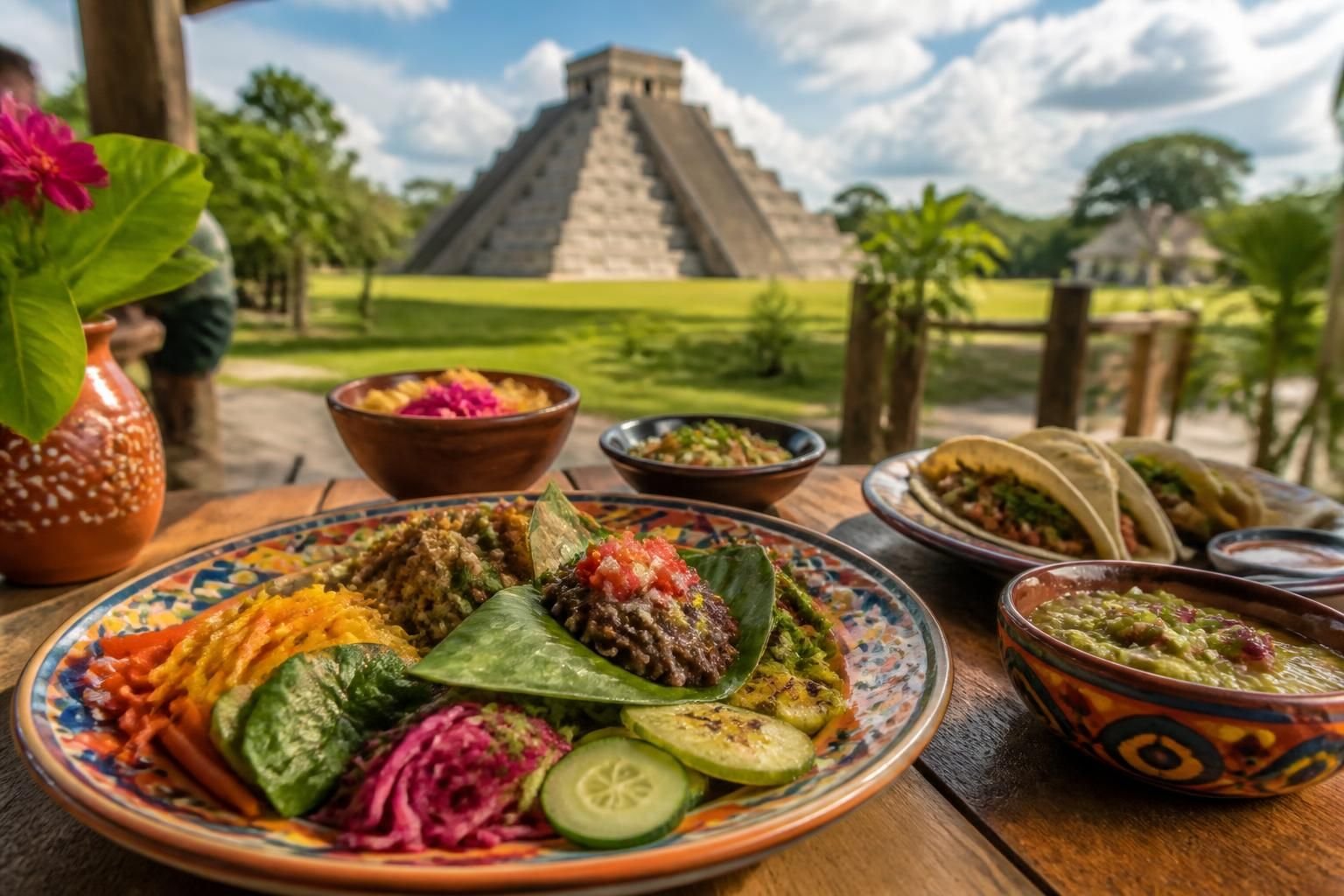
Sustainable and Eco-Friendly Tour Experiences: Minimizing Environmental Impact
The fusion of vegan eating and responsible exploration reaches beyond the plate, extending into every facet of the Chichen Itza tour experience. Sustainable tour packages have become a benchmark for eco-conscious travelers, integrating low-emission vehicles, certified bilingual guides, and robust environmental education into their offerings. These tours exemplify how tourism can be both immersive and mindful, reducing the ecological footprint while nurturing local culture and ecosystems.
Transportation plays a crucial role in the sustainability of these tours. Operators increasingly deploy electric or hybrid vehicles adhering to strict emission standards, offering routes optimized to curtail unnecessary mileage. Carbon offset programs are systematically included, with verified contributions funding reforestation projects and the protection of sensitive habitats surrounding the archaeological site. These measures collectively reduce the average carbon footprint of each participant by over one tonne of CO₂ compared to conventional tours.
Guides accompanying these tours are certified not only in Mayan history and culture but also trained in sustainable tourism practices. Multilingual capabilities ensure that visitors receive comprehensive and accessible interpretation, while adherence to eco-sensitive trail use minimizes disturbance to native flora and fauna. Safety equipment includes refillable sun protection and personal water filtration bottles, encouraging zero-waste behavior throughout the journey.
Participants also benefit from educational materials presented digitally via downloadable guides, which deepen their understanding of local biodiversity and Mayan cosmology without generating paper waste. This holistic approach extends to waste management onsite: tours implement strict recycling protocols, utilize compostable food packaging, and distribute reusable containers to guests.
The commitment to sustainability is recognized in reviews from independent platforms, with ratings frequently above 4.7 out of 5. Visitors appreciate the quiet, early-morning experiences that allow them to witness dawn light on El Castillo while supporting environmental preservation efforts. By choosing these eco-tour packages, travelers not only enjoy an authentic and guilt-free adventure but also actively contribute toward conserving the heritage and environment for future generations.
Seasonal and Culinary Planning: When and What to Eat for the Best Vegan Experience
Optimizing your Chichen Itza tour for both sustainable travel and vegan dining requires thoughtful planning around seasonal variations and culinary offerings. The region’s tropical climate governs the best times to explore the archaeological zone and to savor plant-based foods while avoiding peak crowds and adverse weather conditions. The dry season, extending from November through April, offers clear skies and comfortable temperatures, ideal for walking tours and outdoor dining experiences featuring fresh, local vegan fare.
Conversely, the rainy season, spanning July through October, brings lush landscapes and vibrant biodiversity, enhancing surrounding cenote visits included in many eco-tours. Although brief showers may occur, this period invites guests to experience quieter moments at the ruins and enjoy hearty, warming vegan meals prepared with seasonal ingredients. Some tour operators curate flexible itineraries during this time, incorporating indoor workshops on Mayan culture and conservation alongside dining experiences.
For food lovers, the culinary landscape around Chichen Itza and nearby towns like Valladolid offers a growing selection of vegan-friendly eateries. Exploring these options reveals a dynamic fusion of Yucatecan tradition and modern plant-based creativity. Among these, the renowned best restaurants in Valladolid provide tailored menus or explicitly vegan dishes that celebrate regional staples such as corn tortillas, tamales, and black beans, reinvented to suit a vegan lifestyle.
Planning for meals on tour should consider the local produce cycles and special events, as many organic farms coordinate harvests with tour schedules. Vegan snacks typically offered during excursions include tropical fruits, nuts, and homemade energy bars, all designed for nutritious sustenance during long walking sessions. The inclusion of plant-based options encourages travelers to maintain healthy eating habits even on busy sightseeing days.
By aligning travel dates and culinary choices with seasonal rhythms, visitors enhance the quality of their experience, ensuring that every meal and moment resonates with cultural authenticity and environmental mindfulness.
Comparing Transportation Options: Low-Emission Shuttles Versus Private Eco-Vans for Vegan Travelers
Choosing the right mode of transport for a Chichen Itza tour is pivotal, not only for convenience and cost but also for reducing environmental impact. For vegan and eco-conscious travelers, the decision between shared low-emission shuttles and private eco-vans can define the quality of the guilt-free adventure. Both options prioritize sustainability but vary in flexibility, group size accommodation, and carbon footprint.
Low-emission shuttles primarily use compressed natural gas or hybrid powertrains, reducing per-passenger CO₂ emissions by around 35% compared to traditional buses. Operated on fixed schedules from hubs such as Mérida and Valladolid, these shuttles encourage group participation, which maximizes seat occupancy and minimizes the total number of vehicles on the road. Their affordability and environmental benefits make them popular among solo travelers, small groups, and budget-conscious visitors.
In contrast, private eco-vans offer personalized itineraries with options for electric or diesel engines meeting Euro 6 standards. Fully electric models eliminate tailpipe emissions entirely, aligning perfectly with the values of travelers prioritizing guilt-free transport. These vehicles accommodate family groups or corporate outings seeking exclusivity and freedom in timing, including early morning starts or sunset returns. The per-person cost decreases with larger groups, which also optimizes carbon efficiency.
Below is a comparative overview of key transportation features relevant for planning sustainable vegan tours:
| Feature | Low-Emission Shuttle | Private Eco-Van |
|---|---|---|
| Carbon Emissions per Passenger-Km | Approximately 0.12 kg CO₂ (35% reduction vs diesel) | Zero tailpipe emissions (electric); 0.10 kg CO₂ for diesel |
| Capacity | 15-20 passengers per vehicle | 7 or 12 passengers, depending on model |
| Schedule Flexibility | Fixed departure times every two hours | On-demand timing, customizable routes |
| Cost Range (USD per person) | ~$13 round trip from Valladolid | $15-$20, decreases with group size |
| Personalization | Shared experience, less control over stops | Exclusive use, tailored itinerary options |
The choice depends largely on group size, budget, and the level of personalized attention desired. Vegetarians and vegans who value flexibility and zero-emission travel often prefer private eco-vans, while those seeking cost-effective options and social interaction lean toward shuttles. Regardless of choice, both serve the goal of sustainable travel, ensuring the journey to Chichen Itza is as conscientious as the meals enjoyed upon arrival.
Practical Tips for a Guilt-Free Vegan Adventure at Chichen Itza
Embarking on a vegan tour of Chichen Itza involves more than just selecting the right itinerary; preparation and awareness enhance the overall quality and sustainability of the experience. Here are some practical recommendations to embrace guilt-free plant-based travel and to make the most of your adventure:
- Advance Booking: Many sustainable tours require early reservations to manage group size and guarantee access to specialized vegan meals. Booking ahead also helps secure preferred time slots like sunrise tours, which offer quieter experiences.
- Stay Hydrated Organically: Carry your reusable water bottle and refill it at filtered stations equipped by eco-tour operators, reducing single-use plastic waste on the site.
- Pack Light and Local-Friendly: Opt for lightweight, breathable clothing appropriate for the Yucatan climate. Packing biodegradable sunscreen and insect repellent helps prevent chemical runoff that can harm local ecosystems.
- Engage Respectfully: Learn a few Yucatec Maya phrases or customs to connect with the community during your visit. This cultural engagement enriches your understanding and supports local heritage preservation.
- Sample Vegan Local Eats: Extend your plant-based journey beyond Chichen Itza with visits to nearby towns. For example, Playa del Carmen’s vibrant vegan scene is well documented in guides such as the best vegan restaurants in Playa del Carmen for 2026, offering an array of enticing meals that complement your cultural travels.
Following these tips not only enhances personal satisfaction but also aligns with the wider goals of responsible tourism. To sustain the integrity of Chichen Itza and its environment, every choice—down to the meals enjoyed and modes of travel selected—makes a difference in weaving a heritage of respect and care into this unforgettable adventure.
What vegan options are typically available on Chichen Itza tours?
Most sustainable tours provide organic, plant-based meals featuring regional staples such as corn, beans, fresh vegetables, tropical fruits, and spices adapted from traditional Yucatecan cuisine. Snacks usually include nuts and energy bars made from natural ingredients.
How do eco-friendly Chichen Itza tours contribute to environmental conservation?
These tours utilize low-emission transportation, include carbon offset fees that fund reforestation and habitat protection, employ certified eco-guides trained in preserving the site, and implement waste reduction practices such as reusable water bottles and compostable packaging.
When is the best time to visit Chichen Itza for a vegan and sustainable tour experience?
The dry season between November and April offers optimal weather and minimal rain, providing pleasant conditions for walking and outdoor dining. Shoulder seasons also tend to have fewer crowds and special rates on eco-friendly tours.
Are there group discounts available for eco-tours at Chichen Itza?
Yes, many operators offer tiered discounts for groups and educational institutions, often including additional sustainable benefits such as zero-waste kits and native plant restoration activities at no extra charge.
How can I ensure the tour I’m booking is genuinely sustainable and vegan-friendly?
Select operators that publish transparent carbon-offset metrics, use certified eco-guides, provide reusable or compostable amenities, and offer confirmed vegan meal options. Consulting recent traveler reviews on independent platforms can also provide assurance of authenticity.