
Travelers embarking on a journey from Cancun to Chichen Itza encounter more than just a physical distance; they step into a profound cultural and historical experience nestled in the heart of the Yucatan Peninsula. Chichen Itza remains one of Mexico’s most iconic archaeological treasures, offering visitors a glimpse into the intricate world of the ancient Maya civilization. Situated approximately 197 kilometers from Cancun, the trip involves navigating well-maintained toll roads, understanding local time differences, and strategizing the best departure times to avoid the peak crowds and tropical heat. This journey is a blend of adventure and education, rewarding those who plan thoughtfully with an unforgettable day trip steeped in history and discovery.
Understanding the nuances of transportation options, balancing convenience and budget, and knowing when to visit are critical for maximizing the cultural immersion and comfort of this road trip. Additionally, the logistics of navigating Cancun’s bustling hotel zone in the early morning, the significance of local time zone differences between Quintana Roo and Yucatan, and insights on the best routes underscore the depth of planning required. This ensures not only an efficient journey but also an enriched engagement with one of the Mayan ruins gems that continue to fascinate and educate visitors from around the world.
Key Points to Remember:
- The distance from Cancun to Chichen Itza is about 197 kilometers (122 miles), typically a 2.5-hour drive via toll roads.
- Departure time from Cancun greatly affects the experience, with early morning leaving before 7:00 AM recommended to avoid crowds and heat.
- Several transportation options exist: guided tours, rental cars, ADO buses, and private transfers, each suited to different traveler needs.
- Chichen Itza offers multiple significant landmarks beyond El Castillo, including the Great Ball Court and the Temple of the Warriors.
- Travelers should prepare for the tropical climate with appropriate clothing, water, and sun protection.
Understanding the Actual Distance and Travel Dynamics Between Cancun and Chichen Itza
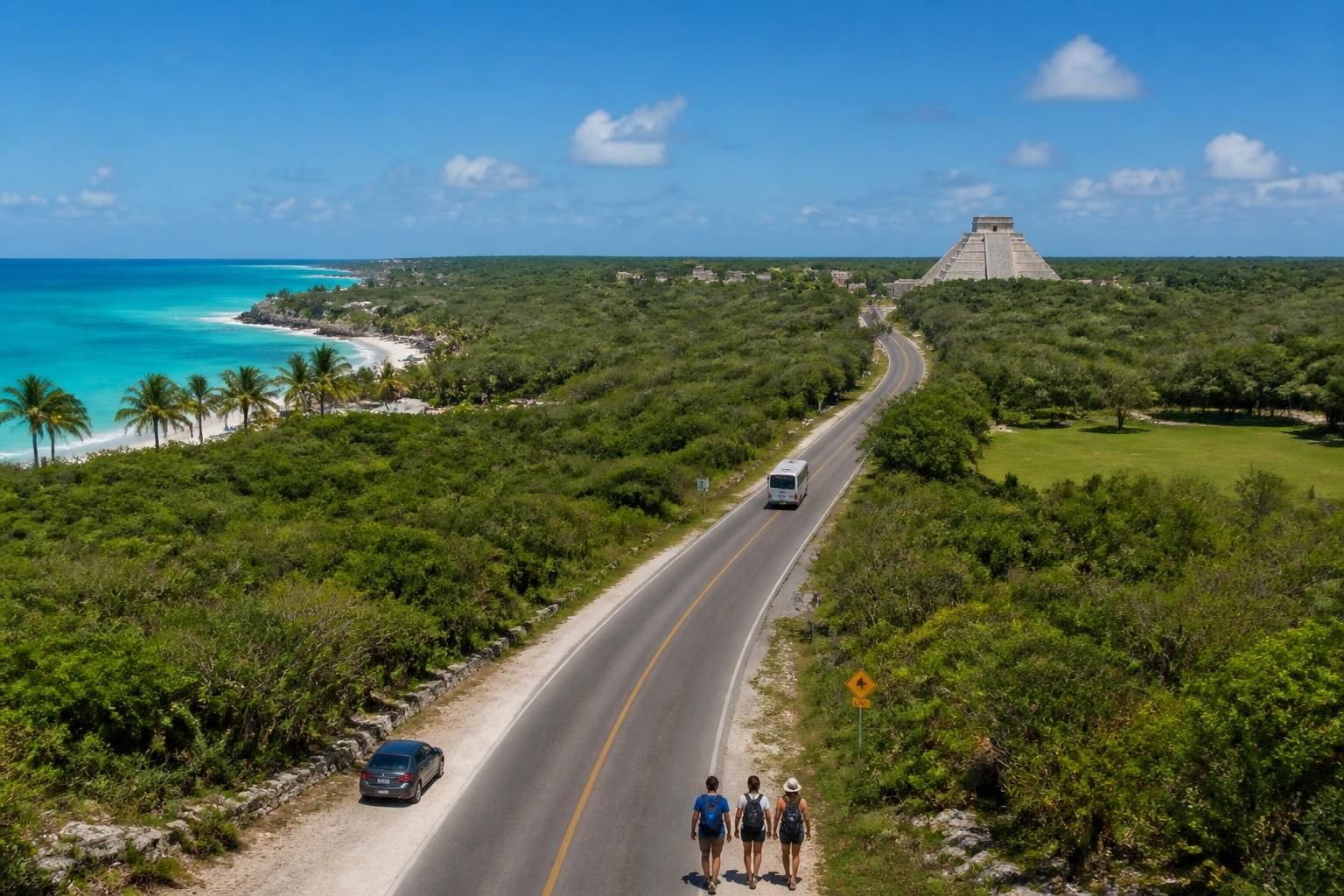
The physical distance of around 197 kilometers from the Cancun Hotel Zone to Chichen Itza might suggest a straightforward road trip, but the journey encompasses several dynamic factors that impact the travel experience. The primary route follows Highway 180D, a toll road known for its excellent condition and relative speed compared to free highways. Typically, the drive lasts between 2 hours 15 minutes and 2 hours 30 minutes, but variations occur due to traffic within Cancun, especially if departure is post-8:00 AM when city congestion intensifies.
Beyond traffic, travelers must account for toll fees that sum near 400 to 500 pesos each way, payable in cash at multiple toll booths along the route. Importantly, a subtle but crucial detail for visitors is the time zone difference between Cancun (Eastern Standard Time) and Chichen Itza’s location in Yucatan state (Central Standard Time). This one-hour offset means an 8:00 AM opening at Chichen Itza corresponds to 9:00 AM Cancun time, making early departures essential to arrive at or before the ruins open — maximizing cooler temperatures and smaller tour groups.
For those driving themselves, the route is direct and well-marked, with clear signage through Valladolid, a charming colonial town about 45 minutes before the ruins that offers an excellent stop for refreshments or sightseeing. Alternatively, travelers using Downtown Cancun or Cancun Airport as starting points will face slight changes in distance — downtown is approximately 190 kilometers, and the airport about 180 kilometers. This variance minimally affects travel time but is useful for precise itinerary planning.
| Starting Point | Distance (km / mi) | Estimated Drive Time |
|---|---|---|
| Cancun Hotel Zone (South End) | 197 km / 122 mi | ~2h 30m |
| Cancun Hotel Zone (North End) | 190 km / 118 mi | ~2h 20m |
| Cancun Airport | 180 km / 112 mi | ~2h 10m |
| Cancun Downtown | 188 km / 117 mi | ~2h 15m |
Given these considerations, the raw distance alone does not tell the whole story of the Cancun to Chichen Itza road trip. Strategic timing and understanding traffic patterns critically shape whether the day becomes a seamless adventure or a tiring ordeal. For comprehensive travel advice and options, readers may explore detailed transportation guidance from Cancun to Chichen Itza.
Choosing the Best Transportation Option for Your Chichen Itza Day Trip
When planning a visit from Cancun to Chichen Itza, travelers face a variety of transportation choices suited to different budgets, comfort levels, and travel preferences. Each option balances convenience, freedom, and cost—a crucial consideration for those aiming to make the most of their day trip.
Guided Tours: The Stress-Free Choice
Guided tours remain the most popular choice, especially for first-time visitors. These tours typically include hotel pickup, round-trip transportation, entry fees, a professional guide, and sometimes bonus stops at cenotes or nearby Valladolid. The organized schedule helps visitors avoid logistical challenges and ensures an immersive historical narrative, making the Mayan ruins more meaningful.
The early pickup times — usually around 6:00 to 6:30 AM — allow arrival at Chichen Itza before the crowds swell and temperatures rise. However, tours often involve stops at multiple hotels and strict schedules, giving less flexibility but enhancing efficiency. For travelers prioritizing ease and education, joining a well-reviewed guided tour is invaluable. More information on selecting the right shuttle service is available at how to choose the best Chichen Itza shuttle from Cancun.
Rental Cars: Freedom and Flexibility
Renting a car offers unparalleled freedom. Visitors set their own pace, can arrive early, explore beyond the main ruins, and visit nearby cenotes or Valladolid on their own terms. This option benefits independent travelers comfortable with local driving conditions and toll payments. The roadway is friendly for drivers, with well-marked signs and moderate speeds. Nevertheless, navigation, parking fees, and local driving rules add responsibility.
ADO Bus: Affordable but Limited
ADO buses are a budget-friendly alternative, connecting Cancun to Chichen Itza with scheduled departures. While tickets are inexpensive and readily available, bus schedules might not sync perfectly with the ruins’ operating hours or visitor preferences, potentially curtailing the visit duration. Independent travelers experienced with public transport might find this option suitable, though guidance is limited.
Private Transfers: Personalized Comfort
Private transfers or private tours come with higher costs but provide personalized itineraries, convenience, and comfort. They are ideal for families, small groups, or luxury travelers seeking a relaxed pace without waiting for other passengers. Customization can include additional stops, extended site exploration, or integrating other Yucatan attractions.
Balancing these transport options ensures that each visitor finds an itinerary that aligns perfectly with their travel style and expectations. Exploring various tour and travel offers enhances the experience significantly, and more tips are accessible via best Chichen Itza tours from nearby areas.
Exploring the Must-See Historical Attractions at Chichen Itza
Chichen Itza is a sprawling archaeological marvel far beyond a single pyramid. Its complex encompasses a variety of structures that reveal the sophistication of the Maya civilization and their deep connection to astronomy, ritual, and public life. Understanding these landmarks elevates any visit from a mere photo opportunity to a profound historical journey.
The Iconic El Castillo (Temple of Kukulkan)
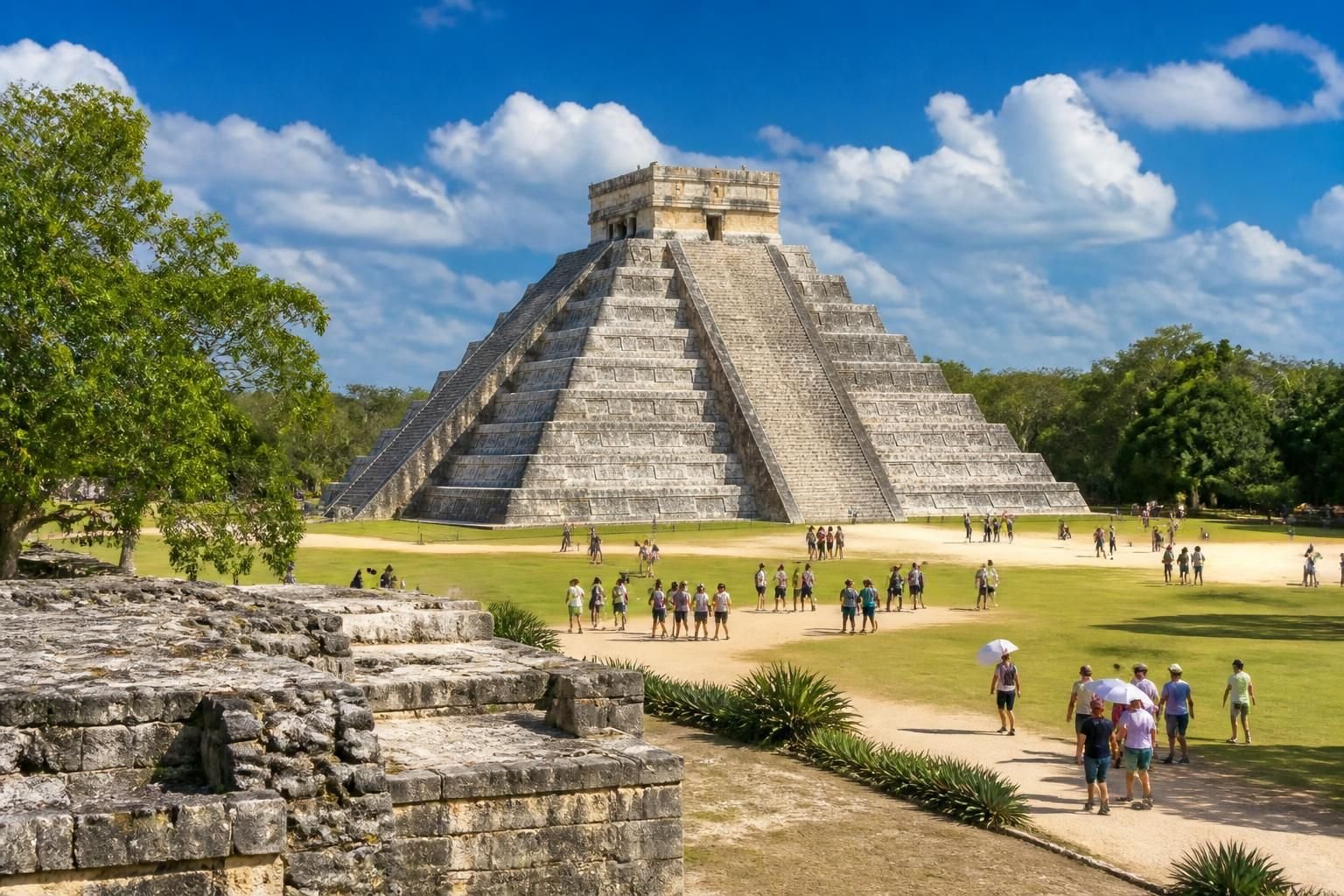
El Castillo dominates the site with its towering presence and precise astronomical alignments. Dedicated to Kukulkan, the feathered serpent god, this pyramid embodies Maya architectural genius. During equinoxes, the sunlight creates a serpent-like shadow descending the staircase, a symbol of celestial events and religious significance. While climbing is prohibited to preserve its integrity, walking around it allows full appreciation of its grandeur.
The Great Ball Court and Ritual Significance
Adjacent to El Castillo is the Great Ball Court, the largest in Mesoamerica, where ritual ball games were more than sport—they were dramatic cultural events involving deep cosmological symbolism. The size and acoustics are awe-inspiring, and visitors often experience guides demonstrating sound travel across the court, highlighting ancient engineering prowess.
Temple of the Warriors and Architectural Fusion
This temple complex, surrounded by numerous columns, showcases an architectural blend influenced by both Maya and Central Mexican cultures. This fusion marks Chichen Itza as a hub of cultural exchange, enriching its historical narrative. Viewing this site reveals the city’s political and religious complexity during its zenith.
Sacred Cenote: Spiritual and Ceremonial Center
The Sacred Cenote, a deep sinkhole once used for offerings and rituals, remains a poignant reminder of the Maya’s spiritual connection to water sources. While swimming is not permitted, visiting the cenote enhances understanding of Maya religious practices accompanying the ruins.
- El Castillo – the astronomical pyramid and cultural icon.
- Great Ball Court – site of ancient ritualistic games.
- Temple of the Warriors – fusion of architectural styles.
- Sacred Cenote – ceremonial water sinkhole.
Practical Travel Tips and Preparations for a Comfortable Visit
Visiting Chichen Itza from Cancun means preparing for a full-day excursion under the Yucatan sun, requiring a thoughtful approach to packing, timing, and itinerary planning. The tropical climate is warm, with midday heat often peaking; sun protection and hydration are critical.
Best clothing includes light, breathable fabrics, comfortable walking shoes, hats, and sunglasses. Bringing a refillable water bottle and sunscreen lessens discomfort during prolonged outdoor exploration. Cash in Mexican pesos is necessary for entrance fees, tips, and local vendors who offer souvenirs and refreshments at the site.
Early departures—around 6:00 to 6:30 AM—optimize the visit by ensuring arrival with the first groups allowed through the gates, avoiding overwhelming crowds. Combining the Chichen Itza visit with stops at nearby cenotes or the colonial town of Valladolid enriches the travel experience, offering respite and varied cultural encounters.
Travelers should keep in mind that climbing restrictions are in place to preserve the ruins, meaning certain iconic structures like El Castillo are not accessible for ascent. However, walking through the complex with a knowledgeable guide provides deep insights that transcend physical interaction with the site.
Essentials to Bring for Your Chichen Itza Journey
- Comfortable walking shoes
- Light, breathable clothing appropriate for tropical weather
- Hat or cap for sun protection
- Sunglasses and sunscreen
- A refillable water bottle
- Cash in Mexican pesos
- Camera or smartphone for photography
- Portable fan for heat relief
- Copies of tour booking or entrance tickets
For comprehensive visitor tips and recent updates on Chichen Itza, the resource at best tips for a visit to Chichen Itza in 2026 offers thorough advice.
Maximizing Your Cancun Stay Around Your Chichen Itza Day Trip
Following a culturally enriching day amidst the ancient ruins, many travelers seek to balance their itinerary with relaxation and local experiences in Cancun. Not far from the hotel zone’s busyness, the city offers contrasting environments where visitors can appreciate both vibrant urban life and serene beachscapes.
For seaside tranquility, Playa Delfines stands out as a public beach with expansive white sands and azure Caribbean waters. It’s an ideal spot for calming down after a day of historical exploration, perfect for photography or simply reflecting on the day’s discoveries amidst a breathtaking natural backdrop.
Alternatively, Cancun Downtown offers an authentic local atmosphere with bustling markets, dining spots serving traditional Mexican and Yucatecan dishes, and a chance to mingle with residents away from the tourist zones. Sampling local culinary delights such as cochinita pibil or fresh seafood enriches the cultural immersion, complementing the ancient stories experienced at Chichen Itza.
- Relax at Playa Delfines for beautiful beaches and photo opportunities.
- Explore Cancun Downtown for local food, shopping, and markets.
- Consider gastronomy as part of the cultural journey, trying tacos, marquesitas, and regional specialties.
Balancing the historic and modern components of a Cancun trip ensures a well-rounded holiday that celebrates both heritage and leisure. For more detailed local recommendations, consult explore the best attractions and hidden gems in Cancun.
How far is Chichen Itza from Cancun in terms of driving time?
Chichen Itza is approximately 197 kilometers from Cancun’s Hotel Zone, with the drive typically taking between 2 hours 15 minutes and 2 hours 30 minutes via the toll road Highway 180D, depending on traffic and time of day.
What is the best way to get from Cancun to Chichen Itza for first-time visitors?
For most first-time visitors, joining a guided tour offers the best combination of ease, education, and efficient transportation, typically including hotel pickup, a knowledgeable guide, and additional stops at cenotes or Valladolid.
Can I drive myself from Cancun to Chichen Itza?
Yes, renting a car is a popular option for visitors who want flexibility and control over timing. The route is straightforward on Highway 180D, but be prepared for tolls, parking, and navigating local road conditions.
Are there time zone differences I should consider when visiting Chichen Itza from Cancun?
Yes, Cancun operates on Eastern Standard Time, while Chichen Itza in Yucatan state uses Central Standard Time, one hour behind. The ruins open at 8:00 AM local time, which corresponds to 9:00 AM Cancun time.
What should I bring to Chichen Itza for a day trip?
Bring comfortable walking shoes, light and breathable clothing, sun protection like hats and sunscreen, a refillable water bottle, cash in Mexican pesos, and a camera for capturing the site’s beauty.