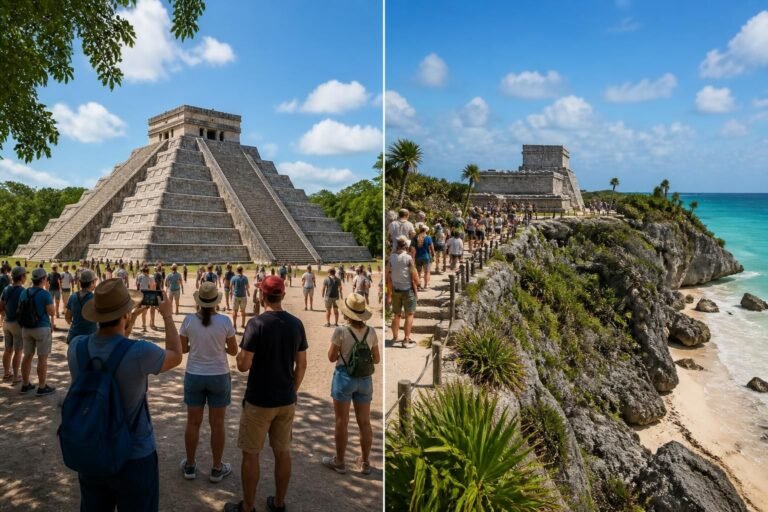

Chichen Itza remains one of the most astonishing historical sites in the world, drawing travelers eager to witness the grandeur of the Mayan civilization. As the centerpiece of the Yucatan Peninsula’s rich cultural tapestry, this ancient pyramid complex combines grandeur, mystery, and intricate architectural prowess that continues to captivate visitors. For those planning sightseeing in 2026, understanding the best travel tips can transform a regular visit into an extraordinary experience filled with discovery and appreciation for this archaeological treasure.
In brief:
- Arrive early, preferably at opening time, to avoid crowds and enjoy a peaceful visit.
- Reserve tickets online for a smooth and hassle-free entry process.
- Bring extensive sun protection gear due to strong tropical sun exposure.
- Consider guided tours to unlock deeper insights into the Mayan ruins and culture.
- Plan for a 2–3 hour visit to comfortably explore major structures without feeling rushed.
- Be prepared for vendors offering authentic crafts but also persistent in sales approaches.
- Explore nearby cenotes after your visit, as swimming within the Chichen Itza grounds is prohibited.
- Stay informed about the site’s opening hours and rules to optimize your travel planning.
Maximizing Your Time: Chichen Itza Opening Hours, Entry, and Arrival Strategies
Chichen Itza welcomes visitors daily from 8 AM to 5 PM, with last entries at 4 PM. Given its status as one of Mexico’s most visited Mayan ruins, crowds peak throughout the late morning and early afternoon. To fully appreciate this historical site without the overwhelming tourist presence, arriving at the gate right at opening—or even just before—is critical. Early arrivals benefit from cooler temperatures and spacious pathways, enhancing the experience of sightseeing through sprawling plazas and monumental pyramids.
Tickets for 2026 are priced at 646 MXN, reflecting the ongoing conservation efforts by the National Institute of Anthropology and History (INAH). To avoid long ticket lines or potential sellouts during peak seasons, it is highly recommended to purchase admission passes online in advance. This not only expedites entry but also guarantees a spot during busy holiday periods.
Where to stay is also a pivotal consideration: opting for local accommodations in Piste, just a few minutes from the site, provides easier access and a chance to rest before or after your visit. The proximity allows for early starts and late returns, perfect for travelers aiming to catch the evening light shows that illuminate the ancient pyramid of El Castillo in vivid storytelling displays.
Expert travel advice often points visitors toward specialized articles like how to buy Chichen Itza tickets for a smooth visit to better navigate ticketing options and entry procedures.
Essential Travel Tips for Comfort and Safety at Chichen Itza’s Ancient Ruins
The tropical climate of the Yucatan Peninsula around Chichen Itza demands serious preparation. Hot, humid conditions coupled with expansive sun exposure can quickly strain even the most avid travelers who are unfamiliar with these environmental factors. Visitors planning their trip in 2026 should prioritize packing a comprehensive sun protection kit: wide-brimmed hats, high-SPF sunscreen, UV-protected sunglasses, and lightweight, breathable clothing.
Hydration is another imperative aspect. While vendors provide water and snacks near the entrance, personal supplies of water—ideally in reusable bottles with purification capabilities—offer convenience and mitigate the cost of overpriced refreshments on-site. Smart hydration strategies ensure visitors can maintain energy levels during their leisurely exploration of the 1.9-square-mile archaeological zone.
Since many pathways weave through uneven terrain, robust, comfortable footwear is a must. Also, the expansive layout implies considerable walking distances between key sites like the Temple of Kukulkan, the Group of the Thousand Columns, and the Great Ball Court. Visitors should prepare to spend 2 to 3 hours touring the grounds fully, balancing paced exploration with ample hydration and regular breaks.
For a deeper immersion into the historical and cultural significance of the exhibits, hiring a certified guide or joining a well-reviewed guided tour is invaluable. Such tours offer bilingual explanations of the Mayan civilization’s astronomical knowledge, religious practices, and architectural genius that a self-guided visit might miss. Options range from group tours to private experiences, with detailed suggestions available at discover the best Chichen Itza guided tour options for an unforgettable experience.
Understanding the Cultural Context: History and Architecture of Chichen Itza
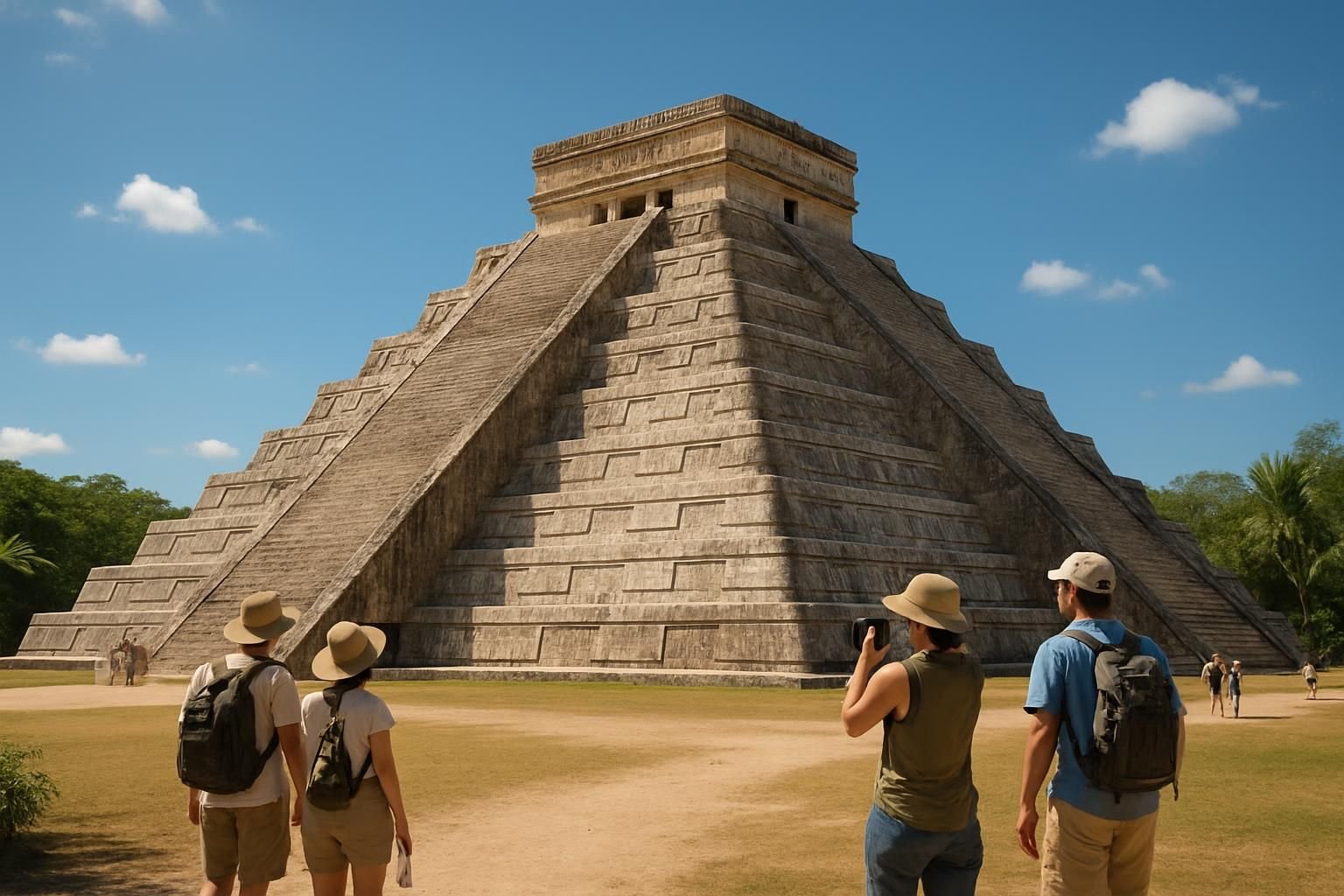
Founded over 1,500 years ago in the heart of the Yucatan Peninsula, Chichen Itza was once a bustling metropolis and ceremonial center of the Mayan civilization. It exhibits the pinnacle of Mayan architectural skills fused with influences from the Toltec culture, visible predominantly in the composition and iconography of structures like El Castillo (Temple of Kukulkan). This iconic pyramid is a testament to astronomical precision, aligning perfectly with the equinox to project a serpent’s shadow slithering down its staircase.
Visitors should take time to absorb the layered significance of other architectural marvels, including the Temple of the Warriors, which houses a series of sculpted columns depicting fierce jaguars and warriors, and El Caracol, an ancient observatory showcasing Mayan expertise in astronomy.
Beyond monumental architecture, the site also contains sacred cenotes. The most famous, the Sacred Cenote, was a location for offerings and rituals — including human sacrifices believed to ensure agricultural fertility and appease the gods. This blend of architecture and spiritual practice paints a vivid narrative of the ancient ways, beckoning visitors for a thoughtful and contemplative sightseeing experience.
For travelers seeking to delve deeper into the enthralling history of the Mayan ruins at Chichen Itza, resources such as how to visit the Mayan ruins Chichen Itza: everything you need to know provide comprehensive cultural perspectives and detailed accounts of the site’s archaeological significance.
Navigating the Visitor Experience: Practical Advice for an Enjoyable Stay
When traveling to Chichen Itza, it’s critical to plan ahead not only for the site visit but also for the overall travel logistics. Many visitors choose to arrive via ADO buses, which provide a cost-effective and comfortable service from major hubs like Valladolid, Cancun, and Playa del Carmen. Buses drop guests right at the archaeological site’s entrance, cutting out complicated transfers and allowing immediate immersion into sightseeing.
Local vendors add vibrant authenticity to the visit, offering an array of artisanal crafts and souvenirs along the trails. While these interactions enrich cultural exchange opportunities, travelers should prepare mentally for persistent sales attempts. Setting a budget beforehand and selecting souvenirs thoughtfully can create memorable yet mindful shopping experiences.
To better illustrate visit durations and paths, consider this example itinerary:
| Time | Activity | Highlights |
|---|---|---|
| 8:00 AM – 9:30 AM | Arrival and guided tour start | El Castillo, Temple of the Warriors |
| 9:30 AM – 10:30 AM | Explore the Great Ball Court and surrounding plazas | Sacred Cenote views, Group of the Thousand Columns |
| 10:30 AM – 11:30 AM | Visit El Caracol observatory | Site’s astronomical significance |
| 11:30 AM – 12:00 PM | Shopping and rest break | Local crafts, refreshments |
Travelers should keep in mind that climbing on the pyramids at Chichen Itza remains prohibited to preserve the site’s integrity. Modern visitor restrictions help ensure future generations can also marvel at this historical site. Additionally, Sundays and Mexican holidays see a surge in visitors due to free local admission, which can overwhelm the tranquil ambiance. Planning visits on regular weekdays is advisable to maximize an intimate and educational experience.
Unique Experiences and Extra Tips to Enhance Your Chichen Itza Visit in 2026
One remarkable offering after a day of archaeological sightseeing is the evening light and sound show that illuminates El Castillo. This spectacle portrays the legends and achievements of the Mayan civilization through impressive 3D mapping, turning stone into storytelling canvases. Planning an evening visit to witness this transformation enriches the tourist guide’s suggestions, delivering a multi-sensory connection to the ancient pyramid.
Expect an enriching visit by preparing accordingly: pack light but smart, bring cameras (not tripods—since permits are required), and have cash ready as most vendors and onsite services prefer it. If interested in swimming, note that while Chichen Itza’s sacred cenotes are not open for bathing, numerous nearby cenotes such as Ik Kil offer refreshing experiences close to the site.
For a streamlined excursion with expert guidance, many travelers consult resources like the ultimate Chichen Itza tour experience in 2026 to optimize route choices, timing, and onsite activities. These comprehensive guides are invaluable to those eager to make the most from their visit, combining comfort, education, and awe-inspiring moments in one cohesive plan.
What is included in the Chichen Itza entrance fee?
The 2026 entrance fee includes access to all major ruins within the archaeological zone and supports ongoing preservation efforts by the Mexican government. Additional costs apply for guided tours or special events.
Are there restrictions on photography or equipment at the site?
Tripods require special permits, so regular visitors are advised to use handheld cameras or smartphones. Drones and other large equipment are prohibited to protect the fragile structures.
Can you climb the pyramid of El Castillo?
No. Climbing El Castillo and other major structures is prohibited to preserve their structural integrity and cultural significance.
Is there public transportation available to Chichen Itza?
Yes, first-class ADO buses run frequently from nearby cities like Valladolid, Cancun, and Playa del Carmen, offering affordable and convenient access directly to the site.
When is the best time to visit Chichen Itza?
The ideal visiting times are early mornings or late afternoons during the winter months when temperatures are lower and crowds are smaller.