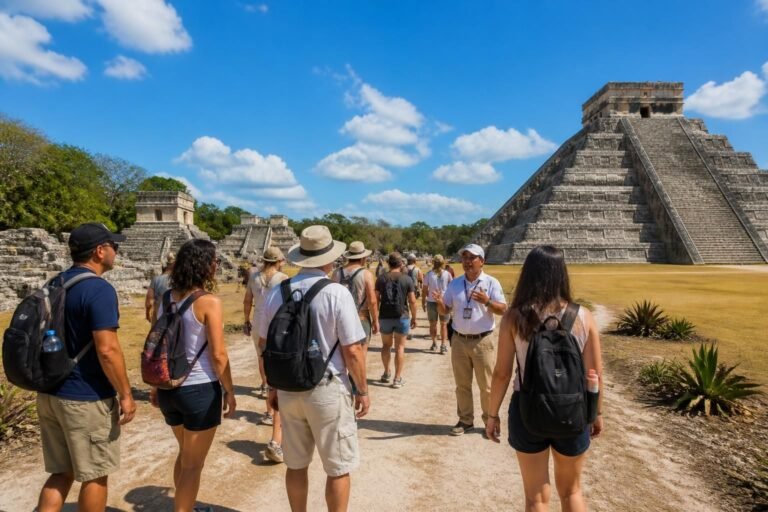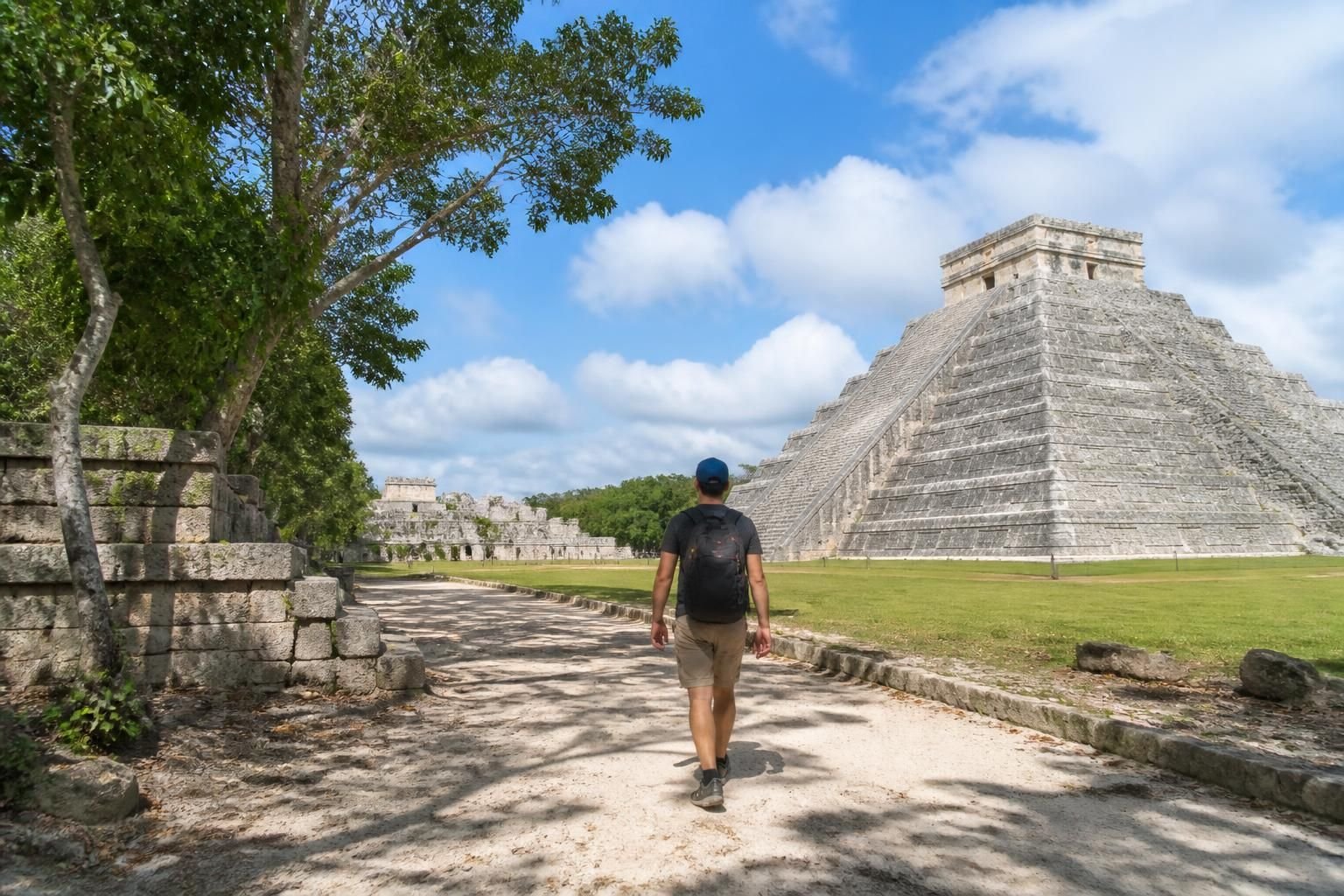

Chichén Itzá, an eminent jewel of Mexico’s Yucatán Peninsula, represents one of the New Seven Wonders of the World and invites explorers to wander through the architectural and cultural legacy of the ancient Maya civilization. Unlike the typical crowded guided tours dominating the site, visiting Chichén Itzá independently offers a more personal encounter with its majestic structures, tranquil surroundings, and deep history. Navigating this renowned historical site without the constraints of a tour group can amplify the connection to the past, providing freedom to explore at one’s own pace while avoiding the peak crowd hours. This approach calls for a precise plan, combining travel tips, timing strategies, and self-guided insights to fully appreciate Chichén Itzá’s grandeur.
Self guided tours have become increasingly popular for travelers seeking immersive experiences. Independent travel to Chichén Itzá allows visitors to tailor their visit based on individual interests, such as spending extra time at the iconic Kukulcán pyramid or discovering lesser-known areas rarely shown on standard tours. Knowing when and how to arrive, best transportation methods, and smart budgeting ensures a smooth and enriching day-long excursion. The key lies in strategic travel planning, including accommodation choices and itinerary additions like nearby natural wonders, to create a comprehensive and memorable adventure.
While numerous tour companies propose packages from Cancun or Playa del Carmen, opting for a tour group free visit not only reduces cost but also offers flexibility and an authentic atmosphere often diluted by large crowds. By understanding the layout of the archaeological zone and the visitor services available on-site, travelers can confidently embark on their independent journey, equipped with knowledge and respect for this cultural treasure. This article reveals essential tips and secrets for a rewarding self-guided exploration of Chichén Itzá, from timing and ticketing to combining excursions with natural cenotes for a balanced day rich in history and nature.
The Art of Timing Your Visit to Chichén Itzá for a Tour Group Free Experience
Timing is the cornerstone of enjoying Chichén Itzá without the overwhelming influx of tour groups. The site opens at 8:00 a.m., and arriving at this precise moment is crucial for those seeking a peaceful encounter with the ruins. The advantage of early arrival extends beyond escaping crowds: the morning light lends itself beautifully to photography, casting soft shadows that reveal intricate stone details and colors in their purity. Early hours also offer relief from the intense midday heat, which can soar above 35 degrees Celsius during the busy season.
Securing entry at the opening hour maximizes the opportunity to relish the site with minimal interruptions. Visitors typically enjoy two to three hours of near solitude before the first tour buses disgorge their passengers. As the day progresses, guided groups grow, and navigating through popular structures such as the Kukulcán pyramid, the Great Ball Court, and the Sacred Cenote can become a challenge. Avoiding visits around noon through afternoon ensures a calmer experience, optimal for reflection and exploration.
Beyond just the time of day, choosing the right season greatly affects crowd density and comfort. The best months to visit span November to February, when temperatures are moderate and humidity lower, enhancing overall enjoyment. These months also coincide with fewer tourists. Contrastingly, from May through October, high heat and the rainy season can detract from the experience. Additionally, the March period sees a surge of visitors due to Spring Break, making it less suitable for independent tourists who prefer tranquility.
Planning accommodation in nearby towns like Valladolid, roughly 40 kilometers away, complements this timing strategy perfectly. Valladolid offers charming lodging and local dining, setting an ideal base for an early pre-dawn departure. Informed visitors can combine a morning at Chichén Itzá with an afternoon swim at the nearby Cenote Ik Kil, creating a balanced day of culture and nature. Detailed advice on the best time to leave Cancun for a Chichén Itzá tour and how to organize a trip from Playa del Carmen can be found on dedicated travel guides, assisting travelers in seamless independent planning.
Access and Transportation Options for Independent Travel to Chichén Itzá
Accessing Chichén Itzá independently is straightforward due to its well-connected location, though travel planning is essential to avoid dependency on tours. Several options accommodate different preferences, budgets, and travel styles.
The most common method is renting a car, which grants complete flexibility over departure time, itinerary, and pace. From Cancun or Playa del Carmen, the drive takes approximately two to three hours, with well-marked roads leading to the archaeological zone. Parking facilities are available at the site, and arriving early not only secures a spot but also greases the wheels for a smooth visit. Rental cars also facilitate detours to nearby attractions such as cenotes or traditional villages, enriching the overall trip.
Public transportation includes buses and colectivos (shared vans). Companies like ADO offer bus routes from major Yucatán cities, including Valladolid, Cancun, and Playa del Carmen. Buses are an affordable choice but operate on fixed schedules, requiring some flexibility from travelers. Colectivos provide another low-cost option and can be arranged for groups or solo travelers comfortable with local travel customs.
For those seeking enriched experiences beyond a basic visit, self guided tours can be enhanced with downloadable audio guides or maps. These contemporary tools deliver in-depth information about each landmark without the confines of a group or a guide, marrying autonomy with education. A blend of technology and independent curiosity ensures a comprehensive understanding of the Maya civilization’s enigmatic heritage.
Travelers considering an independent trip from Playa del Carmen will find curated logistical advice on specialized pages. These resources provide insights on departure points, transport modes, and budgeting, helping visitors shape their ideal journey without reliance on predetermined tours.
Exploring the Majestic Mayan Ruins on a Self-Guided Tour
Chichén Itzá’s archaeological zone houses some of the most significant Mayan ruins, each steeped in profound historical and cultural meaning. Independent visitors equipped with self guided tour materials can enjoy an intimate exploration of these structures, unmarred by the crowd’s pace.
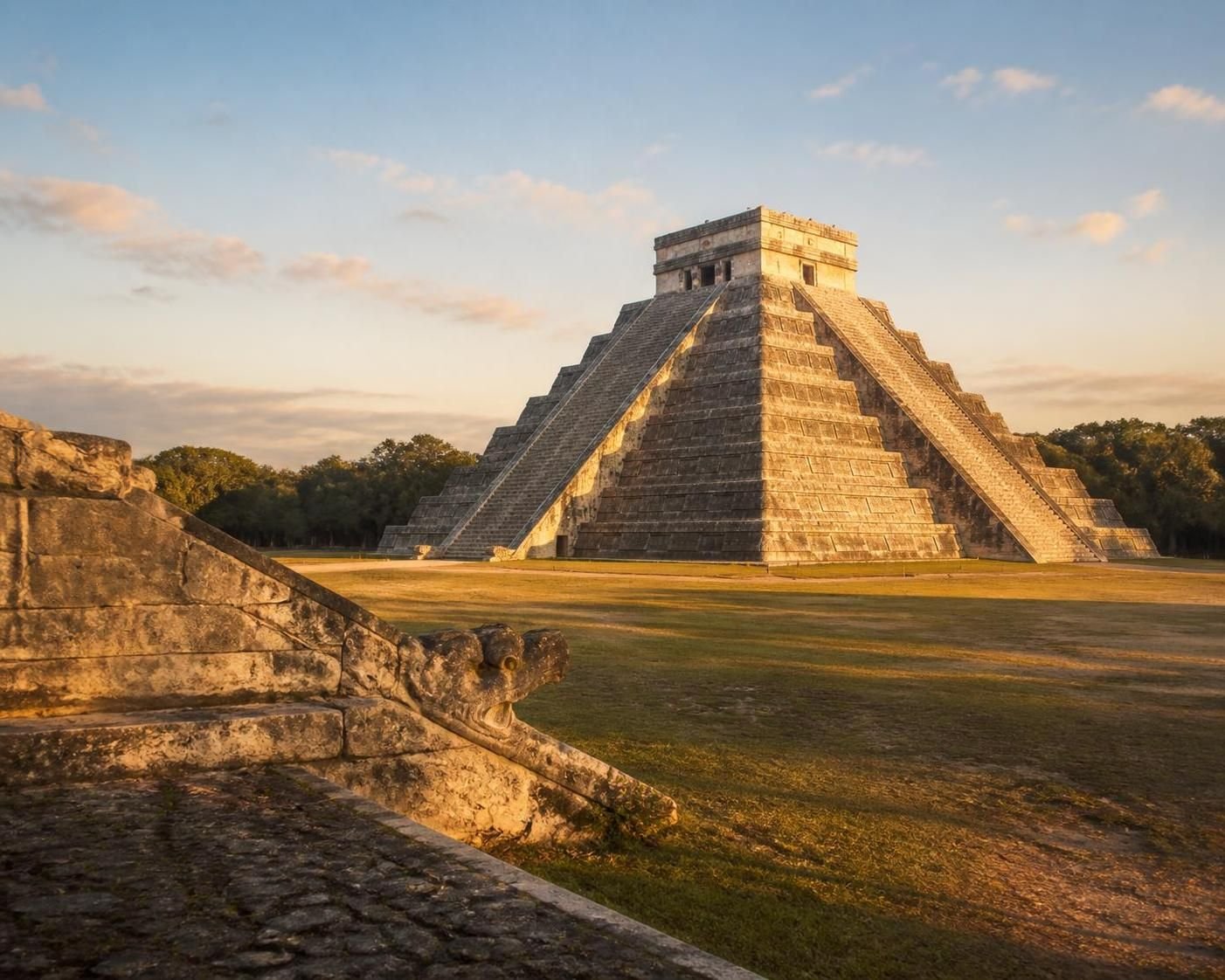
The Kukulcán pyramid, or El Castillo, dominates the site with its precise astronomical design. Visitors can admire the interplay of shadow and light during equinoxes, when a serpent-like shadow creeps down the steps, a testament to the ancient Maya’s astronomical prowess. Beyond the pyramid, the Great Ball Court awaits—the largest known of its kind among Maya cities, it once echoed to the sounds of ceremonial games that combined sport with ritual sacrifice. Walking its grounds, one can almost hear the ancient voices and footsteps reverberating through time.
Another must-see is the Sacred Cenote, a natural well that symbolized a portal to the underworld in Maya belief. Visitors can stand at its rim, sensing the mystical presence that once attracted offerings and sacrifices, underscoring the site’s spiritual significance. Surrounding temples, observatories, and colonnaded halls further enrich the narrative, with each structure presenting stories of power, religion, and cosmology.
Respect for the site is paramount: climbing the pyramid is prohibited to protect its fragile limestone steps and visitors’ safety. Instead, wandering around and using detailed self-guided maps or apps offers a comprehensive look at every significant feature at leisure. Photography enthusiasts especially benefit from quieter hours to capture the ruins in all their glory without intrusion.
- Start at El Castillo to appreciate its scale and design.
- Visit the Great Ball Court to understand Mayan ceremonial culture.
- Explore the Sacred Cenote to grasp religious importance.
- Use audio guides or mobile apps to dive deeper into historical context.
- Wear comfortable shoes and carry sufficient water to cope with walking distances and tropical heat.
Combining Your Visit with Nearby Natural Wonders for a Fuller Experience
Pairing Chichén Itzá with a visit to the nearby Cenote Ik Kil enhances the independent traveler’s itinerary by adding an element of natural beauty and refreshment. This cenote is a semi-open sinkhole, characterized by crystal-clear waters surrounded by lush vegetation and hanging vines, creating a serene and almost sacred swimming spot. Just minutes from the ruins, it offers a refreshing contrast to the archaeological intensity of the morning.
Cenote Ik Kil maintains a constant water temperature of around 24 degrees Celsius, making it inviting year-round. Its dramatic walls and turquoise waters provide excellent opportunities for both swimming and photography. Accessed via a safe wooden stairway, the cenote allows visitors to swim or relax in a naturally cooling environment, perfect for recovering after walking through the historical site.
Preparing for this excursion includes wearing swimwear under clothing, bringing a towel, and allocating at least an hour to fully appreciate the setting. Resources such as the complete swimming guide to Cenote Ik Kil can prove invaluable, offering advice on what to expect, safety tips, and amenities.
Combining archaeological exploration with natural surroundings exemplifies the essence of travel to Mexico’s Yucatán Peninsula—melding history with nature, culture with leisure. This strategy not only elevates the day but also enriches understanding of Mayan life, whose civilization thrived alongside such geological features.
Practical Travel Tips and Planning Advice for Independent Chichén Itzá Visits
For those embarking on a tour group free visit to Chichén Itzá, thorough travel planning is indispensable. Key considerations include ticket purchasing, arrival protocols, and preparation for the climate and terrain.
Entrance to the archaeological site costs approximately 530 Mexican pesos (about 25 euros), granting access to all main areas, and can be purchased directly at the gate. Independent travelers are encouraged to arrive early to avoid long queues, especially during peak seasons and weekends.
Essential items to bring include sturdy walking shoes, sun protection such as hats and sunscreen, and at least two liters of water, as the site has minimal shade and the exploration demands physical stamina. Visitors should also respect site regulations by remaining on the designated paths and refraining from climbing or touching the ruins, as preservation efforts are stringent for this UNESCO World Heritage site.
Accommodation in Valladolid offers advantages not only for proximity but also for local charm and dining options, enabling a more relaxed pace. Transport choices range from car rentals to bus services, each with pros and cons depending on budget and desired flexibility. Reviewing a detailed breakdown of tour costs and transport logistics from Playa del Carmen or Cancun can assist in budgeting and organizing, as outlined in recent travel cost guides.
| Travel Option | Approximate Cost | Advantages | Considerations |
|---|---|---|---|
| Rental Car | €40-€70/day | Full flexibility, easy stops | Driving on unfamiliar roads, parking |
| ADO Bus | €10-€20 round trip | Affordable, reliable schedules | Limited departure times, need coordination |
| Colectivo (Shared Van) | €5-€10 one way | Economical, local experience | Less comfortable, less privacy |
Successfully exploring Chichén Itzá without a tour group hinges on embracing a mindset of preparation and flexibility. Reserving accommodation in nearby towns, planning early arrivals, and leveraging self guided tours all contribute to a deeper appreciation of this exceptional historical site. Combined with visits to cenotes and other regional attractions, this independent approach promises memorable engagement with Mexico’s cultural and natural treasures.
What is the best time to arrive at Chichén Itzá to avoid crowds?
Arriving right at 8:00 a.m., when the site opens, offers the best chance to explore before the tour buses arrive and crowds increase. Early morning hours are less hot and provide better lighting for photos.
Can I climb the Kukulcán pyramid during an independent visit?
No, climbing the pyramid is prohibited to protect the ruins and ensure visitor safety. However, you can walk around its base and admire it from various angles.
How can I get to Chichén Itzá without joining a tour group?
Several options exist including renting a car, taking the ADO bus, or using colectivos. Planning your transport independently allows flexibility and cost savings compared to guided tours.
Is it worth combining the visit with nearby cenotes?
Absolutely. Visiting Cenote Ik Kil after exploring Chichén Itzá provides a refreshing complement, blending archaeological interest with natural beauty and relaxation.
Where is the best base to stay when visiting Chichén Itzá independently?
Valladolid is the preferred choice due to its proximity, charming atmosphere, and range of accommodation options, making early morning arrivals to the ruins manageable and comfortable.