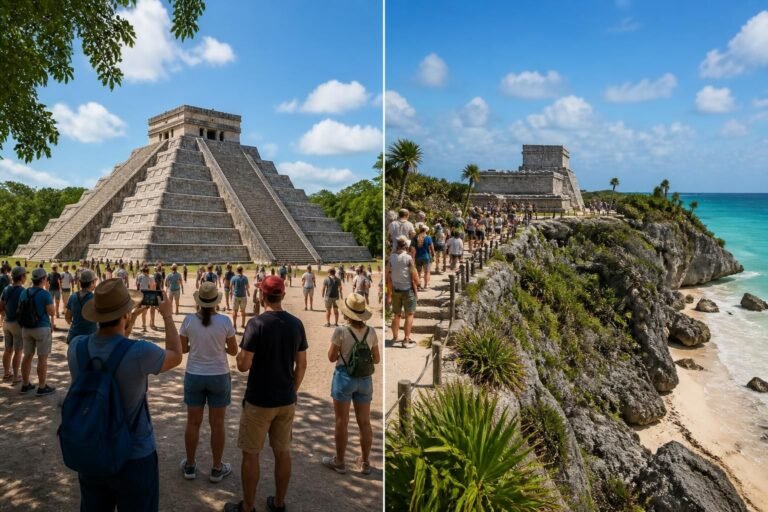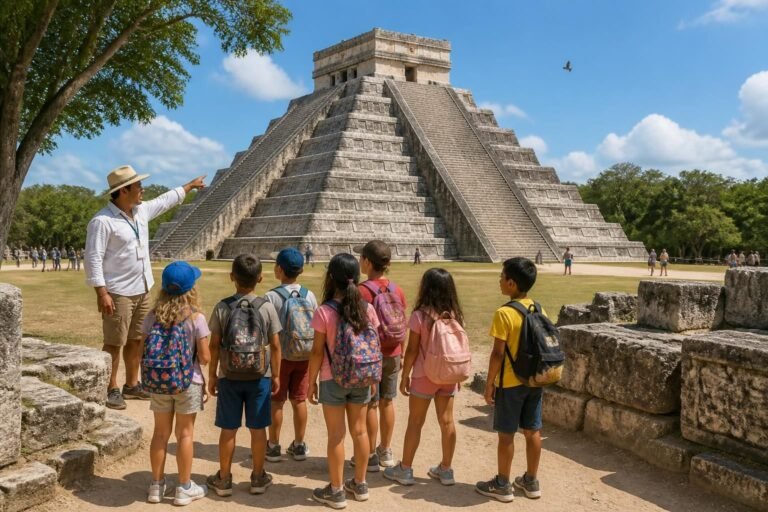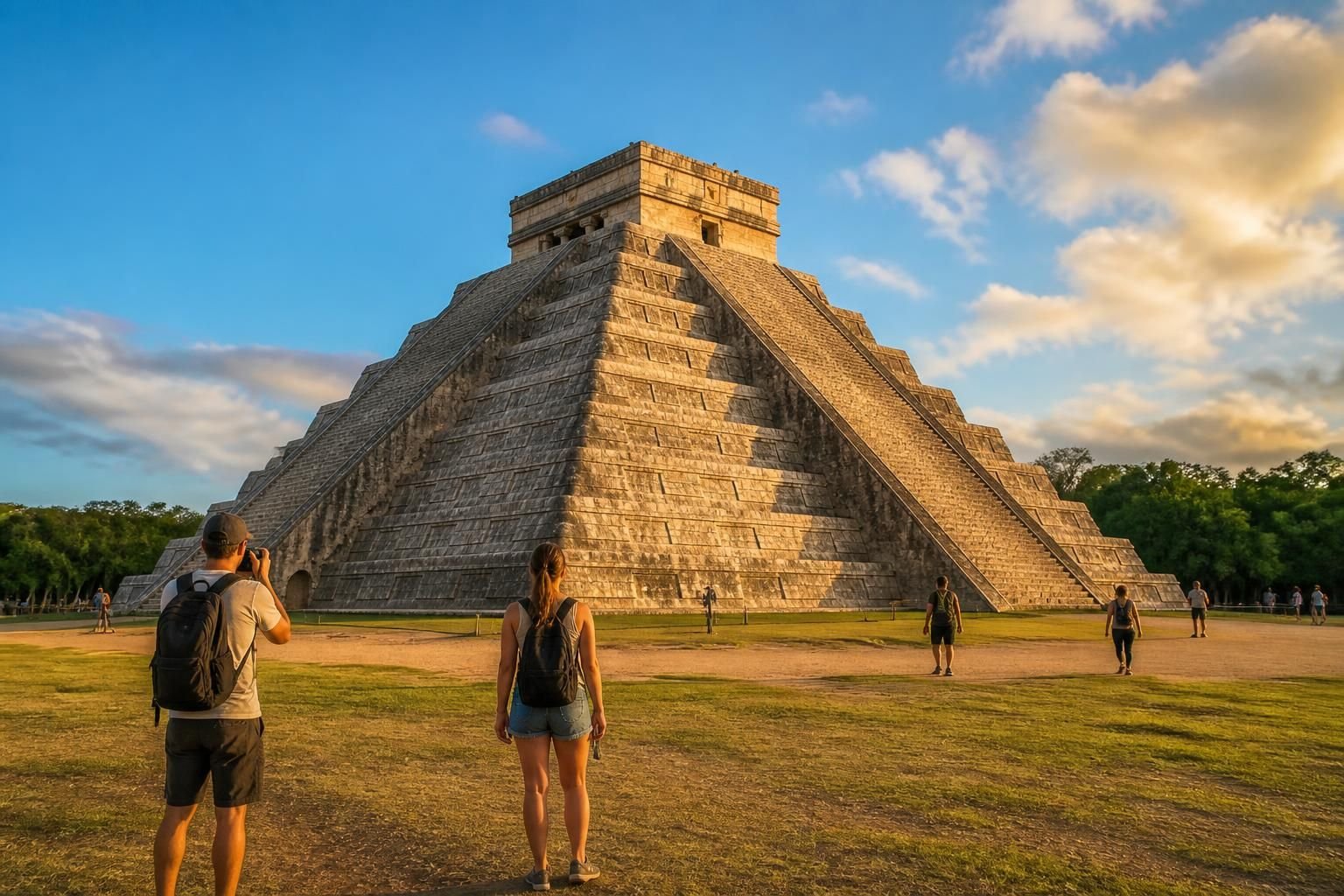

Chichen Itza, nestled in the heart of Mexico’s Yucatan Peninsula, stands as an emblematic symbol of ancient Mayan civilization and one of the New Seven Wonders of the World. Drawing over three million visitors annually, this vast archaeological site immerses travelers in a world where historical landmarks and cultural heritage unite. For the independent traveler, exploring Chichen Itza without a guided tour offers a unique opportunity to engage deeply with the ruins at a personal pace, maximizing freedom and cost-effectiveness. However, mastering the art of a self-guided tour requires careful planning, especially in 2026 when visitor numbers remain high and logistical nuances evolve.
Key considerations for travelers in 2026 include selecting the optimum time to visit to avoid the bustling crowds, understanding entrance fees including the federal and Yucatán state taxes, and choosing transportation that balances convenience with budget. Cultivating this knowledge ensures an enriching and comfortable experience amid the storied stepped pyramids, celestial observatories, and sacred cenotes that punctuate the site. This independent visit guide delivers comprehensive insights and tourism tips tailored for those wishing to explore Chichen Itza on their own terms, without missing the essential highlights nor falling prey to the common pitfalls of over-tourism.
Mastering the Timing and Entrance Details for a Seamless Chichen Itza Independent Visit
Timing can profoundly impact an independent traveler’s experience at the famous Mayan ruins of Chichen Itza. Opening daily from 8:00 am till 5:00 pm, with the last entry at 4:00 pm, the archaeological site’s visitor flow peaks mid-morning to early afternoon due to incoming tour buses largely originating from Cancun, Tulum, and Playa del Carmen.
Arriving promptly at opening time provides a rare window of calm. Between 8:00 am and 10:00 am, the iconic El Castillo pyramid is suffused with soft morning light, making it an ideal period for photography and quiet exploration before tour groups flood the plaza. By contrast, the interlude from 10:00 am to noon marks incoming bus arrivals and steadily growing crowds. Travelers enduring the noon to 2:30 pm slot face peak heat combined with dense visitor numbers, which can detract from the serene contemplation the ruins deserve.
Entry fees in 2026 entail a federal charge of approximately $33 USD supplemented by a Yucatan state tax near $7, cumulatively around $40 USD for foreign visitors. Mexican residents benefit from reduced rates, generally near $13. Payment is typically accepted in cash Mexican pesos, and having the exact amount helps to avoid delays. It is essential to note that climbing El Castillo remains prohibited since 2006, preserving the structure’s integrity for future generations.
For independent visit planning, awareness of the toll road costs, about $25 USD round trip when travelling from Cancun, is crucial. Without prepayment in pesos, travelers might experience minor inconveniences, as toll booths do not accept cards. Parking fees on-site are modest, generally around $3. Efficient timing paired with these logistical financial details prepares travelers to maximize their visit quality.
Strategic Arrival Suggestions for a Rewarding Visit
Choosing the method of arrival strongly influences the timing advantage. Rental cars provide flexibility and speed, clocking a roughly 2.5-hour journey from Cancun with comfort; alternatively, private drivers offer direct transit with fewer crowds and stops, though at a higher cost. Public ADO buses, costing approximately $25 round trip, depart once daily from Cancun at 8:30 am, arriving near 11:30 am, which places visitors amidst peak tour bus congestion.
For those committed to early peaceful exploration, an overnight stay in nearby Valladolid, only 45 minutes from Chichen Itza, is highly advantageous. This strategy permits an 8:00 am arrival, allowing visitors to enjoy the cooler, quieter hours and avoid midday rush and heat. From Valladolid, regional buses or short taxi rides can transport travelers conveniently to the site.
- Arrive at opening (8:00 am) for the best lighting and minimal crowds
- Prepay tolls in cash to avoid delays on the drive
- Consider staying overnight in Valladolid to capitalize on an early start
- Bring small bills for entry fees and miscellaneous expenses on-site
- Plan for a roughly 2.5 to 3-hour self-guided walking tour within the main visitor zone
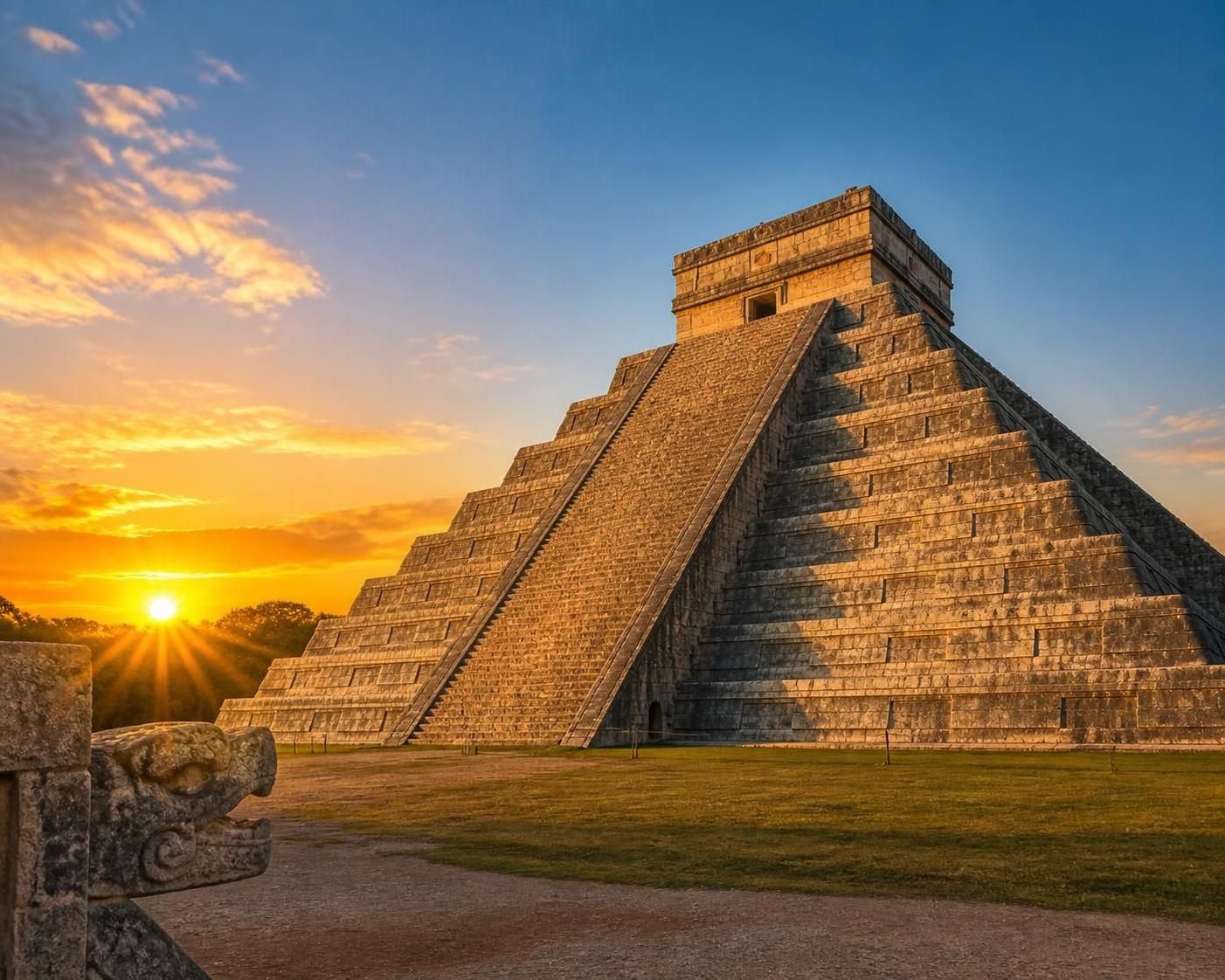
Exploring Chichen Itza’s Must-See Archaeological Sites: A Self-Guided Tour for Enthusiastic Travelers
Chichen Itza sprawls across approximately 5 square kilometers, however, the primary visitor zone is compact and walkable, perfect for independent explorers. A thoughtfully crafted self-guided route enables deeper engagement with the site’s monumental structures, archaeological significance, and hidden nuances.
El Castillo (Pyramid of Kukulkan): This 79-foot stepped pyramid is Chichen Itza’s centerpiece. Its 365 steps correspond to days of the solar year, revealing the complex astronomical knowledge of the Mayan civilization. The structure’s alignment creates the famous serpent shadow phenomenon during the equinoxes, when sunlight casts the illusion of a serpent descending the staircase. While physically climbing the pyramid is prohibited, viewing from the base during early morning or late afternoon offers extraordinary photographic opportunities. Positioning at the northeast corner reveals the serpent’s shadow most spectacularly on March 20-21 and September 22-23, attracting thousands.
The Great Ball Court: The largest known in Mesoamerica, this expansive courtyard thrived as a ceremonial and sporting venue where ancient teams competed in ritual ball games. The towering stone hoops 25 feet high and evocative skull-rack carvings on the side walls narrate stories of victory, sacrifice, and the intertwining of sport and spirituality. Walking the perimeter independently allows travelers to imagine the echoes of ancient crowds and understand the cultural gravity of these contests.
Temple of the Warriors: A vast complex featuring approximately 1,000 ornate columns, many carved with warrior motifs, this temple complex embodies the militaristic aspects of Chichen Itza’s peak society. The reclining chacmool statue atop the temple is significant in ritual offerings, symbolizing intermediaries between the earthly and divine. An unhurried visit enables appreciation of the intricate stonework and the grandiosity of Mayan architectural prowess.
Sacred Cenote: Providing a contrasting natural element, this deep sinkhole was a site of pilgrimages and human sacrifices meant to appease the rain god Chaac. Its eerie atmosphere is palpable, reflecting ancient ritual importance and echoing mysteries unresolved by historians. Nearby artifacts recovered by archaeologists testify to the cenote’s longstanding cultural role.
El Caracol Observatory: Located slightly apart, this spiral-shaped tower was an ancient astronomical observatory. It reflects the advanced understanding of celestial cycles by Mayan scholars, vital for agriculture and ceremonial timing. Independent visitors intrigued by astronomy find this a compelling stop, deepening their grasp of how Mayan knowledge intersected with their environment.
Prioritize these main sites for a fulfilling self-guided tour, and consider bypassing the “Old Chichen” zone if pressed for time, given its less striking ruins and distance, which makes it less worthwhile for first-time independent travelers.
A Detailed Table of Entrance Fees and Must-See Attractions
| Site/Service | Cost (USD) | Description |
|---|---|---|
| Federal Entry | $33 | Standard fee for foreign tourists covering main archaeological site access |
| State Tax (Yucatán) | $7 | Mandatory additional tax for preservation and local infrastructure |
| Mexican Resident Entry | $13 | Discounted price for Mexican nationals and residents |
| Parking Fee | $3 | On-site vehicle parking charges |
| Ik Kil Cenote Swim | $10 | Nearby cenote entry and swim package, ideal for post-visit refreshment |
Practical Travel Guide Tips for Independent Travelers Exploring Chichen Itza in 2026
Visiting one of Mexico’s most storied archaeological sites without a group tour offers autonomy and a more intimate connection to the Mayan ruins, but it requires attentiveness to essential details. This section outlines vital tourism tips to ensure a smooth, safe, and insightful independent experience.
Water and Sun Protection: The expansive plaza offers scant shade, making sun protection indispensable. Travelers should bring a broad-brimmed hat, broad-spectrum sunscreen, and sunglasses. A minimum of two liters of water per person is essential, as prices inside the site can be more than double those outside, especially from vendors targeting peak-time tourists.
Footwear and Health: Comfortable walking shoes with good traction are crucial. The ground is uneven in places, and the tour requires several kilometers on foot. Insect repellent is advisable in surrounding forested sections, especially during the warmer months and early mornings.
Money Matters and Connectivity: While some on-site vendors accept cards, cash remains preferred for smaller purchases such as souvenirs or snacks. Cell phone reception is unreliable; downloading offline maps and guides beforehand aids navigation. Travelers should also avoid buying standard souvenirs inside the park as these are often available for less in nearby towns like Valladolid or Pisté.
Common Pitfalls to Avoid:
- Waiting too long to enter and encountering peak tour-bus crowds
- Attempting to climb prohibited structures such as El Castillo
- Ignoring hydration needs leading to heat exhaustion
- Booking last-minute cheapest tour buses that arrive late in the day
- Skipping toll road payments which can delay arrival
Smart travelers often opt for early morning visits using private transport or by staying nearby to avoid these common issues. Incorporating nearby attractions such as the Ik Kil Cenote for a refreshing swim post-visit adds value and relaxation to the itinerary. For detailed exploration and strategic planning advice, consulting a comprehensive travel guide such as this expert resource can provide invaluable insights.
Where to Stay and Eat Near Chichen Itza for an Authentic and Convenient Experience
For travelers intent on a leisurely, in-depth exploration of Chichen Itza, staying within the vicinity rather than making a day trip from Cancun or Playa del Carmen is highly advisable. Two prominent nearby towns—Valladolid and Pisté—offer contrasting experiences in terms of ambiance, dining, and accessibility.
Pisté: This small town just five minutes from Chichen Itza provides immediate convenience for early arrivals. Modest accommodation options here suit budget-conscious travelers seeking proximity. Dining highlights include local eateries such as Las Mestizas, renowned for authentic Yucatecan cuisine at affordable prices, typically ranging from $10 to $14 USD for a meal. The nearby Ik Kil Cenote also hosts a restaurant offering buffet meals combined with cenote admission, presenting a popular lunch option after a morning at Chichen Itza.
Valladolid: About a 45-minute drive from the ruins, Valladolid offers a colonial charm with a more substantial selection of accommodations, from boutique hotels to luxury haciendas. The town’s central plaza and surrounding cafes create a pleasant atmosphere for evening relaxation after a day of archaeological exploration. Visitors often dine at establishments like El Mesón del Marqués, where colonial courtyards enhance the dining experience with meals averaging around $14 USD. Staying here allows for an early morning trip to the ruins, beating the tour buses and benefiting from cooler temperatures.
The hacienda-style accommodations near Chichen Itza add a cultural layer to the trip, combining history with comfort. Hacienda Chichen, for example, offers an upscale dining experience with mains priced between $18 and $28, perfect for travelers seeking a more elevated conclusion to their day.
Choosing lodging near Chichen Itza also diminishes daily transit stress and affords opportunities to explore additional local sites, including cenotes and smaller towns along the route. Those traveling from Playa del Carmen can discover curated guides on staying close to the ruins and travel options in this detailed Playa del Carmen travel resource.
Key Tips for Accommodation and Dining
- Book stays in Valladolid or Pisté in advance, especially during high tourist seasons
- Sample authentic Yucatecan dishes like cochinita pibil and sopa de lima at local restaurants
- Avoid last-minute hotel bookings to secure the best rates and locations
- Use lodging as a base to explore other archaeological sites and cenotes in the region
Immersive Experiences and Cultural Enrichment Around Chichen Itza Independently
Exploring Chichen Itza independently not only allows for self-paced visits but also enables travelers to curate culturally immersive activities around their itinerary. Beyond the ruins, the Yucatan Peninsula offers a rich tapestry of traditions, vibrant markets, and natural wonders that complement the historical landmarks.
Ceremonial events and local festivals in nearby towns can align with travel plans, providing rare insight into Mayan-descended communities’ living heritage. Engaging with local artisans through marketplace visits affords unique souvenir opportunities that are often more authentic and reasonably priced than those inside the archaeological site.
For nature lovers, the exploration of nearby cenotes such as Ik Kil or lesser-known ones around Valladolid reveals the region’s geological marvels shaped by limestone and freshwater. These natural sinkholes offer refreshing swimming experiences surrounded by lush flora, serving as perfect spots to relax after a day immersed in historical splendor.
Independent travelers often complement their visit by hiring local guides on-site for focused, affordable tours or by joining small group sunset tours that enhance appreciation of the site’s mystical ambiance as daylight fades. These options allow budget flexibility while still benefitting from expert knowledge.
For seamless planning of such enriched experiences, many find value in consulting resources that gather insider tips and highlight the best excursions, like those outlined in this insightful independent travel guide. This establishes a personal connection with the heritage and surroundings while preserving the independence that self-guided visitors seek.
How much does it cost to visit Chichen Itza independently in 2026?
The total entrance fee for foreign travelers is roughly $40 USD, combining federal and Yucatán state charges. Mexican residents pay reduced rates around $13. Additional costs include parking and transportation.
What is the best time to visit Chichen Itza to avoid crowds?
Arriving at opening time (8:00 am) offers cooler temperatures and minimal crowds. Avoid the late morning to early afternoon window when tour buses arrive in large numbers.
Can independent visitors access local guides at Chichen Itza?
Yes, independent travelers can hire local guides on-site for reasonably priced, personalized tours which enrich the visit without needing to prebook a package.
Is it necessary to stay overnight near Chichen Itza?
Staying overnight in Valladolid or Pisté is highly advisable for early access to the ruins, better pacing, and less crowded conditions compared to typical day trips from Cancun or Playa del Carmen.
What are essential items to bring for a self-guided Chichen Itza visit?
Travelers should pack sunscreen, a sun hat, comfortable walking shoes, at least two liters of water per person, insect repellent, and cash in Mexican pesos.