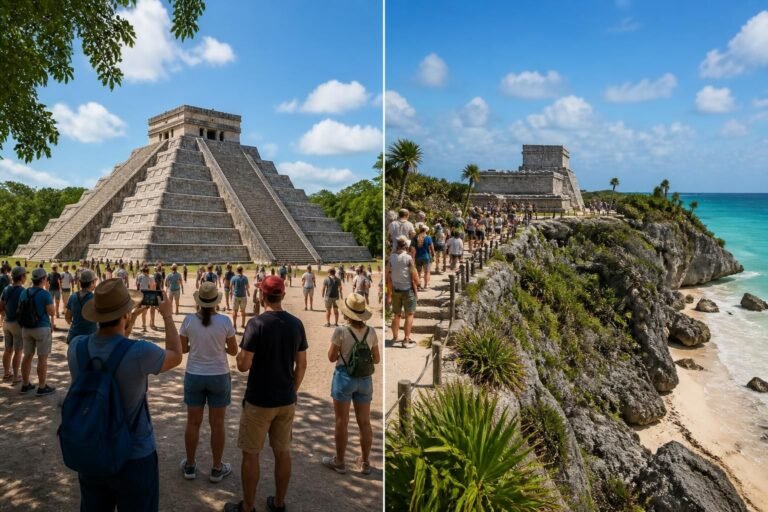
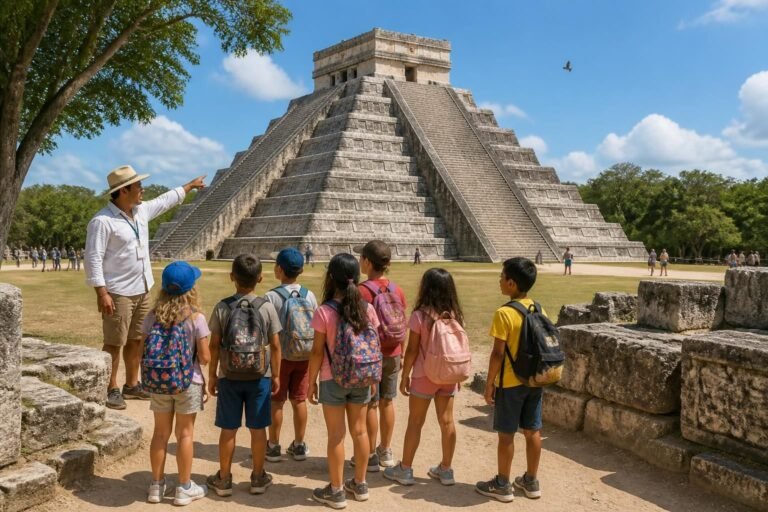
The archaeological site of Chichen Itza, nestled deep in Mexico’s Yucatan Peninsula, captivates millions with its majestic pyramids and rich historical tapestry. Recognized as a UNESCO World Heritage Site since 1988, it stands as a monumental testament to the advanced ancient civilizations of the Maya and Toltec cultures. Over centuries, this site has evolved from a bustling political, religious, and economic center to one of the most visited and revered tourist attractions in the Americas. The echoes of its past reverberate through its stone structures, revealing intricate stories of artistry, mythology, and resilience.
Today, visitors from across the globe are drawn not only by the imposing pyramid known as El Castillo but also by the tapestry of cultural heritage visible in every corner of Chichen Itza. The site offers a unique window into an ancient civilization that flourished from the 6th century CE through the arrival of European colonizers. Moreover, it remains a living classroom for archaeologists and historians who continue to uncover new secrets, reshaping our understanding of Mayan ingenuity and cosmology. For travelers seeking a journey beyond ordinary sightseeing, exploring Chichen Itza means stepping into a vibrant saga of human achievement and sacred tradition.
In Brief – Key Highlights of Chichen Itza’s Historical and Cultural Significance:
- Designated as a UNESCO World Heritage Site in 1988 for its outstanding cultural value.
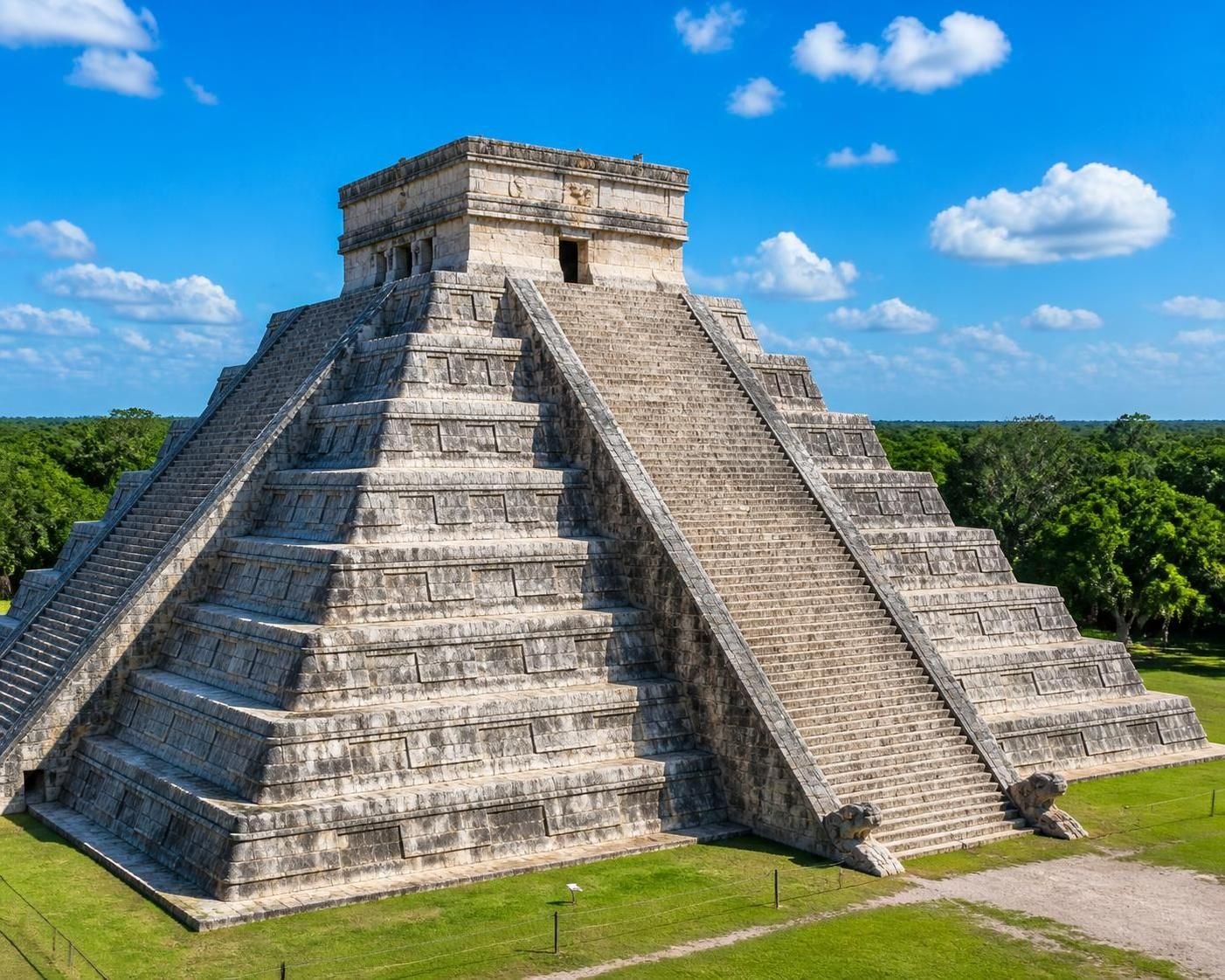
- Home to El Castillo, a pyramid dedicated to the feathered serpent deity Kukulkan, emblematic of Mayan architectural sophistication.
- Chichen Itza’s structures blend Maya and Toltec influences, reflecting a complex historical narrative.
- Approximately 2 million visitors annually, making it one of Mexico’s foremost archaeological tourist attractions.
- The site offers diverse experiences, including exploring the Great Ball Court, the Temple of the Warriors, and sacred cenotes.
- Continuous archaeological efforts reveal new findings, such as a hidden smaller pyramid within El Castillo uncovered through cutting-edge imaging technology.
- A comprehensive travel resource for independent visitors is available to enhance cultural understanding and touring convenience.
The Architectural Marvels of Chichen Itza and Their UNESCO World Heritage Status
The designation of Chichen Itza as a UNESCO World Heritage Site underscores the exceptional value of this ancient city’s architectural complexity and cultural preservation. Sprawled over an area of nearly four square miles, it presents an ensemble of constructions emblematic of late Classic to early Postclassic Mayan culture, enriched by Toltec influences. The arrangements and symbolism ingrained in each monument provide invaluable insight into Mayan cosmology, religious rites, and socio-political structuring.
El Castillo (Temple of Kukulkan) dominates the landscape with its near 100-foot height. Its design ingeniously encodes astronomical knowledge: each of the four stairways has 91 steps, which along with the platform’s top step total 365 steps, corresponding to the days of the solar year. Twice a year, during equinoxes, the afternoon sun casts shadows that resemble a serpent undulating down the pyramid’s side, symbolizing Kukulkan descending to earth. This phenomenon enthralls visitors and archaeologists alike.
Adjacent to El Castillo lies the Great Ball Court, the largest of its kind in Mesoamerica. It extends approximately 545 feet and was the stage for ritual ballgames that mixed sport, politics, and spirituality. Carvings around the court narrate stories of victory, sacrifice, and divine favor, reflecting the cultural depth woven into the city’s fabric.
Other noteworthy structures include the Temple of the Warriors and the Group of a Thousand Columns, which likely supported large roofs for public gatherings, indicative of social organization on a grand scale. The diversity of building styles at Chichen Itza reveals an architectural evolution marked by intercultural connection and innovation.
Preservation efforts by Mexican authorities since the mid-19th century have protected these invaluable monuments. Through restoration and archaeological research, they continue to safeguard the tangible and intangible legacies preserved in this archaeological site, ensuring that the stories of ancient civilization remain accessible for future generations.
The Historical Significance of Chichen Itza in the Yucatan Peninsula
Chichen Itza served as a crucial hub in the Yucatan Peninsula from its founding in the 6th century CE until roughly the mid-1200s. The city’s historical journey reflects the rise and decline of a major Maya civilization center and its eventual transformation following Toltec migrations from central Mexico. This blend of traditions manifests in architectural styles, religious iconography, and urban layouts that denote shifts in political dynamics and cultural influence.
While often simplified as a singular Mayan city, Chichen Itza was a melting pot of various peoples and ideas, which enhances its historical richness. Midway through the 13th century, the prominence of Chichen Itza diminished as political activity migrated towards Mayapan, a nearby city designed with its own unique strategic and cultural elements. This transition arguably reflects broader regional changes impacting trade, governance, and social organization.
Historical records and recent archaeological investigations suggest that, although the city’s influence waned, it remained inhabited when Spanish explorers arrived in the early 16th century. Upon their arrival in 1526, conquistadors found a community that still engaged with their ancestral sites, albeit in a diminished capacity. The Spanish eventually repurposed the site as a cattle ranch headquarters, marking a profound shift in land use yet inadvertently preserving many structures for posterity.
Understanding Chichen Itza’s historical narrative enriches the visitor’s perspective, providing context for the site’s cultural legacy and the enduring spirit of the ancient peoples who inhabited the Yucatan Peninsula. Delving into this history is essential for appreciating why Chichen Itza remains among Mexico’s most compelling archaeological sites and a symbol of indigenous resilience and complexity.
Key Historical Milestones of Chichen Itza
| Era | Important Development | Significance |
|---|---|---|
| 6th Century CE | Foundation of Chichen Itza | Initial establishment by Maya peoples in the Yucatan Peninsula |
| 10th Century CE | Arrival of Toltec influences | Architecture and culture blend, creating a unique Maya-Toltec identity |
| Mid-1200s | Political shift to Mayapan | Decline in Chichen Itza’s regional prominence |
| 1526 | Spanish Conquest | Site repurposed, marking end of indigenous dominance |
| 19th Century | Rediscovery and restoration | Preservation efforts elevate Chichen Itza as an archaeological icon |
Cultural Heritage and Mayan Ruins: Chichen Itza’s Role in Ancient Civilization
The cultural heritage embodied in Chichen Itza is a vivid illustration of ancient Maya society’s intricate worldview, religious cosmology, and social structure. The city’s alignment and iconography reveal precise astronomical knowledge that informed agricultural cycles and ceremonial life. These Mayan ruins unveil the profound relationship between the people and their environment, underscoring their sophisticated understanding of time, nature, and divine order.
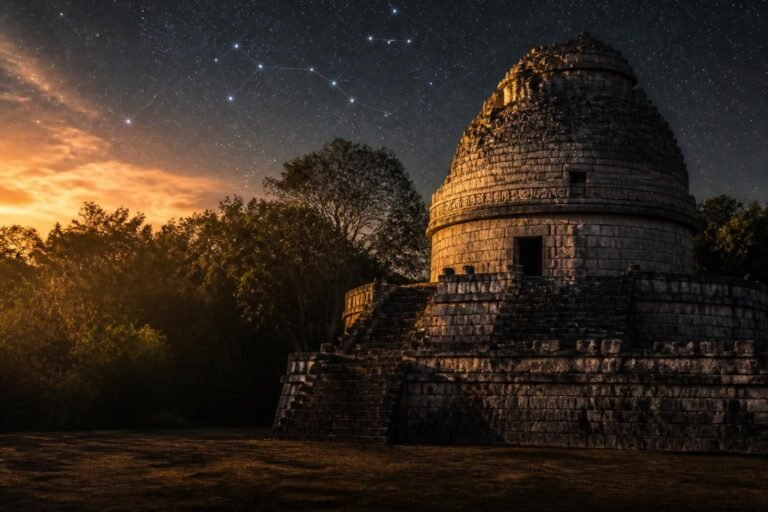
The coexistence of Mayan and Toltec traditions at Chichen Itza offers a unique example of cultural fusion rarely seen elsewhere. For instance, the Caracol Observatory—though lesser-known compared to El Castillo—exemplifies the ancient city’s pioneering astronomical practices. Exploring these features unlocks mysteries of how the Maya used stargazing to predict celestial events.
Religious practices permeated the city’s layout, with temples dedicated to deities like Kukulkan and elaborate ball courts for ritual events that were believed to influence cosmic balance and community prosperity. Visitors can gain deeper insights by exploring detailed carvings, sculptures, and the nearby Sacred Cenote, a natural sinkhole used for ceremonial offerings and sacrifice.
Chichen Itza today stands as a cultural beacon, continuing to educate and inspire those fascinated by ancient civilizations. By visiting this archaeological site, travelers immerse themselves in a world where art, faith, and science seamlessly intertwined to shape one of history’s most formidable societies.
Modern Tourism and Visitor Experience at Chichen Itza
With about 2 million tourists visiting annually, Chichen Itza is not only a historical marvel but also a thriving tourist attraction that offers enriching cultural experiences within the Yucatan Peninsula. Planning a visit benefits from understanding the best times to explore and how to navigate the site effectively, enhancing appreciation of its full historical significance.
Tourists generally prefer visiting Chichen Itza in the early morning or late afternoon to avoid midday heat and crowds. This timing also improves chances of witnessing the captivating equinox serpent shadow at El Castillo. Independent travelers can successfully explore the ruins by following detailed guides like the independent visit guide for 2026, ensuring a personalized and informative journey free from large tour group constraints.
Accommodations near the site range from comfortable hotels in the nearby town of Piste to eco-friendly lodges on the outskirts of the jungle, catering to diverse traveler preferences. Many visitors combine their Chichen Itza experience with explorations of other nearby cultural landmarks, such as Cenote Ik Kil or the colonial city of Valladolid, creating a comprehensive cultural itinerary.
For those interested in deeper interpretation, services such as audio guides or expert-led tours provide immersive historical contexts. Additionally, there are newly enforced rules on pyramid climbing, ensuring preservation of the ancient monuments while allowing meaningful engagement with the site’s architectural marvels. Travelers eager to understand these regulations can find current advice in resources like the 2026 pyramid climbing rules guide.
Preservation Challenges and the Ongoing Archaeological Discoveries at Chichen Itza
Despite its global prominence, Chichen Itza faces ongoing preservation challenges that are increasingly complex due to the high volume of visitors and environmental factors. The delicate nature of the stone structures demands continuous conservation efforts to prevent degradation caused by weathering, biological growth, and human interaction.
The Mexican government, collaborating with international experts, has implemented restrictive measures to safeguard this UNESCO World Heritage site. These include regulating access to sensitive areas, enforcing sustainable tourism practices, and investing in research using modern technologies like LiDAR and ground-penetrating radar.
Continuous archaeological work has produced remarkable discoveries in recent years. In 2016, experts revealed a smaller hidden pyramid within El Castillo using advanced imaging, providing fresh insights into religious ceremonies and architectural phases previously unknown. These findings underline Chichen Itza’s status as a living archaeological site, where the secrets of an ancient civilization continue to unfold.
Such ongoing research supports not only preservation but also enriches cultural tourism by offering new narratives that deepen visitors’ connection to Mayan heritage. This dynamic interplay between conservation and discovery exemplifies how ancient sites like Chichen Itza remain central to understanding human history and maintaining cultural identity for future generations.
- Strict visitor protocols to balance access and preservation
- Advanced technology applied for non-invasive archaeological exploration
- International collaboration for funding and expertise in restoration
- Educational programs promoting local and global awareness of Mayan culture
When is the best time to visit Chichen Itza to experience the equinox shadow on El Castillo?
The equinox serpent shadow can be observed in the early mornings and late afternoons around March 20th and September 22nd, when the sun casts unique shadows resembling a serpent descending the pyramid’s staircase.
Are visitors allowed to climb the pyramids at Chichen Itza in 2026?
Pyramid climbing is currently regulated with strict rules to protect the structures. While some pyramids may still be accessible, it’s important to check the latest guidelines, as climbing restrictions vary to ensure preservation.
What is the significance of the Sacred Cenote at Chichen Itza?
The Sacred Cenote was used by the ancient Maya for ceremonial offerings and rituals, including sacrifices to the gods, particularly to appease rain and agricultural deities. It remains a site of profound cultural heritage.
How can independent visitors best explore Chichen Itza?
Independent travelers can enhance their visit by consulting detailed guides that provide historical context, maps, and recommended itineraries, such as the independent visit guide for 2026, allowing a personalized experience without relying on large tours.
What ongoing discoveries have been made at Chichen Itza in recent years?
Recent discoveries include a hidden smaller pyramid within El Castillo identified using modern imaging technology, which has enriched understanding of the site’s religious and architectural evolution.