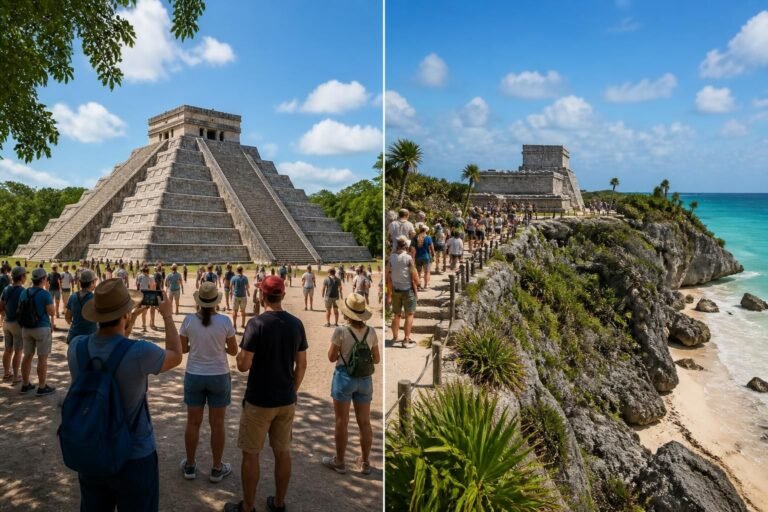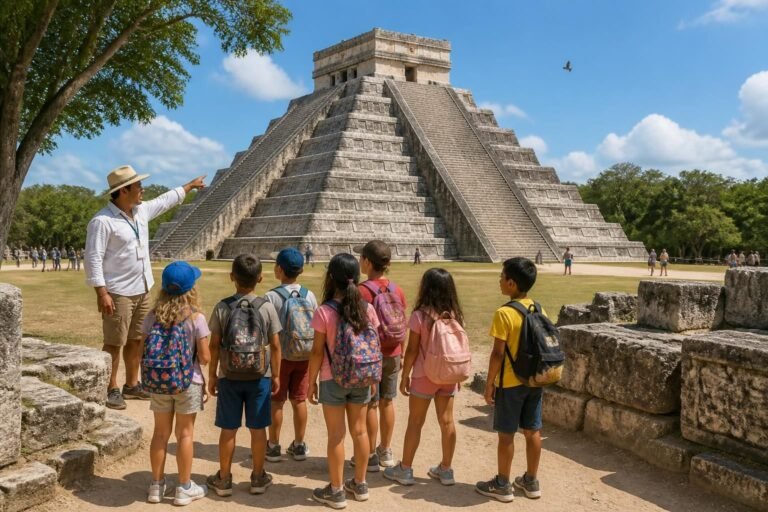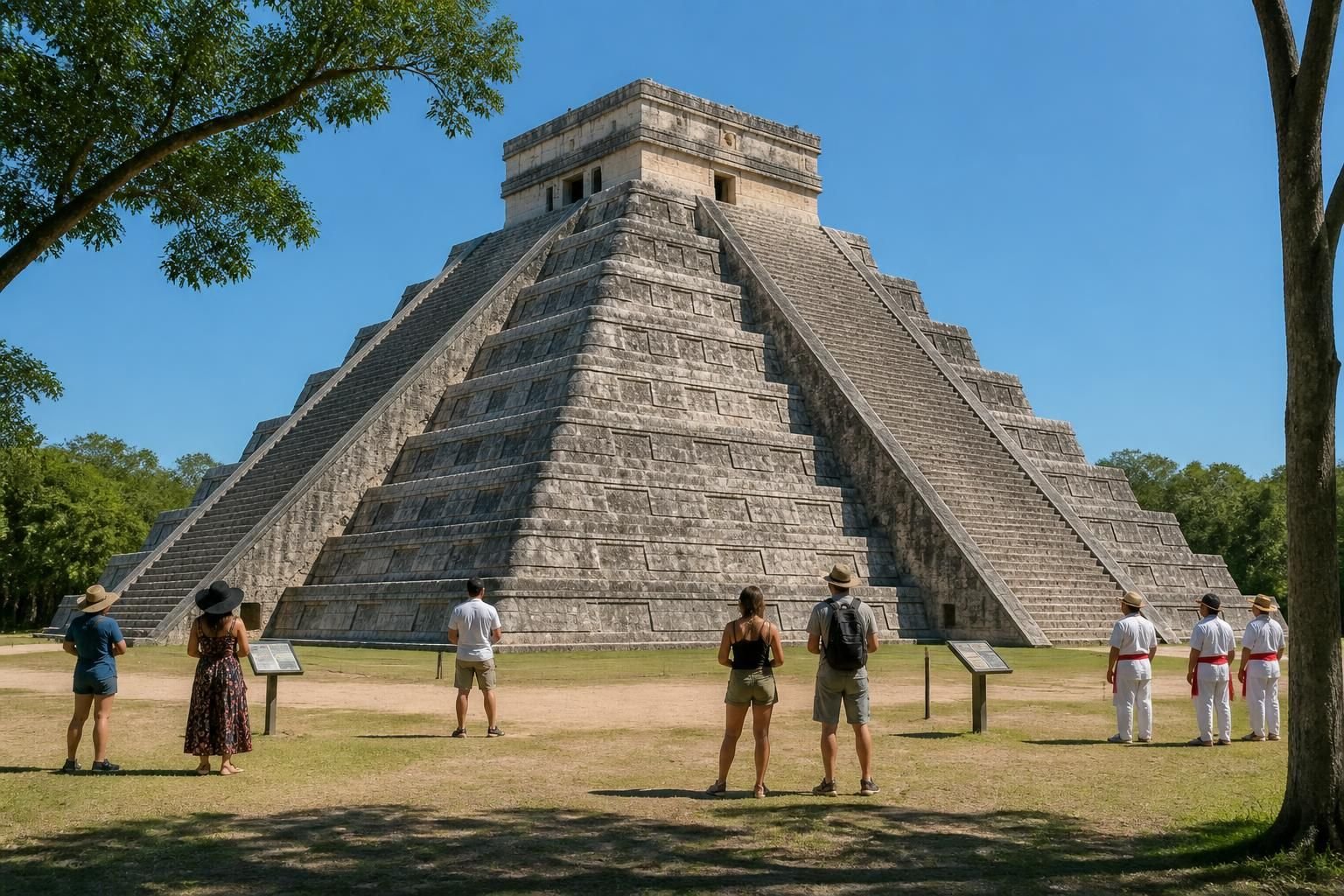

The Chichen Itza archaeological site stands as a paramount symbol of Mayan civilization’s grandeur, drawing millions of visitors annually to Mexico’s Yucatán Peninsula. Among its treasures, the Kukulkán Pyramid, also known as El Castillo, is the most iconic. However, as preservation efforts intensify, visitor regulations around pyramid climbing have become increasingly strict. Since 2008, climbing the pyramid has been forbidden, but recent incidents involving tourists attempting illegal ascents have led to the introduction of even more rigorous rules in 2026. These measures ensure the protection of this cultural heritage landmark while prioritizing visitor safety. Understanding the updated pyramid climbing regulations and visitor restrictions at Chichen Itza is crucial for anyone planning to explore this archaeological wonder responsibly in 2026.
Key points about Chichen Itza pyramid climbing rules in 2026:
- Climbing El Castillo remains strictly prohibited, with significant fines and potential legal penalties for violations.
- A minimum viewing distance of 15 meters (50 feet) from the base of the pyramid is now enforced to reduce physical contact.
- Increased surveillance and marked boundaries serve to preserve the monument’s structural integrity and cultural value.
- Incidents of illegal climbing during equinox celebrations have heightened enforcement measures.
- Visitors are encouraged to respect these regulations to protect this UNESCO World Heritage Site for future generations.
Updated Climbing Regulations at Chichen Itza: Preserving a Mayan Pyramid for 2026 and Beyond
The heritage authorities governing Chichen Itza have implemented crucial new regulations focused on visitor safety and site preservation. The most impactful change in 2026 is the enforcement of a strict no-climbing policy on the Pyramid of Kukulkán, a rule originally introduced in 2008 but now reinforced by clearly marked boundaries that maintain a viewing distance of at least 15 meters. This “buffer zone” limits direct contact with the pyramid, protecting its ancient stone steps from further wear caused by millions of footsteps over the years.
The National Institute of Anthropology and History (INAH) oversees these regulations, emphasizing that climbing the pyramid causes irreversible damage due to erosion, humidity, and structural stress. The steps of El Castillo are not only fragile but hold significant cultural and historical symbolism. Their degradation would diminish the pyramid’s integrity and disrupt the cultural heritage it embodies. Increased visitor numbers have necessitated these additional safeguards, which also respond to recent transgressions by tourists disregarding the climbing ban.
The physical markings around the pyramid, alongside enhanced surveillance and security patrols, underscore the site’s sensitive status. Visitors now experience a more controlled environment that allows appreciation of the monument from a respectful distance. This precaution aligns with international conservation standards found in other prominent archaeological sites worldwide, ensuring this ancient Mayan marvel stands strong for centuries to come.
Ultimately, these climbing rules highlight the delicate balance between making cultural heritage sites accessible to tourists and conserving their authenticity. For travelers, understanding and adhering to these updated regulations is essential to good stewardship of the site.
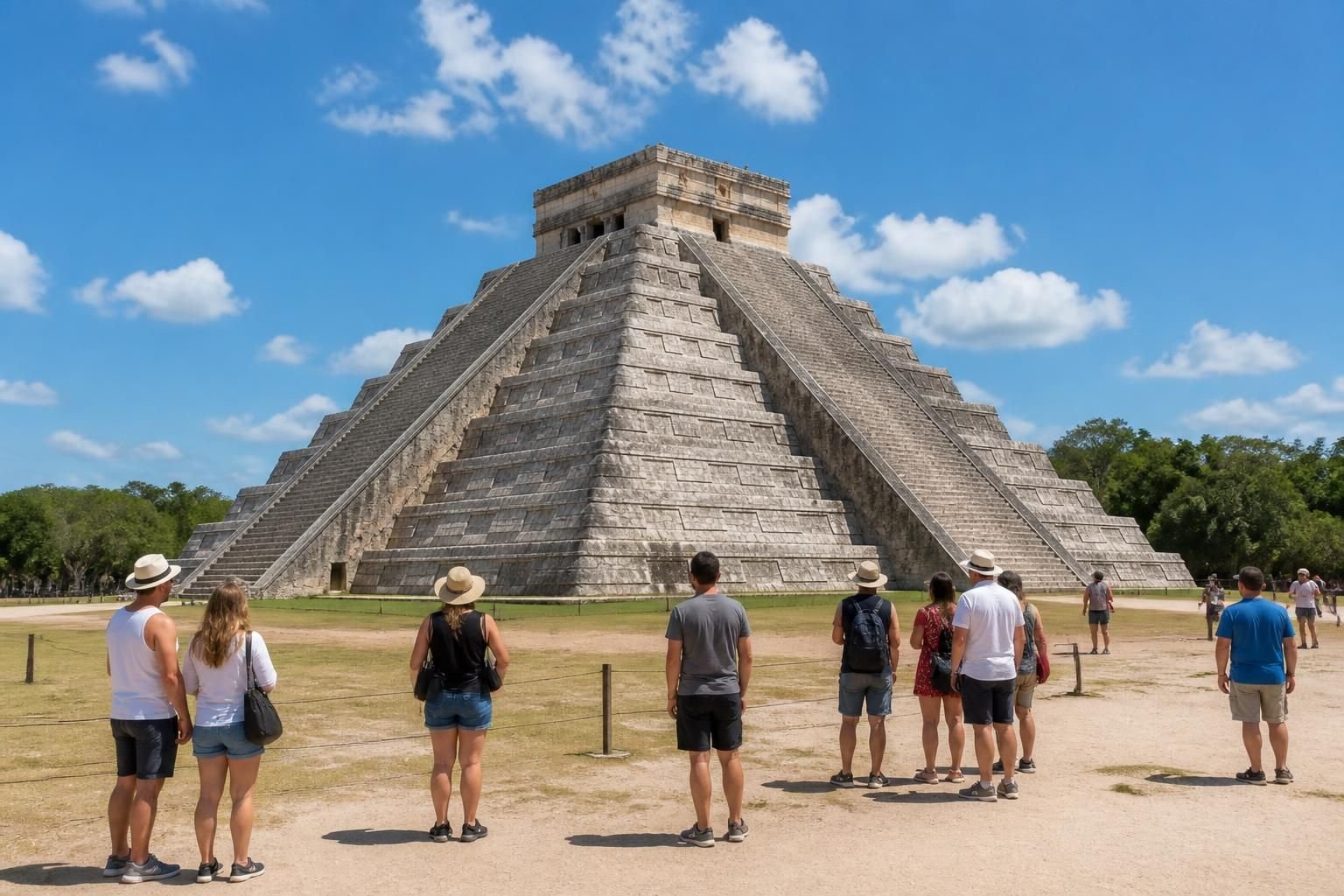
Why Climbing Is Prohibited: Cultural Heritage and Safety Measures Explained
El Castillo represents an architectural and astronomical wonder, illustrating the Mayan civilization’s genius. However, its preservation requires avoiding physical stress from climbing, which accelerates deterioration. The pyramid contains exactly 365 steps—one for each day of the solar year—along with intricate carvings that reveal scientific and religious symbolism. Preserving this heritage demands respecting the no-climbing rule.
Ongoing erosion threatens the stonework, exacerbated by visitors’ footsteps, which cause small cracks and dislodging of stones. These effects accumulate over time, endangering the monument’s stability. Moreover, humidity and weathering contribute further to its fragility. Protection through visitor regulations is indispensable for maintaining the structural integrity of the pyramid.
From a safety standpoint, climbing the pyramid poses risks due to its steep and narrow steps. Unauthorized climbing has resulted in injuries and near-accidents. Past incidents during the spring equinox—a peak visitation time when thousands have flocked to view the serpent shadow phenomenon—revealed how crowded conditions combined with climbing attempts could create dangerous situations.
These concerns led INAH to implement increased fines for offenders, sometimes reaching as high as 278,800 Mexican pesos (roughly US$16,000), alongside potential detention. The social response from local communities has been notably protective of the site; during some incidents, visitors who tried to climb were met with vocal disapproval or even physical intervention by other tourists and staff. This community vigilance reinforces the importance of the climbing ban.
Such stringent measures and public enforcement efforts demonstrate deep respect for Chichen Itza’s cultural heritage and illustrate how visitor guidelines serve a dual role in conservation and safety.
Experience Chichen Itza Within Visitor Restrictions: Alternatives to Climbing
Despite the restrictions, Chichen Itza continues to offer a rich and profound experience for modern travelers. Visitors can explore a multitude of other fascinating structures within the archaeological site, such as the Great Ball Court—the largest in Mesoamerica—and the Temple of the Warriors, which are accessible and equally impressive. The observatory known as El Caracol offers additional insight into Mayan astronomical advancements.
Guided tours now place greater emphasis on viewing El Castillo from the designated distances, promoting explanations of its significance through expert commentary. Visitors can observe the famous equinox light-and-shadow phenomenon from the perimeter, capturing photographs without risking legal consequences or damage to the pyramid. Walking among the ruins also enables a comprehensive understanding of Mayan architectural styles and social practices.
For tourists looking for panoramic views, nearby cenote areas and local villages provide excellent vantage points and cultural immersion without compromising site preservation. These settings complement the Chichen Itza visit with ecological and historical context.
Travelers planning their visit from popular nearby hubs such as Playa del Carmen or Cancun can find detailed guides on travel logistics and tour costs, enhancing convenience and preparedness. For instance, useful information on the distance from Playa del Carmen to Chichen Itza helps visitors coordinate timing efficiently, while insights on the tour costs allow budget planning for the 2026 season.
- Respect the 15-meter minimum viewing distance around El Castillo.
- Participate in guided tours to gain deeper knowledge of the site.
- Explore other nearby ruins and natural landmarks as alternatives to climbing.
- Visit during weekdays or outside peak equinox periods for a less crowded experience.
- Follow all INAH regulations to avoid fines and support preservation efforts.
Enforcement and Legal Consequences for Climbing Violations at Chichen Itza
Chichen Itza’s significance as a UNESCO World Heritage Site obliges Mexico’s authorities to enforce conservation laws emphatically. The imposition of heavy fines and potential legal detention reflects the seriousness of climbing violations and underscores the responsibility of visitors. In 2025, for example, one German tourist who scaled the pyramid during the spring equinox celebrations faced a fine of 5,000 pesos and 12 hours of detention, illustrating the firm response to breaches.
The legal framework stems from the Federal Law on Monuments and Archaeological Zones, which seeks to protect and manage Mexico’s archaeological treasures. The range of fines is scaled according to the damage severity and circumstances, with penalties starting around 55,760 Mexican pesos and climbing up to nearly 278,800 pesos for severe offenses.
Authorities rely on surveillance systems and onsite personnel to detect breaches promptly. Additionally, boundary markers clearly outline no-go zones, assisting visitors in adhering to tourist guidelines and regulations. Increased educational signage explaining the importance of these rules helps foster greater public understanding and compliance. Local community members and guides also actively support these measures by monitoring visitor behavior.
| Infraction Type | Fines (MXN) | Possible Additional Penalties | Enforcement Authority |
|---|---|---|---|
| Climbing El Castillo without permission | 55,760 – 278,800 | Detention, Possible Court Appearance | INAH and Local Police |
| Attempted climbing during public events (e.g., Equinox) | 5,000 – 50,000 | Detention, Community Sanctions | INAH Security and National Guard |
| Causing damage to the pyramid structure | Varies based on damage | Hefty fines, Legal Charges | Federal Courts |
These enforceability efforts reflect the commitment to preserving Chichen Itza’s ancient marvels and ensuring the safety and respect of all visitors.
How to Respect Chichen Itza’s Visitor Restrictions While Enjoying the Site
Visitors can still enjoy a deeply enriching visit to Chichen Itza by embracing the site’s visitor restrictions as opportunities to enhance their appreciation rather than obstacles. Preparation is key; travelers are advised to plan tours early in the day when lighting and crowds are optimal. Comfortable clothing and sun protection improve the experience, as most exploration involves walking outdoor paths.
Photography is popular, but snapping photos must be done without breaching restricted zones. The site’s layout allows for spectacular shots of El Castillo from various viewing points. Those interested in Mayan culture can engage with knowledgeable guides who offer in-depth insights into the pyramid’s mysteries and the larger cultural context.
Moreover, responsible tourism involves understanding the cultural sensitivity of the area. Chichen Itza is not solely a tourist attraction but a sacred site imbued with centuries of history. Following rules around climbing and respectful conduct honors the legacy of the Maya and maintains this heritage for future generations. Visitors seeking alternative experiences might also explore nearby archaeological sites such as Uxmal, choosing between tours based on personal interests in Mayan history and architecture.
Those who want detailed tips for trips can consult comprehensive travel guides like discover Chichen Itza as one of the seven wonders of the world, which cover everything from travel logistics to cultural background.
Is climbing the Kukulkán Pyramid allowed in 2026?
No, climbing the pyramid is strictly forbidden since 2008 and remains illegal in 2026, with severe fines and penalties for violators.
What is the minimum distance required to view El Castillo?
Visitors must stay at least 15 meters (50 feet) away from the pyramid base as part of the new preservation regulations.
Are there any alternatives to climbing for better views?
Yes, visitors can enjoy other parts of the archaeological site, nearby cenotes, and guided tours that provide detailed insights without climbing.
What fines apply for climbing violations?
Fines can range from 5,000 to over 278,000 Mexican pesos depending on the severity of the infraction and damage caused.
How can I best plan a respectful visit to Chichen Itza?
Book guided tours, follow all site regulations, visit during less crowded times, and educate yourself about the cultural significance of the site.