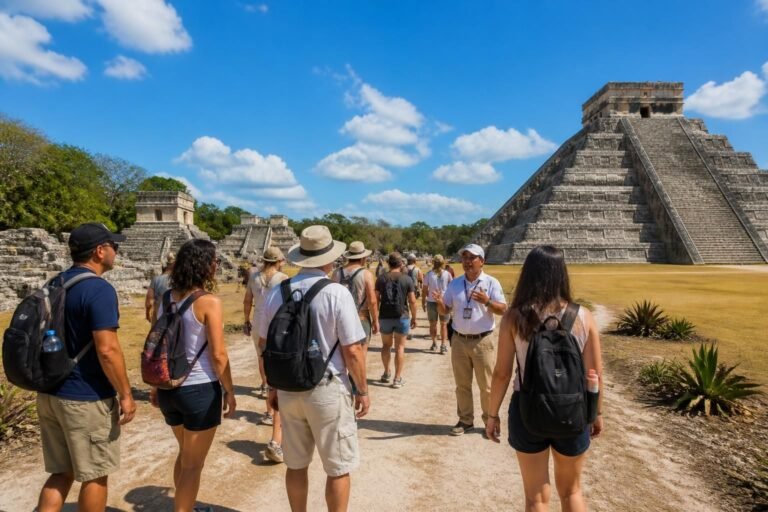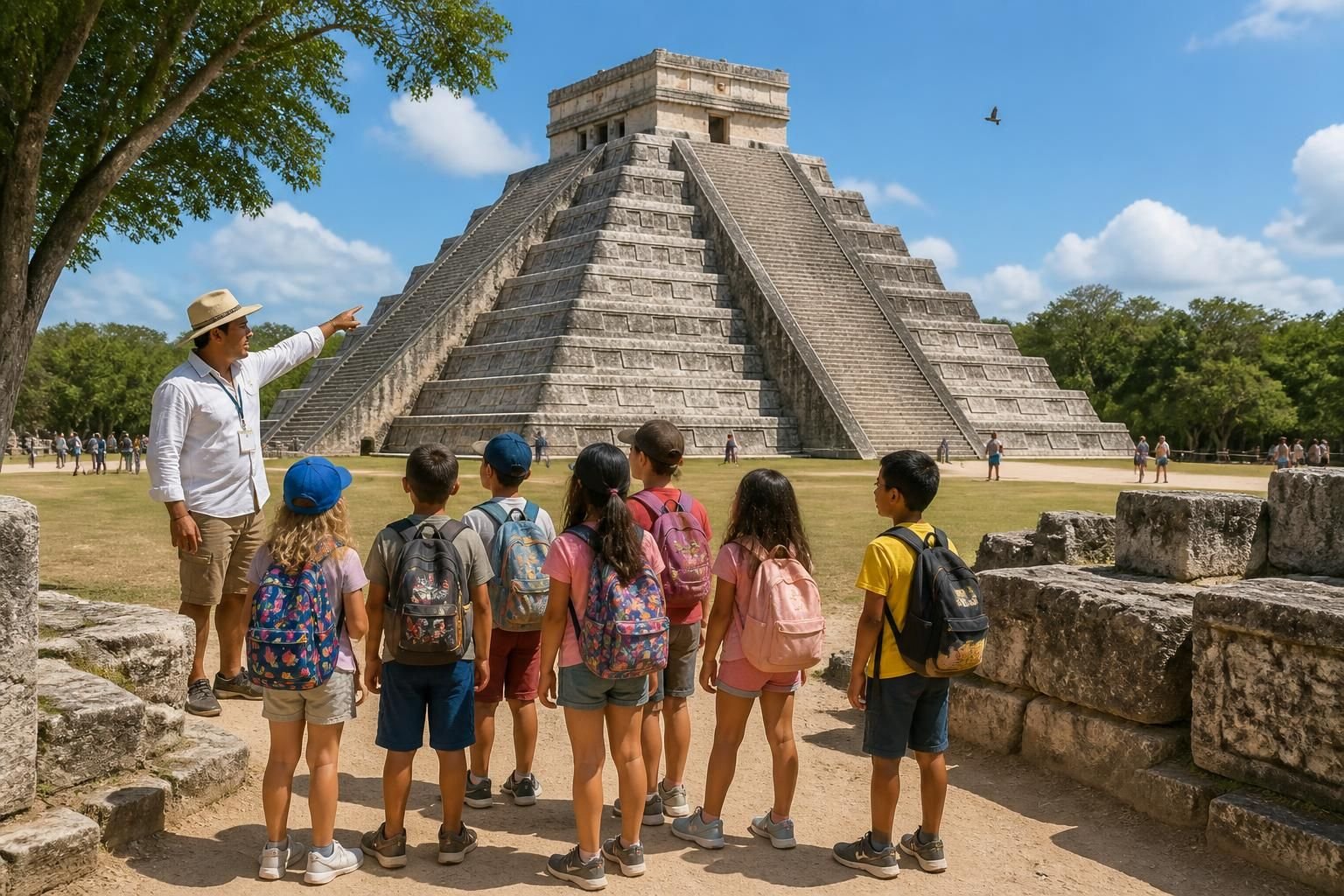

Chichen Itza, a majestic archaeological site nestled on the Yucatan Peninsula in Mexico, stands as a testament to the ingenuity and rich culture of an ancient civilization. This UNESCO World Heritage Site draws visitors of all ages each year, including families with children who are curious to uncover its many captivating secrets. Known primarily for the iconic Pyramid of Kukulcan, Chichen Itza offers young learners an exciting glimpse into the world of the Maya people, weaving together history, astronomy, architecture, and spirituality into one fascinating location.
Exploring Chichen Itza reveals stories that span centuries, encompassing intricate stone carvings, mysterious cenotes, and sophisticated astronomical knowledge that challenges modern understanding. The site is not simply a collection of ruins but a vibrant relic of a vibrant civilization that once flourished in this tropical region. As more families embrace educational travel, discovering the wonders of Chichen Itza stimulates young minds and nurtures respect for heritage through interactive learning and memorable experiences.
- Chichen Itza showcases the brilliance of ancient Maya architecture and engineering.
- The Temple of Kukulcan incorporates astronomical principles that highlight the Maya’s observational skills.
- The site features natural wonders such as sacred cenotes, which played a crucial role in Maya religious practices.
- The Mayan Calendar is linked to the site, revealing the civilization’s complex understanding of time and cosmology.
- Chichen Itza stands as a key historic landmark that connects present-day explorers with deep cultural roots.
Discovering the Architectural Marvels of Chichen Itza: Pyramids and Temples for Young Explorers
One of the most thrilling aspects of Chichen Itza for kids is the impressive array of structures built by the Maya, which include pyramids, temples, and ball courts. Foremost among these is the Pyramid of Kukulcan, also known as El Castillo. This stepped pyramid, towering majestically over the site, was constructed without modern tools but with astounding precision. Its design reflects not only advanced architectural skills but also embodies profound astronomical understanding.
El Castillo incorporates 365 steps on its four sides combined, aligning perfectly with the days of the solar year. Twice a year, during the spring and autumn equinoxes, a shadow resembling a serpent appears to crawl down the pyramid’s staircases — a phenomenon that astonishes visitors and speaks volumes about Maya astronomy. This architectural feature connects the pyramid to the serpent deity Kukulcan, highlighting the cultural significance of the site’s construction.
Beyond El Castillo, young visitors can explore other fascinating structures such as the Temple of the Warriors, which is adorned with carved columns representing soldiers, and the Great Ball Court where ceremonial games took place. These buildings highlight the importance of public gatherings and rituals in Maya society. Archaeologists continue to uncover details about the craftsmanship and purpose behind each structure, feeding curiosity about how ancient civilizations lived and thrived.
The site, protected as a historic landmark, offers an educational journey where children can appreciate the intersection of culture, spirituality, and practical design. For families planning a visit, preparing children with fun facts about the pyramid’s surprises enhances their experience and deepens appreciation for Maya ingenuity.
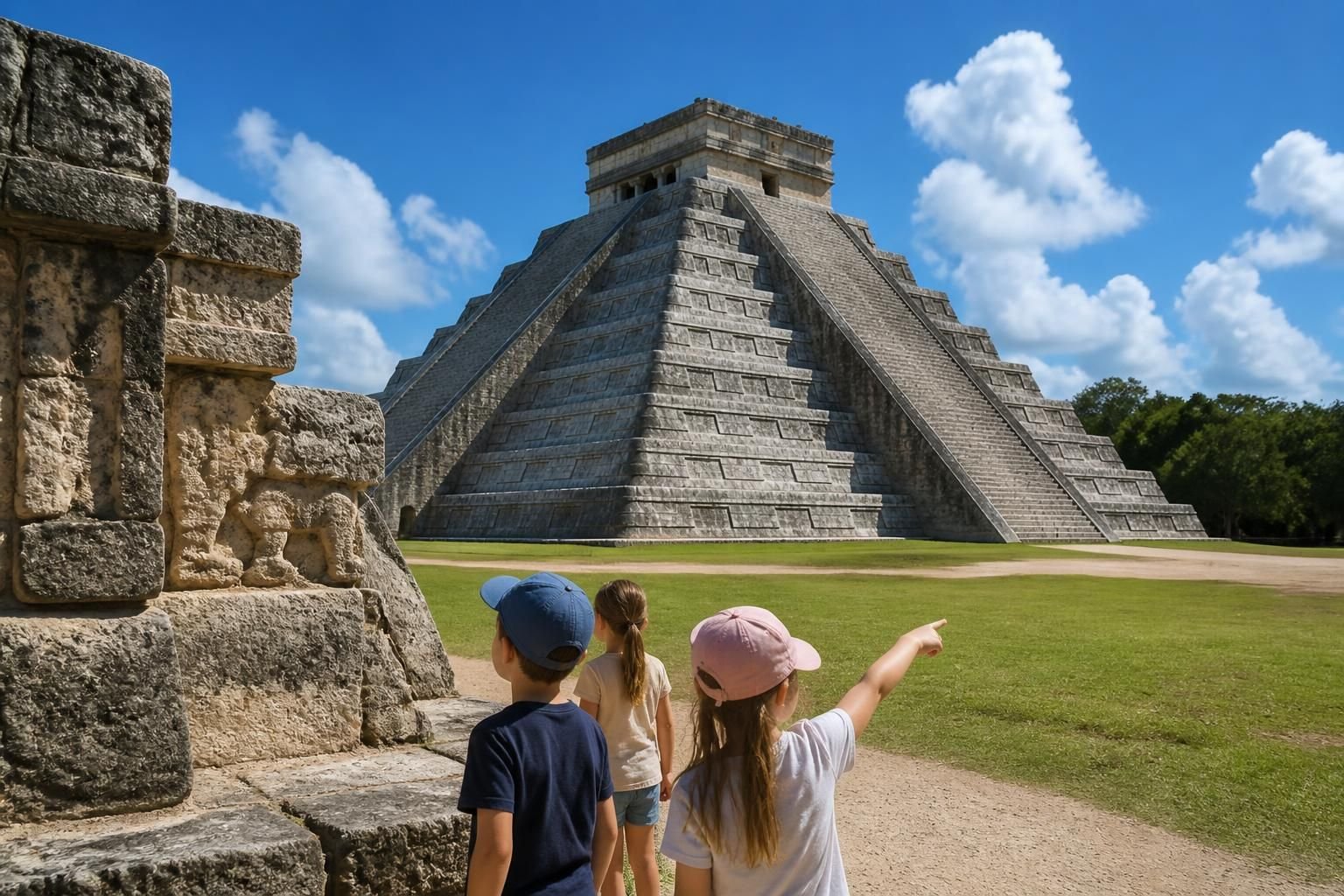
Exploring Maya Astronomy and the Mysteries of the Mayan Calendar
Chichen Itza is not only famous for its grand monuments but also for its extraordinary connection to astronomy. The Maya civilization was a pioneer in observing the stars and understanding celestial movements, tools crucial to their agriculture, religion, and daily life. One of the most intriguing aspects of Chichen Itza involves how the buildings themselves served as astronomical observatories.
The Caracol Observatory, an ancient round structure, was designed for tracking stars and planets. Its unique shape and strategically placed windows allowed Maya astronomers to monitor the sky’s movements throughout the year. This observatory helped in creating the accurate Mayan Calendar, a sophisticated system far more precise than the calendars used in other parts of the world during the same period.
The Mayan Calendar consists of cycles such as the Tzolk’in and Haab’, interlocking to measure time in intricate ways. This calendar guided farming seasons, religious ceremonies, and even predictions connected to celestial events. Teaching children about these calendars introduces them to a cultural perspective where time was intertwined with nature and spirituality.
Chichen Itza’s architectural alignments also reflect these celestial observations. For instance, the Pyramid of Kukulcan’s equinox shadows are a direct representation of the Maya’s deep connection to the sun’s path. Such links between archaeology and astronomy continue to fascinate scientists and tourists alike, providing a rich learning environment for young explorers.
Understanding the Cultural Significance of Sacred Cenotes at Chichen Itza
The term Chichen Itza translates roughly to “At the mouth of the Itza’s well,” pointing to the significance of natural wells, or cenotes, in Maya culture. These deep natural sinkholes served as vital water sources in the dry Yucatan Peninsula but were also considered sacred portals to the underworld.
The Sacred Cenote on the site is perhaps the best known. It was used for religious ceremonies, including offerings and sacrifices made to the rain god Chaac. Archaeological explorations have revealed numerous artifacts and human remains at the cenote’s bottom, indicating its importance in Maya spiritual practices. Such discoveries help decode the complex relationship between environment, belief, and ritual in the ancient civilization.
For children, learning about the cenotes is an opportunity to connect nature with history. They demonstrate how the Maya managed natural resources and integrated them into their worldview. Besides their spiritual use, cenotes were vital in sustaining the city’s population, showcasing the ingenuity of the Maya in adapting to their environment.
Visitors today can safely view these cenotes and appreciate their role in the site’s past, deepening their understanding of how ancient communities thrived in challenging landscapes. For families on self-guided trips, guiding children through these areas with stories of ancient traditions makes the experience vivid and memorable.
Guided Visits and Independent Exploration Tips for Families Visiting Chichen Itza
Planning a trip to Chichen Itza in 2026 offers various options for families eager to explore the ruins either independently or with guided tours. Choosing between these can enhance the educational value and enjoyment for children depending on their curiosity and attention span.
Guided tours provide rich storytelling and detailed explanations of the site’s historical and cultural context. Many audio guides are available to create an immersive experience that brings the Maya civilization to life. These tours often highlight lesser-known facts about places like the Temple of Warriors and the Great Ball Court, sparking interest beyond the iconic pyramid. Families benefit from organized itineraries that allow rest and meal breaks adapted to children’s needs.
For those who prefer independent exploration, accessible maps and brochures can be found online or at the entrance. Visitors can follow designated paths and engage children with scavenger hunts or quiz-style games about what they observe. Learning about the best practices for visiting independently helps families respect the historic landmark while maintaining an engaging pace.
Important practical tips include visiting during early morning or late afternoon to avoid crowds and extreme heat and wearing comfortable shoes. Nearby accommodations on the Yucatan Peninsula offer family-friendly amenities, making it easy to combine cultural visits with leisure. In all cases, safety and respect for the archaeological site remain paramount, especially with active young visitors eager to discover every corner of this ancient wonder.
| Visit Type | Benefits | Tips for Families |
|---|---|---|
| Guided Tour | In-depth historical context, professional insights | Use audio guides for interactive storytelling, book early to secure spots |
| Independent Exploration | Flexible schedule, personalized pace | Prepare a guidebook or map, plan scavenger hunts for kids |
Interactive Experiences: Learning Through Games and Stories at Chichen Itza
One of the most effective ways for children to absorb the rich history of Chichen Itza is through interactive experiences that combine learning with fun. Storytelling about Maya myths, such as tales of gods and cosmic battles, captivates children’s imaginations and connects facts with narrative.
Many visitor centers provide educational workshops and crafts for kids, where they can create replicas of Maya jewelry, draw images of the Temple of Kukulcan, or decode simple Mayan glyphs. These activities complement visits to the Mayan Ruins and temples by making abstract concepts tangible.
Ball games, once held in the Great Ball Court, can be introduced through role-playing exercises where kids learn about the ceremonial importance of the sport and the rules followed nearly a thousand years ago. These practical encounters enrich understanding of ancient customs and values.
For families planning their itinerary, integrating these hands-on opportunities deepens children’s engagement beyond passive sightseeing. This approach fosters a lifelong appreciation for archaeology and history and encourages critical thinking by linking the past to present-day discoveries.
| Activity | Description | Educational Benefit |
|---|---|---|
| Maya Myth Storytelling | Listen to legends of gods, serpents, and celestial events | Builds cultural understanding and imagination |
| Craft Workshops | Create traditional jewelry and glyph art | Enhances fine motor skills and historical knowledge |
| Ancient Ball Game Role-Play | Simulate the ceremonial games played in the Ball Court | Introduces social and religious aspects of the culture |
Parents and guardians can also consider guided audio tours as an enriching tool; one such resource offers a comprehensive audio guide for an immersive historical experience tailored to varying ages and knowledge levels, enhancing the educational visit further.