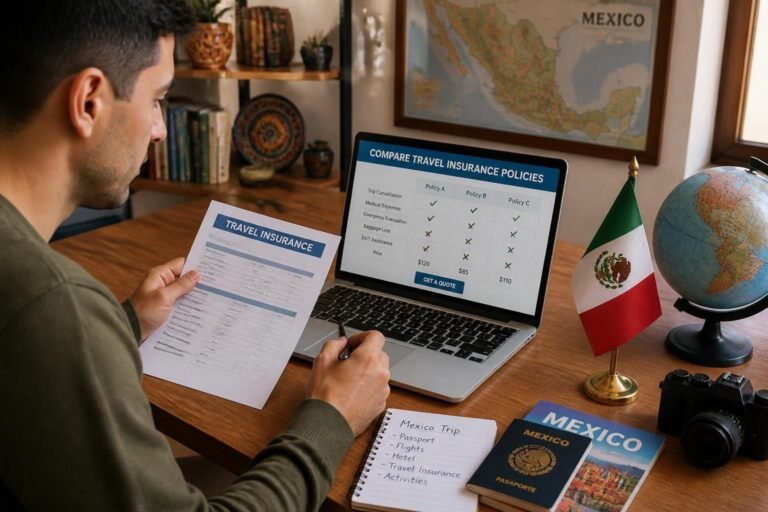
Understanding the nuances of tipping etiquette in Mexico is essential for tourists aiming to experience authentic hospitality while showing respect to service workers. Tipping, or “la propina,” forms an integral part of local customs across Mexico’s bustling cities and serene beach towns. This practice is not only a token of appreciation for personal attention and excellent service but often constitutes a vital portion of income for many workers. Navigating these expectations can feel complex, especially since tipping habits vary by region, venue, and service type. With tourism thriving in places such as Cancun, Playa del Carmen, and the historic ruins near Chichen Itza, informed visitors gain more confidence in interactions, ensuring mutually rewarding exchanges.
Travelers should appreciate that the tipping culture in Mexico blends historical practices with contemporary expectations influenced by international visitors. Unlike some countries where service charges are automatically included, in Mexico, a gratuity is usually separate and relies heavily on the discretion of the customer, guided by established norms. From bustling street food vendors to luxury hotel staff, the guidelines around tipping reveal much about local economic realities. For instance, many service personnel depend on tips to support their families, particularly amid ongoing economic challenges and rising costs post-pandemic. Delivering adequate gratuity ensures visitors participate respectfully in Mexico’s vibrant service economy and help sustain warm, genuine hospitality in the country’s diverse travel destinations.
Tipping Etiquette at Restaurants and Bars: Mastering Service Gratuity Norms in Mexico
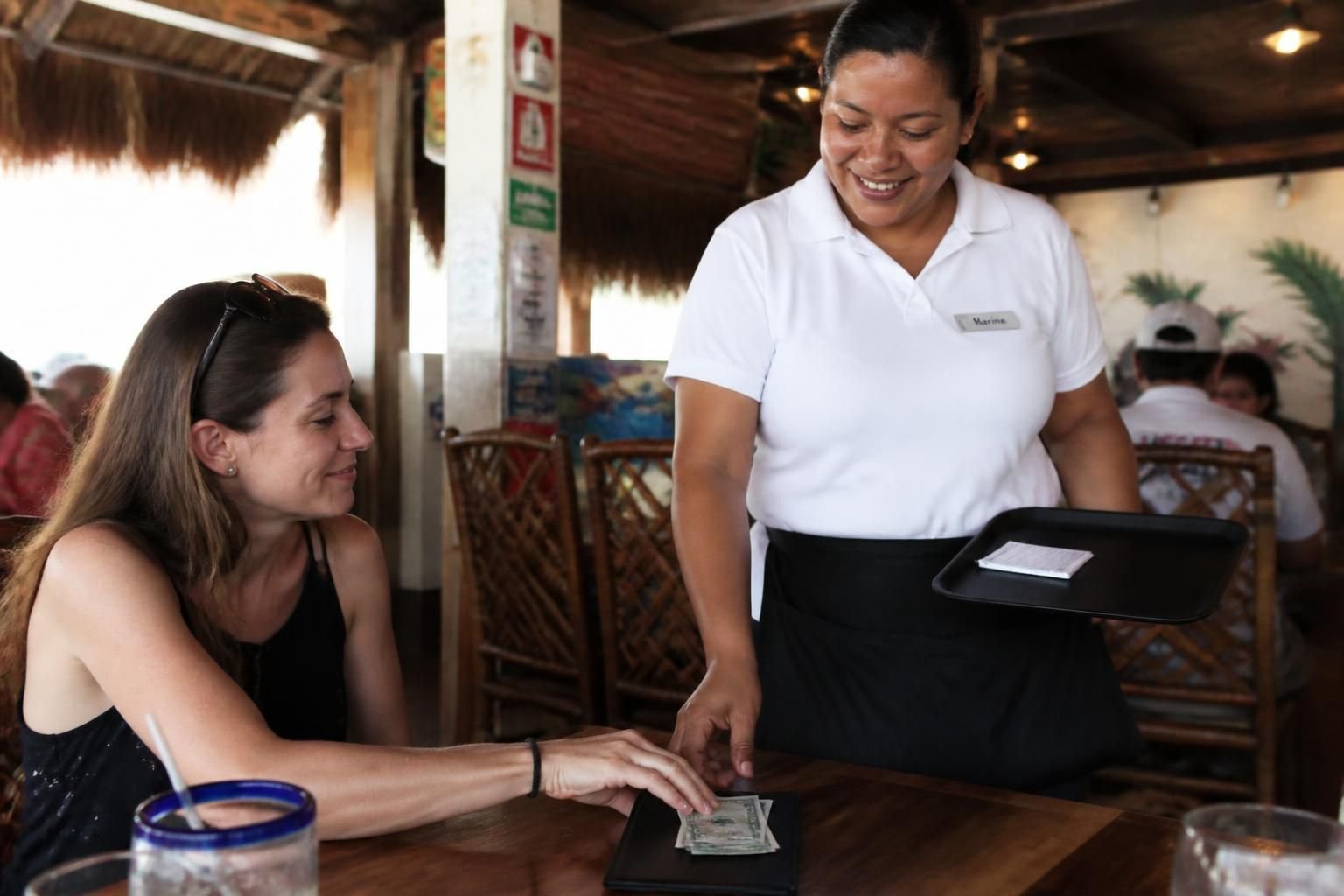
Dining out in Mexico involves a well-defined tipping structure that varies depending on the establishment’s category. Sit-down restaurants generally expect a customary tip ranging between 10% and 15% for satisfactory service, scaling up to 20% for exceptional hospitality. This is particularly true in popular tourist hotspots like Mexico City, Tulum, and Los Cabos, where a 15% tip has become the standard aligning closer with North American and European norms. It’s critical for tourists to verify if the bill includes a service charge, often indicated by phrases such as “propina incluida” or “servicio incluido.” Without these markers, leaving a tip is customary and appreciated.
For more casual venues like taquerías or fondas, which offer traditional Mexican fare in a canteen-style setting, tipping is usually less formal. A 10% tip or simply rounding up the bill is widely accepted. Street food, a celebrated part of Mexican culinary culture, typically requires no tip, although leaving the small change is a common and kind gesture. Bars introduce another dimension to tipping customs: patrons generally tip 20 to 50 MXN per round at service bars, or 10–15% of the tab when seated and served at a table. In beach clubs where attentive service includes amenities such as replenishing towels and drinks, tips of 50 to 100 MXN per interaction are appropriate incentives to staff.
Cash remains the favored method of providing tips across all these venues. Card transactions may not fully pass on gratuities to serving staff due to processing fees and business practices. Therefore, carrying small denominations of Mexican pesos (20, 50, 100 MXN notes) for tipping purposes is practical and considerate. This approach guarantees that the intended recipient benefits directly from the patron’s acknowledgment of their efforts.
Hotel Tipping Customs: Navigating Service Gratuity at Mexican Accommodation
Hotels in Mexico feature a variety of service points where tipping is customary and sometimes essential for ensuring a hospitable stay. Guests can expect to tip bellhops approximately 30 to 50 MXN per bag when their luggage is brought to their room. This is a straightforward practice reflecting the effort required, particularly when handling multiple or heavy suitcases. Housekeeping staff, comprising different individuals cleaning rooms daily, usually receive 50 to 100 MXN per night, preferably left in an envelope on the pillow or visible areas. This prevents any confusion over who provided which service and ensures fair distribution.
Concierge services follow a tiered approach. Basic assistance may not require a tip, but for significant help such as securing reservations, arranging special experiences, or providing personalized recommendations, a gratuity of 100 to 300 MXN is an appropriate show of gratitude. Room service deliveries typically warrant a tip ranging from 50 to 100 MXN or 10% of the bill if a service charge isn’t already included.
Additional staff such as pool or beach attendants, who assist with chair and umbrella setup or attend to guests’ needs in leisure areas, deserve tipping around 50 to 100 MXN per service. Understanding these details helps tourists navigate the often subtle but important customs that enhance their hotel experience while supporting workers reliant on these additional incomes.
Comprehensive Table: Recommended Hotel Tipping Amounts in Mexico
| Service | Suggested Tip (MXN) |
|---|---|
| Bellhop (per bag) | 30–50 |
| Housekeeping (per night) | 50–100 |
| Concierge (basic assistance) | None required |
| Concierge (special arrangements) | 100–300 |
| Room service delivery | 50–100 or 10% if no service charge |
| Pool/beach attendant (per service) | 50–100 |
Tour and Transportation Tipping Guidelines: Supporting Mexico’s Service Workers on the Move
Tours in Mexico play a significant role within the tourism sector, and tipping for guides and drivers is a critical element for the livelihood of these professionals. Tour guides often earn modest base pay, with gratuities making up a considerable portion of their income. For half-day guided tours, a tip of 100 to 200 MXN per person is customary, whereas full-day tours warrant a higher tip ranging from 200 to 350 MXN per individual. Private guides commanding personal attention expect gratuities from 200 to 500 MXN depending on the duration and complexity of the itinerary.
Specific tours such as cenote excursions or diving instruction entail tipping between 50 and 100 MXN for guides helping with equipment and safety or 150 to 300 MXN per dive for diving instructors. Similarly, fishing charter captains usually receive 10 to 15% of the total charter cost as a tip, acknowledging both their skill and hospitality. Off-road or ATV tour drivers can expect about 100 to 200 MXN as a thank-you for their service during adventurous outings.
When traveling via taxis and other forms of transportation, tipping customs vary slightly. Authorized airport taxis do not require a tip, though rounding up the fare by 20 to 50 MXN on longer trips is considered polite. Street taxis typically receive rounded-up fares or a 10% tip for especially helpful service. Ride-share platforms like Uber and DiDi offer optional tipping within the app, but are not mandatory; a rating remains an essential way to provide feedback. Public shared vans, known as colectivos, do not expect tips as they operate on fixed fares. Valet or parking attendants generally receive between 30 and 50 MXN upon car retrieval.
For travel logistics in the Riviera Maya region, helpful advice on using local buses can be found in practical resources like how to navigate the ADO bus schedule or detailed options on transferring from airports to key destinations, ensuring a hitch-free trip without added stress.
Understanding Mexican Cultural Customs: How Social Norms Shape Tipping and Hospitality
The tipping experience in Mexico extends beyond economics, tapping deeply into cultural etiquette and social respect. Appropriate greetings often involve a single cheek kiss or handshake in formal circumstances, emphasizing warmth and respect in personal interactions. Addressing service staff and locals with titles such as “Señor” or “Señora” especially when dealing with elders fosters a positive atmosphere that complements tipping etiquette well.
Punctuality in social contexts is flexible, especially for casual events where a delay of 30 to 60 minutes is typical; however, punctuality is expected for professional appointments, tours, and guided visits. Bargaining forms part of the cultural fabric at markets and in negotiations with private providers, but it is not suitable in restaurants or official taxi stands. Tourists are encouraged to engage with good humor and friendly negotiation skills to respect these boundaries.
Visitors should also be mindful when visiting sacred sites to dress modestly, covering shoulders and knees, and to behave quietly, avoiding flash photography. Participating respectfully in iconic cultural events such as Dia de los Muertos entails understanding its profound religious significance, distinguishing it from other holiday celebrations. Basic Spanish greetings and phrases are warmly received and enrich the overall tourist experience, bridging language gaps and enhancing hospitality.
For more on preparing culturally for a Mexican journey, including language essentials and safety tips, travel planners can consult comprehensive articles like best tour recommendations for Chichen Itza which include hints on hospitality customs alongside sightseeing.
Is tipping mandatory in Mexico?
While tipping is not legally mandated, it is a deeply expected practice in Mexico, especially in tourism and hospitality sectors, as many workers rely on gratuities for their livelihood.
How much should I tip at restaurants in Mexico?
Typically, leave 10–15% of the bill for good service at casual dining spots and up to 20% for exceptional service, especially in tourist areas and upscale restaurants.
Do hotel housekeeping staff expect tips daily or at checkout?
It is best to tip housekeeping daily in an envelope left on the pillow or in a visible place, as different staff members may service your room each day.
Should I tip taxi drivers in Mexico?
Tipping taxi drivers is not mandatory but rounding up the fare or tipping 10% for good service is courteous. For ride-share drivers, optional tipping is available within apps like Uber and DiDi.
Can I tip using credit cards or digital apps in Mexico?
Cash tips in Mexican pesos are preferable to ensure the full gratuity reaches service staff; credit card tips may incur processing fees, and digital app tipping options are limited.