The Riviera Maya, stretching from Cancún through Playa del Carmen down to Tulum, offers a breathtaking coastline dotted with ancient ruins, pristine beaches, and vibrant cultural spots. Travelers navigating this region’s transportation options often find themselves at a crossroads: how to balance convenience, cost, and reliability in transit? The ADO bus schedule emerges as a core piece of Riviera Maya transportation. It stands out as an accessible, hassle-free way to move between towns without overspending or sacrificing comfort.
Avoiding costly taxi rides, especially those charging 15 to 20 times the price of other modes, is essential for any savvy traveler aiming to explore multiple destinations without straining their budget. The extensive network of ADO bus routes links major points such as Cancún Airport, Playa del Carmen, Tulum, and beyond, while complementing local shared vans known as colectivos.
Understanding the nuances of the bus timetable, including frequency, stops, and ticket purchasing methods, is pivotal in planning a seamless itinerary. This travel guide piece unfolds the essentials for those looking to master navigating the ADO bus system, offering detailed travel tips for Riviera Maya to ensure a hassle-free trip across this captivating part of Mexico.
Brief key points on navigating the ADO bus in Riviera Maya:
- Affordable and reliable: ADO buses offer comfort with air conditioning, assigned seating, and punctual departures along key routes.
- Strategic stops: Central stations in Playa del Carmen and Cancún ensure easy access to airports and tourist hubs.
- Complementary transport modes: Integrating colectivos and rental cars with the ADO network provides the greatest flexibility.
- Booking convenience: Tickets can be bought online, at stations, or via local shops, with practical tips for avoiding common pitfalls.
- Safety and practical advice: Keeping belongings secure and knowing when to opt for ADO over colectivos enhances trip confidence.
Mastering the ADO Bus Schedule for Reliable Connectivity Along the Riviera Maya
The backbone of intercity travel within the Riviera Maya is the highway 307 corridor, connecting key points like Cancún, Playa del Carmen, and Tulum. The ADO bus company operates a frequent and comprehensive schedule that caters especially well to tourists navigating this region. For 2026, these buses run approximately every 30 minutes at peak hours between Cancún Airport and Playa del Carmen, and maintain steady intervals during the day to destinations including Tulum.
Knowing how to interpret the ADO bus timetable can significantly reduce stress. Departures mostly occur from central terminals: the 5th Avenue ADO Playa del Carmen station caters to the bustling tourist center, while the Cancún terminal handles airport transfers and broader routes. The ADO route timings are generally consistent, but variations might arise due to seasonal demand or traffic conditions.
For example, the route from Cancún Airport to Playa del Carmen typically covers the distance in about an hour, with ticket prices around 250 MXN (~13 USD). It is advisable to check the exact bus stops and timing on the ADO official app or website before traveling, as this aids in syncing transfers between modes of transportation like colectivos or taxis.
For those exploring further destinations such as Bacalar, Merida, or even remote areas like Holbox (via connecting departures), consulting the updated ADO bus schedule is crucial. The physical terminals come well-equipped with ticket counters where multilingual assistance is sometimes available to ease communication challenges for non-Spanish speakers.
Understanding layovers and intermediate stops helps immensely, particularly if planning to visit cultural sites en route to enhance your trip. The ADO buses are typically air-conditioned with onboard amenities, making longer routes comfortable when heading towards inland Yucatán or coastal excursions.
Deciphering ADO Bus Stops and Terminals: Navigating Major Hubs for Seamless Transit
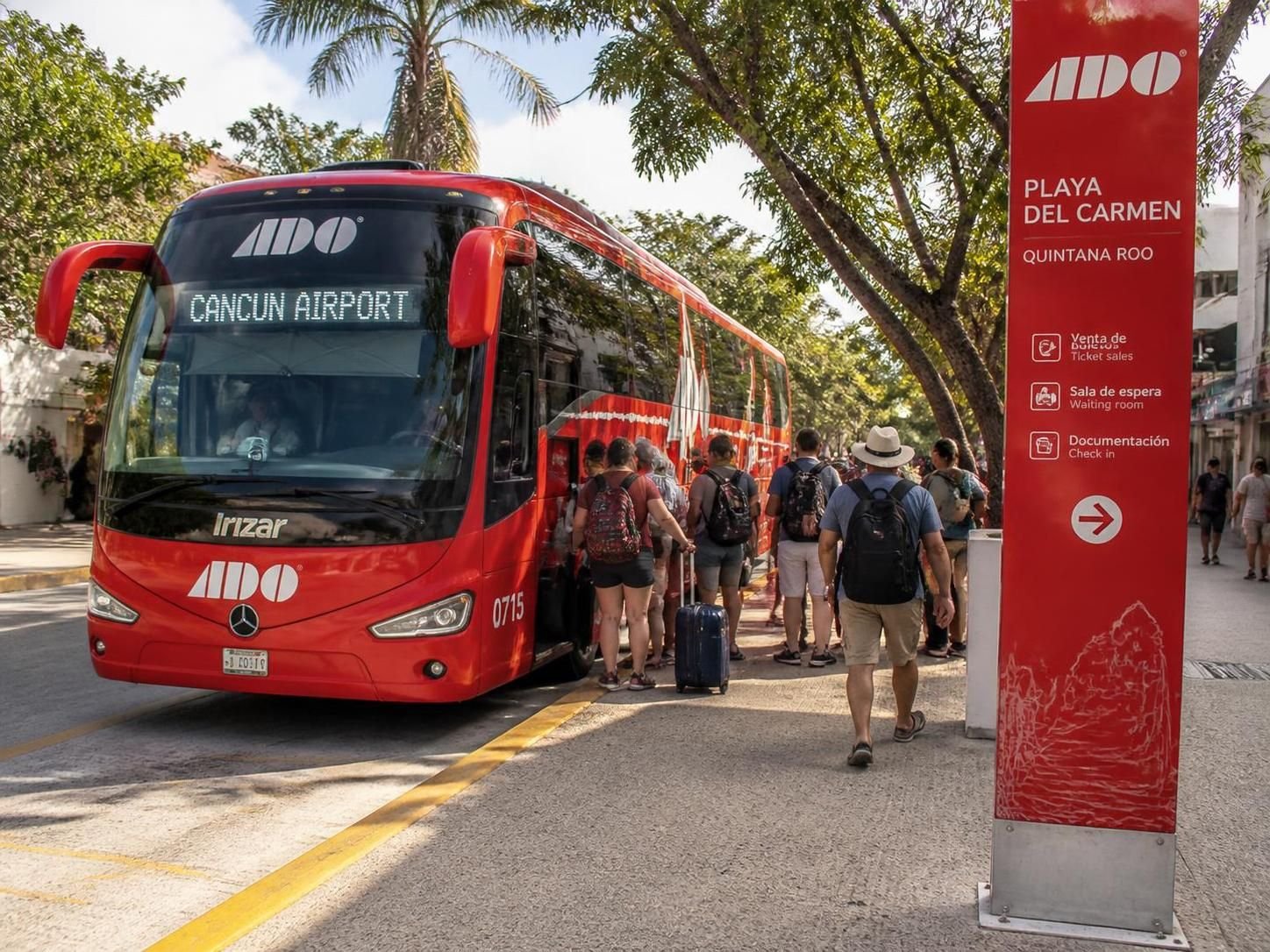
Locating the correct ADO bus stop or terminal starts the journey on the right foot. Playa del Carmen features two central ADO bus stations: the popular “Playa del Carmen Turistica” on 5th Avenue, and the less crowded “Playa del Carmen Alterna” on Calle 12 and Avenida 20. Both function as essential transit points, but it’s vital to verify which terminal serves your intended route to avoid unnecessary detours.
The 5th Avenue terminal is favored by travelers due to its proximity to the beach, ferry docks for Cozumel, and main shopping streets — perfect for tourists looking to blend transit with leisure. Here, all buses are clearly marked, and staff can assist with the ADO bus schedule queries, ticket exchanges, or seat assignments.
Meanwhile, the “Alterna” station is better suited for those staying slightly away from tourist hotspots or requiring quicker access to certain routes. This station may serve alternative routes that the primary terminal does not, an important distinction when planning day trips or airport runs.
In Cancún, the central ADO terminal connects directly to the airport with multiple stops at terminals 2, 3, and 4, facilitating convenient arrivals and departures. It’s important for travelers to confirm their departing terminal since the ADO drops passengers off at multiple points along the airport complex.
Signage at each terminal is generally in Spanish but features universally recognizable symbols. Some terminals have automated ticket kiosks in addition to staffed counters, speeding up the ticketing process for frequent travelers. For additional clarity, the use of an app or printed route maps can assist in understanding the Riviera Maya transportation network and avoid confusion.
This hub system means that understanding each terminal’s particular routes and schedules will ensure you connect quickly with services like colectivos, ferries, or local taxis, optimizing your travel time without compromising comfort.
Integrating ADO Buses with Other Modes of Riviera Maya Transportation
While the ADO bus system provides a premier long-distance solution, savvy travelers know that combining it with other transportation options yields the best experience. Local colectivos, white shared vans that ply the coastal routes between Cancún, Playa del Carmen, and Tulum, offer frequent, inexpensive hopping points with fares roughly half those of ADO buses. These are ideal for short trips or uncommon stops, but they lack assigned seating and handle only limited luggage.
For day excursions to cenotes, the Cobá ruins, or inland sites like Chichén Itzá, renting a car can be the most flexible choice. Cars priced around 600–1,200 MXN per day grant access to areas poorly served by public transport. Coordinating rental days only for these excursions avoids unnecessary parking fees and insurance complexities during your coastal stays.
Ferries complement the transportation palette, whisking passengers to islands such as Cozumel or Isla Mujeres from Playa del Carmen and Cancún, respectively. These routes are economical and reliable but subject to weather delays. Knowing when to switch between ADO bus routes and ferries ensures travelers make the most of their Riviera Maya itinerary without delays.
As for navigating the Cancun Airport to Playa del Carmen stretch, riders benefit from the combined use of the ADO system and coordinated airport shuttle services. Detailed transfer options are well-documented, and additional advice can be found on helpful resources such as Cancun airport to Playa del Carmen transfer options, offering step-by-step guidance complementary to the bus timetable.
This multi-modal approach to transportation simplifies what could be a labyrinthine process, ensuring a hassle-free trip across the Riviera Maya by choosing the smartest combination of buses, colectivos, cars, and ferries.
How to Purchase ADO Bus Tickets and Navigate Booking Challenges in 2026
With the ADO bus being pivotal for travel, understanding how to secure tickets efficiently is a priority. Tickets can be acquired in several ways: at physical terminals, through the official ADO website and app, or via third-party platforms like Busbud. The official Spanish-language site presents some challenges for non-Spanish speakers but is navigable with Google Translate or step-by-step instructions. Opting for foreign booking platforms might incur a slight premium but eases language barriers.
At the station, cash payments are often preferred, as credit card machines occasionally malfunction. Paying in pesos avoids dynamic currency conversion fees. It is advisable not to book ADO bus tickets in advance for airport arrivals due to unpredictable delays at customs, but advance bookings for departures are best practice to guarantee preferred seating.
When purchasing tickets, travelers should note the assigned seating policy, an advantage over more informal colectivo vans. Seats can be selected during online booking with a visual layout indicating availability, enabling travelers to pick window seats or ensure proximity to exits for convenience.
Upon boarding, ticket staff scan QR codes from digital or printed tickets. It is recommended to keep valuables on the person as theft from overhead compartments has been reported occasionally. Having small change available for tipping luggage attendants is customary and appreciated.
Knowing these insider travel tips for the Riviera Maya bus system will help visitors approach their experience with confidence, making bus travel not only cost-effective but also smooth and enjoyable.
| Ticket Purchase Method | Pros | Cons | Recommended For |
|---|---|---|---|
| Official ADO website/app | Lowest prices; seat selection; official confirmation | Only in Spanish; credit card acceptance issues | Spanish speakers or tech-savvy solo travelers |
| Terrestrial Bus Stations | On-the-spot purchase; cash and cards accepted | Possible long lines; not recommended late arrivals | Last-minute buyers and airport arrivals |
| Third-party platforms (Busbud) | English interface; easy booking process | Slightly higher prices | Non-Spanish speakers; travelers seeking convenience |
Travel Tips for Navigating the Riviera Maya Bus System for a Safe and Efficient Experience
To maximize a hassle-free trip using the ADO bus schedule in Riviera Maya, some practical travel tips are vital. Always carry small denomination pesos, as local vendors and drivers may struggle to provide change or prefer exact fares. Staying vigilant about personal belongings ensures safety, especially on long-distance routes. Avoid using overhead storage bins for valuables to reduce risks of theft.
Scheduling travel during daylight not only aligns better with the frequency of colectivos— which significantly drop service after dark—but also enhances security and overall travel comfort. If traveling early morning or late night, ADO buses are recommended due to their strict schedules and safer reputation.
Confirm your Cancun Airport departure terminal well in advance; the ADO bus stops at three different terminals, which can be confusing without prior knowledge. Listening closely for announcements on the bus, even if they’re in rapid or broken English, aids in timely disembarking.
Finally, mixing transport modes intelligently—using colectivos for quick coastal hops, ADO for longer trips and airport connections, rental cars for cenote and ruins excursions, and ferries for island visits—creates a fluid travel itinerary. This strategy is particularly helpful for exploring highlights like Chichén Itzá and its surrounding areas, as detailed in the ultimate Chichen Itza bus tour experience.
Is it necessary to book ADO bus tickets in advance?
For trips departing from Playa del Carmen to Cancun Airport or popular destinations, booking in advance is recommended to secure your seat, but for arrivals at Cancun Airport, it’s often better to buy tickets on the spot due to unpredictable customs delays.
Are ADO buses safe for solo travelers, including women?
ADO buses are considered safe, comfortable, and well-managed transport options, suitable for solo travelers, including women. However, common precautions such as keeping valuables close are advised.
What is the difference between the colectivo and ADO bus?
Colectivos are local shared vans that run frequently along the coast at low cost but with limited luggage space and no assigned seating. ADO buses provide assigned seating, larger luggage compartments, and a more comfortable, air-conditioned ride, ideal for longer distances and airport transfers.
Can I use ADO buses to reach tourist attractions like Chichén Itzá?
Yes, ADO buses connect to regional hubs from where you can access tours or further transportation to attractions like Chichén Itzá. For a detailed itinerary and recommended tours, check specialized guides and tourist resources.
Are there facilities for buying tickets when language barriers exist?
Most main terminals have staff who can assist tourists, and online platforms like Busbud offer English interfaces making it easier to book tickets despite language limitations.