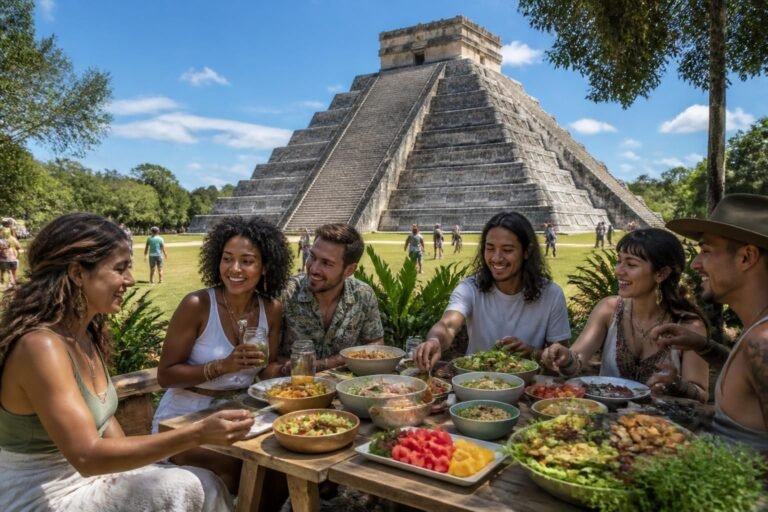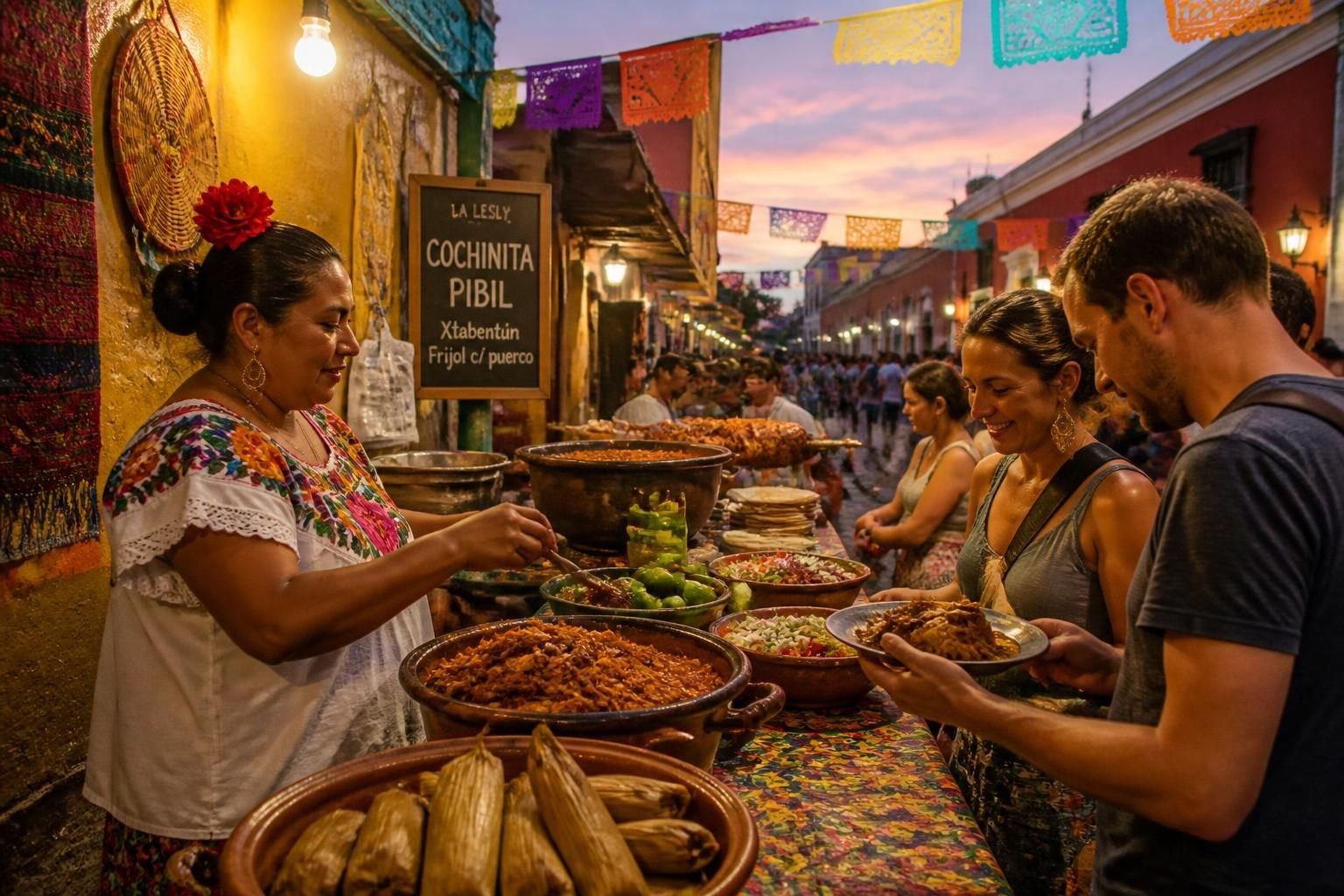

Exploring the vibrant world of Mexican street food in the Yucatan Peninsula reveals a culinary tapestry uniquely woven with flavors, textures, and cultural history. This region, renowned for its deep Mayan roots and blending of indigenous and colonial influences, serves up an array of street food that is as rich in tradition as it is in taste. From the bustling markets of Mérida to the lively food stalls scattered across smaller towns, travelers find an endless assortment of authentic tacos, traditional snacks, and innovative dishes that evoke the essence of Yucatan cuisine.
Yucatan travel offers more than just remarkable archaeological sites; it’s a destination where local flavors take center stage in everyday life. Street vendors transform simple ingredients into must-try dishes, making Mexican street food a core part of the travel essentials for anyone seeking to truly experience the peninsula’s culinary heritage. Whether savoring cochinita pibil – slow-cooked pork marinated in achiote and citrus – or indulging in the sweet crunch of a marquesita, each bite provides a gateway to understanding the region’s gastronomic story.
Key Highlights:
- The Yucatan Peninsula boasts a diverse street food scene rooted in Mayan and Mexican traditions.
- Must-try dishes include cochinita pibil, panuchos, tacos al pastor, and marquesitas.
- Street food vendors and markets present affordable and authentic dining options for all budgets.
- Joining a foodie tour enriches the experience by offering insights into cooking methods and local culture.
- Exploration beyond Merida to towns like Valladolid, Izamal, and Bacalar complements the culinary adventure with cultural and scenic discoveries.
Discovering Authentic Tacos and Traditional Snacks in Merida’s Street Food Scene
Merida is often celebrated as the heart of Yucatan’s street food culture, where every corner boasts a taste of history and zest. Central to this vibrant atmosphere are the tacos al pastor, a Mexican street food staple that has been embraced wholeheartedly by locals. These tacos feature thinly sliced pork marinated with red chilies, pineapple, and spices, cooked on a vertical spit reminiscent of shawarma, illustrating how global influences were embraced and made distinctly local. Served on warm corn tortillas and accompanied by fresh cilantro and pineapple chunks, tacos al pastor offer a dynamic blend of sweet, savory, and smoky flavors.
Alongside tacos al pastor, panuchos and salbutes are iconic traditional Yucatan snacks that carry the region’s culinary legacy. Panuchos are fried tortillas stuffed with black beans, topped with shredded turkey or chicken, lettuce, pickled onions, and avocado, creating a combination of crunchy and creamy textures. Salbutes resemble panuchos but feature puffed, fried tortillas that provide a lighter, airy bite, garnished with similar toppings that highlight fresh vegetables and meats.
The diversity of toppings and preparation styles reflects the balance between indigenous ingredients such as corn and beans and the Spanish-introduced meats, creating street food items that resonate with authenticity. An essential part of the street food guide for travelers is to explore these dishes in the lively markets and food stalls in Mérida, especially around Plaza Grande and Parque de Santa Lucia, where vendors offer these delicacies at affordable prices, inviting travelers into the local dining scene without pretense.
Where to Dive In: For a more immersive experience, explore authentic tacos in Playa del Carmen as an extension of the Yucatan culinary journey—the vibrancy and flavor explosion complements those found in Mérida’s immediate environs, allowing visitors to appreciate the region’s gastronomic landscape from several perspectives.

Indulging in Cochinita Pibil: The Slow-Cooked Heartbeat of Yucatan Cuisine
Cochinita pibil stands as the quintessential dish of Yucatan street food and culinary identity. This slow-cooked pork delicacy is marinated with achiote paste, which imparts a distinctive red-orange hue and earthy, slightly tangy flavor. The meat is traditionally wrapped in banana leaves and cooked in a “pib,” an underground clay oven that enhances the pork’s tenderness and infuses it with smoky nuances.
Few other dishes embody the Yucatan culinary traditions as well as cochinita pibil. It often graces street stands not only in its pure form on tortillas but also as a filling for tortas or accompanied by pickled red onions that balance the richness with sharp acidity and a refreshing crunch. Tourists and locals alike celebrate this dish, not just for its flavors but for its connection to the Mayan ceremonial past and its vibrant presence in daily life.
Food markets in Mérida, such as Mercado Lucas de Gálvez, offer a direct gateway to tasting cochinita pibil in its most traditional forms. Over the years, vendors and chefs have experimented with contemporary presentations, but the essence remains deeply anchored to the original preparation. This dish is equally a festival food and a street vendor’s pride, embodying the culture and history of the peninsula with every serving.
Pro Tip: Complement cochinita pibil with salsas ranging from mild to fiery to tailor the experience. A local Yucateco beer perfectly balances the meal’s richness.
Understanding local excursions like the Chichen Itza tour enhances appreciation for the dish since cochinita pibil often features as a highlight in regional hospitality, showcasing the fertile connection between the historical and culinary landscapes.
Exploring Sweet and Savory Delights: Marquesitas and Elote as Culinary Essentials
Beyond savory staples, Yucatan street food treats travelers to unique sweet and savory fusions, highlighted by marquesitas and elote. Marquesitas, often described as a crispy sweet crepe, are folded around fillings like Nutella, cajeta (caramel sauce), and melted cheeses, creating a multilayered contrast between crunch and softness that is irresistible. The ingenious blend of sweet and savory defies simplistic classification and invites travelers to experience street food dessert in its most playful form.
Complementing marquesitas is elote, the beloved Mexican grilled corn on the cob. In the Yucatan, elote is transformed into a street food staple by slathering the corn with a creamy mixture of mayonnaise, cheese, chili powder, and lime. The result is a striking balance between smoky grilled sweetness and layers of savory, piquant toppings, making elote a must-try snack during any street food adventure.
Both marquesitas and elote encapsulate the spirit of Yucatan travel essentials, pairing affordability with deeply satisfying flavors that attract locals and tourists alike. These snacks are widely available in markets and street stalls, notably around Santa Lucia Park, an ideal place to relax while savoring authentic local flavors amid vibrant cultural surroundings.
Where to enjoy: Markets such as Mercado 60 and vendors near Parque de Santa Lucia are renowned for their expertly crafted marquesitas and perfectly spiced elote.
Street Food Tours: Immersing in the Yucatan Culinary and Cultural Experience
For travelers eager to delve deeper into the nuances of Mexican street food and Yucatan cuisine, joining a street food guide or foodie tour emerges as one of the best travel essentials. These guided experiences bring the stories behind each dish to life, sharing not only the ingredients and cooking techniques but also the cultural and historical contexts which give each bite additional richness.
Local guides often lead small groups through key neighborhoods and markets, like those of Mérida and Valladolid, sampling a curated selection of traditional snacks and iconic dishes. This approach provides accessibility to hidden gems—vendors known only to locals who prepare meals according to age-old recipes passed down through generations. Participants gain insight into the Mayan influence on ingredients like achiote, chaya, and sour orange, as well as the Spanish contributions that shaped the region’s current foodscape.
Moreover, these tours offer tips on navigating the expansive street food scene, teaching visitors how to identify hygienic stalls and order dishes in Spanish to enhance cultural exchange. The interaction with vendors blends culinary discovery with community connection, enriching the travel experience beyond simple tasting.
Participating in a foodie tour serves not only the palate but also educates the traveler on the social fabric of Yucatan cuisine and the significance of food in everyday life and celebrations.
Recommended Tour Providers: Consider tours offered by local experts such as Merida Street Eats or Cultural Tours Yucatan to ensure an authentic and comprehensive encounter.
Extending the Food Adventure: Beyond Merida to Valladolid, Izamal, and Bacalar
The Yucatan Peninsula offers a rich culinary journey that extends beyond Merida’s city limits. Towns including Valladolid, Izamal, and Bacalar are essential stops for travelers looking to deepen their palates and enrich their understanding of local flavors and traditions.
Valladolid, with its colonial charm and vibrant markets, is especially celebrated for dishes like sopa de lima— a zesty chicken and lime soup native to the region—and poc chuc, thinly sliced pork marinated in sour orange and grilled to perfection. Local eateries and food courts provide a welcoming environment to sample these traditional dishes made with fresh, locally-sourced ingredients.
Izamal, often called the Yellow City for its brightly painted buildings, offers a culinary highlight with grilled pork specialties and queso relleno, a stuffed cheese dish unique to the area. Dining in Izamal often combines a scenic backdrop with authentic recipes that trace back through generations.
Further south, Bacalar is gaining recognition not only for its stunning lagoon but also for its fresh Caribbean seafood tacos and tropical ceviches that reflect coastal influences within Yucatan cuisine. The slower pace of life here allows visitors to savor their meals amidst serene natural beauty, adding an atmospheric layer to the local flavors.
To fully prepare for these journeys, consult detailed travel resources and local guides, including those focused on day trips to Bacalar and other nearby attractions, which offer useful insights for culinary and cultural exploration.
Travelers interested in broadening their route can benefit from practical tips, ensuring a smooth and enriching adventure through the peninsula’s best food destinations.
| City | Must-Try Dishes | Unique Characteristics | Recommended Venues |
|---|---|---|---|
| Merida | Cochinita Pibil, Panuchos, Salbutes, Marquesitas | Busy markets, street vendors, colonial charm | Mercado Lucas de Gálvez, Parque de Santa Lucia |
| Valladolid | Sopa de Lima, Poc Chuc, Tamales | Colonial architecture, food courts, artisanal shops | Mercado Municipal, El Habanero |
| Izamal | Queso Relleno, Grilled Pork, Local Beers | Yellow-painted buildings, small town ambiance | Restaurant Kinich, Raíces Mayas |
| Bacalar | Seafood Tacos, Ceviche, Coconut Breaded Shrimp | Lagoon setting, laid-back vibe, fresh seafood | Chiltepín Marisquillos, Nixtamal |
What are the must-try Mexican street food dishes in Yucatan?
Key dishes include cochinita pibil, tacos al pastor, panuchos, salbutes, marquesitas, and elote, all rich with native ingredients and traditional preparation techniques.
Is street food safe to eat in Merida and other Yucatan towns?
Yes, street food in Yucatan is generally safe when consumed from vendors who maintain high standards of cleanliness and food preparation. Choosing busy stalls popular with locals is advisable.
Can vegetarians find options among Yucatan street food?
Yes, many traditional dishes such as sopes, tamales, and elote can be adapted or are naturally vegetarian-friendly, offering ample choices for herbivores.
What is the best way to discover authentic street food in Yucatan?
Joining a local street food tour or following a trusted street food guide allows travelers to sample a curated selection of dishes while learning about their cultural significance.
Where can travelers find the best food markets in Yucatan?
Notable food markets include Mercado Lucas de Gálvez in Merida, Mercado Municipal in Valladolid, and the markets around Parque de Santa Lucia, all bustling with local vendors and authentic flavors.