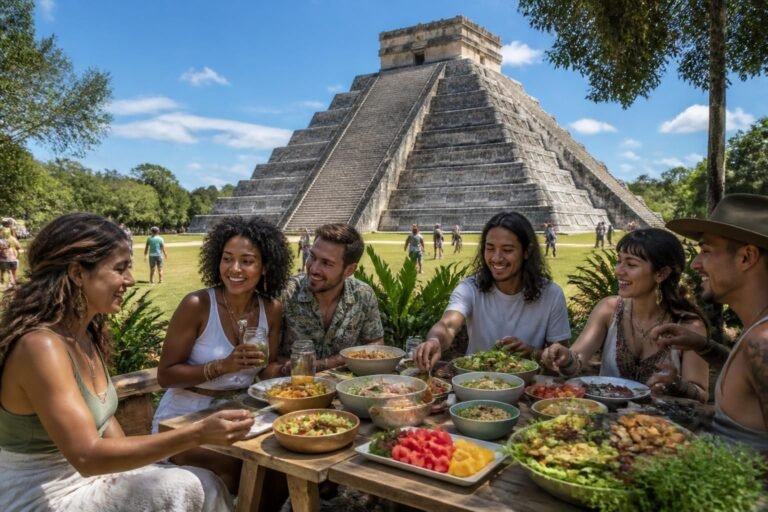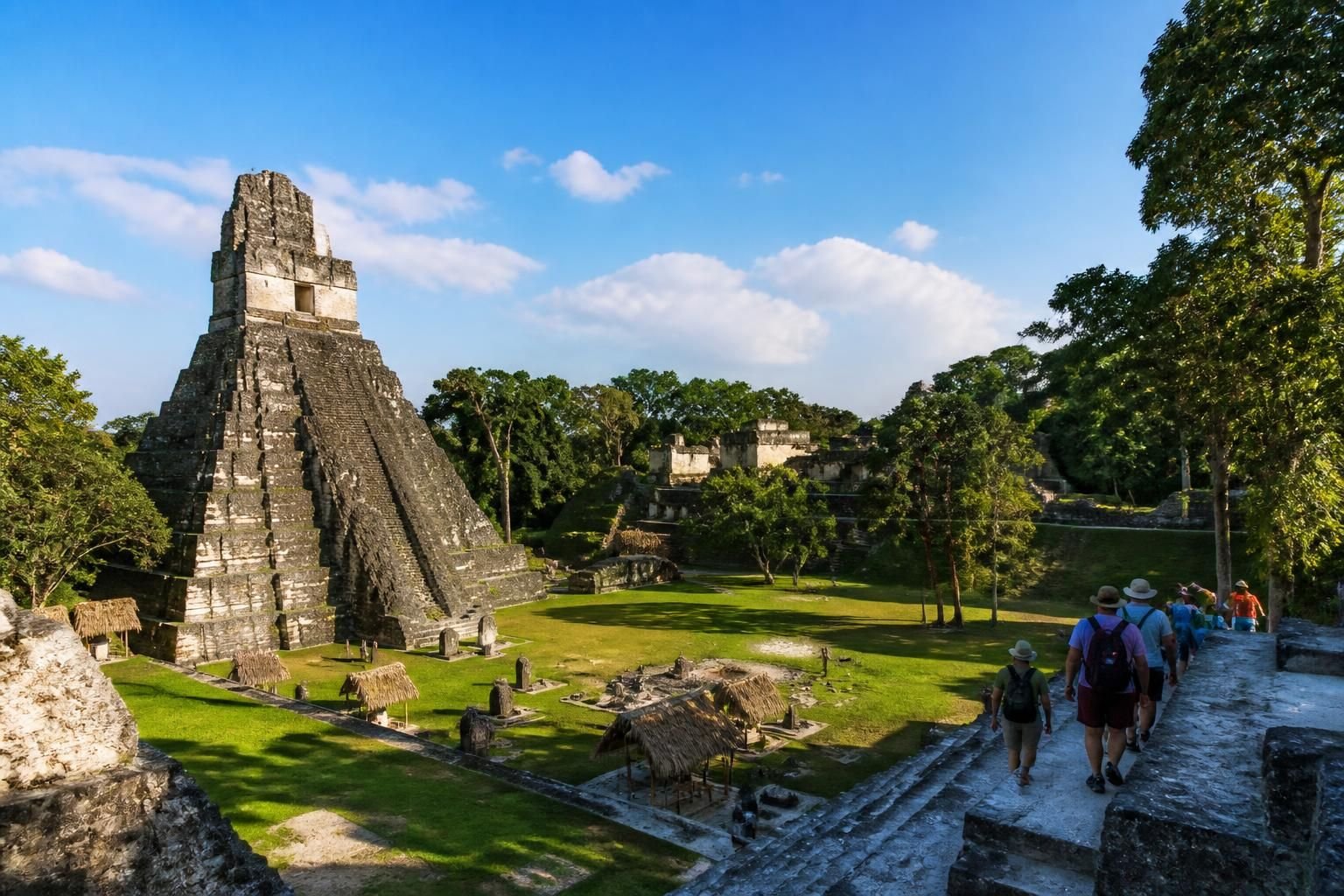

Exploring the ancient Mayan ruins on a Yucatan tour opens a portal to one of the most fascinating ancient civilizations of the Americas. The Yucatan Peninsula, a region bursting with mystique and vibrant culture, offers an unparalleled chance to delve into the rich history and architectural marvels left behind by the Maya. These archaeological sites, scattered amidst tropical jungles and serene cenotes, invite travelers to journey beyond typical tourism and immerse themselves in a world where every structure, stone, and story reveals the profound legacy of an ancient civilization. From the iconic pyramids of Chichen Itza to the serene ruins of Tulum perched on the Caribbean coast, the Yucatan tour experience awakens a spirit of adventure coupled with heritage exploration.
Engaging with the Mayan culture through carefully curated tours that highlight natural beauty intertwined with historical landmarks transforms the visit into a comprehensive encounter with the past and present. Guests do more than just witness; they live the culture through guided visits that balance education and excitement, exploring everything from ancient temples to vibrant indigenous traditions. This multifaceted journey allows for personal discovery as travelers connect with Mayan heritage in a way few destinations offer.
Discovering the Architectural Wonders of Mayan Ruins on a Yucatan Tour
The architectural splendor of Mayan ruins is among the most compelling aspects of a Yucatan tour. Sites like Chichen Itza, with its majestic pyramid known as El Castillo, showcase the Maya’s advanced understanding of astronomy, mathematics, and engineering. This UNESCO World Heritage Site stands as a testament to a civilization capable of monumental construction, reflecting their cosmological beliefs and social structure. The precision in alignments to celestial events speaks volumes about their architectural sophistication.
Other sites such as Coba ruins offer an adventurous exploration experience, with tall pyramids like Nohoch Mul rising above the jungle canopy. Visitors can climb this structure for breathtaking views, connecting physically and visually with the once-thriving city that served as a Mayan hub. The layout of Coba reveals intricate urban planning, including an extensive network of sacbeob (ancient white roads) that connected various city centers, emphasizing the civilization’s extensive trade and communication systems.
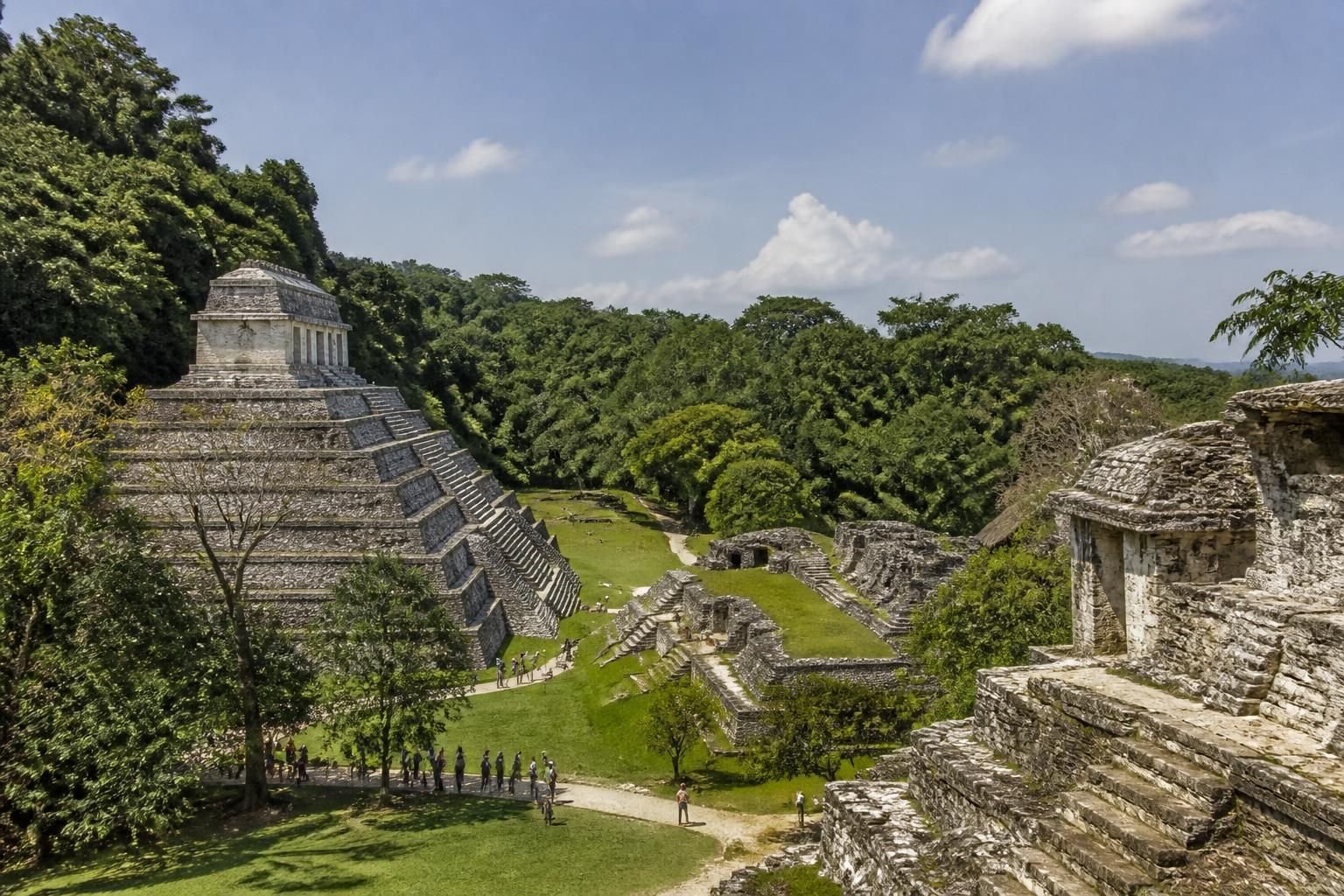
Each archaeological site on the Yucatan Peninsula possesses distinct architectural styles and features that tell stories of different eras and social dynamics within Mayan society. Site-specific constructions, such as the Temple of the Frescoes in Tulum, adorned with vibrant murals, invite inquiry into the artistic expressions and religious practices of the ancient Maya. These ruins not only entice enthusiasts of archaeology but also those captivated by the narratives woven through stone, revealing a culture deeply attuned to nature and spirituality.
Architectural Features Unique to the Mayan Civilization
- Step pyramids: Used for ceremonial purposes and astronomical observations.
- Ball courts: Places where the ancient Mesoamerican ballgame was played with ritual significance.
- Palatial complexes: Residences for elite and religious figures indicating hierarchical governance.
- Stelae and altars: Stone monuments inscribed with glyphs recording historical events and rulers’ accomplishments.
Understanding these features transforms the visit to Mayan ruins from a mere sightseeing excursion into an insightful archaeological and cultural experience, enhancing appreciation for this ancient civilization’s immense intellectual and creative achievements.
Immersive Experiences with Mayan Culture and Historical Landmarks
Mayan culture today thrives in Yucatan’s indigenous communities where traditions, language, and crafts continue to live and evolve. A Yucatan tour that integrates cultural experiences enriches the historical exploration of ruins by allowing visitors to witness the living legacy of the Maya. Engaging with locals to learn about their customs, culinary traditions, and crafts provides a vibrant layer to the journey.
For instance, traditional Mayan cuisine, such as dishes cooked in the “Piib”—an underground oven method—offers sensory immersion alongside history. Tasting these meals shared with local families deepens cultural appreciation far beyond what a museum display might achieve. Authentic interactions contribute to preserving these traditions and enhance respect for the contemporary Maya identity.
Visiting historical landmarks in colonial cities near the ruins, such as Valladolid, complements this experience. Valladolid’s colorful streets, colonial architecture, and bustling markets invite travelers into a historical dialogue between pre-Hispanic and Spanish colonial influences. A comprehensive understanding of the region’s history emerges, connecting ancient traditions with the layered cultural evolution seen today in architecture and daily life. Detailed guides such as those found in local travel blogs assist visitors in maximizing these immersive experiences.
Engagement with Nature and Traditional Practices
Walks through lush jungles and visits to sacred cenotes provide encounters with the natural elements revered by the Maya. Tours often include visits to these crystal-clear freshwater sinkholes, where swimming offers both refreshment and a sensory link to ancient rituals that involved these sacred waters. Expert guides share stories and ecological knowledge, creating an intertwined exploration of natural wonders and human heritage.
Combining Tropical Adventure with Archaeological Exploration
A Yucatan tour dedicated to exploring Mayan ruins is inherently intertwined with tropical adventure. The peninsula’s environment of dense jungles, abundant wildlife, and an array of cenotes provides a thrilling backdrop to heritage exploration. This combination offers a unique style of travel that blends physical activity, cultural education, and scenic beauty.
Adventurous activities such as hiking through jungle trails, zipline rides over canopy treetops, and canoeing on serene lakes bring a dynamic element that appeals to diverse traveler interests. The jungle around Punta Laguna, for example, is known for its diversity in flora and fauna, including spider monkeys that are a critical part of the region’s ecological balance. Guided wildlife spotting adds a meaningful dimension, connecting biodiversity conservation efforts to the preservation of Mayan culture and landscapes.
Experiences like swimming in hidden cenotes or cycling across archaeological sites invigorate the essence of discovery. Each adventure encapsulates a story of survival, innovation, and harmony with nature intrinsic to the Mayan world. For those seeking to combine physical engagement with deep cultural insight, the Yucatan tour provides an unmatched itinerary.
Typical Adventure Activities on a Yucatan Mayan Ruins Tour
| Activity | Location | Highlights | Duration |
|---|---|---|---|
| Jungle hike and wildlife spotting | Punta Laguna | Spider monkeys, birdwatching | 3–4 hours |
| Climbing Nohoch Mul Pyramid | Coba | Panoramic views of jungle landscape | 2 hours |
| Swimming in cenotes | Ik Kil and secluded cenotes near ruins | Clear, fresh water with historical significance | 1–2 hours |
| Zipline and canoe adventure | Punta Laguna | Thrilling jungle canopy experience | 2–3 hours |
These mix of adventure and cultural experiences make the Yucatan an outstanding travel destination for explorers eager to uncover the mysteries of the ancient civilization while indulging in the rich biodiversity and natural beauty of Mexico.
Planning a Tailored Yucatan Tour for an Authentically Rich Experience
A well-planned Yucatan tour can transform the exploration of Mayan ruins and culture into a deeply personal and memorable journey. Customized tours offer flexibility to move at one’s own pace and focus on specific interests, whether archaeological, cultural, or adventurous. Working with expert local guides who grew up in Mayan communities ensures that every historical insight and cultural exchange feels genuine and informative.
Tailor-made tours often incorporate lesser-known archaeological gems such as Ek Balam, whose spectacular ruins remain less crowded, allowing an intimate experience of Mayan architecture and artistry. For travelers looking to complement their history tour with natural beauty, combined visits to cenotes like Ik Kil provide a refreshing break with a cultural context — detailed in resources such as this complete swimming guide to Cenote Ik Kil.
Planning your trip during specific times of the year can also enhance your experience. Many sites host seasonal events or festivals celebrating Mayan heritage, providing unique opportunities to witness traditional ceremonies, dances, and crafts presentations. These encounters enrich the journey into a vibrant discovery of both ancient and living legacies.
Key Tips for Booking a Yucatan Mayan Ruins Tour
- Choose certified local guides with a deep understanding of Mayan culture and history.
- Opt for small group or private tours to avoid crowds and enjoy personalized attention.
- Include both major and lesser-known sites to balance iconic landmarks with exclusive experiences.
- Plan for cultural activities such as cooking, crafts, and local village visits to enrich your journey.
- Prepare for the climate and terrain with appropriate clothing and hydration for tropical adventure.
Living the Legacy: The Enduring Appeal of Mayan Ruins on the Yucatan Peninsula
The enduring attraction of Mayan ruins in the Yucatan stems not only from their historical and architectural grandeur but also from their role as living symbols of a culture that continues to thrive. These monumental sites serve as gateways connecting the past with present communities passionately preserving their identity and traditions.
Beyond archaeological interest, the Yucatan tour offers a holistic cultural immersion, linking historical landmarks with nature and indigenous life. The synergy of exploring ancient ruins and engaging with people who inherit this legacy creates a transformative experience. It is this depth of connection that makes visiting the Mayan ruins a truly unforgettable adventure in Mexico travel.
Whether climbing the steps of ancient pyramids, swimming in sacred cenotes, or sharing a meal with a Mayan family, every encounter is an opportunity to witness the resilience and beauty of an ancient civilization still very much alive today.
What are the must-visit Mayan ruins on a Yucatan tour?
Key sites include Chichen Itza, Coba, Tulum, and Ek Balam, each offering unique architectural and cultural insights into the ancient civilization.
How can I experience authentic Mayan culture during the tour?
Engage with local communities through cooking classes, traditional crafts workshops, and visits to indigenous villages to experience living Mayan heritage.
What is the best time of year to visit the Yucatan Peninsula?
The dry season from November to April offers ideal weather for exploring ruins and enjoying outdoor activities.
Are swimming opportunities available during the tours?
Yes, many tours include visits to stunning cenotes such as Ik Kil, where swimming is a refreshing part of the adventure.
Should I hire a local guide for my Yucatan archaeological tour?
Hiring a certified local guide is highly recommended to gain in-depth knowledge, ensure safety, and enrich your overall experience with expert insights.