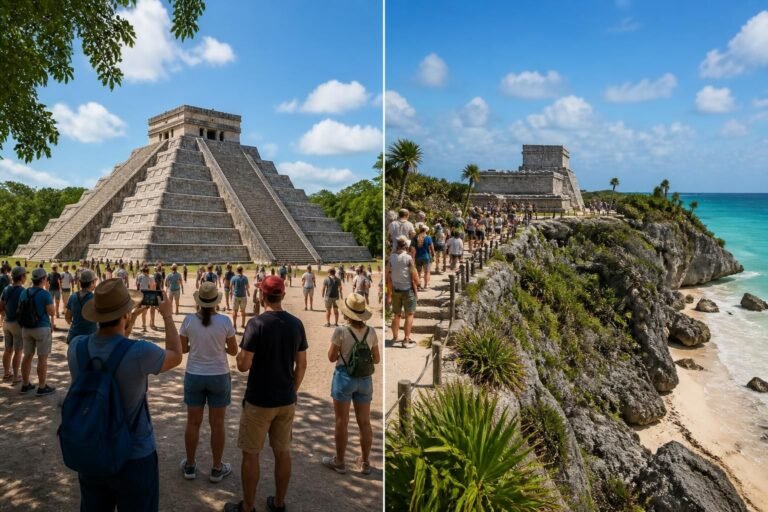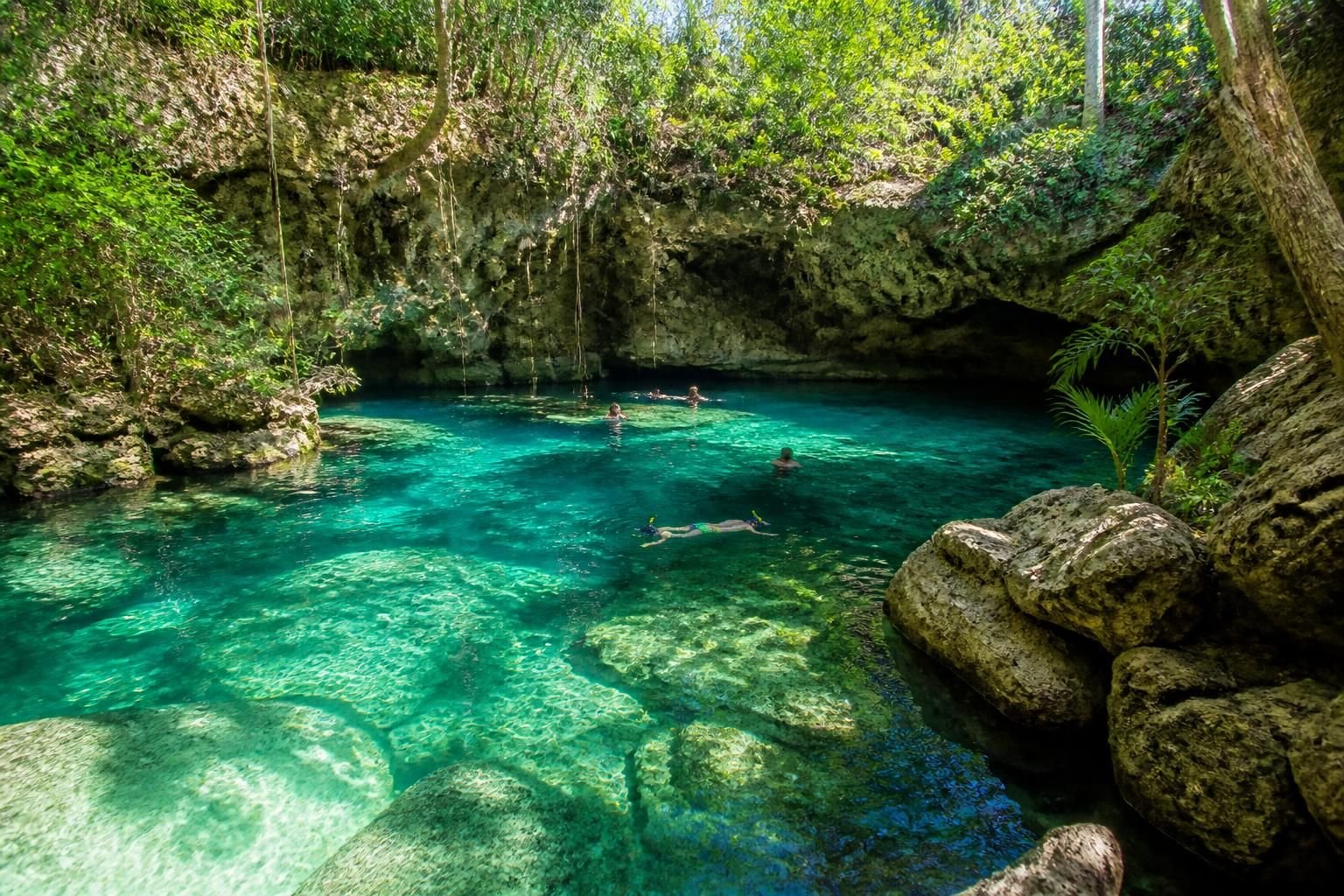

Immersed in the heart of Mexico’s Yucatán Peninsula lie cenotes—jaw-dropping natural pools that draw adventurers and explorers from around the globe. These crystal-clear freshwater sinks offer a unique blend of natural wonder, cultural history, and thrilling aquatic experiences. Far more than just swimming holes, cenotes are portals to the underground rivers that weave through ancient limestone, forming spectacular caverns steeped in Mayan mythology and eco-tourism significance. While these natural pools are celebrated for their stunning beauty and refreshing waters, navigating them requires an understanding of their types, safety practices, and environmental impacts to fully appreciate their magic responsibly.
Swimming in cenotes in Mexico encapsulates the true essence of adventure tourism, combining the joy of snorkeling and scuba diving with the reverence for sacred sites that have fascinated civilizations for centuries. The Yucatán Peninsula, famed for its dense network of these subterranean marvels, invites visitors to explore both open-air and cave-enclosed cenotes, each carrying distinct characteristics and adventures. As travelers look to experience Mexico’s profound natural and cultural heritage in 2026, cenotes remain an indispensable highlight, marrying nature’s artistry with historical depth.
Key takeaways for exploring cenotes in Mexico:
- The Yucatán Peninsula houses thousands of cenotes, varying from open natural pools to intricate underground river systems.
- Understanding the different types of cenotes—open, semi-open, and cave—is essential for planning safe and rewarding experiences.
- Swimmers and divers must adhere to strict safety tips and regulations, including the use of reef-safe sunscreen to protect fragile ecosystems.
- These natural pools are deeply embedded in Mayan culture, often considered sacred portals to the underworld.
- Eco-tourism initiatives are growing to safeguard the cenotes’ pristine condition, emphasizing responsible visitation and environmental respect.
Understanding the Unique Types of Cenotes and Their Geography in Mexico’s Yucatán Peninsula
The cenotes scattered across Mexico’s Yucatán Peninsula are as diverse as the history they carry. These natural pools result from the collapse of limestone bedrock, revealing underground freshwater reservoirs fed by complex underground river systems. They are primarily categorized into three major types: open, semi-open, and cave cenotes—each offering distinct swimming and exploration experiences.
Open cenotes resemble traditional swimming holes, surrounded by lush vegetation and bathed in natural sunlight. Their wide openings not only allow swimmers to enjoy the warmth of sunlight but also make them ideal for snorkeling and relaxed swimming. Cenote Azul near Playa del Carmen and Cenote Suytun near Valladolid are stunning examples, offering vivid turquoise waters ideal for nature photography and peaceful dips.
Semi-open cenotes feature mixed characteristics with partially covered roofs and openings that allow some sunlight to filter through. These sites provide an enchanting interplay of light and shadow, highlighting the stalactite formations above water. They offer fantastic opportunities for snorkeling enthusiasts eager to spot small fish and unique underwater formations.
Cave cenotes are the most mysterious and challenging, enclosed almost entirely by rock with small or no openings. Accessing these requires adventurous spirits eager to dive or snorkel through dark, expansive underground caverns. These cenotes often connect complex underground river systems, making them popular spots for scuba diving. The water here tends to be exceptionally clear due to its slow movement through limestone aquifers. The Cenote Ik Kil near Chichén Itzá is one of the most famous examples, frequently visited by eco-tourists and those on tours to this ancient Mayan site. For detailed tips and essentials on visiting Ik Kil, specialized guides such as the complete swimming guide to Cenote Ik Kil offer valuable insights.
These types not only define visitors’ swimming experiences but also affect the surrounding ecosystem, lighting, and temperature. Each cenote’s geological formation and water source create microhabitats supporting diverse flora and fauna, emphasizing the importance of responsible swimming and diving practices.
Swimming Safety and Environmental Preservation: Essential Guidelines for Cenote Visitors
While cenotes offer unparalleled natural beauty and adventurous swimming opportunities, they require visitors to observe strict safety and environmental guidelines to ensure personal well-being and conservation of these delicate ecosystems. Many cenotes are deeply connected to underground water systems, which demands careful consideration to avoid disrupting aquatic life and contaminating the waters.
Essential safety tips for swimming in cenotes include:
- Always use life jackets: Strong currents and varying water depths make life jackets a crucial precaution, especially in cave cenotes.
- Do not touch or disturb formations: Limestone stalactites and stalagmites are fragile and may take thousands of years to form.
- Avoid using chemical sunscreens: Mexico promotes the use of biodegradable reef-safe sunscreens to minimize damage to aquatic ecosystems.
- Stay within designated swimming areas: Many cenotes have zones marked for safety and conservation; respect all signage and guides’ instructions.
- Accompany professional guides: Especially for cave and deep cenote dives, guided tours enhance safety and educational value.
Equipped with this knowledge, visitors can swim confidently and responsibly. The importance of these practices is not trivial—the waters in cenotes are part of vital underground rivers crucial to the region’s freshwater supply. In 2026, eco-tourism initiatives have increasingly reinforced these guidelines to balance tourism growth and preservation.
Besides safety, practicing respect towards the Mayan heritage linked to cenotes enriches the experience. Many cenotes were traditional ritual sites believed to be entrances to the underworld, or “Xibalba,” and continuing respectful behaviors honors this sacred cultural context. Tours combining visits to nearby Mayan sites, such as Chichén Itzá, offer comprehensive perspectives on the interwoven nature of history and geography. Tourists interested in this cultural link can benefit from dedicated Chichén Itzá and cenote experiences.
Top Cenotes to Experience Swimming and Snorkeling Adventures in Mexico
Mexico’s Yucatán Peninsula boasts a vast array of cenotes, each offering unique landscapes and water activities. Here is a curated list of some of the most accessible and spectacular cenotes well-suited for swimming, snorkeling, or scuba diving:
| Cenote Name | Type | Activities | Location | Notable Features |
|---|---|---|---|---|
| Ik Kil | Cave | Swimming, Scuba Diving | Near Chichén Itzá | Popular tourist spot, sacred Mayan site nearby, breathtaking vertical drop |
| Cenote Azul | Open | Swimming, Snorkeling | Near Playa del Carmen | Clear shallow waters, family-friendly, abundant wildlife |
| Cenote Suytun | Semi-open | Swimming, Photography | Near Valladolid | Iconic ray of light effect, stunning limestone formations |
| Cenote Dos Ojos | Cave | Scuba Diving, Snorkeling | Near Tulum | Extensive underwater cave system, famous dive spot |
| Cenote Samula | Semi-open | Swimming | Near Valladolid | Beautiful water color, tranquil atmosphere, rich in geological features |
Visitors planning trips to these spectacular natural pools should note that many cenotes require entrance fees and are accessible through guided tours, ensuring safety and enriching the narrative behind each site. Taking a guided day trip from Playa del Carmen or Valladolid often allows visitors to experience multiple cenotes alongside significant Mayan ruins. Exploring combined day trips like Chichén Itzá and cenote visits can maximize both cultural immersion and aquatic adventure.
Equipment Essentials for Swimming and Diving in Mexico’s Cenotes
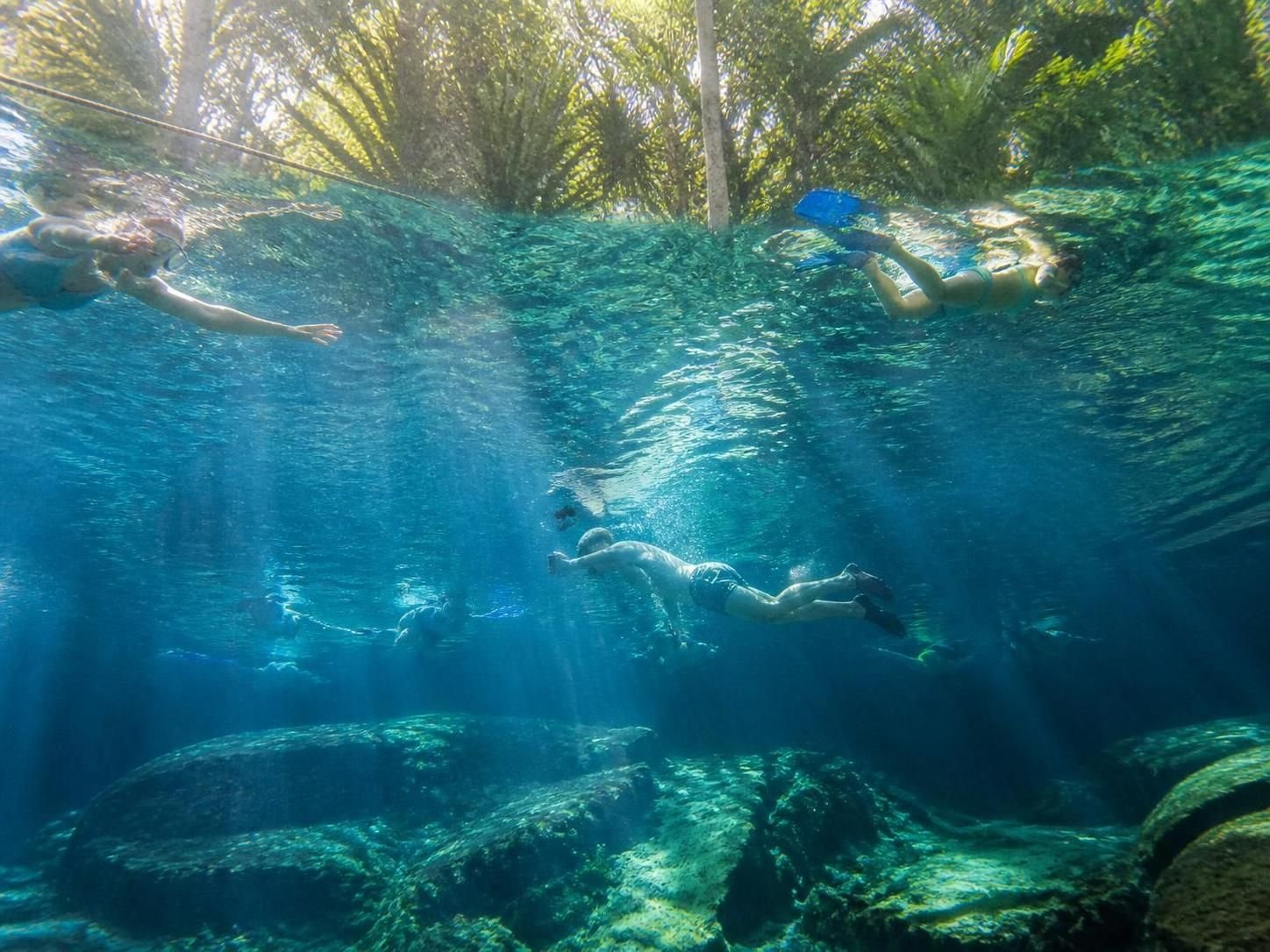
Swimming or diving in cenotes requires specialized gear to enhance the experience and guarantee safety. Unlike regular pools or coastal snorkeling, cenotes demand consideration of factors like water temperature, visibility, and underwater cave navigation.
Recommended equipment for cenote adventures includes:
- Snorkeling gear: Masks, snorkels, and fins are essential for observing underwater formations and aquatic life without disturbing the environment.
- Scuba diving equipment: For those diving in the cave cenotes, certified scuba gear and trained guides are mandatory due to complex underwater passages.
- Water shoes: Protect feet from rocks and slippery surfaces at entry points and along pathways.
- UV-protective swimwear: To avoid sunburns in open cenotes and reduce reliance on sunscreen.
- Biodegradable sunscreen: Comply with local laws prohibiting chemicals harmful to this fragile ecosystem.
- Life jacket: Ideal for swimmers of all levels, especially in deeper or cavernous cenotes.
Proper preparation ensures visitors can fully enjoy the stunning beauty of cenotes without compromising safety or environmental integrity. Packing light but smart is critical, as some cenotes have limited facilities and require visitors to bring their own towels and hydration.
Integrating Cultural Exploration and Eco-Tourism When Visiting Cenotes in Mexico
While the attraction of swimming in Mexico’s cenotes lies primarily in their natural allure, the deeper cultural relationship the Mayan civilization has with these waters enriches the experience beyond recreation. Cenotes were not just water sources; they were sacred portals believed to connect the human world with the supernatural underworld. Many archaeological sites around these cenotes reveal artifacts and ruins testifying to their spiritual significance.
Combining cenote exploration with tours of iconic Mayan landmarks such as Chichén Itzá or the ruins near Valladolid offers a holistic trip into history and natural beauty. Responsible tourism efforts encourage visitors to engage in conservation activities and support local communities through eco-tourism ventures. Participating in guided excursions that incorporate environmental education fosters appreciation and continued preservation of these natural treasures.
For travelers seeking to optimize their visit, comprehensive travel guides that cover both archaeological sites and natural wonders provide insights on how to enjoy a culturally respectful and eco-conscious trip. See guides about exploring ancient Mayan ruins alongside cenote visits to craft meaningful itineraries.
Witness serene underwater beauty juxtaposed with towering limestone formations, a typical scene when swimming or diving in these mystical pools.
This video highlights the exhilarating scuba diving experience in Yucatán’s underground rivers, revealing the grandeur of cenote ecosystems beneath the surface.
What is the best time of year to swim in cenotes?
The dry season from November to April is ideal due to clearer waters and fewer interruptions from rain, which can affect water clarity and safety.
Are there age or physical restrictions for swimming in cenotes?
Most cenotes are family-friendly but some cave cenotes require a good level of mobility and swimming skill. Guided tours often have specific rules to ensure safety.
Can beginners snorkel or dive in cenotes?
Open and semi-open cenotes are suitable for beginner snorkelers. Cave cenotes require certified scuba divers with experience due to their complexity and depth.
How can visitors respect the natural environment while visiting cenotes?
Use biodegradable sunscreens, avoid touching formations, don’t litter, and follow all local regulations to minimize impact on these sensitive ecosystems.
Are guided tours necessary for visiting cenotes?
Guided tours enhance both safety and the educational value of visits, especially for cave cenotes or combined cultural and natural site experiences.