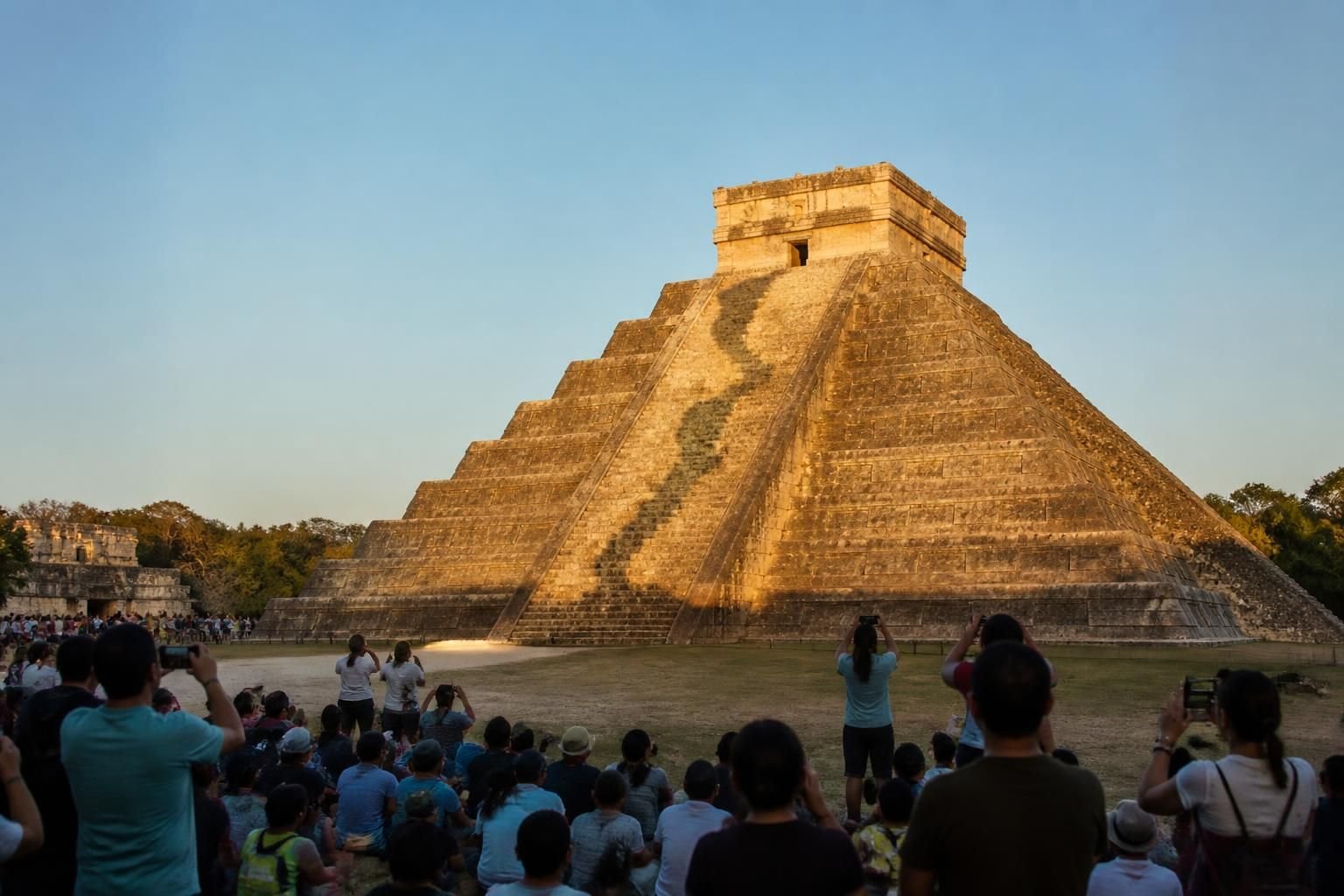

The spring equinox at Chichen Itza is more than a simple astronomical event; it is a powerful cultural phenomenon that draws visitors worldwide. Celebrated for the mesmerizing interplay of light and shadow on the El Castillo pyramid, this event reflects the profound understanding of astronomy, architecture, and symbolism achieved by the ancient Maya civilization. As the sun reaches a precise angle, it casts a series of triangular shadows down the pyramid’s northern staircase, morphing into the illusion of a descending shadow serpent known as Kukulcán — the feathered serpent deity. This spectacle attracts large crowds of history enthusiasts, spiritual seekers, and travelers fascinated by archaeoastronomy and ancient architecture.
Understanding what to expect during the spring equinox involves exploring the event’s historical significance, visitor experience, logistical considerations, and broader cultural context. From the vibrant atmosphere woven with energy and anticipation to practical advice on timing your visit, everything converges to offer a once-in-a-lifetime glimpse into how ancient Maya builders aligned their constructions with celestial rhythms. The spring equinox not only highlights Chichen Itza as a prime tourist attraction but also emphasizes the enduring legacy embedded in this historical site. For a richer preparation, travelers can refer to resources like detailed visitor guides on Chichen Itza day trips, which unlock invaluable tips and insights.
In brief:
- The spring equinox triggers a unique shadow serpent phenomenon on El Castillo, symbolizing the descent of Kukulcán.
- The event showcases the sophisticated solar alignment and architectural mastery of the Maya civilization.
- Visitors should anticipate large crowds, hot conditions, and early arrival to secure optimal viewing spots.
- Guided tours offer an enhanced experience with historical context and logistical ease.
- Choosing to visit just before or after the equinox provides similar visual effects with fewer tourists.
The Phenomenon of the Shadow Serpent: A Marvel of Ancient Architecture
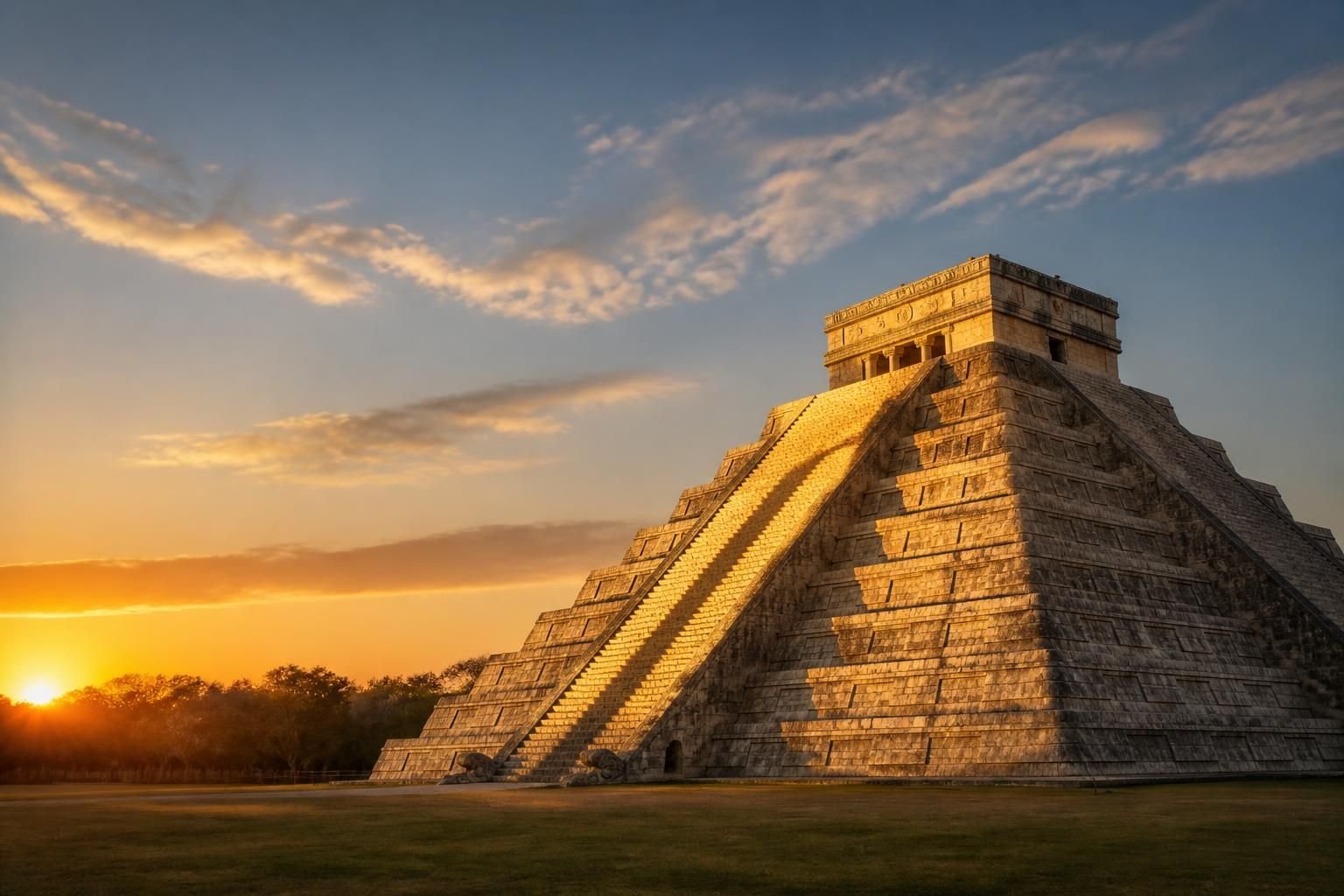
At the heart of the spring equinox attraction at Chichen Itza lies the breathtaking shadow serpent — a wondrous interplay of light, shadow, and stone carvings on El Castillo’s iconic pyramid. This pyramid, also known as the Temple of Kukulcán, was ingeniously designed with astronomical precision to correspond with celestial events. Around the equinoxes, the afternoon sun casts a shadow along the edges of the pyramid’s stepped balustrades, creating a sequence of triangular shapes that appear to connect to a serpent head sculpture carved at the pyramid’s base.
The illusion of a giant serpent slithering down the northern staircase lasts for approximately two and a half hours before sunset. As the sun lowers on the horizon, the sharp angle of sunlight causes the shadows to progressively align and intensify, drawing the eye toward the enormous stone serpent head at the bottom. This striking visual is a vivid representation of Kukulcán’s mythical descent from the heavens, symbolizing renewal, fertility, and the cyclical nature of time as worshiped by the Maya.
Behind this captivating display is a testament to the ancient Maya’s advanced knowledge of solar cycles and geometry. The pyramid holds 365 steps — one for each day in the solar year — arranged in nine terraces representing the cosmological layers of the underworld and heavens. This meticulous construction turns the entire structure not only into a religious icon but also into a solar calendar. Chichen Itza’s shadow serpent phenomenon is widely held as a paragon of archaeoastronomy, drawing scholars and travelers alike to appreciate the genius of Maya architecture.
Beyond the visual spectacle, visitors often notice unique acoustic effects at the site. For example, clapping near the base of El Castillo produces a bird-like echo reminiscent of the quetzal’s call, a bird sacred to the Maya, reinforcing the spiritual ambience of the event. For those interested in delving deeper into related mysteries, comprehensive explorations such as a study of Kukulcán pyramid’s architectural secrets provide a richer understanding of this ancient marvel.
Planning Your Visit: Timing, Crowds, and Logistics During the Spring Equinox
Visiting Chichen Itza during the spring equinox requires advanced planning to ensure a positive experience amid the increased popularity of this cultural event. The equinox typically occurs around March 20 or 21, coinciding with the dry season in the Yucatán Peninsula, which brings warm, sunny weather with daytime temperatures frequently surpassing 30°C (86°F). The region’s limited shade means visitors face high heat and direct sun exposure, making sun protection, hydration, and early arrival indispensable.
Chichen Itza sees a noticeable surge in visitors during the days surrounding the equinox, especially on the exact date when thousands flock to witness the shadow serpent phenomenon firsthand. The northern side of El Castillo becomes the epicenter of activity, with tourists arriving hours ahead of the spectacle to claim vantage points in front of the pyramid’s staircase. This crowd density can lead to slower movement, longer waits, and challenges securing an unobstructed view for photographs.
To navigate these logistics effectively:
- Arrive early: Aim for arrival by mid-morning (around 10-11 AM) to enjoy quieter areas of the archaeological zone before positioning for the evening event.
- Hydrate and protect: Bring at least 2 liters of water plus sunblock, hats, and UV-protective clothing to guard against a powerful sun.
- Prepare for crowds: Expect organized queues and designated viewing areas; patience and respect for fellow visitors enhance the day.
- Advance tickets: Purchase entry tickets ahead of time, either online or through authorized vendors, to bypass long lines. More information about ticket purchase methods can be found in this ticket buying guide.
- Transport and parking: Traffic around the site will be heavier, so consider shuttle services or tours that simplify arrival and departure logistics.
Interestingly, visiting just a day or two before or after the equinox will often still allow visitors to witness the shadow serpent illusion. The phenomenon spans several days, though crowd sizes drop significantly, offering a more relaxed atmosphere while maintaining nearly the same visual experience. Travelers seeking a balance of spectacle and tranquility may prefer this option.
For those prioritizing comfort and deep cultural understanding, participating in guided tours, especially those designed for equinox events, can streamline the experience, reduce stress, and add meaningful insights while navigating crowds effectively. Several companies offer tailored tours departing from Playa del Carmen, Cancun, or Tulum, focusing on peak viewing and historical interpretation; more details about these tours are accessible at specialized tour options from Playa del Carmen.
The Role of the Spring Equinox in Maya Astronomy and Culture
The Mayan civilization was renowned for its advanced knowledge of celestial cycles, which permeated their culture, religion, and architectural designs. The spring equinox held particular symbolism as a time when day and night achieve balance, signaling cycles of rebirth and renewal. Chichen Itza’s alignment during the spring equinox reflects this cultural significance, embodying a celestial dance between the sun and sacred architectural elements.
The feathered serpent deity Kukulcán represents creation, fertility, and authority throughout Maya mythology. The descending shadow serpent visible on El Castillo captures the essence of Kukulcán’s mythic descent to Earth, a moment signaling the start of a new agricultural cycle and the affirmation of cosmic order. This manifestation of the divine through shadow and light also served as a calendar indicator, reminding ancient Mayans of the precise timing for planting and rituals.
Other structures within Chichen Itza further reinforce the site’s astronomical import. For instance, El Caracol Observatory is designed to track the movements of planets, especially Venus, while the Great Ball Court’s orientation aligns with solar events. Such multi-layered architectural planning speaks to the Maya’s holistic view of the cosmos, where science, spirituality, and social order intertwine seamlessly.
Visitors witnessing the spring equinox at Chichen Itza do not merely observe an optical illusion; they engage with an ancient calendar system that integrates astronomy and religion. This connection to Maya heritage transforms the event into a profound cultural experience, beyond what a typical tourist attraction can offer. For an extended dive into these themes, explore resources such as historical overviews of Chichen Itza’s pyramids and their significance.
Visitor Experience: What to Expect and How to Make the Most of Your Trip
Attending the spring equinox at Chichen Itza promises an unforgettable experience steeped in cultural richness and awe-inspiring natural spectacle. However, prospective visitors should be aware of what to expect to prepare adequately and maximize enjoyment during their stay at the historical site.
First, the atmosphere is charged with anticipation and communal energy as thousands gather to witness the shadow serpent’s descent. The crowd’s size can be overwhelming but also contributes to a unique event-day vibrancy. Patience and cooperation among visitors enhance this dynamic.
Photography enthusiasts should arrive early to capture images with fewer obstructions and ideal lighting conditions. The shadow serpent effect intensifies closer to sunset, so planning for the entire afternoon at the site is wise. Additionally, be mindful that the area offers limited amenities, so bringing snacks and water is advisable.
Access to the site may have specific protocols during equinox periods, such as controlled entry to certain sections to manage crowds. Checking the latest updates from official sources or trusted guides helps avoid surprises. Safety measures to protect both visitors and the ruins themselves are stringent, especially during high-traffic events.
Many visitors opt for guided tours that not only simplify logistics but also provide expert commentary on the cultural and historical context of both the equinox and the Mayan ruins overall. Tours tailored to equinox visitors excel in timing their arrival to optimize viewings of the shadow serpent, ensuring a hassle-free experience free from long queues and parking difficulties.
To prepare visitors thoroughly, here is a checklist of key items and actions recommended for anyone visiting Chichen Itza during the spring equinox:
- Early arrival (preferably before 11 AM)
- Light, breathable clothing and sun protection gear
- At least 2 liters of water per person
- Tickets purchased in advance
- A good camera with zoom capabilities
- A guidebook or use of a guided tour for context
- Patience and respectful behavior in crowded areas
This list is designed to enhance comfort, enjoyment, and safety amidst the high energy and dense crowds characteristic of peak cultural events. For more about avoiding crowds and other timing tips, see our advice on the optimal visit strategies for 2026.
Spring Equinox Visit at Chichen Itza: Comparative Overview
| Aspect | Equinox Day Visit | Regular Visit |
|---|---|---|
| Visitor Density | Very high—large crowds expected | Moderate to low; quieter exploration |
| Visual Experience | Shadow serpent visible, unique atmosphere | No shadow serpent; focus on architecture and history |
| Weather Conditions | Hot, dry, direct sun exposure | Varies by season; generally calmer |
| Timing Flexibility | Limited due to event scheduling | Flexible; can explore freely |
| Logistical Complexity | Higher—traffic, lines, parking challenges | Simpler; easier transport and parking |
When exactly does the shadow serpent appear on El Castillo?
The shadow serpent effect appears during the late afternoon of the spring equinox, typically between 3:00 PM and 5:30 PM, gradually forming as the sun sets.
Is it better to visit on the equinox day or nearby dates?
Visiting on the exact equinox day offers the full event atmosphere and the spectacle in its peak form, but visiting a few days before or after provides the same visual effect with far fewer crowds.
Are guided tours recommended during the spring equinox?
Yes, guided tours are highly recommended for managing logistics, understanding historical context, and securing good viewing spots amid the large crowds.
What should visitors bring for the equinox visit?
Visitors should bring plenty of water, sun protection, comfortable clothing, advance tickets, and patience for crowds to ensure a safe and enjoyable experience.
What makes Chichen Itza’s equinox event unique compared to other Mayan ruins?
Chichen Itza’s alignment and shadow serpent phenomenon are particularly well-preserved and visually spectacular, showcasing the apex of Maya ancient architecture and astronomy.