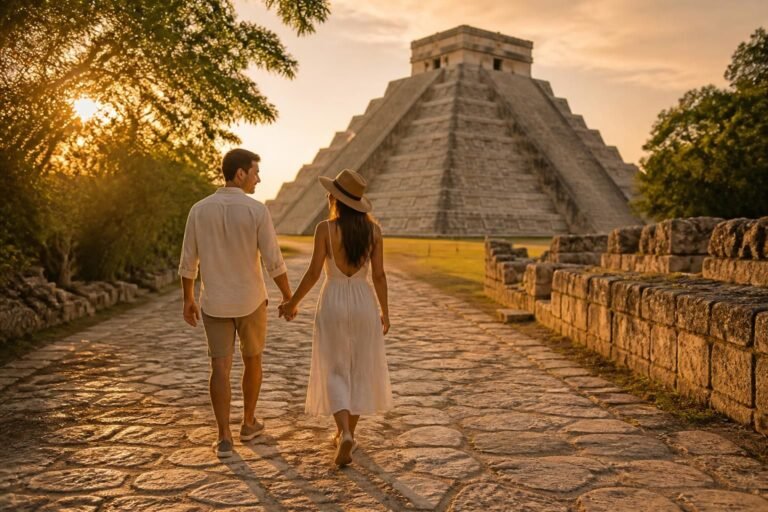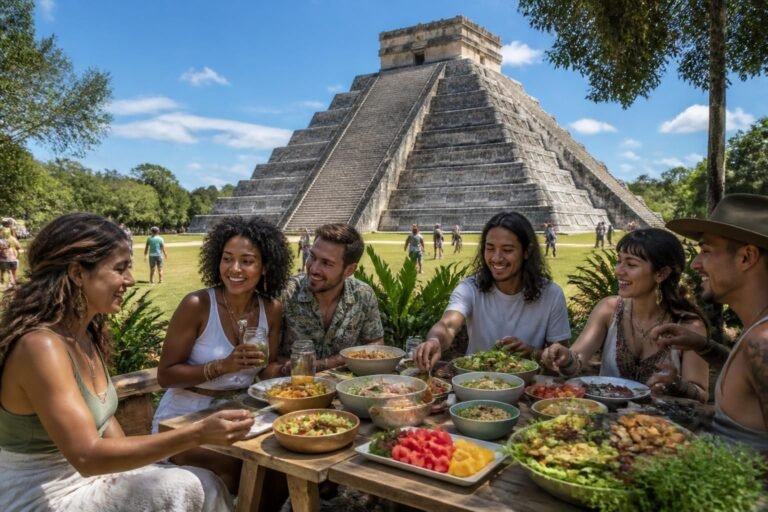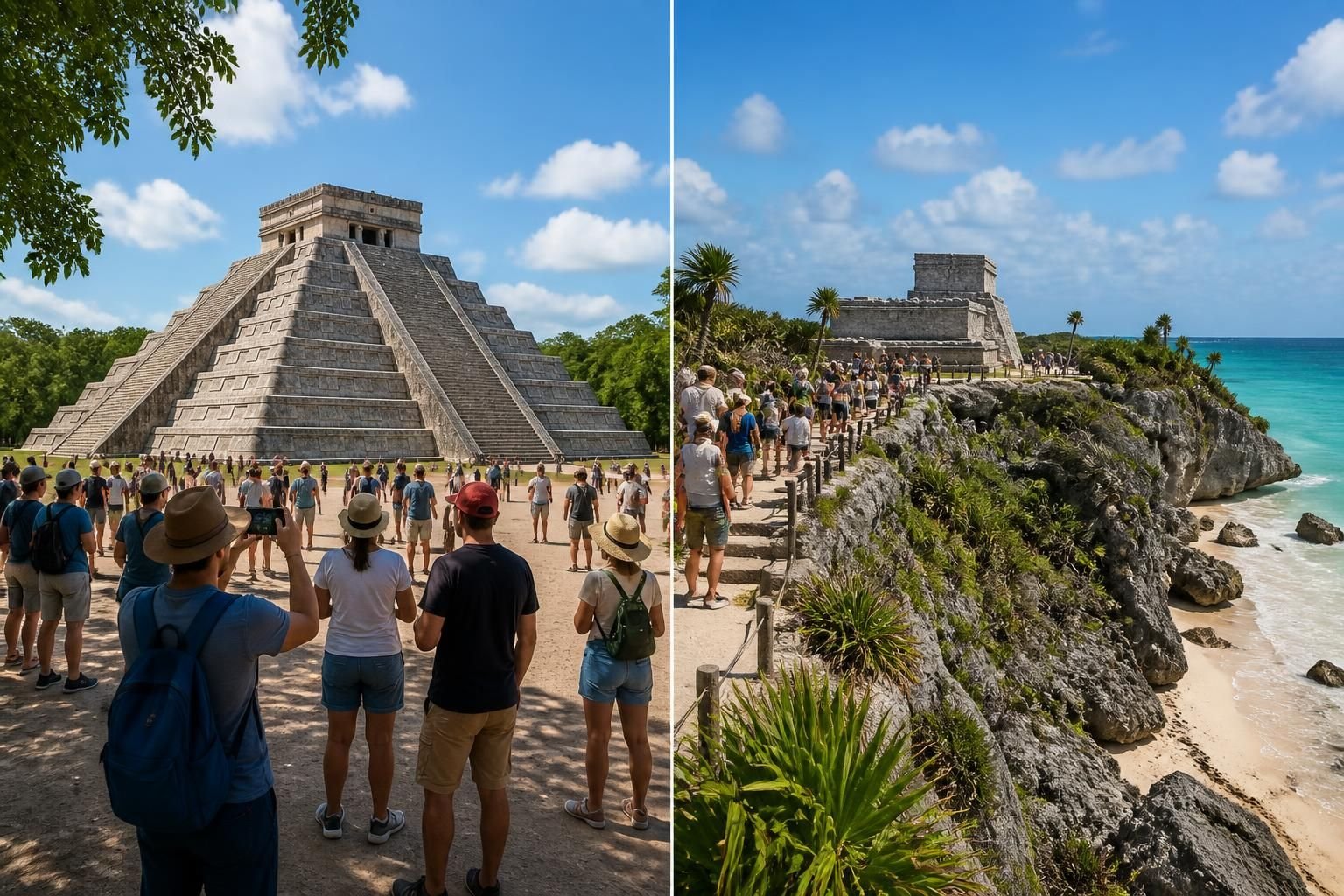

Comparing two of Mexico’s most iconic archaeological sites, the Chichen Itza and Tulum ruins offer distinct experiences reflective of their historical significance, architectural grandeur, and visitor engagement. Each site unravels unique stories from the ancient Mayan civilization, captivating travelers with fascinating insights into cultural heritage. From Chichen Itza’s vast scope and world-famous pyramid to Tulum’s picturesque cliffside setting overlooking the Caribbean Sea, these ruins showcase varying facets of Mayan history and archaeology, compelling visitors to deliberate which site aligns best with their travel interests and styles.
In brief, choosing between Chichen Itza and Tulum ruins depends largely on visitors’ preferences for scale, setting, and immersion in cultural lore. Chichen Itza stands as a monumental testament to Mayan engineering and astronomy, enticing history enthusiasts and architecture admirers who can dedicate several hours to explore its extensive grounds. Conversely, Tulum offers an intimate, scenic experience with its compact site and stunning backdrop, ideal for travelers seeking a blend of archaeological intrigue and coastal beauty. Both locations provide valuable travel tips concerning timing, accessibility, and nearby activities, ensuring visitors make the most of their journeys into Mexico’s ancient past.
Historical Comparison: Unveiling the Mayan Civilization through Chichen Itza and Tulum Ruins
The ancient Mayan civilization left a profound imprint on the Yucatán Peninsula, with Chichen Itza and Tulum serving as enduring symbols of its cultural richness and architectural prowess. Chichen Itza’s development spanned the Classic to Postclassic period (approximately 600 to 1200 CE), positioning it as a powerful political and religious center in the interior Yucatán jungle. This sprawling site, covering nearly two square miles with over a dozen major structures, reflects the grandeur of Mayan society, governance, and astronomical knowledge.
At the heart of Chichen Itza lies El Castillo, the Pyramid of Kukulkán, embodying sophisticated calendar systems through its 365-step design corresponding to the solar year. Twice annually during equinoxes, the pyramid exhibits a shadow serpent phenomenon that draws visitors worldwide, underscoring the Mayans’ astronomical precision. Additionally, landmarks such as the Great Ball Court—the largest in Mesoamerica with remarkable acoustics—and the El Caracol Observatory highlight the city’s multifaceted role in sports, science, and ritual practices.
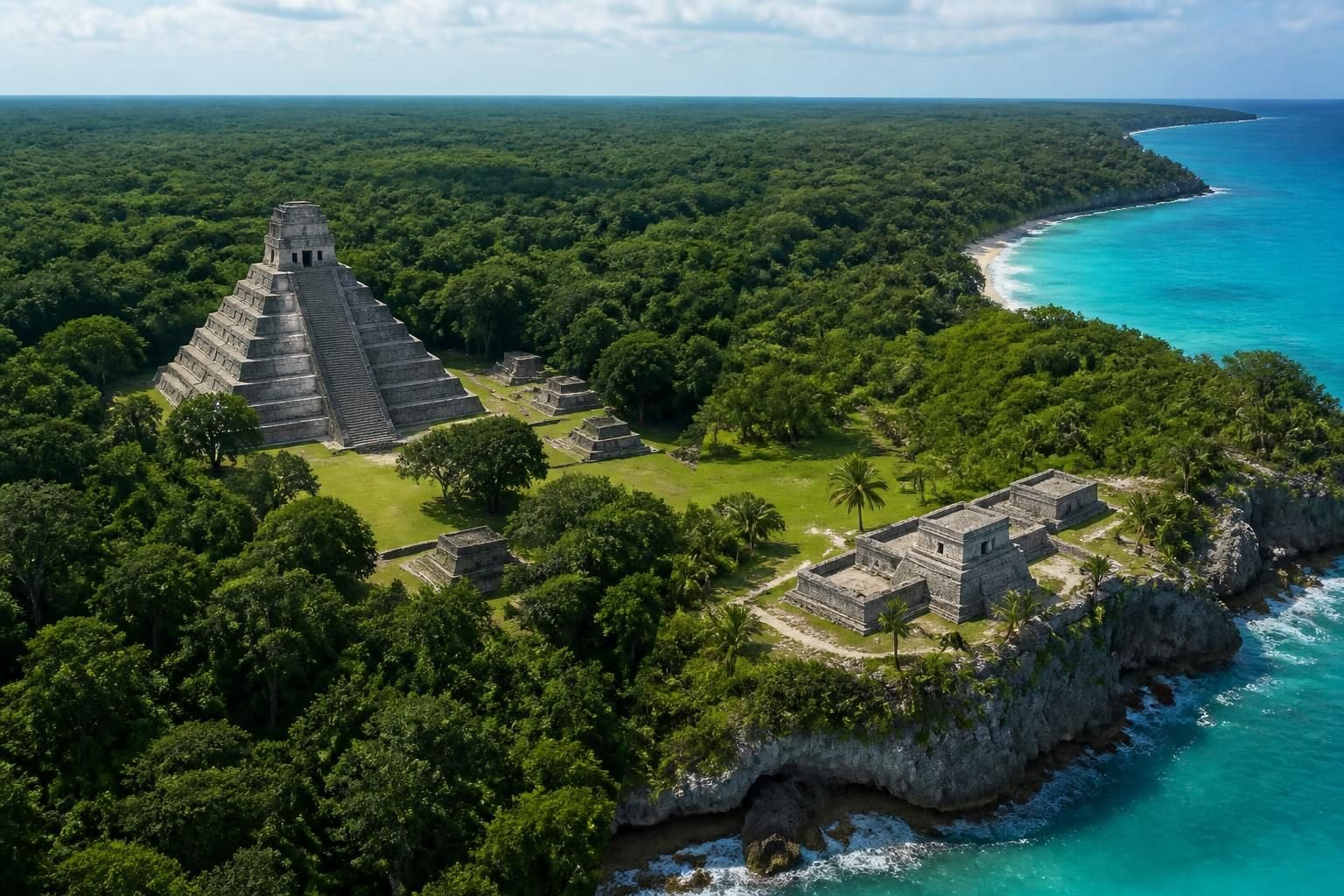
By contrast, Tulum represents a late Postclassic Mayan city dating between 1200 and 1450 CE, recognized as one of the final bastions of pre-Columbian Mayan culture. Its significance stems not only from its archaeological features but also from its unique coastal location atop limestone cliffs overlooking the turquoise Caribbean Sea. This coastal setting was integral to its function as a bustling trading port, linking the Mayan interior with maritime routes. The site’s smaller scale—about 15 acres with 60 structures—makes it manageable for most travelers, emphasizing architectural elegance over monumental scale.
The main emblem of Tulum is its clifftop Temple of the Frescoes and the iconic El Castillo, serving as a watchtower and spiritual center facing the sea. Richly decorated murals offer rare insights into Mayan art and religious beliefs, contrasting with the somber, monumental stonework of Chichen Itza. This divergence in architectural styles and site layouts invites visitors to appreciate different epochs and geographical adaptations of the Mayan people, painting a layered historical tableau that enriches the understanding of ancient history.
Visitor Experiences: Access, Crowds, and On-Site Engagement at Chichen Itza and Tulum
When planning a visit to the Yucatán’s prominent archaeological sites, expectations often pivot on accessibility, crowd dynamics, and the depth of on-site educational resources. Chichen Itza, as one of the New Seven Wonders of the World and a UNESCO World Heritage Site, attracts large crowds ranging up to 3,000 visitors daily under current regulations. This popularity demands strategic planning, often recommending early morning arrivals at 8:00 AM to avoid peak heat and bus influxes.
Due to its expansive nature, exploring Chichen Itza typically requires between three to four hours, or even a full day for enthusiasts delving into its numerous structures. Visitor amenities such as multilingual signage, optional guided tours, and site maps enhance interpretative experiences, though many travelers opt for professional guides to uncover the rich symbolism and narratives embedded in the architecture. Nearby facilities include rest areas and food vendors, but visitors are advised to bring water and sun protection due to limited shade.
Tulum ruins, contrasted against Chichen Itza, offer a markedly different visitor experience. The site’s compact layout, covering only about 15 acres, allows most tourists to complete a thorough visit in one to two hours. Its proximity to Tulum town and short 10 to 15-minute drive from many Riviera Maya accommodations increase accessibility. Tulum attracts a diverse crowd, including families and beach lovers, drawn as much to the scenic ocean vistas as to the archaeological significance.
From the archaeological zone, visitors can access a pristine beach below the cliffs, a rare feature among Mayan sites, where swimming in clear Caribbean waters can follow historical exploration. The availability of a tram shuttle from parking to the site’s entrance adds convenience for older travelers or those with mobility considerations. The crowds at Tulum can be substantial, especially mid-day, hence early visits around the 8:00 AM opening time are similarly recommended. Visitor facilities are well-maintained, with restrooms and souvenir shops complementing the experience.
In both locations, a prepared traveler benefits from packing essentials such as comfortable walking shoes, refillable water bottles, reef-safe sunscreen, and light clothing to endure the tropical climate comfortably. Cash in Mexican pesos is crucial at Chichen Itza, as payment machines are often unreliable, whereas Tulum’s lower entrance fee offers a more budget-friendly option. This practical knowledge enhances overall enjoyment and ensures seamless exploration of these remarkable archaeological sites.
Key visitor tips for both sites:
- Arrive early (ideally at opening) to avoid crowds and midday heat.
- Carry sufficient water and sun protection due to limited shade.
- Consider guided tours in Chichen Itza for enriched historical context.
- Bring cash for entrance and amenities, especially at Chichen Itza.
- Combine visits with nearby attractions like Cenote Ik Kil near Chichen Itza or Playa Paraiso beach near Tulum.
Travel Logistics and Surrounding Attractions Enhancing the Mayan Ruins Experience
Access to Chichen Itza and Tulum varies considerably and plays a significant role in itinerary planning for travelers venturing into these emblematic Mayan sites. Chichen Itza lies inland in the state of Yucatán, approximately 2.5 hours by car from the Riviera Maya resort areas such as Playa del Carmen and Tulum. For many visitors, particularly those staying in Cancun or Mérida, the journey can extend around two to three hours, and toll roads typically shorten travel time, albeit with additional costs payable in pesos.
Despite the longer travel time, Chichen Itza’s immersion in the lush Yucatan jungle atmosphere and the proximity to authentic colonial towns like Valladolid enrich the visitor’s cultural exploration. Valladolid serves as an excellent pit stop offering charming plazas, traditional Yucatecan cuisine, and artisan markets. Overnight stays in the nearby town of Pisté allow visitors an early start to maximize time spent at the archaeological site and avoid tourist crowds.
On the other hand, Tulum’s location along the Caribbean coast allows for effortless day trips from the Riviera Maya hotels and resorts, with a drive typically less than 30 minutes from central Tulum or nearby beach destinations. This convenience makes it possible to pair a visit with leisurely beach excursions, snorkeling, or exploring nearby cenotes such as Grand Cenote and Cenote Cristal.
Additionally, visitors seeking a middle-ground experience often consider the Coba ruins, located about 45 minutes from Tulum. Though less frequented, Coba offers an adventurous environment with vast jungle paths and ancient sacbeob (white stone roads) connecting temples that can be explored by bike or pedicab. This site balances the historical depth of Chichen Itza with the manageable size of Tulum and appeals to travelers desiring quieter, more immersive encounters with Mayan heritage.
| Feature | Tulum Ruins | Chichen Itza |
|---|---|---|
| Location | Caribbean coast, Quintana Roo | Yucatán jungle interior |
| Size | ~15 acres, 60 structures | Nearly 2 square miles, extensive complex |
| Time Required | 1-2 hours | 3-4 hours or more |
| Entry Fee | Approx. 90 MXN (~$5 USD) | Approx. 648 MXN (~$33 USD) |
| Travel from Riviera Maya | ~15 min from Tulum town | 2.5 hours by car |
| Key Highlight | Clifftop El Castillo, beach access | Pyramid of Kukulkán, Great Ball Court |
| Crowd Level | High, manageable with early arrival | Very high, arrive early to avoid crowds |
Architectural and Cultural Heritage: Symbolism and Local Significance of Each Site
The architectural achievements in both Chichen Itza and Tulum reflect profound Mayan cosmology, social organization, and their interaction with the natural environment. El Castillo in Chichen Itza epitomizes the fusion of astronomy and spirituality. The pyramid’s staircases represent the days of the solar year, while the equinox serpent shadow exemplifies the Mayans’ mastery over light and stone. This architectural grandeur and its widespread recognition continue to inspire awe, reinforcing Chichen Itza’s status as a pinnacle of ancient history.
Tulum, though smaller in scale, carries immense cultural significance as a coastal fortress and trading hub. The placement of its main temple on a sheer cliff overlooking the Caribbean was both strategic for defense and sacred for ceremonies honoring sea deities. The site’s frescoes, particularly in the Temple of the Frescoes, serve as rare visual chronicles of Mayan mythology and rituals, preserved through centuries.
From a cultural tourism perspective, both sites integrate their historical narratives into the modern visitor experience, offering insights into indigenous knowledge, Mayan calendar systems, and their sophisticated urban planning. Events such as lighting ceremonies at Chichen Itza and guided tours in Tulum underscore the efforts to preserve and promote this heritage responsibly.
Planning Your Visit: Combining Ruins, Natural Wonders, and Authentic Local Experiences
Planning an itinerary to encompass both Chichen Itza and Tulum ruins maximizes the appreciation for Mayan ingenuity and diverse landscapes. For travelers with time constraints, prioritizing Tulum makes it possible to enjoy significant archaeological insights along with beach access and comfortable travel logistics. Families and casual tourists often favor Tulum for its manageable size, scenic surroundings, and accessible shuttle service.
Meanwhile, visitors with a passion for history, architecture, and extensive exploration typically allocate a full day to Chichen Itza, capitalizing on early arrival, guided tours, and the chance to visit nearby attractions like Cenote Ik Kil. Pairing a visit to these sites with stops in charming towns such as Valladolid enriches the cultural tapestry of the journey while providing diverse culinary and artisanal experiences.
Alternately, a multi-day itinerary could include Coba ruins for a quieter, more adventurous exploration, incorporating biking among ancient roads and secluded temples, along with swimming in remarkable cenotes. This approach offers a balanced perspective on Mayan civilization across coastal and jungle environments.
Exploring the equinox shadow serpent phenomenon at El Castillo is a captivating event, illustrating Mayan astronomical expertise brilliantly.
The guided tour of Tulum ruins highlights its unique position as the only major Mayan archaeological site along the Caribbean coast, blending history with breathtaking vistas.
Is it possible to visit both Chichen Itza and Tulum in one day?
Visiting both sites in one day is feasible but demanding. The drive between the two is approximately 2 to 2.5 hours each way, and exploring either properly requires significant time. For a more enjoyable experience, visiting on separate days is recommended.
Are guided tours necessary at these archaeological sites?
Guides are optional but highly beneficial, especially at Chichen Itza. They provide rich historical context and explanations of architectural symbolism, enhancing visitor understanding and appreciation.
What is the best time of day to visit to avoid crowds?
Early morning at the opening time (around 8:00 AM) is ideal to beat large crowds and avoid the midday heat at both Chichen Itza and Tulum.
Can visitors swim near the ruins?
At Tulum, visitors can swim at the beach located just below the cliffside ruins, providing a refreshing addition to the archaeological visit. At Chichen Itza, nearby cenotes such as Ik Kil offer swim opportunities after exploring.
Is there wheelchair accessibility at the ruins?
Both sites have made improvements for accessibility. Tulum includes a tram shuttle to reduce walking distances, and Chichen Itza has entrance paths accommodating wheelchair users, though the terrain can still be challenging in some areas.