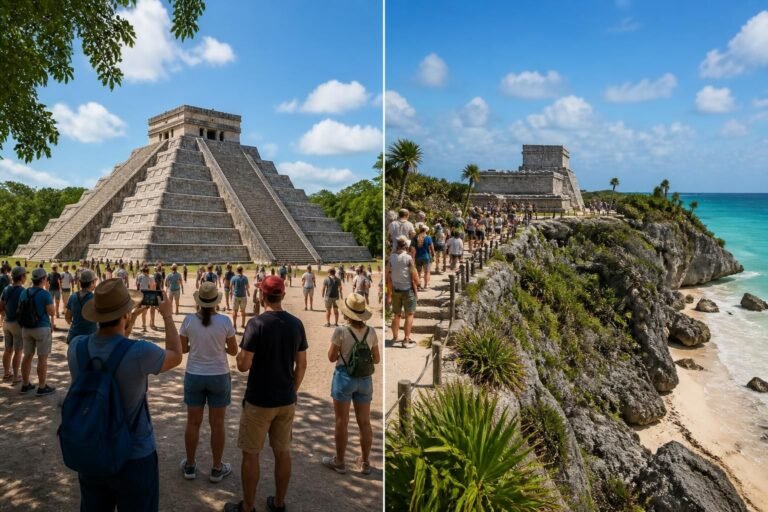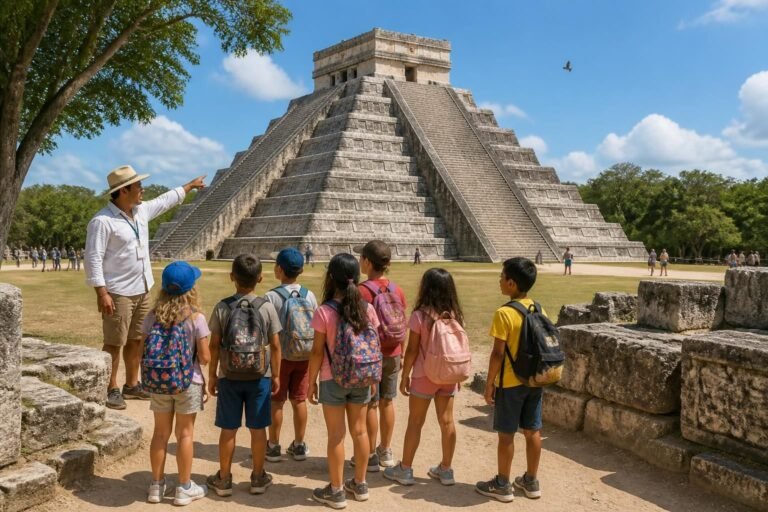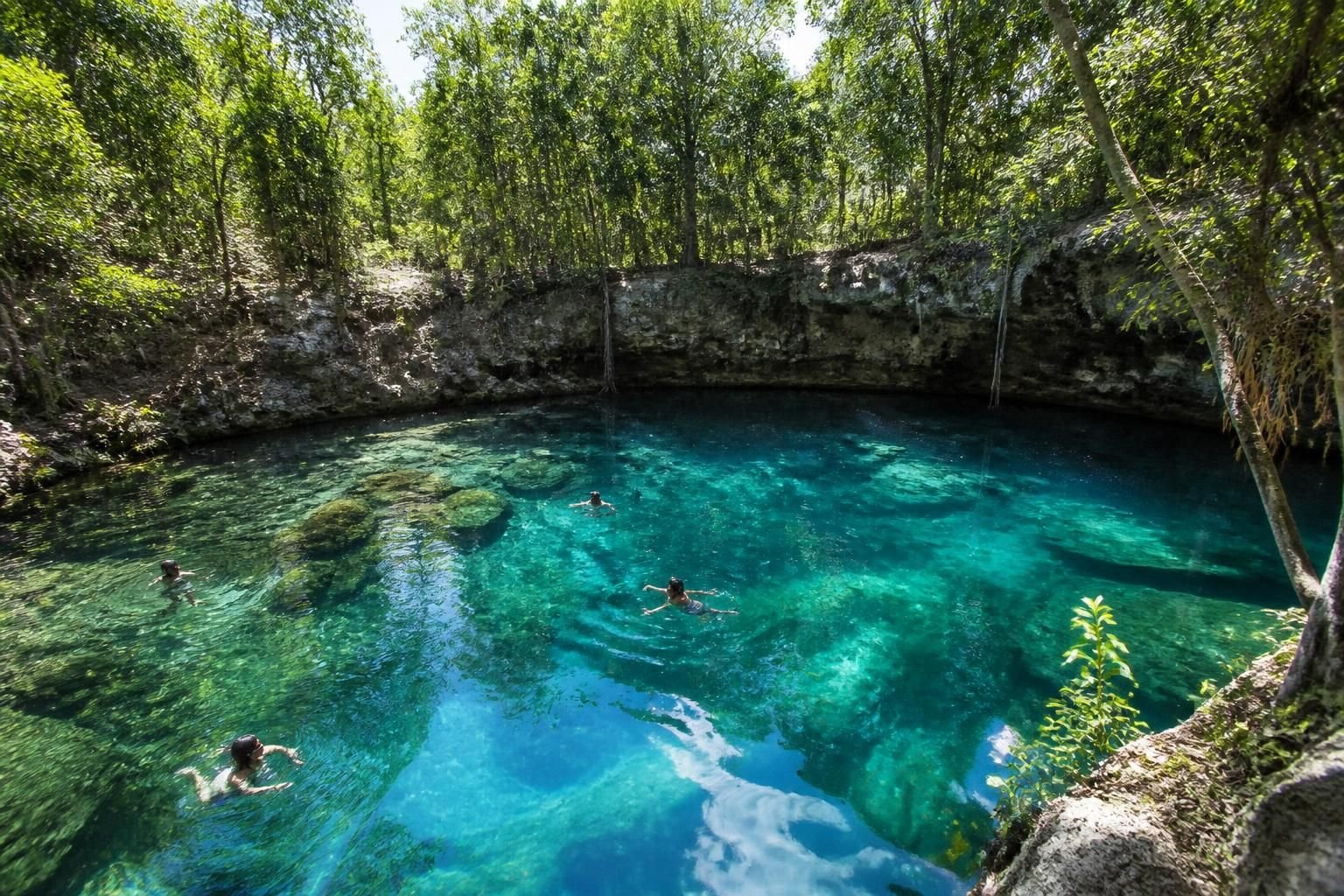

Exploring the magnificent ruins of Chichen Itza offers a profound glimpse into the rich Maya heritage, but the true essence of the Yucatan Peninsula’s allure often continues beyond the ancient stone temples. Nestled in this tropical landscape, cenotes — natural pools formed by the collapse of limestone bedrock — provide cool, refreshing waters that offer a perfect escape after a day among the archaeological wonders. Locating the best cenote near Chichen Itza can transform your visit from a mere tour into an unforgettable swim intertwined with natural beauty and cultural significance.
These unique natural pools range from open pits adorned with flourishing vegetation to mysterious underground caves featuring shafts of light piercing through stony ceilings. Centuries ago, cenotes were sacred sites for the Maya people, meant for ritual offerings and spiritual communion. Today, these water-filled sinkholes offer visitors a chance to immerse themselves in crystal-clear waters, providing a blend of adventure, relaxation, and a raw connection to nature. With so many options around Chichen Itza, choosing the perfect cenote depends on travel preferences, timing, and the kind of water adventure sought.
Visitors often seek cenotes that combine accessibility, tranquility, and facilities such as changing rooms and dining areas to create a seamless day trip. Popular spots offer iconic photo opportunities beneath hanging vines and deep blue waters, while hidden gems afford quieter, more intimate experiences that many travelers cherish. As a tourist destination, the Yucatan Peninsula extends an invitation to dive into these cenotes, each offering a unique experience that complements the historical splendor of the nearby Mayan ruins.
The ideal choice of cenote after visiting Chichen Itza can vary drastically between those looking to capture stunning photographs and those prioritizing a peaceful swim away from crowds. In 2026, the quest to find the best cenote combines logistical planning with an appreciation for the cultural and natural heritage embedded in these water-filled caverns. Discovering the right cenote enriches the visit, making the swim not just a refreshing break but an unforgettable memory etched in the backdrop of Mexico’s Yucatan Peninsula.
Key Highlights:
- Perfect blend of cultural exploration and natural retreat at cenotes near Chichen Itza
- Options ranging from iconic tourist spots to community-run, secluded natural pools
- Criteria such as crowd levels, amenities, accessibility, and location shape the best choice
- Essential travel tips include timing your visit early for fewer crowds and choosing your cenote based on travel direction
- Advice on practicalities like biodegradable sunscreen, water shoes, and local etiquette ensures safe, eco-friendly enjoyment
Unveiling the Iconic Cenote Ik Kil: The Classic Swim After Chichen Itza
Just a short 3-kilometer drive from the Chichen Itza ruins lies Cenote Ik Kil, arguably the most famous and widely visited cenote in the region. It has garnered fame not only for its breathtaking natural beauty but also as a quintessential part of the Chichen Itza experience. This open-pit cenote plunges nearly 26 meters deep, surrounded by lush vines that cascade toward the shimmering blue water. Its dramatic setting under the open sky makes it a photographer’s dream and a magnet for travelers seeking that perfect snapshot to commemorate their trip to the Mayan ruins.
Visitors to Ik Kil in 2026 will find well-organized facilities that include changing rooms, showers, restaurants, and lifeguards, enhancing comfort and safety. However, the cenote’s popularity means it can get quite crowded, especially after 11 AM when numerous tour buses arrive. To enjoy a more serene swimming experience and capture stunning photos, early arrival before 10 AM is strongly recommended. For those fascinated by history and culture, many guided tours combine visits to the ruins with Ik Kil, ensuring insight alongside natural splendor.
The cenote’s depth and clear water make swimming an unforgettable adventure, but it’s important to note that access requires a descent down stairs, which may not suit everyone. Snorkeling equipment is also available for rent, adding another layer to your water adventure, allowing exploration of the underwater environment filled with fish and rock formations. Its proximity to Chichen Itza ensures it remains a practical destination for visitors who wish to cool off after exploring the ruins, creating a perfect balance between historical immersion and refreshing recreation.
For detailed preparation and what to expect when visiting Ik Kil, an extensive complete swimming guide to Cenote Ik Kil gives practical advice on entry fees, transportation, and insider tips to optimize the visit. Ik Kil’s iconic status is underscored by its inclusion in most day tours and its appeal to photographers, families, and first-time cenote swimmers alike.
Discovering Tranquil Alternatives: Cenote Yokdzonot and Community-Run Experiences
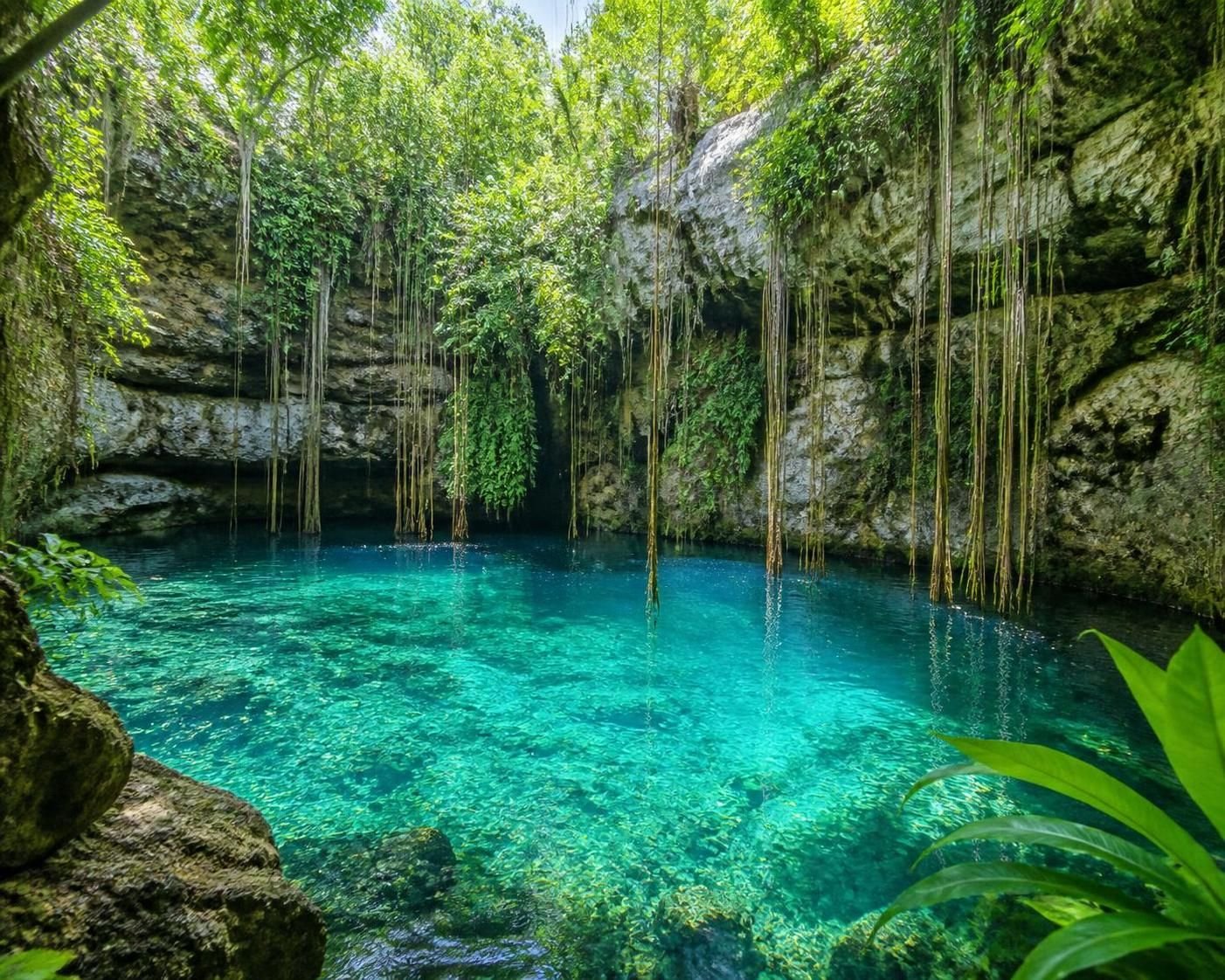
For travelers looking beyond the famed Cenote Ik Kil, the nearby Cenote Yokdzonot, situated approximately 7 kilometers from the ruins, presents a remarkable alternative. This semi-open cenote offers a quieter, more rustic, and equally beautiful setting, where crowds are minimal thanks to its status as a community-run site. The atmosphere here allows swimmers to enjoy pristine waters without the typical bustle found at larger cenotes.
Cenote Yokdzonot’s entry fee is substantially lower, making it an attractive option for budget-conscious travelers who still want to immerse themselves in an authentic swimming experience. The cenote is especially favored by those seeking a peaceful retreat in nature, with its rope swing adding a playful element that delights visitors of all ages. Although facilities are simpler — lacking full-service restaurants and high-end amenities — the raw charm and welcoming community spirit make this site a worthwhile stop.
Access to Yokdzonot usually requires private transportation such as a rental car or taxi from Chichen Itza or the nearby Pisté village. The terrain can be uneven, so visitors should be prepared for some minor hiking to reach the water. This semi-commercial setup means safety measures are present, but the experience remains close to nature without the trappings of heavy tourism.
This cenote fits well into itineraries prioritizing tranquility and cultural immersion. Rather than focusing solely on convenience, it invites admiring the Yucatan Peninsula’s environmental conservation efforts and local community benefits. Budget travelers, nature lovers, and those wishing to avoid large tour groups frequently choose Yokdzonot for its authenticity and cool water.
More insights on how to swim responsibly and sustainably in these natural pools can be found in a dedicated complete guide to swimming in cenotes in Mexico, emphasizing preservation and respect for these natural wonders.
The Family-Friendly Oasis: Why Cenote Hubikú is a Top Choice for Groups
Located a bit farther out, at about 11 kilometers from Chichen Itza, Cenote Hubikú offers a comprehensive cenote experience tailored for families and larger groups. This semi-open natural pool combines swimming with various amenities, making it a destination where relaxation and recreation meet. Hubikú provides a restaurant and bar, shaded seating areas, kayak rentals, and even a welcome drink included in the entry fee, creating an all-encompassing atmosphere for leisurely enjoyment.
The cenote’s layout and facilities cater well to visitors who might want to spend an extended period by the water, blending the refreshing swim with lunch or afternoon refreshments. Its design incorporates easier accessibility relative to rougher cenote entries, making it more comfortable for children and those requiring gentle terrain. Additionally, safety is a priority, with lifeguards and life jackets commonly provided.
Travelers heading in the direction of Mérida often include Hubikú in their itinerary due to its natural placement along that route. The combination of amenities and a stunning natural environment creates the perfect spot for an unforgettable swim while regrouping and nourishing after a cultural day exploring the Mayan ruins. The cultural backdrop enhances the whole experience, connecting visitors with both ancient history and the natural beauty characteristic of the Yucatan Peninsula.
Groups considering Hubikú can expect a moderate crowd level — quieter than Ik Kil but livelier than some secluded sites. Its broad appeal lies in its balance of comfort and atmosphere, fulfilling a range of traveler needs without sacrificing the authentic cenote charm.
Comparing Distances, Amenities, and Entry Fees of Popular Cenotes Near Chichen Itza
For travelers planning their day around Chichen Itza, several well-known cenotes offer varying experiences in terms of proximity, cost, crowd tolerance, and amenities. Making an informed choice requires understanding these practical elements to fit into your schedule and preferences.
| Cenote | Distance from Chichen Itza (km) | Entry Fee (MXN) | Type | Amenities | Best For |
|---|---|---|---|---|---|
| Ik Kil | 3 | ~180 | Open pit | Showers, changing rooms, restaurant, lockers, lifeguard | First-time visitors, photographers, tour groups |
| Yokdzonot | 7 | ~60 | Semi-open | Basic changing rooms, rope swing | Budget travelers, quiet seekers |
| Hubikú | 11 | ~200 | Semi-open | Restaurant, kayak rental, bar, changing rooms | Families, groups, picnic lovers |
| Zací (Valladolid) | 43 | ~50 | Open | Basic facilities, close to town | City visitors, combination tours |
| Suytun (Valladolid) | 45 | ~100 | Semi-cave | Photo-focused setup, changing rooms | Photographers, tourists with more time |
By understanding this comparison, travelers can refine their plans, ensuring their water adventure aligns with comfort, cost, and convenience needs. Those looking for a quick dip after the ruins will lean toward Ik Kil or Yokdzonot, while those with more time and a taste for amenities may prefer Hubikú.
Strategic Planning for Your Cenote Visit: Tips and Itineraries for 2026
Maximizing your time visiting Chichen Itza along with a refreshing swim at a nearby cenote requires planning, especially given 2026’s travel dynamics and crowd trends. Arriving early at the ruins and then moving swiftly to a cenote can vastly improve the experience.
For visitors coming from Cancun or Playa del Carmen, departing around 6 AM ensures arrival at Chichen Itza by opening time, allowing 2-3 hours for exploring the ancient Maya site before heading to Ik Kil for a swim by mid-morning. This itinerary avoids the midday tourist rush, offering both historical exploration and a peaceful water break.
Alternatively, those based in Valladolid might combine a visit to Chichen Itza with cenotes such as Suytun and Zací on a relaxed loop, integrating cultural landmarks and natural pools in one trip. This option provides a fuller day, ideal for travelers interested in photography and local towns.
Families or groups traveling from Mérida can incorporate Hubikú into their day, turning the cenote visit into a full leisure break complete with lunch and kayaking. This approach broadens the experience, shifting from a brief swim to an immersive, comfortable stop within the day’s journey.
Whichever itinerary you choose, prioritizing early arrival at cenotes, carrying biodegradable sunscreen, water shoes, and adequate cash will contribute to a hassle-free experience. Private or rental car transport offers the greatest flexibility, helping avoid backtracking and adapting your day as needed.
Discover the best Chichen Itza and cenote Valladolid day trip itinerary for detailed route planning and insider tips to make the most of your visit.
Frequently Asked Questions About Swimming in Cenotes Near Chichen Itza
Is swimming allowed in the cenotes near Chichen Itza?
Yes, swimming is allowed in most cenotes near Chichen Itza like Ik Kil, Yokdzonot, and Hubikú. However, the Sacred Cenote inside the ruins is off-limits for swimming due to its archaeological significance.
What should I bring for a cenote swimming adventure?
Essential items include biodegradable sunscreen, water shoes for slippery areas, cash for entry and rentals, a towel, and a change of clothes. Wearing a life jacket is recommended for safety.
Which cenote near Chichen Itza is best for avoiding crowds?
Cenote Yokdzonot is an excellent choice for quiet swimming experiences with fewer tourists, especially on weekdays. Arriving early at Ik Kil can also help beat large crowds.
Are there guided tours that include both Chichen Itza and cenote visits?
Yes, many guided tours combine exploring the Mayan ruins with stops at popular cenotes like Ik Kil, often including transport and entrance fees, making it convenient for travelers.
Can families with children enjoy cenote visits near Chichen Itza?
Absolutely; cenotes like Hubikú provide family-friendly amenities such as shaded seating, kayak rentals, and gentle swimming areas, making them ideal for groups with kids.