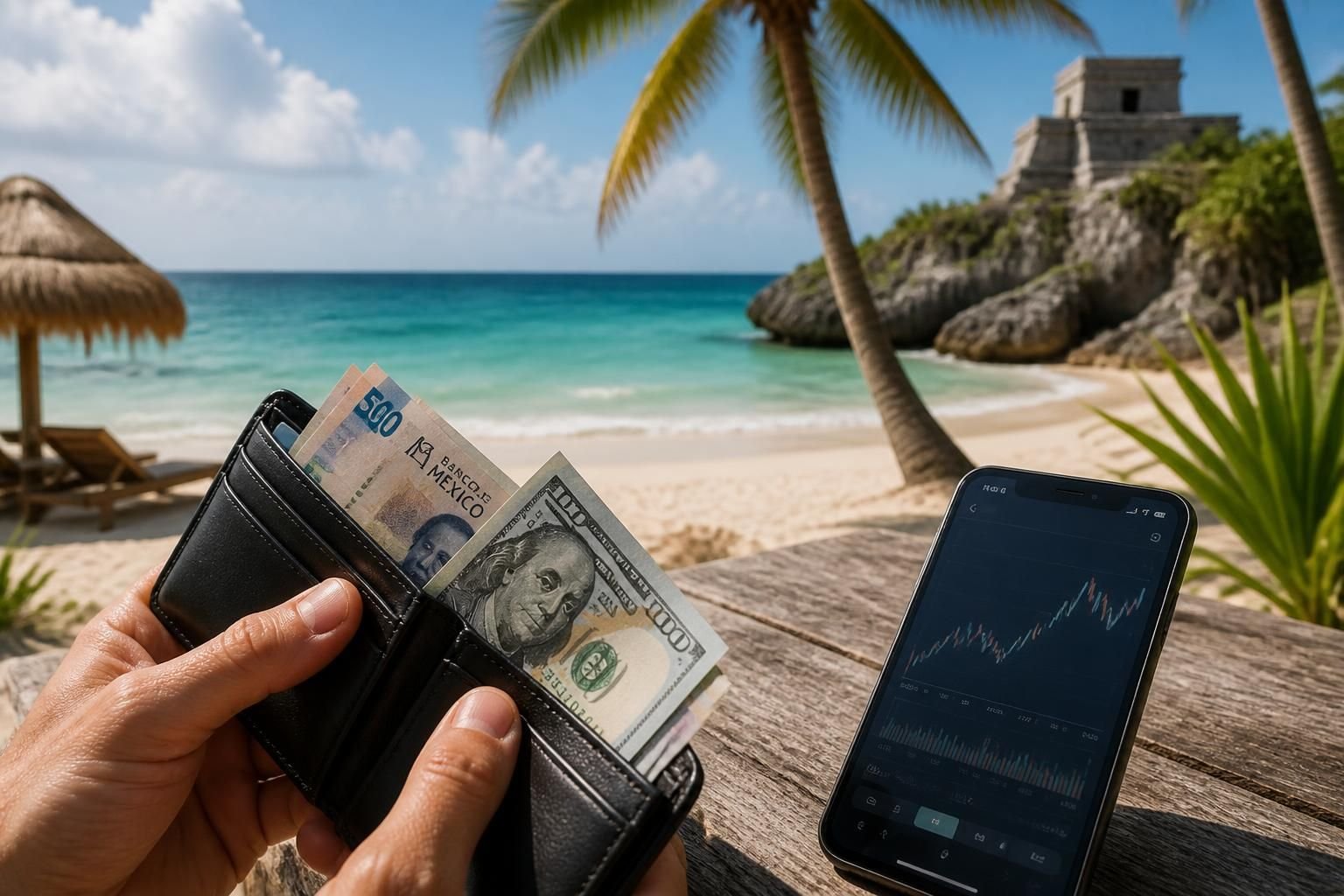

The Riviera Maya, a stunning stretch of Caribbean coastline in Mexico, is a top destination that attracts travelers from across the globe year after year. Visitors often find themselves navigating the complex financial landscape of currency exchange, particularly between the Mexican peso and the US dollar. Understanding the nuances of currency conversion, exchange rates, and the dynamics between these two currencies is crucial for maximizing travel finance and avoiding common pitfalls. This region’s economy thrives on tourism, making currency fluctuation a daily reality for local businesses and tourists alike. As many travelers arrive carrying US dollars, questions arise about where and when to exchange money, the benefits of using pesos versus dollars, and how to manage money exchange efficiently to stretch the travel budget further in this paradise.
While the US dollar enjoys wide acceptance in the Riviera Maya, Mexico’s official currency, the Mexican peso, is the backbone of everyday transactions. Exchange rates can swing based on economic factors and global financial markets, influencing how far your money will go. Tourists often wonder about the best places to exchange money, from airports to banks and local exchange offices, and how to avoid unfavorable rates that chips away at their spending power. Moreover, cultural practices, such as tipping etiquette and pricing in local currency, make it necessary for visitors to grasp the distinct advantages of paying in pesos versus dollars. The traveler’s journey into the currency environment of the Riviera Maya is essential for smooth financial experience and deeper cultural appreciation.
Key questions remain: Should travelers carry mostly US dollars or convert to pesos in advance? Where can they get the most competitive exchange rate? How do local businesses handle foreign exchange, and what impact does this have on travelers’ expenses? Beyond the monetary implications, understanding how currency exchange interacts with daily life—from buying food tours to paying for excursions—adds value to the overall travel experience. Being financially savvy in the Riviera Maya ensures more enjoyable moments at iconic sites like Chichen Itza and Playa del Carmen’s bustling streets, while also empowering visitors with knowledge to make informed decisions throughout their stay.
Discovering how the Mexican peso versus US dollar exchange operates in the Riviera Maya is more than a practical consideration; it’s part of immersing oneself in the destination. From avoiding inflated prices due to currency conversion to learning how to use payment methods effectively, travelers can better allocate their funds and find authentic local experiences. With precise advice on the best practices for currency exchange, this guide illuminates the path to financial confidence amid the vibrant settings of the Riviera Maya.
Here is a concise overview of essential insights for travelers juggling the Mexican peso and US dollar during their Riviera Maya visit:
- Mexican peso is the official currency and often provides better value than paying in US dollars directly.
- US dollars are widely accepted in tourist areas but may come with hidden fees or less favorable exchange rates.
- Airport currency exchange stands out as convenient but usually less advantageous due to poor exchange rates.
- Local banks and exchange offices offer competitive rates; carrying a valid passport is mandatory for transactions.
- Damaged or old bills are typically refused, so ensure to bring crisp and intact notes.
- Credit and debit cards are accepted widely; Visa, MasterCard, and American Express are the most common.
- Using ATMs from major banks and selecting charges in pesos avoids additional currency conversion fees.
- Tipping in pesos is recommended over US dollar bills to respect local currency value and customs.
- Understanding daily currency fluctuation in the region helps plan travel finance effectively.
How the Mexican Peso and US Dollar Interplay Shapes Riviera Maya’s Currency Exchange Scene
The financial interaction between the Mexican peso and US dollar in the Riviera Maya is shaped by both international economic forces and local realities. Tourism drives demand for both currencies, where businesses often accept US dollars alongside pesos, especially within Cancún, Playa del Carmen, and Tulum. If travelers rely solely on dollars, they may face less favorable exchange rates imposed by merchants, which can inflate prices compared to paying in pesos. The exchange rate offered by stores is typically set below the market rate to cover conversion costs and reduce receiving peso cash, influencing how far US dollar payments stretch.
For residents and business owners, accepting foreign currency involves converting these dollars back into pesos at banks or money exchanges, adding layers of cost and administrative effort. This two-step process often reflects in skewed pricing, making the Mexican peso’s use more efficient for direct transactions. Local markets and smaller vendors may prefer pesos or refuse dollars entirely, meaning travelers should always carry some pesos for convenience.
A key factor in the currency dynamic is the ongoing currency fluctuation resulting from global economic conditions, political movements, and Mexico’s economic environment. Exchange rates can vary daily, affecting the value travelers get when converting money. For instance, in 2026, the peso’s relative stability against the dollar has encouraged many to exchange money locally rather than rely on dollars. This has increased the demand for informed foreign exchange practices.
Businesses in the Riviera Maya often implement their own exchange rates for tours and excursions. It’s important for tourists to clarify how conversions are handled to avoid surprises. Some agencies follow transparent pricing in pesos, while others quote in dollars but apply hidden markups. Transparency in currency conversion leads to trust and improved traveler satisfaction, which contributes positively to the local economy.
Currency exchange in this region is also affected by practical factors such as cash bill conditions. Torn or heavily used bills are rejected by banks and shops, creating a need for tourists to carry well-preserved cash. Exchanging money at airport kiosks is convenient but generally not cost-effective, so exchanging only minor amounts at arrival and planning to complete transactions at reputable banks or licensed money exchange offices around the Riviera Maya is advisable.
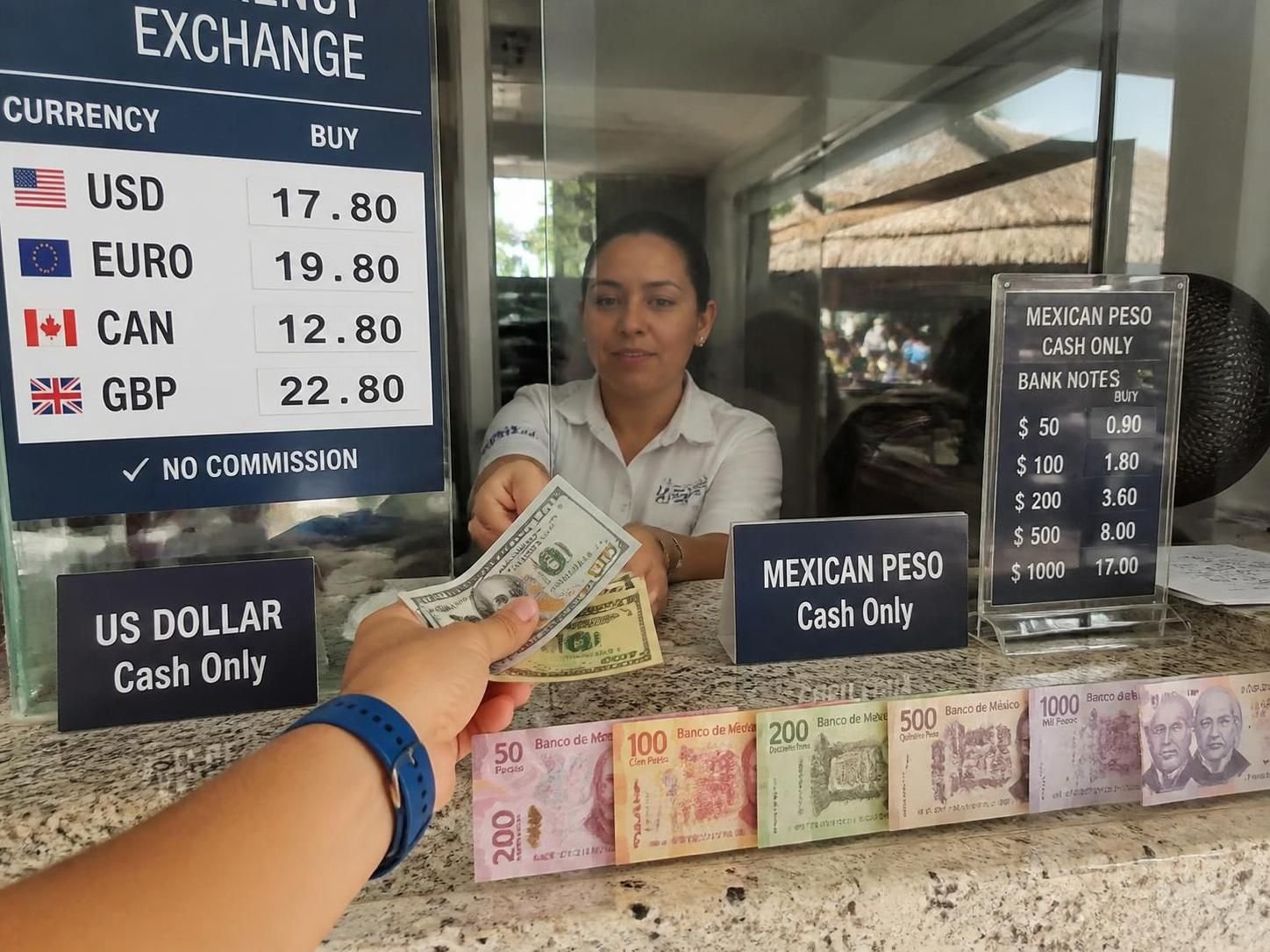
Strategies to Obtain the Best Currency Exchange Rate in the Riviera Maya for 2026
Securing the optimal exchange rate when converting US dollars to Mexican pesos in the Riviera Maya is essential for wise travel budgeting. Practical strategies and local knowledge can make a significant difference. While the airport is the first point of contact for many arriving visitors, its exchange counters generally offer exchange rates less favorable than those found in the city or tourist hubs. The recommendation is to exchange only enough pesos at the airport to cover immediate expenses like transportation or tips, and then convert the remainder at local exchange offices or banks where rates are more advantageous.
Authorized currency exchange offices and banks in places like Playa del Carmen and Tulum tend to offer better rates and lower fees. Tourists should always keep their passports ready, as identity verification is standard procedure for currency transactions. Banks usually operate Monday through Friday and close by mid-afternoon, so planning exchanges accordingly saves time and frustration.
When dealing with money exchange providers, travelers should be aware of some variables:
- Currency acceptance: Local offices commonly accept US dollars, euros, and British pounds in addition to Mexican pesos.
- Bill condition: Only crisp and untorn bills are accepted, which means bringing pristine US dollar notes is important.
- Transaction limits: Some businesses restrict payment amounts with US dollars, often capping at $250 per transaction and disallowing large bills for small purchases.
- Exchange rate transparency: Always ask for the going rate before confirming the exchange.
Avoiding dynamic currency conversion fees on credit or debit card payments is another money-saving tactic. When using ATMs, select withdrawal in pesos rather than US dollars, since automatic conversion often applies a markup, increasing costs.
A well-informed traveler will also research and compare rates, tapping into trusted resources such as how to get the best currency exchange rates in Mexico Riviera Maya. This preparation helps travelers budget effectively for prized activities, including excursions to iconic sites or delicious culinary tours.
Cash, Cards, and ATMs: Managing Money Exchange and Payment Options in the Riviera Maya
Travel finance in the Riviera Maya relies on a prudent mix of cash, credit/debit cards, and ATM withdrawals to balance convenience, cost, and security. While many businesses accept US dollars, especially in major tourist zones, using Mexican pesos often guarantees better pricing. Payment methods can directly impact the cost due to the currency conversion practices of merchants and banks.
When using credit or debit cards, it is vital to ensure the card issuer does not charge excessive foreign transaction fees, which usually range from 1% to 4%. Cards from Visa, MasterCard, and American Express are widely accepted, but travelers should notify their banks prior to trips to avoid transaction blocks for suspected fraud. Paying directly by card often provides exchange rates closest to market levels, which is an advantage over cash conversion at local exchange offices.
ATMs are widely available across the Riviera Maya, particularly in tourist-centric areas such as Cancún and Playa del Carmen. Opting for ATMs at recognized banks like Banamex, Banco Santander, Banorte, or HSBC ensures lower risk of fraud and better service. Withdrawals should always be done in pesos to avoid extra fees linked to dynamic currency conversion – a practice where the ATM applies a poor exchange rate when processing withdrawals in foreign currency.
Security remains paramount as ATMs can be targeted by thieves using card skimmers or hidden cameras. Travelers are advised to use ATMs in busy, well-lit locations such as inside banks or shopping centers and limit the amount of cash carried daily. Being cautious ensures that Southern Mexico’s joys are not overshadowed by financial mishaps.
Finally, tipping culture is strongly tied to the peso. While US dollar bills are accepted for tips, it is more respectful and beneficial for local workers to tip in 20-peso notes. This practice accounts for currency value and helps avoid losses due to unfavorable currency conversion.
Understanding Impacts of Currency Conversion and Foreign Exchange on Tourism Spending in the Riviera Maya
Currency conversion and foreign exchange dynamics play a critical role in defining the economic experience of travelers in the Riviera Maya. Tourists’ spending power can be significantly affected by how and when they exchange money, impacting everything from accommodations and dining to excursions and souvenirs. Because many services quote prices in pesos but allow payment in US dollars, understanding the differences in exchange rates is crucial for an informed visitor.
An illustrative example is the purchase of food or souvenirs. Some restaurants list prices in pesos but accept US dollars, setting an exchange rate that is often less favorable than current market rates. For instance, a meal priced at 150 pesos may cost nearly $10 USD when converted at a locally set exchange rate of 15 pesos per dollar, while exchanging money at a bank might yield a rate closer to 18 or 19 pesos per dollar, providing noticeable savings for well-prepared travelers.
Business owners face their own challenges in managing foreign exchange. Accepting US dollars requires converting the funds back into pesos to pay local suppliers and employees, sometimes at additional cost. This conversion process can affect pricing and ultimately influence the local economy by shaping consumption patterns and profit margins.
Many tour companies in the Riviera Maya implement personalized exchange rates to cover their operational costs. Clarity about pricing and preferred payment methods helps tourists avoid unnecessary fees. Booking tours through reliable agencies that provide transparent currency conversion details fosters positive relationships and smooth transactions.
Emerging trends in the Riviera Maya travel economy include a gradual increase in digital payments and mobile wallet systems, which may further alter currency exchange dynamics. Despite this, cash remains king in many parts of the Riviera Maya, especially for smaller transactions, underscoring the continued relevance of understanding and managing physical currency exchange for visitors.
| Payment Method | Advantages | Disadvantages |
|---|---|---|
| Mexican Peso Cash | Best exchange rate, widely accepted | Need to carry cash, risk of loss or theft |
| US Dollar Cash | Accepted in many tourist areas, convenient if brought from home | Less favorable exchange rates, bill condition restrictions, transaction limits |
| Credit/Debit Cards | Convenient, good exchange rates, less cash needed | Foreign transaction fees, some places may not accept cards |
| ATMs | Easy access to cash, generally good exchange rates | Possible ATM fees, security risks, need for 4-digit PIN |
Maximizing Riviera Maya Travel Experiences Through Smart Currency Exchange and Budgeting Tactics
Travelers who approach currency conversion with careful planning will enjoy enhanced experiences, greater financial control, and better integration into the local culture of the Riviera Maya. By understanding the practicalities of using the Mexican peso versus the US dollar, tourists can avoid unnecessary fees and make informed financial decisions that preserve their budgets for memorable activities.
Best practices include always carrying a small amount of Mexican pesos for daily expenses and tipping, using cards or ATMs for larger transactions, and favoring local exchange offices for obtaining the best rates. Tourists should be wary of dynamic currency conversion offerings at merchants or ATMs to prevent costly markups. Awareness of exchange rate trends and foreign exchange developments also helps in timing money exchanges advantageously.
Combining financial savvy with cultural respect culminates in smoother interactions and a stronger appreciation for Riviera Maya’s distinctive charm. For example, investing in authentic local experiences such as cultural food tours or excursions to archaeological treasures like Chichen Itza’s sacred cenote is easier when travelers manage their travel finance efficiently.
Ultimately, controlling currency exchange details enriches the Riviera Maya visit by managing one of its most fundamental yet overlooked aspects, empowering travelers to focus on discovery, relaxation, and unforgettable memories.
Is it better to pay in Mexican pesos or US dollars in the Riviera Maya?
Paying in Mexican pesos generally provides a better exchange rate and can save money, as many businesses apply unfavorable rates when accepting US dollars directly. Carrying pesos is also more convenient for everyday transactions.
Where can I get the best exchange rates for US dollars to pesos in the Riviera Maya?
Local money exchange offices and banks in tourist areas like Playa del Carmen or Tulum usually offer more competitive exchange rates than airport kiosks. It’s best to avoid exchanging large sums at the airport.
Are credit and debit cards widely accepted in Mexico?
Yes, Visa, MasterCard, and American Express cards are accepted in most hotels, restaurants, and shops in tourist areas. However, always check with your bank for foreign transaction fees and notify them before traveling.
What precautions should I take when using ATMs in the Riviera Maya?
Use ATMs located inside banks or reputable locations to avoid skimmers; withdraw cash in Mexican pesos to avoid dynamic currency conversion fees, and ensure your card has a 4-digit PIN to be compatible with ATM machines.
Is tipping in pesos preferred over US dollars in Mexico?
Yes, tipping in 20-peso notes is recommended because it reflects the local currency’s value better, avoids loss on exchange, and respects local customs and economies.