
The Riviera Maya is a stunning destination that attracts travelers worldwide, but when it comes to managing travel money, the allure of beautiful beaches can quickly be overshadowed by poor currency conversion choices. Knowing how to navigate currency exchange effectively in this region is crucial to maximizing your spending power and ensuring a smooth, stress-free travel experience. Mexico’s official currency is the Mexican Peso, and while US dollars and euros may be widely accepted, using local currency whenever possible is the best way to guarantee fair and favorable exchange rates. Many tourists arrive without a solid plan for obtaining foreign currency, which can lead to costly fees and suboptimal rates.
With official exchange rates around 17.40 Mexican Pesos per US dollar in May 2026, tourists face a considerable risk of losing precious vacation funds to hidden fees or unfavorable rates at exchange offices. This article offers detailed money exchange tips tailored to the specific financial landscape of Cancun and the Riviera Maya, helping visitors avoid common pitfalls and pinpoint the best strategies to get the most from their currency conversions. From ordering pesos before arrival to using secure ATMs and knowing which payment methods to favor, understanding these insights is essential to preserving your budget.
Whether you’re paying for excursions, dining, or tipping hotel staff, this guide covers all necessary aspects of currency exchange in this vibrant region. Avoid the tourist traps of flashy currency shops and misleading airport ATM fees, and instead, learn which financial institutions and practices will safeguard your money, allowing you to engage fully with the rich culture and history the Riviera Maya offers.
Key points to keep in mind:
- Order Mexican pesos from your home bank before traveling for the best official rates.
- Use ATMs located inside legitimate banks such as Santander or BBVA to avoid excessive fees.
- Always decline dynamic currency conversion offers to ensure your home bank processes currency conversion.
- Avoid currency exchange booths in tourist areas and airport ATMs, as these typically offer poor rates and high fees.
- Paying in Mexican pesos rather than US dollars at restaurants and shops yields better exchange value.
Ordering Pesos from Home Banks: The Safest and Most Cost-Effective Option
One of the most reliable methods for securing the best currency exchange rates in Mexico’s Riviera Maya is to order Mexican pesos from your home bank before you travel. Many major banks in the United States and Canada maintain a supply of Mexican pesos and can arrange an order within a few days if needed. This approach ensures travelers access highly competitive, official exchange rates without the added markups commonly found in tourist hotspots.
For instance, travelers flying into Cancun who pre-order their pesos can bypass the frantic currency exchange lines typically found at the airport. This not only saves time but also significantly reduces the chance of falling victim to scams or exorbitant fees. If you’re planning to pay for private transfers, vendor tips, or local markets where cash is king, arriving with local currency in hand will simplify transactions and give a clearer picture of pricing without hidden conversion costs.
Planning to present a specific amount for your entire trip? Call your bank at least a week in advance to make sure the valuta is secured. In addition to convenience, this guarantees that the bills you receive are in good condition—which is crucial, as many Mexican businesses and banks do not accept damaged or worn-out notes. By procuring pesos in advance, you embark on your trip with peace of mind, maximizing your budget from the outset.
Moreover, ordering pesos ahead helps you avoid dynamic rates and exchange office fees common in tourist districts. This practice aligns perfectly with smart travel money management in the Riviera Maya and guarantees a transparent, stress-free start to your vacation.
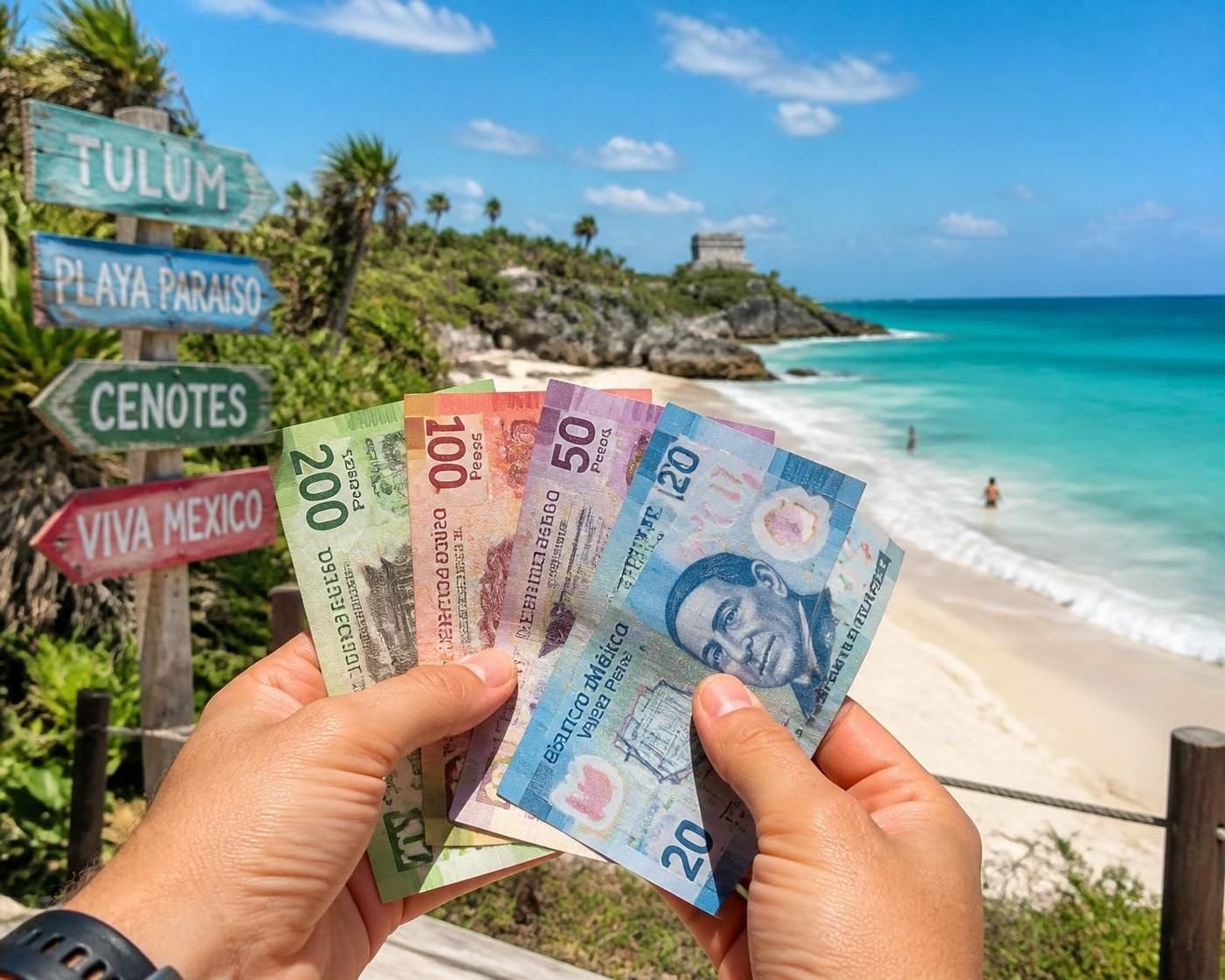
Using Bank ATMs in the Riviera Maya: Tips for Secure Withdrawals and Avoiding Fees
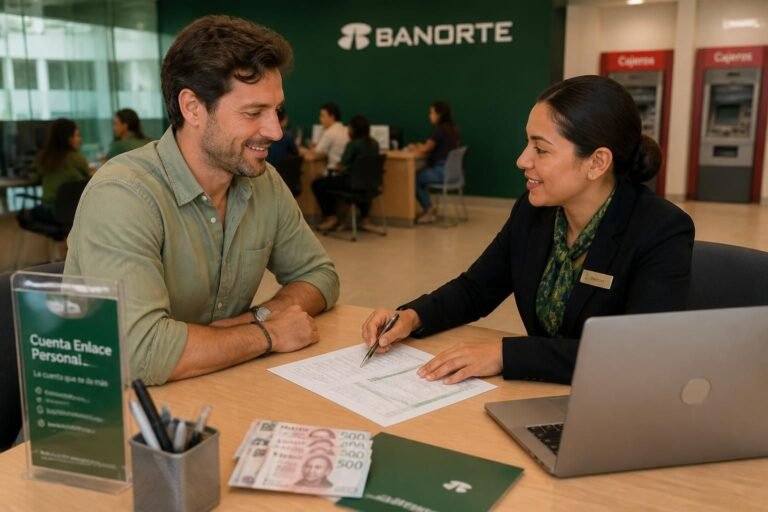
If bringing cash from home isn’t an option or your pesos run low during the trip, withdrawing money from ATMs located inside major Mexican banks is the next best choice. Banks like Santander, Banorte, and BBVA have branches throughout Cancun’s downtown and Hotel Zone, offering a safe and reliable way to access local currency.
These bank ATMs are monitored with security cameras and are less likely to be tampered with compared to standalone machines found in shops or hotels. Using bank ATMs ensures your home bank communicates directly with the institution in Mexico for transparent currency conversion, which typically offers exchange rates closer to the official market value.
The critical trick when using an ATM is to always decline the ATM’s own exchange rate offer. Nearly every machine will prompt users to accept a currency conversion, but this option usually involves inflated fees. By opting out, your home bank processes the exchange at the prevailing daily rate, which is almost always more favorable than the ATM’s internal rate. This can result in significant savings over the course of your trip.
Be mindful of ATM withdrawal limits and any fees your home bank might impose on foreign withdrawals. Checking these details in advance will help avoid unexpected charges. For long-term stays or multiple withdrawals, spacing out transactions to minimize fees can preserve your travel budget.
For an informed overview of local public transport options to complement your financial planning and travel logistics in the Riviera Maya, you might find it worthwhile to explore detailed guidance on the ADO bus system.
Advantages and Caveats of Using Credit and Debit Cards During Your Stay
Paying with debit or credit cards in restaurants, shops, and resorts across the Riviera Maya is widely accepted and convenient, but the choice you make during the transaction can significantly impact how much you spend. Many payment terminals ask customers whether they want to complete the transaction in Mexican pesos or their home currency (for example, USD). In these cases, always choose to pay in Mexican pesos.
This process involves what is known as Dynamic Currency Conversion (DCC), where the merchant offers to convert your payment for you. Although it might sound like a helpful service, DCC usually involves unfavorable exchange rates and unnecessary fees that benefit the merchant or payment processor, not the customer.
Instead, opting to pay in pesos pushes the currency conversion responsibility back to your bank, which typically offers better exchange rates and more transparent fees. This subtle decision can reduce the costs of dining out or shopping in local boutiques significantly. Carrying a travel-friendly card that does not charge foreign transaction fees is an excellent strategy to complement this approach.
It is also useful to keep track of daily expenses paid with cards to monitor exchange rate variations and prevent budget overruns. Travelers who prepare ahead with proper cards and knowledge about payment options will find that they can enjoy their time in the Riviera Maya with less financial worry.
Where to Avoid Exchanging Money to Preserve Your Budget
Not all currency exchange options in Cancun and the Riviera Maya provide equal value. The most critical locations to steer clear of include ATMs directly inside Cancun International Airport and tourist-heavy change houses known as casas de cambio.
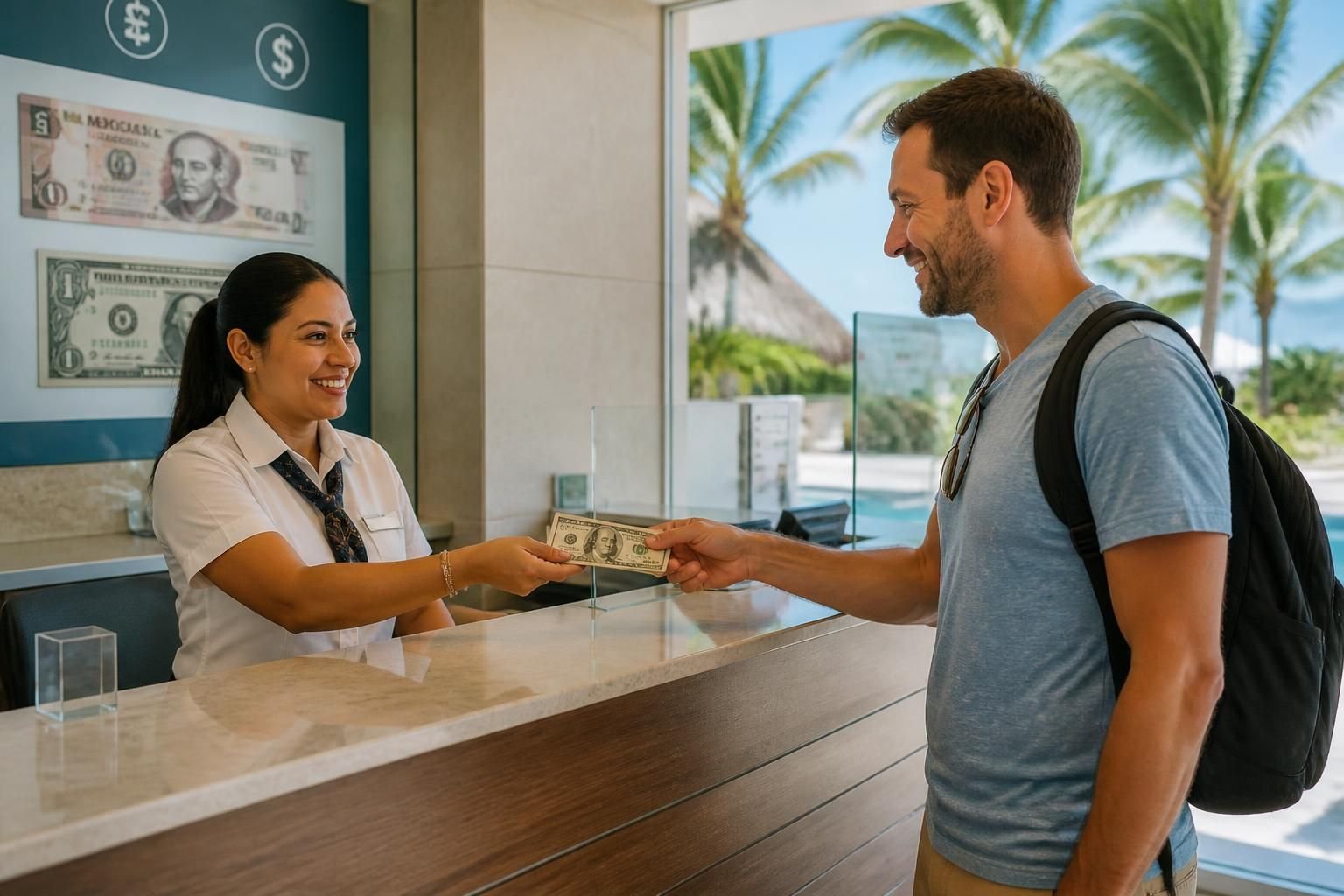
Airport ATMs and exchange booths cater to travelers who need quick access to cash but often impose excessive withdrawal fees and poor conversion rates. These hidden charges can put a serious dent in your travel budget. It is generally recommended only to exchange enough money at the airport for immediate transport or small expenses, and then use bank-affiliated exchange points or ATMs in town for larger amounts.
Similarly, exchange offices situated on bustling tourist avenues commonly advertise quick and easy currency transactions but at much worse rates compared to banks or prepaid currency options. Their convenience comes at a premium cost, making them a less economical choice for exchanging substantial sums.
Tips to avoid unnecessary fees:
- Only exchange small amounts at the airport and reserve larger transactions for banks in the Riviera Maya.
- Skip flashy exchange stores with low rates and high commission fees.
- Avoid ATMs located in convenience stores or hotels; choose bank ATMs instead.
- Keep bills in good condition for smooth transactions; torn or old notes are often rejected.
- Stay informed about fluctuating rates and payout limits imposed on transactions in Mexico.
Travelers who follow these guidelines will protect their money and prevent unpleasant surprises during their trip. Efficient money management allows more funds to be directed toward enriching experiences like exploring Chichen Itza or indulging in authentic Riviera Maya cuisine.
Understanding Local Currency and Exchange Regulations in Mexico
Mexico’s official currency is the Mexican Peso (MXN), but US dollars and euros often circulate in tourist-heavy regions such as Cancun, Playa del Carmen, and Tulum. While it might be tempting to use USD for convenience, doing so typically results in lower exchange value and payment restrictions in many local stores and markets. For example, transactions paying with US dollars often face limits on the amount per purchase, and merchants may refuse small bills or charge inflated rates.
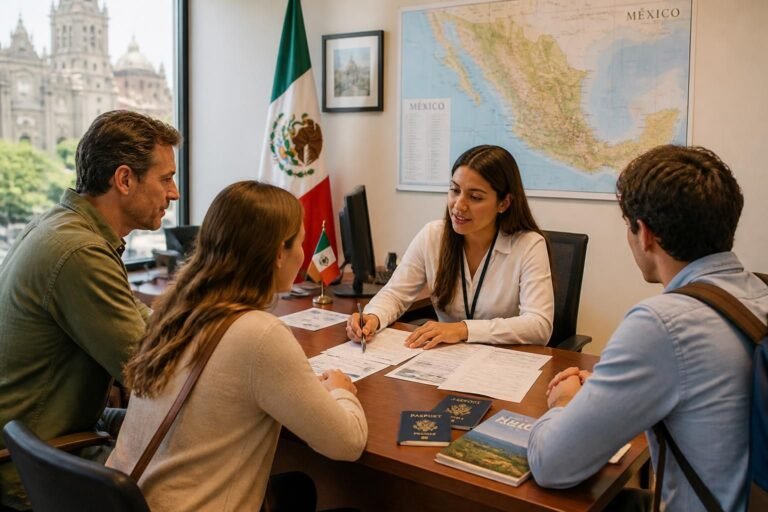
Local banks and exchange offices primarily accept US dollars, euros, and British pounds, but always require a valid passport for currency exchange. Bank hours are usually Monday to Friday until mid-afternoon, making it essential to plan your currency needs well in advance. Damaged or torn bills are generally not accepted by banks or businesses, which is why carrying crisp, clean notes is vital.
When booking tours or excursions in the region, be aware that agencies may apply their own exchange rates differing from official banks. Reliable operators, however, provide clear information on costs, making transparent payments simple for visitors.
| Currency | Common Acceptance | Typical Transaction Limits | Recommended Usage |
|---|---|---|---|
| Mexican Peso (MXN) | Universal | No limits | Preferred for all transactions |
| US Dollar (USD) | Widely accepted in tourist areas | Usually max $250 per transaction | Use only for convenience in emergencies |
| Euro (EUR) | Accepted in some exchange offices | Varies by institution | Exchange to pesos for best rates |
| British Pound (GBP) | Limited acceptance | Varies | Exchange before arrival if needed |
Arming yourself with knowledge of these currency facts reinforces your ability to manage travel money wisely. This understanding complements practical tips on currency exchange, leading to a richer, more secure Riviera Maya experience.
What is the safest way to get Mexican pesos before traveling?
Ordering Mexican pesos from your home bank before traveling is the safest and most cost-effective way to secure a good exchange rate and avoid airport and tourist fees.
Why should I decline the currency conversion option at an ATM?
Declining currency conversion at an ATM lets your home bank handle the exchange at a fairer rate, avoiding the inflated fees and poor rates offered by ATMs in Mexico.
Is it better to pay in pesos or US dollars at stores and restaurants?
Always pay in Mexican pesos to avoid unfavorable dynamic currency conversion rates and get the best value on your payments.
Are airport currency exchange rates reliable in Cancun?
Currency exchange services at Cancun airport tend to offer poor exchange rates and high fees, so it is better to exchange only a small amount there and wait for better rates in town.
What should I avoid when exchanging money in Riviera Maya?
Avoid using ATMs in convenience stores, flashy currency exchange booths, and airport ATMs to minimize fees and get better currency conversion.