
Water safety remains a critical concern for tourists planning to explore the vast and diverse landscape of Mexico. Known for its enchanting cenotes, thriving coastal resorts, and rich cultural heritage sites such as Chichen Itza, Mexico draws millions of international visitors every year. Yet, understanding the intricate reality of water quality and the potential risks linked to contaminated water is paramount for a safe, enjoyable trip. Many travelers might wonder about the safety of drinking water, the risks posed by local waterborne illnesses, or best practices for hydration during excursions under the intense Mexican sun. With Mexico’s municipal water systems often differing significantly from Western standards, tourists must become well-informed about precautions to avoid gastrointestinal illnesses and maintain optimal hydration during their stay.
In a country where waterborne illnesses remain a prevalent risk, international visitors should be especially vigilant, balancing the joy of sipping authentic Mexican coffee or enjoying a refreshing swim in a cenote against the dangers of ingesting untreated tap water. Moreover, tourists often worry about subtler dangers like the safety of rinsing fruits and vegetables or using tap water to brush teeth, highlighting the complexities of water safety beyond simply drinking water. The need for versatile, practical advice is clear, particularly for those seeking to independently discover historic sites like Chichen Itza or relax along the Riviera Maya’s sparkling shores. This guidance also extends to water use in accommodations and restaurants, ensuring tourists avoid common pitfalls and feel confident throughout their journey.
Understanding these concerns and integrating effective safety measures contribute significantly to a tourist’s ability to enjoy Mexico in comfort and health. With a few essential water safety tips and awareness of Mexico’s unique water infrastructure, travelers can enhance their experience—from hotel stays to outdoor adventures—without jeopardizing their wellbeing.
Key Points for Travelers Visiting Mexico
- Avoid drinking tap water as it often contains harmful bacteria, viruses, and heavy metals.
- Prefer bottled or purified water for drinking, cooking, and brushing teeth during your visit.
- Ensure ice cubes are made from purified water when enjoying beverages at restaurants and bars.
- Take precautions with fresh produce by washing fruits and vegetables with purified or treated water.
- Stay hydrated to combat the tropical heat, but always use safe water sources to prevent waterborne illness.
- Choose reputable accommodations or tours that guarantee clean drinking water and proper water safety protocols.
Understanding Mexico’s Water Quality and Risks for Tourists
Mexico’s water safety landscape is deeply tied to its municipal water systems, which vary widely depending on location and infrastructure quality. Although municipal treatment plants in many urban centers do perform standard water purification processes such as chlorination, the delivery network often undermines this safety. Aging, fragile underground pipes are susceptible to cracks that allow infiltration from contaminated soil, agricultural runoff, and sewage leaks. This breaks the sterility of water by the time it reaches taps, rendering it unsafe for direct human consumption. Additionally, common residential structures involve rooftop storage tanks (tinacos) and underground cisterns, which can further compromise water quality if not meticulously maintained.
For tourists, this means that tap water—even if clear and odorless—may harbor pathogens or heavy metals harmful to those not accustomed to local microbial flora. Locals avoid tap water for drinking and instead rely heavily on large, commercially purified bottled water jugs (garrafones) or home delivery systems for clean water. This widespread practice reflects the universal understanding that municipal tap water is generally unsafe.
Visitors accustomed to treated, consistently safe water in their home countries should be cautious: even incidental ingestion of contaminated water in Mexico can trigger waterborne illnesses such as Traveler’s Diarrhea, colloquially known as Montezuma’s Revenge. Unlike a local, a tourist’s immune system lacks the adaptation needed to resist infections from microbes found in Mexican tap water. Therefore, understanding these fundamental risks empowers travelers to take preventive action.
When visiting iconic locations, such as the renowned Chichen Itza or swimming in nearby pristine cenotes, recognizing the importance of water safety enhances not only health but also the overall experience.
Safe Drinking Water Options and Hydration Strategies in Mexico
Because direct consumption of tap water is ill-advised, tourists should rely on bottled or professionally purified water to maintain hydration. Bottled water brands like Epura, Bonafont, and Santa Maria dominate the market, providing safe options widely available in grocery stores, convenience shops, and even street vendors. Many hotels and resorts offer complimentary bottled water or water refilling stations as part of guest services. Easy access to safe drinking water is essential, especially considering Mexico’s tropical climate, where dehydration poses a significant risk during outdoor activities and sightseeing.
For travelers on extended stays or those seeking eco-friendly options, reusable water bottles with built-in advanced filtration systems provide an excellent alternative. These innovative bottles employ reverse osmosis or UV light technology to securely purify tap water for direct consumption when bottled water is insufficient or impractical. Such solutions also minimize environmental impact from single-use plastic bottles—a growing concern in tourist regions.
Maintaining adequate hydration helps prevent heat-related illnesses common under Mexico’s intense sun, but it is crucial that hydration be achieved safely. Drinking unsafe water will not only jeopardize health but can result in dehydration through waterborne illness symptoms like vomiting and diarrhea, underscoring the paradox of hydration mismanagement.
| Water Source | Safety Level for Tourists | Cost Considerations | Best Use Cases |
|---|---|---|---|
| Tap Water (Municipal) | Unsafe (risk of contamination) | Free but risks costly illness | Non-potable: flushing, cleaning |
| Bottled Water (Garrafón, brands like Epura, Bonafont) | Safe and purified | Affordable (~$2.00-$2.50 USD per 5-gallon jug refill) | Drinking, cooking, brushing teeth |
| Water Filtration Systems (RO + UV) | Very Safe with multi-stage purification | Higher upfront cost ($200-$400 USD), moderate maintenance | Long-term stays or permanent residents |
Essential Water Safety Practices for Tourists
- Always consume bottled or properly purified water for drinking and food preparation.
- Do not drink tap water directly or use it for brushing teeth; use bottled water instead.
- Validate that ice in beverages is made from purified water, especially at resorts and reputable restaurants.
- Wash fruits and vegetables with treated water or cleansing solutions before consuming raw.
- Stay attentive to your hydration status and consume electrolytes or oral rehydration salts if symptoms of dehydration arise.
Safe Swimming and Water-Based Activities: Protecting Yourself in Mexico’s Waters
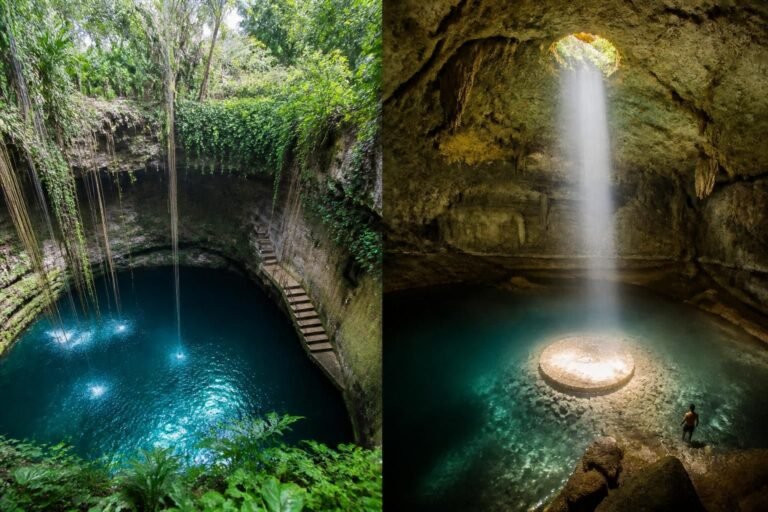
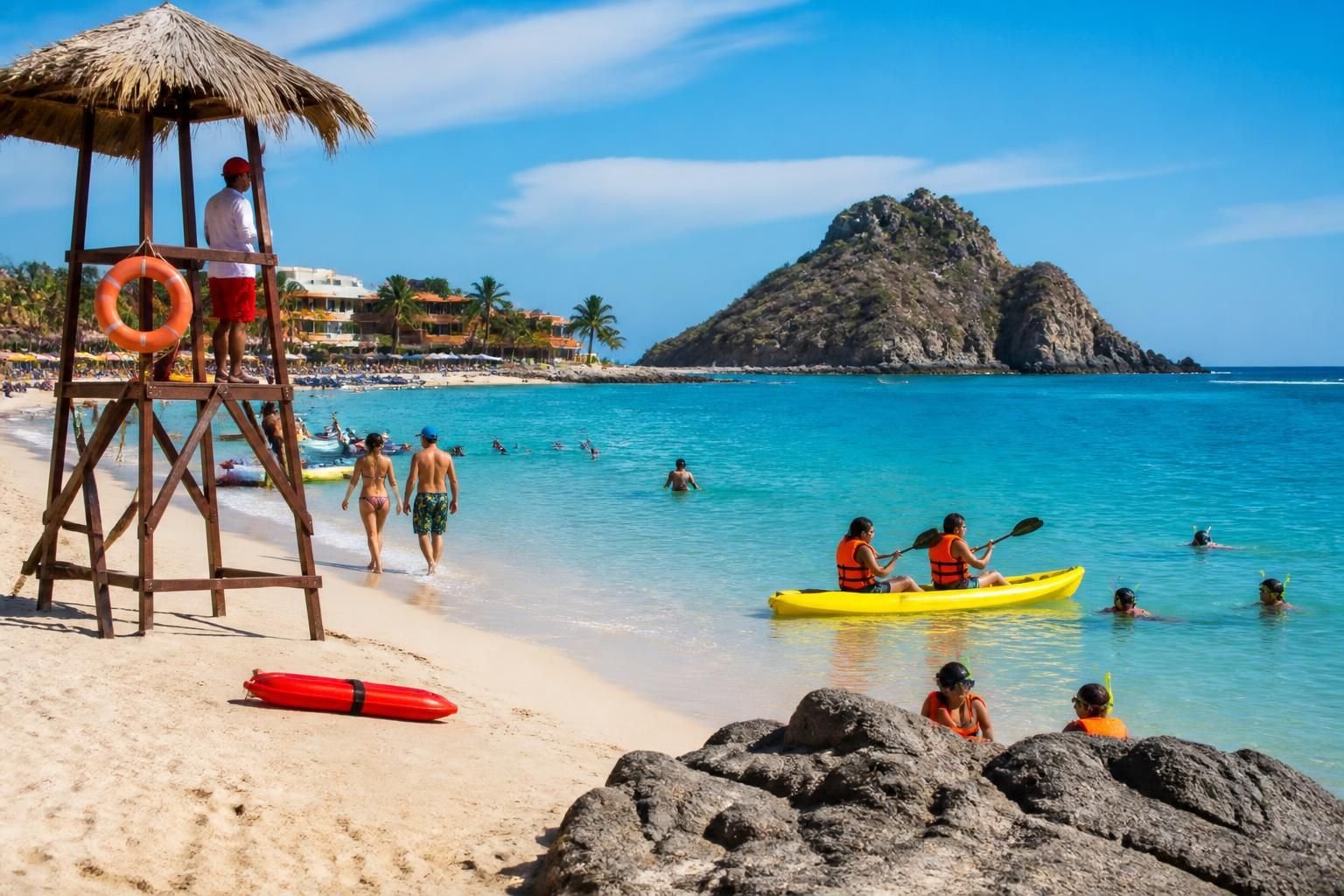
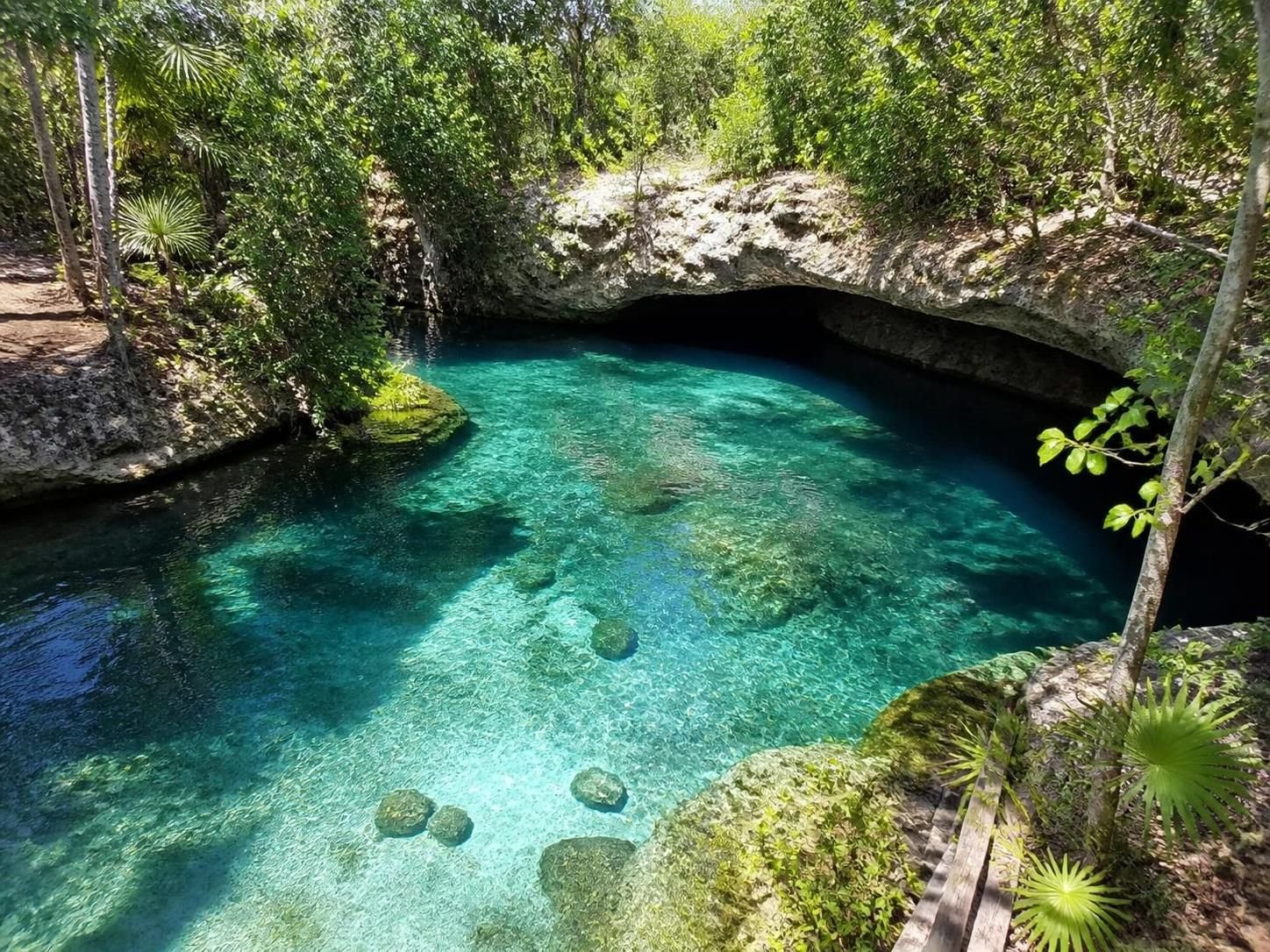
Many tourists are drawn to Mexico for its natural swimming holes, particularly cenotes—natural freshwater sinkholes—and coastal beaches with sparkling waters. Swimming in these locations provides a refreshing escape, but awareness of water safety is crucial to avoid risks associated with natural water environments.
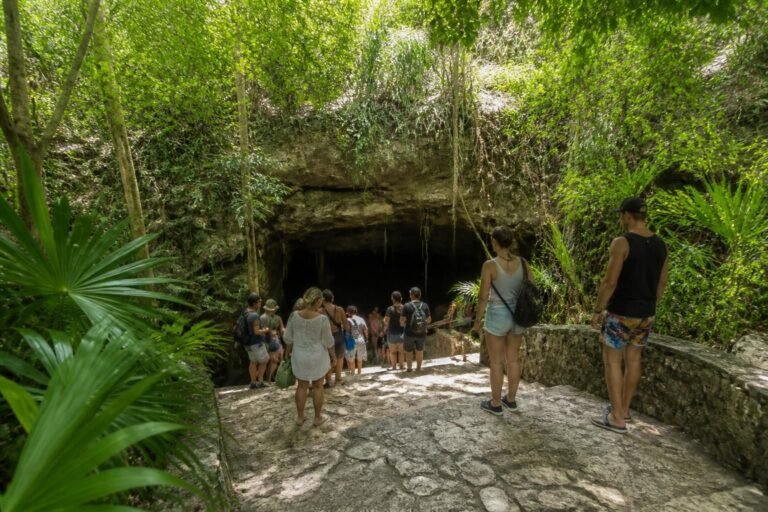
Popular cenotes near tourist hubs like Chichen Itza often promote safe swimming with excellent water quality. Guides emphasize that the water here is fresh and generally free from harmful contaminants, as the underground aquifers that feed these cenotes are naturally filtered through limestone. For an unforgettable swimming experience, visitors might consult detailed resources such as the recommendations for the best cenotes near Chichen Itza.
Despite the purity, visitors should observe safety rules such as avoiding swallowing water while swimming, refraining from swimming if suffering from open wounds or infections, and always swimming in designated safe areas under supervision. Moreover, for those exploring ocean or beach destinations, staying informed about current weather conditions and swim advisories is essential. Exposure to contaminated or dangerous waters can result in infections, skin irritations, or waterborne diseases. Ensuring proper hygiene after swimming and avoiding stagnant or visibly polluted waters reduces these hazards substantially.
Preventing and Responding to Waterborne Illness While Traveling in Mexico
Waterborne illnesses, including Traveler’s Diarrhea, remain a common concern for visitors to Mexico. These illnesses often stem from ingesting water or food contaminated with bacteria, viruses, or parasites not present in tourists’ home environments. Symptoms typically include diarrhea, abdominal cramping, nausea, and fatigue, which can severely hamper a traveler’s plans.
Immediate and effective management is crucial. Tourists are encouraged to maintain a supply of oral rehydration salts (suero oral) to prevent dehydration, a significant risk especially in Mexico’s warm climate. Pharmacies throughout Mexico, including well-known chains like Farmacia Similares and Farmacia Guadalajara, provide easy access to these and other medications. Tourist-friendly clinics in pharmacies offer quick consultation and can prescribe antibiotics if needed for severe or persistent infections.
Preventive measures also include avoiding suspicious street foods unless carefully vetted, ensuring food is cooked thoroughly, and always using purified water for beverage and meal preparation. Tourists should also consider obtaining comprehensive travel health insurance covering medical care abroad, ensuring access to private clinics and hospitals with English-speaking staff for prompt treatment.
Useful Tips for Tourists: Navigating Water Safety in Daily Life and Travel Plans
Navigating water safety extends beyond hydration to everyday activities and travel logistics. Tourists renting cars or planning excursions, such as self-guided tours of cultural landmarks, should factor in accessibility to safe water supplies. For instance, when visiting areas like Riviera Maya, planning includes packing enough safe drinking water or identifying stops where purified water is readily available. Referencing expert advice about renting a car in Riviera Maya can enhance travel safety and convenience.
In restaurants, tourists should not hesitate to ask for bottled water, a common practice that ensures safe hydration. Being proactive with water safety decreases chances of illness, which could otherwise disrupt travel timelines. Moreover, tourists should be aware that even though some hotels may not provide bottled water in all rooms, bottled water is sold in nearby shops and can also be supplemented with portable water filtration devices.
Above all, tourists need to recognize that water safety is a comprehensive concept, encompassing sources, consumption habits, and surrounding environments. By integrating water safety awareness into every aspect of their trip, from casual dining to adventurous outings, travelers empower themselves to fully embrace Mexico’s cultural and natural charms.
Is it safe to brush my teeth with tap water in Mexico?
It is best to use bottled or purified water to brush your teeth to avoid ingesting harmful bacteria present in tap water. Using tap water for brushing is generally discouraged unless the water has been properly treated or boiled.
Can I drink ice cubes in Mexican restaurants and bars?
Yes, reputable restaurants and bars use purified water to make ice cubes. It’s recommended to confirm the establishment’s hygiene standards and opt for well-known places to ensure ice safety.
What should I do if I accidentally drink tap water and feel sick?
If symptoms like diarrhea or vomiting occur, stay hydrated with oral rehydration salts and seek medical attention at local clinics or pharmacies if necessary. For severe symptoms, go to the nearest hospital immediately.
Are natural cenote waters safe for swimming?
Generally, natural cenotes have clean, fresh water filtered by underground rock formations. However, it’s important to swim in designated areas and avoid swallowing water to minimize risks.
Is bottled water readily available everywhere in Mexico for tourists?
Yes, bottled water, including large purified jugs (garrafones), is widely available in supermarkets, convenience stores like OXXO, and local markets throughout Mexico.