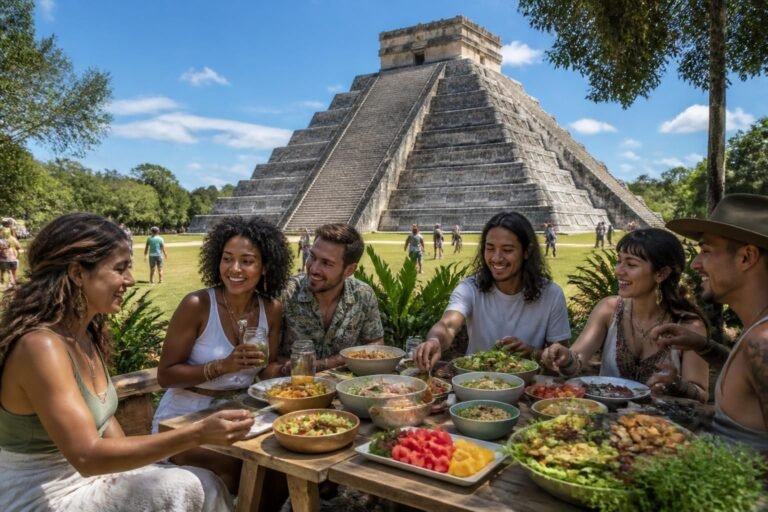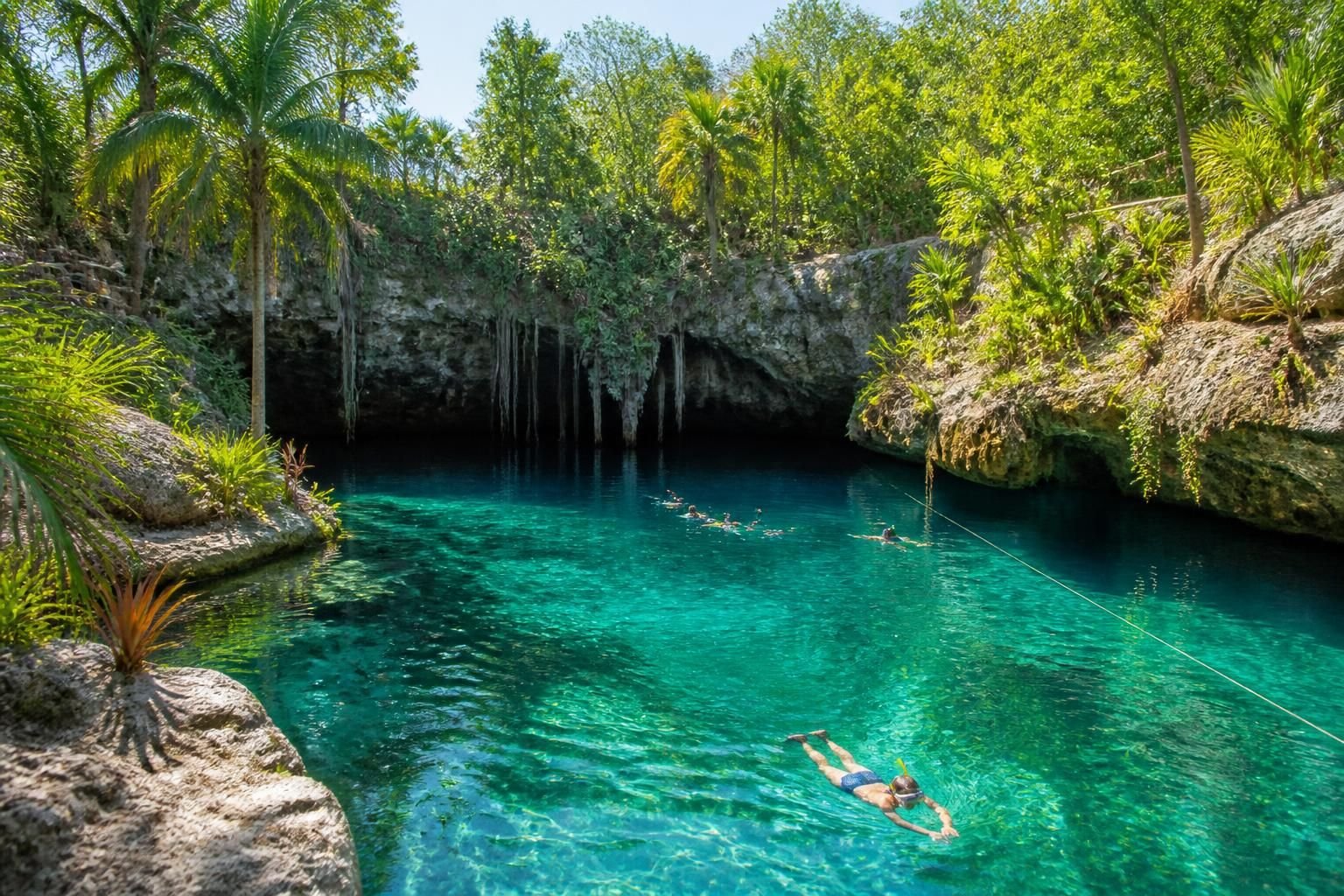

Valladolid, a charming colonial city in Mexico’s Yucatán Peninsula, serves as an ideal hub for travelers eager to explore some of the region’s most stunning natural wonders: cenotes. These natural freshwater sinkholes offer a remarkable blend of adventure, history, and breathtaking natural beauty. With the city strategically positioned along the edges of the Ring of Cenotes, explorers can easily access a variety of these shimmering underwater caves and pools, each providing unique experiences from serene swims to thrilling snorkeling escapades. Whether visitors seek hidden jungle retreats or popular tourist favorites, Valladolid’s cenotes promise unforgettable moments immersed in crystal-clear waters framed by lush foliage and dramatic limestone formations.
Travelers venturing to Valladolid will find that these cenotes are perfect for various activities including swimming, snorkeling, and photography, making them a key part of Mexico’s burgeoning eco-tourism scene. The cenotes not only serve as pristine natural pools but also hold deep cultural significance, once revered by the ancient Maya as sacred wells. This blend of adventure and cultural intrigue adds depth to every visit. For those planning their journeys in 2026, understanding the best cenote options, access methods, and nearby facilities enhances the overall experience, ensuring that every dip is refreshing and safe. Specifically, attention to details like entrance fees and the best times to visit can optimize the adventure.
The Unmissable Cenotes Close to Valladolid: Offers for Every Explorer
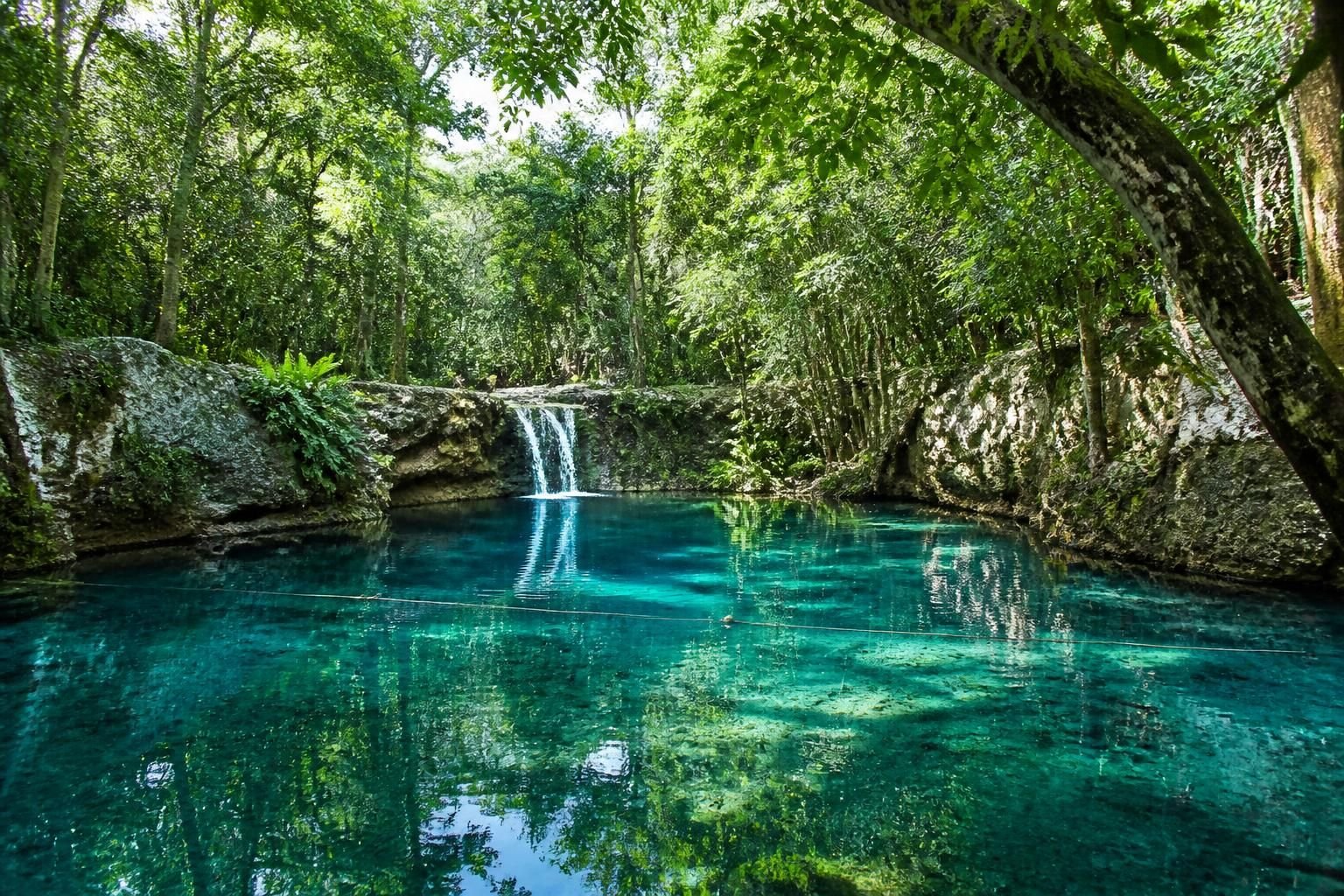
Situated merely minutes from Valladolid’s center, several cenotes offer accessible yet spectacular adventures for visitors eager to plunge into their refreshing waters. Cenote Saamal is a standout nearby example, located just five kilometers from the city and often reachable by foot or a short taxi ride. It’s a semi-open cenote characterized by its cylindrical shape, surrounded by lush greenery and boasting a small cascading waterfall that enhances the tropical atmosphere. Visitors can enjoy not only great swimming opportunities but also additional amenities within the Hacienda Selva Maya estate, which includes souvenir shops and even a zip line for added adventure beyond the water.
For those eager to uncover more off-the-beaten-path spots, Cenote Xcanahaltun is a captivating underground lake accessed by a small opening in the cavern ceiling, allowing beams of daylight to illuminate its clear waters. This cenote is a remote gem, best reached by rental car or motorbike, and offers not only a peaceful swimming experience but kayak rentals that allow visitors to glide atop the expansive water body. Its large cavern and the illuminated stalactites create an almost otherworldly atmosphere unparalleled among cenotes in the region.
One of the region’s most renowned sites, Cenote Ik Kil, is often combined with visits to the nearby Chichén Itzá ruins. With its dramatic 26-meter-high walls covered in hanging plants, this cenote presents an enchanting vertical shaft opening to the sky, 40 meters deep and rich in Mayan history. The cenote is well-supported by nearby infrastructure, including facilities for buffet dining and lodging, which caters to large groups and tour buses, best avoided early in the day for a more intimate experience. More about Ik Kil’s entrance fees and visitor tips can be found on travel-focused pages that specialize in Mexican adventures.
Immersive Experiences in Valladolid’s Iconic Cenotes: Swimming and Snorkeling Adventures
Visitors seeking the quintessential cenote experience in the Valladolid region will find numerous striking locations designed to maximize immersion in nature’s tranquility. Cenote Suytun, famous worldwide thanks to its iconic stone platform positioned under a natural skylight, offers visitors mesmerizing photo opportunities alongside crystal-clear water perfect for cooling off. Tourists are advised to visit early to avoid crowds and witness the sunlight shine dramatically through the hole above, illuminating the pool below. Its accessibility, located a mere 10-minute drive from Valladolid, makes it a convenient stop on any itinerary rich in natural wonders.
Within the city limits, Cenote Zací presents a unique urban cenote encounter safely accessible on foot. This natural pool, partially shaded by a towering limestone ceiling nearly 29 meters above, features jumping platforms and small waterfalls, enhancing its appeal to swimmers of all ages. Entrance remains affordable and includes a life jacket, underscoring safety particularly for family travelers. The cenote’s depth varies significantly, allowing adventurous thrill-seekers to experience jumping into the water from various heights, while those preferring calmer moments can enjoy swimming at a more leisurely pace.
Pairing a visit to the Dzitnup cenotes, Xkeken and Samula, just seven kilometers from Valladolid, offers a remarkable snorkeling and swimming combination within two magnificent underground caverns. Both cenotes showcase unique limestone formations: Xkeken dazzles with spectacular stalactites hanging like natural chandeliers, and Samula enchants visitors with turquoise waters illuminated by soft natural light filtering through ceiling apertures. The shared ticket system provides excellent value, ideal for travelers keen to explore two distinctive environments without breaking the budget.
Exploring Hidden Gems and Remote Cenotes for Solitude and Serenity Near Valladolid
For travelers prioritizing solitude and off-the-grid exploration, several hidden cenotes near Valladolid promise serene encounters with nature’s untouched beauty. Cenote Choj Ha stands out as an expansive underground cave resembling a gothic cathedral, where stalactites and stalagmites create a dramatic atmosphere above luminous, crystal-clear water. Its relatively remote location makes it less frequented by tourists, offering a peaceful retreat for those willing to travel approximately 50 minutes from Valladolid. The cave-like setting and remarkable rock formations convey a sense of ancient mysticism, allowing visitors to immerse themselves in a landscape frozen in time.
Equally serene, Cenote Pueblo Fantasma, or Ghost Cenote, lies deep within the jungle and is accompanied by an event complex, local restaurant, and bee farms. With minimal visitors, it provides a quiet space to enjoy the unusual subterranean environment. Natural light beams pass through a small cave opening, highlighting a massive fallen boulder in the middle of the water. This picturesque light display complements the cenote’s abundant stalactites and stalagmites, enchanting explorers during midday visits. The combination of local hospitality and natural beauty offers an authentic Yucatán adventure.
Choosing these secluded cenotes allows for a more introspective and less commercialized experience. Travelers can fully appreciate the cultural importance of cenotes within Mayan heritage while engaging in peaceful swimming or snorkeling free from large crowds. Accessing them often requires a rental car and a bit of patience navigating rugged roads, but the reward is a rare adventure that feels both intimate and genuine.
Essential Tips for Enjoying Valladolid Cenotes Safely and Responsibly
Exploring cenotes near Valladolid is undoubtedly an adventure, but it requires preparation and awareness to ensure a safe and enjoyable visit. First and foremost, bringing sufficient cash is crucial as many cenotes do not accept card payments. Entrance fees typically range between 150 to 250 Mexican pesos and usually include safety gear such as life jackets, but confirming these details ahead of time can prevent unexpected issues. Additionally, many sites require or strongly recommend wearing life vests, especially for visitors planning to swim or snorkel, which helps prevent accidents in these deep and often cold natural pools.
Safety in water is paramount, especially for visitors unfamiliar with the potentially challenging swimming conditions in cenotes. Consulting guidelines and local advice on water safety helps visitors prepare for factors like water currents inside cave cenotes, depths exceeding 40 meters, and low temperatures that could lead to cramps or exhaustion. A comprehensive set of water safety tips tailored for tourists visiting Mexico’s cenotes can provide invaluable knowledge to maximize fun while minimizing risks.
Furthermore, travelers should consider environmentally conscious practices during their visits, as cenotes are fragile ecosystems. Avoiding the use of harmful sunscreen, not disturbing flora or fauna, and respecting no-swim zones protect these treasured sites for future generations. Responsible tourism also includes arriving early to avoid crowding and reduce wear on infrastructure. Finally, pairing visits to cenotes with nearby cultural sites like Chichén Itzá enriches the travel experience, blending natural wonders with historical heritage for a complete understanding of the region’s significance.
| Cenote Name | Distance from Valladolid | Entrance Fee (MXN) | Key Features | Recommended Activities |
|---|---|---|---|---|
| Saamal | 5 km | 200 | Semi-open, waterfall, oasis-like estate | Swimming, zipline, souvenir shopping |
| Xcanahaltun | 25 km (remote) | 230 (+100 for kayak) | Large underground lake, stalactites | Swimming, kayaking, exploration |
| Ik Kil | 35 km | 200 | Cylindrical, jungle oasis, historical site | Swimming, cultural visit, dining |
| Suytun | 10 km | 250 | Iconic stone platform, light beams | Swimming, photography |
| Choj Ha | 50 km | 150 | Cathedral-like cave, stalactites and stalagmites | Swimming, sightseeing |
| Zací | In town | 60 | Urban cenote, jumping platforms | Swimming, family-friendly |
| Xkeken & Samula | 7 km | 200 (both) | Stalactites, turquoise waters | Swimming, snorkeling |
| Pueblo Fantasma | 35 km (remote) | 200 | Underground cave, light beam | Swimming, cultural experience |
- Bring cash as most cenotes do not accept cards.
- Wear life jackets provided for safety in deep waters.
- Visit early to avoid crowds and enjoy peaceful swimming.
- Pack eco-friendly sunscreen to protect delicate ecosystems.
- Stay hydrated and rest between visits, as some cenotes require hiking to reach.
What is the best time of day to visit cenotes near Valladolid?
Early mornings are ideal to avoid crowds and witness natural light effects such as sun beams illumining cave cenotes. This timing also tends to be cooler and more comfortable for swimming and exploration.
Are all cenotes near Valladolid safe for swimming and snorkeling?
Most cenotes open to tourists are safe and provide life jackets. However, visitors should follow local safety guidelines and avoid swimming in restricted areas. Awareness of water currents and depth is important.
Can I visit cenotes as part of a tour combined with Chichén Itzá?
Yes, many tours combine a visit to Chichén Itzá with nearby popular cenotes like Ik Kil. This offers a rich cultural and natural experience in one day.
Is it possible to visit cenotes by public transportation from Valladolid?
Some cenotes like Xkeken and Samula can be accessed by taxi or bike from Valladolid. Public transportation options exist but are limited; renting a car provides much flexibility.
What should I bring when visiting cenotes around Valladolid?
Bringing swimwear, eco-friendly sunscreen, water shoes, cash for entrance fees, and a waterproof camera enhances the experience. Consider consulting an essential packing list for your Riviera Maya vacation to travel smart and light.