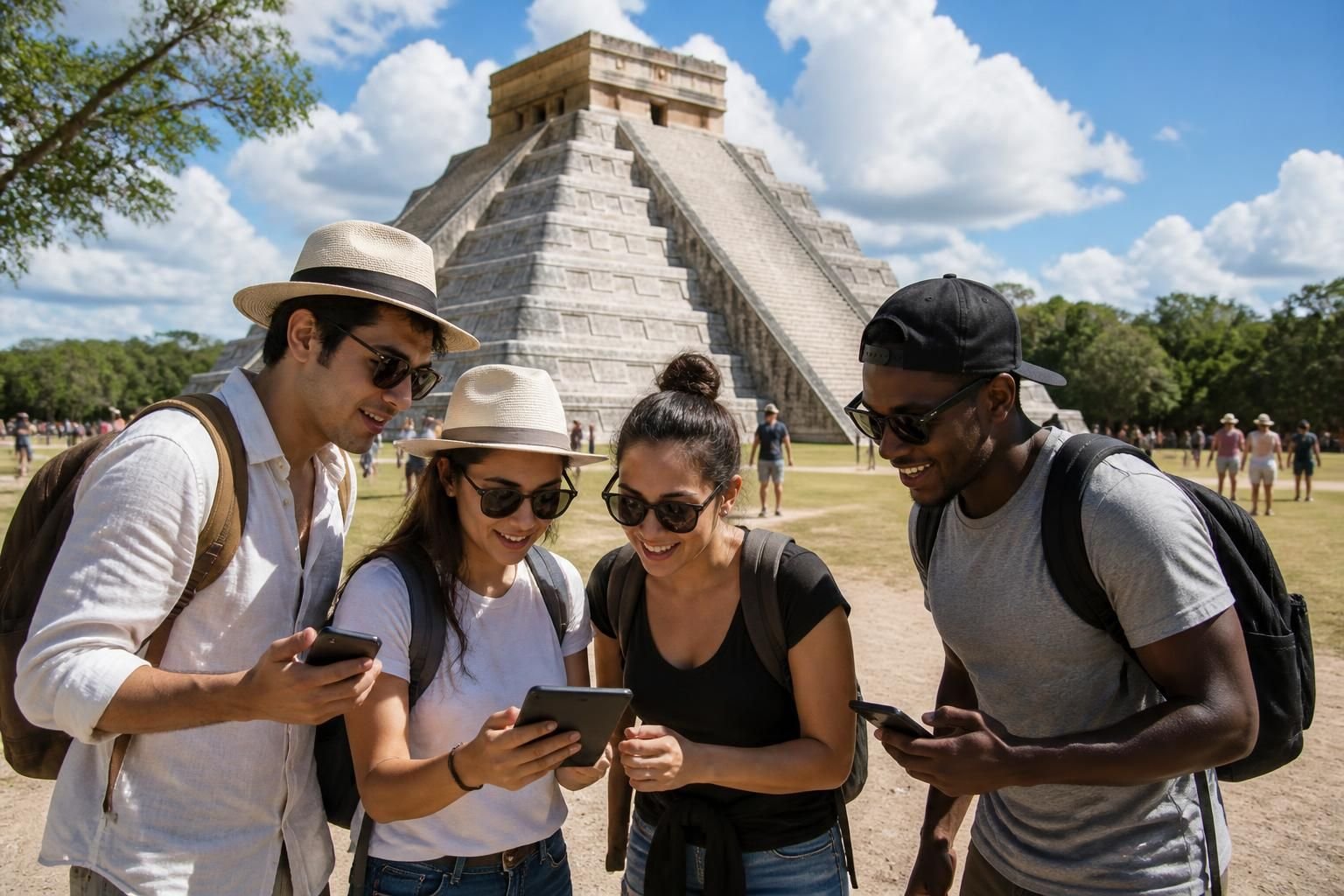

Traveling to Mexico in 2026 unfolds as a vibrant adventure shaped by rich culture, diverse landscapes, and the convenience of modern technology. For globetrotters eager to explore everything from bustling Mexico City to the ancient mystique of Chichen Itza, having the right travel apps at hand is indispensable. These applications not only streamline transportation and navigation but also embrace the local language and provide access to hidden gems that enhance the journey. Surpassing traditional guidebooks, travel apps today harness AI and offline capabilities, altering how tourists experience Mexico’s enchanting destinations. Whether delving into Mayan ruins or tasting authentic regional cuisine, technology is now a fundamental part of Mexico tourism, allowing visitors to discover more, save time, and travel with confidence in 2026.
Briefly, key points for travelers exploring Mexico in 2026 include:
- Comprehensive transportation apps such as Rome2Rio provide multi-modal transit options suited for all corners of Mexico.
- Reliable rideshare services like Uber remain crucial, especially in metropolitan areas, but come with rules to navigate.
- Google Maps with offline maps capability offers vital navigation support even in low connectivity zones.
- Advanced AI-driven city exploration apps personalize travel recommendations beyond generic lists.
- Essential tools for currency conversion and language translation ensure smooth exchanges and communication.
- Staying connected via apps like WhatsApp is vital for communication with locals and travel contacts.
Essential Travel Apps to Navigate Mexico’s Vast Landscape
Transportation in Mexico presents a colorful mosaic ranging from sleek buses to domestic flights and regional ferries. For travelers aiming to traverse multiple states or explore remote Mayan ruins, consolidating transportation options is key. Rome2Rio ranks as a standout app that integrates flights, buses, trains, and even ferry options, allowing users to discover the most efficient ways to reach any destination within Mexico.
Take, for example, planning a trip between Guadalajara and the nearby town of Tequila. Such journeys can be complex with various transport modes available. Rome2Rio instantaneously displays all options with estimated costs and schedules, including local bus lines and flight possibilities. This eliminates the guesswork and reliance on inconsistent local information.
Bus enthusiasts might also consider specialized apps like Busbud, which cater exclusively to bus schedules and ticketing, suitable for those focusing on public transportation. Importantly, Rome2Rio expands its utility by providing telephone numbers and websites of transportation companies, facilitating deeper planning or last-minute queries.
When venturing off into off-the-beaten-path regions, offline capabilities become essential. Travelers generally rely on apps with downloaded maps to confidently find their way without cellular data interruptions. Combining information from multiple sources gives travelers the broadest reach, making their Mexico travel 2026 smoother and hassle-free. This is especially true for those visiting renowned destinations such as Chichen Itza, where transportation logistics influence the overall experience. Detailed advice on bus travel from Cancun to Chichen Itza can optimize one’s route and comfort.

Rideshare Applications: Efficient and Safe Local Travel
Uber sustains its prominent position as a leading rideshare app across Mexico’s major cities. Its widespread availability means travelers can access affordable and reliable rides without the worry of hailing taxis, traditional or otherwise. In Mexico, Uber vehicles generally maintain higher standards than standard taxis, translating to a safer and more pleasant journey.
However, Uber’s integration into the Mexican transport ecosystem differs in some cities. For example, Cancun enforces unique regulations requiring Uber vehicles to operate discreetly without external signage. This is a government attempt to ease tensions with local taxi drivers, who initially opposed the rideshare competition. Travelers should always verify the vehicle license plate and driver ID within the app, reinforcing safety inside this distinct environment.
Moreover, Uber is restricted on federal properties such as airports and official bus terminals in some zones, yet drop-offs are often permitted. Cities like Guadalajara and Mexico City offer more flexible policies, while places like Puerto Vallarta recently negotiated airport access for Uber drivers. Planning rides in advance and communicating clearly with the driver are practical steps to avoid confusion.
Additional options like DiDi and InDrive have expanded their presence, adding competitive choices to the landscape of Mexico travel 2026. Despite this, Uber maintains broad usage and user trust, making it a go-to app for urban navigation and last-mile connectivity. Exploring local attractions swiftly often depends on timely rides within cities, and Uber’s features—such as live tracking and driver verification pins—enhance peace of mind.
Google Maps and Offline Navigation: The Dual Powerhouse
In 2026, Google Maps remains irreplaceable for navigation in Mexico, benefiting from satellite technology that works across urban sprawls and remote areas alike. Beyond standard GPS directions, Google Maps supports public transit integration in major Mexican cities like Mexico City and Guadalajara. The app displays bus and metro schedules, including real-time updates and precise stop visuals. This feature helps travelers confidently navigate complex transit systems in sprawling metropolitan centers.
Downloading offline maps is a transformational feature suiting Mexico’s diverse connectivity landscape. Tourists can download extensive city or regional maps before arrival, allowing seamless navigation whether wandering ancient sites or exploring small villages with limited internet access. Offline maps maintain accurate location tracking, an essential safety net when roaming areas with patchy cellular data.
Other helpful tools within Google Maps include savable places for visit planning and user-generated reviews and photos. These elements support the discovery of lesser-known local attractions—highlighted through the evolving “Explore” tab optimized in 2025-26—offering personalized insights that elevate every day of travel.
Pairing Google Maps with travel apps focused on offline use, like Organic Maps, can create a robust navigation strategy. Travelers gain confidence moving from the urban bustle to quieter Yucatan Peninsula routes or the enigmatic Mayan ruins of Tulum. This combination addresses the unique needs of navigating Mexico’s vast and varied terrain efficiently even when cellular data fails.
Benefits of Offline Maps in Practical Terms:
| Advantage | Details |
|---|---|
| Reliable positioning | Uses GPS signals independent of internet, ensuring location tracking in remote areas. |
| Cost-saving | Avoids roaming charges or expensive data plans abroad. |
| Safety net | Maintains route visibility during emergencies or in unexpected service outages. |
| Travel flexibility | Allows spontaneous detours and exploration without connectivity worries. |
Mastering Language Translation and Currency Conversion On the Go
Overcoming language barriers remains one of the biggest challenges when exploring Mexico for visitors who don’t speak Spanish fluently. Cutting-edge language translation apps like Google Translate prove invaluable, especially with camera mode that translates text instantly from signs, menus, and documents. This feature is particularly useful at local markets or eateries where printed menus may lack English translations. Offline language packs ensure constant functionality despite limited network access.
For more nuanced communications, DeepL or other advanced translation apps offer superior accuracy, especially helpful when handling official paperwork or care-sensitive conversations. These tools empower travelers to engage deeply with local culture, from negotiating during tipping etiquette advice to learning about regional customs related to hospitality.
Equally vital is managing currency conversion seamlessly in a country with fluctuating exchange rates. Apps like XE Currency provide live updates and offline support, allowing travelers to convert between US dollars and Mexican pesos with confidence. This feature is critical when negotiating prices in markets or paying for services, enabling better budgeting and avoiding overpayment.
Coupling these translation and currency conversion apps forms an essential toolkit for any traveler seeking to maximize their immersion and ease during Mexico tourism in 2026. These functionalities reduce common frustrations associated with cross-cultural communication and financial transactions, ensuring a smoother, more enjoyable adventure.
Staying Connected and Managing Travel Plans Efficiently
Communication apps such as WhatsApp dominate in Mexico, entirely supplanting traditional SMS for many locals. This free platform allows travelers to send texts, voice, and video calls using internet data, making it especially useful abroad. WhatsApp’s group chats and instant voice notes enable seamless coordination between travelers and local guides or accommodation providers, fostering a connected journey.
Sharing contact details is simplified through WhatsApp’s QR code feature, which eliminates tedious phone number entry, accelerating relationship-building with new acquaintances. This connectivity boosts safety and convenience, particularly when navigating unfamiliar environments.
For broader travel planning, integrating itinerary managers like TripIt or utilizing apps with AI-powered planning features optimizes trip organization. These tools compile bookings, schedules, and local recommendations, allowing detailed customization. Travelers can incorporate local insights for excursions to cultural sites and nearby attractions while adapting to spontaneous adventures.
Before activating these apps, securing local data plans or eSIM services like Airalo is paramount. Preloaded data ensures immediate connectivity upon landing and avoids costly roaming fees. This proactive approach to connectivity underpins all other app functionalities, from navigation to communications, guaranteeing an uninterrupted travel experience throughout the diverse destinations within Mexico.
Which travel app offers the broadest transportation options in Mexico?
Rome2Rio is highly recommended as it integrates multiple modes of transport including plane, bus, train, and ferry schedules, providing comprehensive coverage for navigating Mexico’s diverse transit systems.
Is Uber safe and reliable for tourists in Mexican cities?
Uber is generally reliable and safer than many traditional taxis, but travelers should verify vehicle details and driver identification in the app, especially in cities with specific local regulations like Cancun.
How can travelers navigate Mexico without constant internet access?
Downloading offline maps through Google Maps or apps like Organic Maps allows travelers to maintain GPS location and access key route information even without cellular data.
What language translation tools are best for Mexico travel?
Google Translate’s camera mode and offline language packs are very effective for quick translations, while apps like DeepL offer more precise translations for complex texts.
What is the best way to stay connected with locals and travel contacts in Mexico?
WhatsApp is the most widely used communication app in Mexico, enabling text, voice, and video calls over internet data, supporting smooth coordination during trips.